v2.webp)
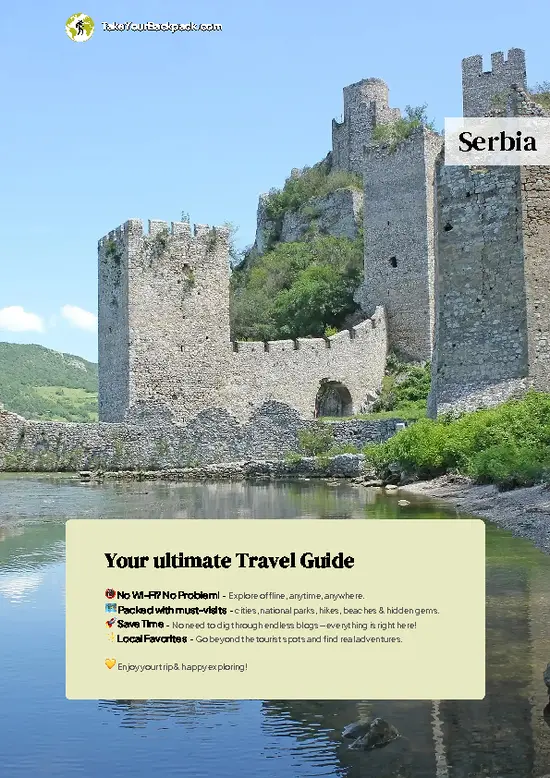
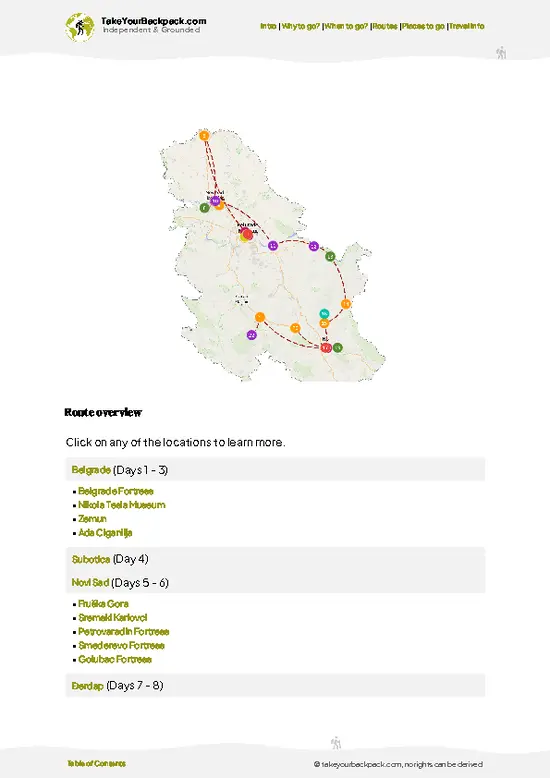
- Šumarice Memorial Park (Spomen-park Šumarice) — The city’s most powerful site: a large, peaceful memorial park and forest where monuments and trails commemorate the October 21, 1941 massacre. It’s both moving and well-laid-out for a reflective walk among sculptures and plaques.
- Memorial Museum ”21. October” — Right by Šumarice, this museum presents survivor testimony, documents and local history about the massacre; it’s essential to understanding Kragujevac’s 20th-century story and the human cost behind the monuments.
- Šumadija (National) Museum — The main local history and art collection: archaeological finds, folk costumes, and regional exhibits that show how central Serbia’s material culture and history came together around Kragujevac.
- Konak kneza Miloša (Prince Miloš’s Konak) — A preserved
- Šumarice Memorial Park (Spomen-park Šumarice) — The city’s most powerful site: a large, peaceful memorial park and forest where monuments and trails commemorate the October 21, 1941 massacre. It’s both moving and well-laid-out for a reflective walk among sculptures and plaques.
- Memorial Museum ”21. October” — Right by Šumarice, this museum presents survivor testimony, documents and local history about the massacre; it’s essential to understanding Kragujevac’s 20th-century story and the human cost behind the monuments.
- Šumadija (National) Museum — The main local history and art collection: archaeological finds, folk costumes, and regional exhibits that show how central Serbia’s material culture and history came together around Kragujevac.
- Konak kneza Miloša (Prince Miloš’s Konak) — A preserved princely residence from the era when Kragujevac was Serbia’s capital; the building and its rooms give a tangible sense of 19th-century statecraft and daily life.
- First Kragujevac Grammar School (Prva kragujevačka gimnazija) — Visit the historic school building that hosted Serbia’s first modern grammar school; the façade and interior recall the city’s key role in Serbian education and culture.
- Cathedral Church of the Holy Assumption (Saborna crkva) — The city’s principal Orthodox cathedral: notable architecture, frescoes and a calm churchyard that’s handy for a short cultural stop and local religious heritage.
- National Theatre Kragujevac (Narodno pozorište) — More than a pretty façade: catch a play or simply admire the historic theatre building in the city centre — it’s a living piece of Kragujevac’s cultural scene.
- Zastava / Automotive heritage sites — The industrial history around the old Zastava factories (the Yugo era) is central to modern Kragujevac’s identity; walk parts of the complex and nearby exhibits to see how car-making shaped the city’s social life.
- City Centre & Republic Square (Trg Republike) — Kragujevac’s pedestrian heart: a compact zone of shops, cafés, municipal buildings and public sculpture where you can feel local rhythms, people-watch and drop into small museums or galleries.
- Parks and promenades (including Park Svetog Savе / city green spaces) — Kragujevac has a string of pleasant parks and riverside walks that locals use daily; they’re great for a relaxed afternoon, to sample street food, or to observe neighbourhood life away from formal sights.
Spotted a mistake or missing something? Contact us.

Business-class Airport Taxi Transfer in Belgrade

Airport Nis Shuttle Taxi

Full-Day Trip from Belgrade: Tara National Park & The Drina River Valley

A Crash Course through Serbian History

Nis Sightseeing Tour

Belgrade Private City Tour

Belgrade Airport to City Center Transfers

History and Culture in my Belgrade

Private Transfer


 Best Backpacking
.jpg) Hi, I’m Johan (Netherlands 🇳🇱), the creator of TakeYourBackpack. Over the past 3 decades, I’ve backpacked through 90+ countries across six continents, gaining extensive experience with independent travel, long-term trips, and overland routes.
Hi, I’m Johan (Netherlands 🇳🇱), the creator of TakeYourBackpack. Over the past 3 decades, I’ve backpacked through 90+ countries across six continents, gaining extensive experience with independent travel, long-term trips, and overland routes.