×

Sierra Leone🇸🇱 | attractionsBunce Island Interpretation Exhibitstransatlantic history, slave trade relics, river views | things to do and best time to go

Explore Tacugama Cultural & Education CenterExplore Sierra Leone National Dance Troupe

Backpacking in Bunce Island Interpretation Exhibits
By Johan Kruseman 🇳🇱 | Updated October 13, 2026

You won’t find a single original slave shackle or “Instagrammable” ruin at the Bunce Island Interpretation Exhibits—because the real artifacts are too fragile, and the story here is too raw for easy snapshots. Set in Freetown, not on the actual island itself, this museum-style exhibit is the most honest, gut-punching look at Sierra Leone’s role in the Atlantic slave trade you’ll get without a boat ride. Here’s the straight talk: you won’t be elbowing tourists for selfies, because most skip it for the beaches or the more photogenic Tacugama Chimpanzee Sanctuary. But if you want to understand the soul of Sierra Leone, this is the place. The exhibits are heavy—emotionally, not physically—and the cost is low, both in price and in the toll on your travel schedule. It’s not a party, but it’s a must for anyone who wants more than a surface-level adventure. This is history with teeth, not a sanitized highlight reel.

Discover everything you want to know in the 📖 Sierra Leone Travel Guide.


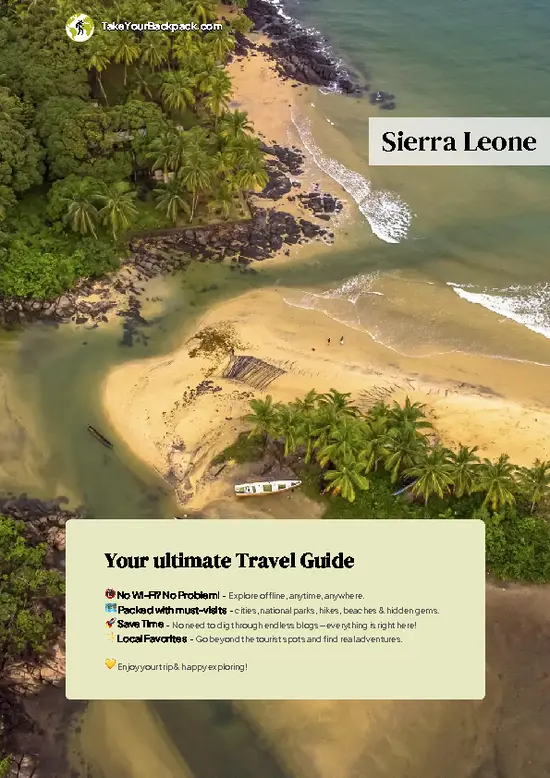
example page 0 from our offline Travel Guide for Sierra Leone
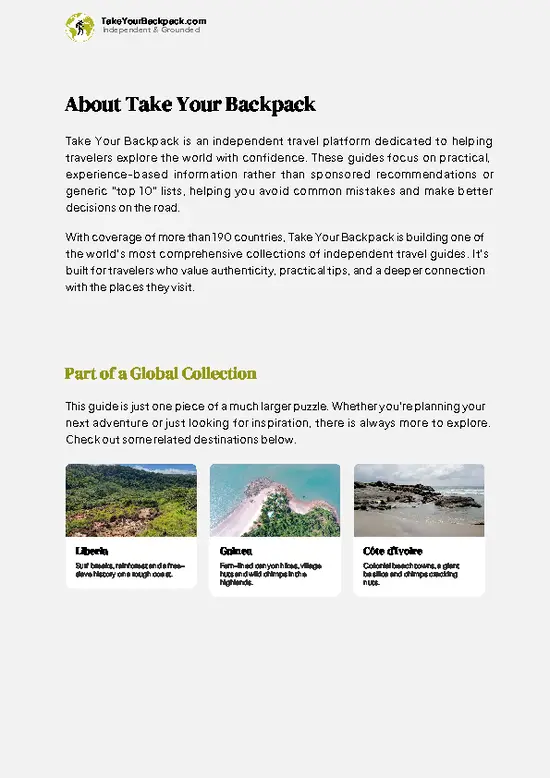
example page 1 from our offline Travel Guide for Sierra Leone
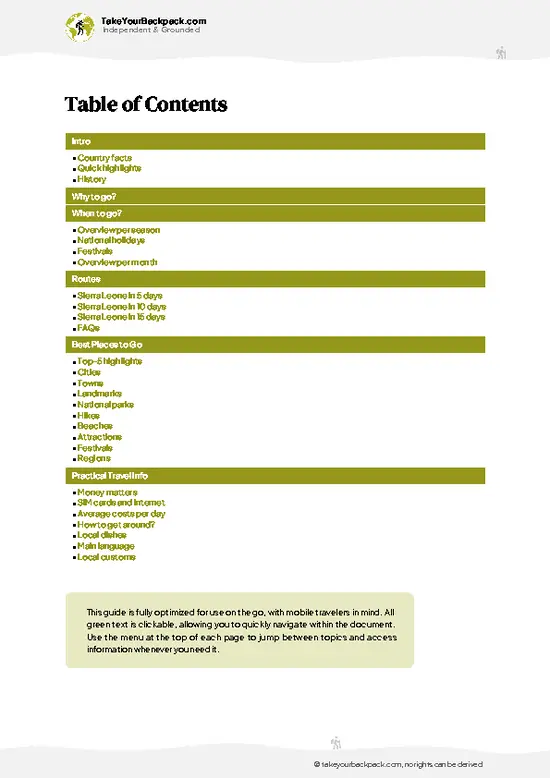
example page 2 from our offline Travel Guide for Sierra Leone
example page 3 from our offline Travel Guide for Sierra Leone
example page 4 from our offline Travel Guide for Sierra Leone
example page 5 from our offline Travel Guide for Sierra Leone
example page 6 from our offline Travel Guide for Sierra Leone
example page 7 from our offline Travel Guide for Sierra Leone
Loading the map 🌍
CLICK TO FILTER
cities
towns
landmarks
national parks
hikes
beaches
attractions
festivals
regions
SHOW COUNTRY’S BESTSHOW ALL

✨ Why go?
Ranked #99 attraction in Sierra Leone
Why visitors keep coming back

Bunce Island Interpretation Exhibits in Sierra Leone isn’t your typical tourist stop. It’s raw, real, and uncomfortably powerful. Yes, it’s crowded during peak times, and the boat ride to the island isn’t the smoothest, but that’s part of the experience. This place is an iconic landmark in the brutal history of the transatlantic slave trade. It’s not just a museum; it’s a living testament to the millions who suffered and were forcibly shipped from these shores. The exhibits don’t sugarcoat anything—they confront you with the harsh realities of that era, making it impossible to walk away unaffected.

For backpackers, Bunce Island is a major milestone on the Sierra Leone route because it connects you to a global story of resilience and tragedy that textbooks can’t capture. The adrenaline rush … read more 👉
Bunce Island Interpretation Exhibits in Sierra Leone isn’t your typical tourist stop. It’s raw, real, and uncomfortably powerful. Yes, it’s crowded during peak times, and the boat ride to the island isn’t the smoothest, but that’s part of the experience. This place is an iconic landmark in the brutal history of the transatlantic slave trade. It’s not just a museum; it’s a living testament to the millions who suffered and were forcibly shipped from these shores. The exhibits don’t sugarcoat anything—they confront you with the harsh realities of that era, making it impossible to walk away unaffected.

For backpackers, Bunce Island is a major milestone on the Sierra Leone route because it connects you to a global story of resilience and tragedy that textbooks can’t capture. The adrenaline rush comes from standing where history happened, feeling the weight of it, and understanding the cultural significance that still shapes the region today. It’s a tough visit, but the effort-to-reward ratio is off the charts. If you want to grasp Sierra Leone beyond the surface, this is where you start.

💡 HighlightsPlaces and moments you shouldn't skip

The Slave Castle Ruins
Forget the Instagrammed drone shots of crumbling stone against blue water—this is not a backdrop for your next profile picture. The ruins of Bunce Island’s slave fort are raw, unvarnished history. You walk through the actual holding cells where thousands of men, women, and children were imprisoned before being shipped across the Atlantic. The walls are pockmarked with centuries of rain and grief. There’s no velvet rope, no polished plaques—just the echo of footsteps and the weight of what happened here. You feel it in your bones. This isn’t entertainment; it’s confrontation. And that’s the point. If you want a sanitized version, look elsewhere. If you want to stand in a place that shaped the world, this is it.


The Interpretation Center’s Storytelling Panels
Here’s where … read more 👉
The Slave Castle Ruins
Forget the Instagrammed drone shots of crumbling stone against blue water—this is not a backdrop for your next profile picture. The ruins of Bunce Island’s slave fort are raw, unvarnished history. You walk through the actual holding cells where thousands of men, women, and children were imprisoned before being shipped across the Atlantic. The walls are pockmarked with centuries of rain and grief. There’s no velvet rope, no polished plaques—just the echo of footsteps and the weight of what happened here. You feel it in your bones. This isn’t entertainment; it’s confrontation. And that’s the point. If you want a sanitized version, look elsewhere. If you want to stand in a place that shaped the world, this is it.


The Interpretation Center’s Storytelling Panels
Here’s where the real education happens. The Interpretation Center doesn’t sugarcoat. The panels are blunt, direct, and sometimes uncomfortable. They lay out the mechanics of the transatlantic slave trade, the British and African complicity, and the brutal economics that turned people into cargo. You get names, dates, and hard numbers. But you also get stories—personal accounts, reconstructed from letters and oral histories, that put faces to the statistics. This is not a place for passive learning. The panels demand your attention and, if you’re paying any attention at all, your empathy.


The Memorial Sculpture
No marble angels or grandiose monuments here. The memorial sculpture at Bunce Island is deliberately stark—twisted metal and rough stone, a physical reminder of the violence and resilience that define this site. It’s not pretty, and it’s not meant to be. People linger here, sometimes in silence, sometimes in tears. It’s a space for reckoning, not for selfies. The sculpture’s power is in its refusal to let you look away.


Guided Local Tours
Skip the generic audio guide. The best way to experience Bunce Island is with a local guide—someone who grew up hearing these stories, whose ancestors might have been chained in these cells or forced to work for the British. The guides don’t stick to a script. They’ll tell you about the ghosts, the legends, the way the island changes in the rainy season. They’ll point out details you’d miss: the indentations in the stone where shackles wore grooves, the trees that have grown through the old barracks. This is living history, delivered with the kind of honesty you can’t fake.


The Island’s Isolation
Here’s the part the travel brochures skip: getting to Bunce Island is a hassle. You need to charter a boat, and the ride can be bumpy, hot, and mosquito-heavy. But that isolation is part of the experience. When you step off the boat, there’s no gift shop, no snack bar, no crowds. Just you, the ruins, and the river. The silence is heavy. It’s the kind of quiet that forces you to listen—to the wind, to the water, to the history that still hangs in the air. This is not a place for casual tourism. It’s a pilgrimage, and it feels like one.
Spotted a mistake or missing something? Contact us.

🌤️ When to go?Weather, crowds, and seasonal trade-offs

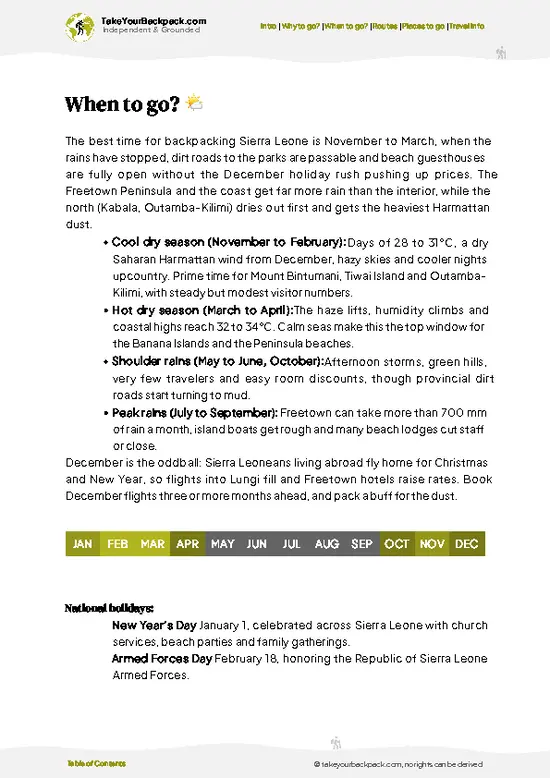
  • Weather: The dry season from November to April is your best bet. Expect less rain, which means easier access to Bunce Island’s muddy paths. The rainy season (May to October) can turn the site into a slippery mess, and heavy downpours might cut your visit short.
  • Temperature: Temperatures hover between 24°C and 31°C (75°F to 88°F) year-round. The dry season feels more comfortable with lower humidity, while the rainy months bring sticky heat that can sap your energy fast.
  • Daylight Hours: Sierra Leone sits near the equator, so daylight stays steady around 11 to 12 hours daily. No drastic shifts here, but plan your visit during daylight to fully explore the island’s exhibits and ruins.
  • Crowds: Bunce Island isn’t a tourist hotspot, but the dry season draws more local and international visitors.
… read more 👉
  • Weather: The dry season from November to April is your best bet. Expect less rain, which means easier access to Bunce Island’s muddy paths. The rainy season (May to October) can turn the site into a slippery mess, and heavy downpours might cut your visit short.
  • Temperature: Temperatures hover between 24°C and 31°C (75°F to 88°F) year-round. The dry season feels more comfortable with lower humidity, while the rainy months bring sticky heat that can sap your energy fast.
  • Daylight Hours: Sierra Leone sits near the equator, so daylight stays steady around 11 to 12 hours daily. No drastic shifts here, but plan your visit during daylight to fully explore the island’s exhibits and ruins.
  • Crowds: Bunce Island isn’t a tourist hotspot, but the dry season draws more local and international visitors. If you want near solitude, aim for the shoulder months of November or April when the weather is good but the crowds haven’t peaked.
  • Seasonal Activities: Dry months often coincide with cultural events and guided tours, offering richer context to the exhibits. The rainy season sees fewer organized activities, limiting your chances to dive deep into the island’s history.
  • Price Fluctuations: Entry fees and tour costs stay fairly stable year-round, but transport prices to the island can spike during the dry season due to higher demand. Budget accordingly if visiting between December and March.
Pro-tip: Visit in late November or early April to dodge crowds, avoid the worst heat, and catch the island’s history when it’s most accessible and alive with local stories.


source: climatestotravel.comJANJanuary: highly recommended for travelingFEBFebruary: highly recommended for travelingMARMarch: highly recommended for travelingAPRApril: excellent for travelingMAYMay: fair for travelingJUNJune: fair for travelingJULJuly: below average for travelingAUGAugust: below average for travelingSEPSeptember: fair for travelingOCTOctober: fair for travelingNOVNovember: excellent for travelingDECDecember: highly recommended for traveling
sierra-leone-attraction-bunce-island-interpretation-exhibits
© Google |

✈️ The backpacker research shortcutSierra Leone Travel Guide

An offline-friendly backpacking guide with optimized travel routes, ranked highlights, transport advice, and the best areas to stay.
example page 0 from our offline Travel Guide for Sierra Leone
example page 1 from our offline Travel Guide for Sierra Leone
example page 2 from our offline Travel Guide for Sierra Leone
example page 3 from our offline Travel Guide for Sierra Leone
example page 4 from our offline Travel Guide for Sierra Leone
example page 5 from our offline Travel Guide for Sierra Leone
example page 6 from our offline Travel Guide for Sierra Leone
example page 7 from our offline Travel Guide for Sierra Leone
The digital guide (242 pages) contains:
✅ 50 highlights, ranked by travel appeal
✅ Optimized 5, 10 & 15-day travel routes
✅ Cities, national parks, landmarks, beaches
✅ How to get around
✅ Offline-friendly for travel without Wi-Fi
👉 Click to see all 30+ guide features

📅 Plan smarter in minutes, not weeks
✅ Month by month travel advice
✅ Festivals & national holidays
✅ Budget expectations

🗺️ Go to the right places, skip the overrated ones
✅ Honest pros & cons of destinations
✅ Top hikes, parks & viewpoints
✅ Lesser-known places most travelers miss
✅ Clear “worth it vs skip it” guidance

🛏️ Travel smoothly without rookie mistakes
✅ Best areas to stay
✅ Transport systems explained simply
✅ Common scams & safety advice
✅ SIM cards, money & practical tips

🌍 Understand the country, not just visit it
✅ Culture & traditions
✅ 52 Essential phrases & customs
✅ Festivals worth planning around
✅ Traveler-friendly historical context
✅ Insights that make places more meaningful

📱 Built for real travel conditions
✅ Fully downloadable PDF
✅ Works completely offline
✅ Optimized for phone use
✅ Useful in remote areas & buses
✅ Everything in one place
Stop searching, start planning
Get instant access to your full guide. 30‑day money-back guarantee.
+ Add another guide for just

By proceeding you agree to our terms.
Sent to your inbox immediately after payment • 100% Secure Checkout
Best Backpacking Travel Advisor 2025 tourism awardBest Backpacking
Travel Advisor
2025
What others say about Take Your Backpack Guides:
⭐⭐⭐⭐⭐
Fantastic, amazing amount of information!
⭐⭐⭐⭐⭐
My goodness this is amazing, it's what I've been looking for hats off too you!
⭐⭐⭐⭐⭐
I think this is absolutely BRILLIANT
⭐⭐⭐⭐
Very complete and informative. It's still missing places, but I gotta to commend you
⭐⭐⭐⭐⭐
This is truly amazing, thank you, can't wait to explore it with my kids!
⭐⭐⭐⭐⭐
Awesome resource, thank you!
⭐⭐⭐⭐⭐
This is amazing! Can't wait to explore the ones I haven't seen
⭐⭐⭐⭐
I love this! Well done, great idea.
⭐⭐⭐⭐⭐
Thanks for taking the time to make this gem!
⭐⭐⭐⭐⭐
This might be the best website I've ever seen.
⭐⭐⭐⭐⭐
Congratulations, and thank you so much for your work; it's incredibly valuable.
⭐⭐⭐⭐
In all seriousness I think you did a great job pointing out the important spots
⭐⭐⭐⭐⭐
10/10 very good
⭐⭐⭐⭐⭐
As someone who's only just starting to visit regularly this is awesome, thank you.
⭐⭐⭐⭐
Thank you very much! I'm going to visit my dad, it's going to be very useful!
⭐⭐⭐⭐⭐
This is really cool! We'll be travelling for the first time and this definitely come in handy.
⭐⭐⭐⭐⭐
You are now our minister of culture, congratulations 👨‍💼
⭐⭐⭐⭐⭐
Just wanted to tell you that this is a pearl! Going to follow your recommendations.
⭐⭐⭐⭐⭐
This is so cool. I'll definitely be using the resource for my travels soon.
⭐⭐⭐⭐⭐
This is very impressive! Good work.
⭐⭐⭐⭐⭐
This is an amazing and informative site. Very well done!

🛏️ Where to stay?Choosing the right base

Bunce Island is a powerful, sobering site—far from the glossy Instagram shots of pristine beaches or bustling markets. It’s not a place for luxury or convenience, and that’s part of its raw, unfiltered impact. The truth is, getting there involves a bit of grit and patience, and the surrounding areas reflect that reality.

For backpackers, the best base isn’t right on the island (it’s uninhabited except for guides and caretakers), but rather in Freetown or the nearby coastal villages. Freetown, Sierra Leone’s capital, is the hub where you’ll find the safest, most social, and budget-friendly options. … read more 👉
Bunce Island is a powerful, sobering site—far from the glossy Instagram shots of pristine beaches or bustling markets. It’s not a place for luxury or convenience, and that’s part of its raw, unfiltered impact. The truth is, getting there involves a bit of grit and patience, and the surrounding areas reflect that reality.

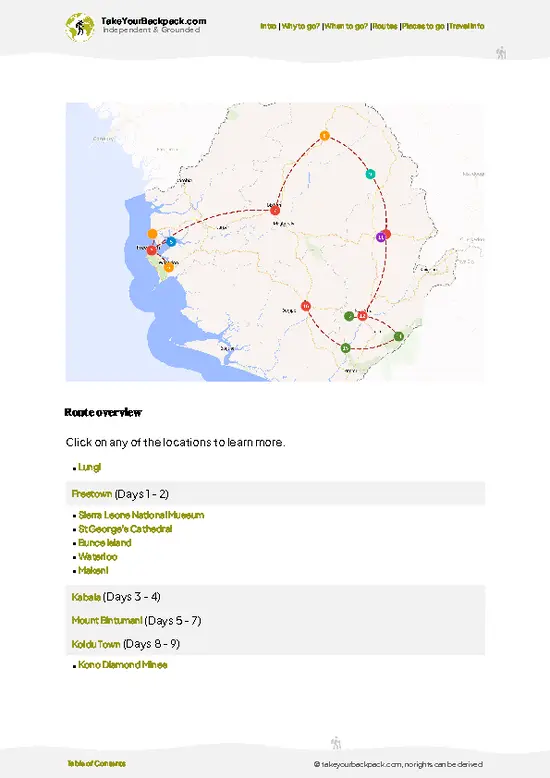
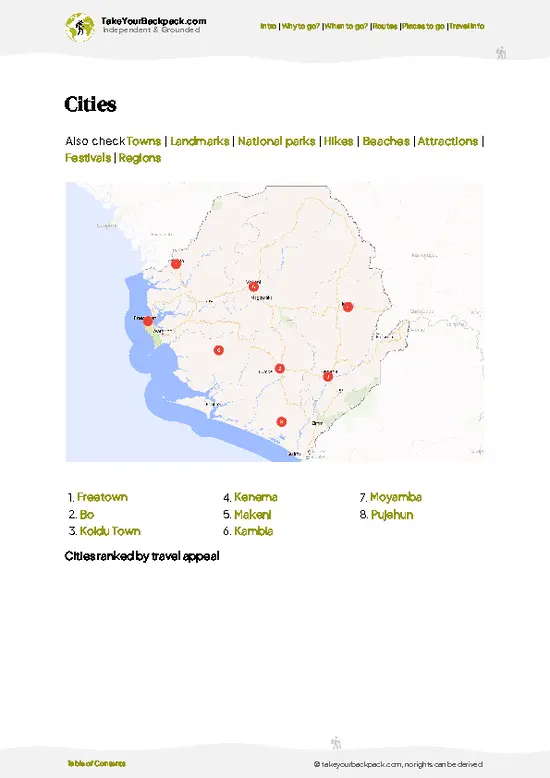
For backpackers, the best base isn’t right on the island (it’s uninhabited except for guides and caretakers), but rather in Freetown or the nearby coastal villages. Freetown, Sierra Leone’s capital, is the hub where you’ll find the safest, most social, and budget-friendly options. It’s a city with a rough edge but a welcoming vibe for solo travelers who want to connect with locals and other backpackers. The neighborhoods around Lumley Beach are popular for their mix of guesthouses, lively bars, and easy access to transport heading toward Bunce Island. It’s where you’ll meet other travelers swapping stories over cold drinks after a day of exploring.

If you want something quieter but still social, the fishing villages along the peninsula offer a more authentic slice of Sierra Leonean life. They’re less polished, but that’s the point—you’re stepping into a community that’s lived with the legacy of the island for generations. Safety can vary, so stick to well-trodden paths and local advice.

Bottom line: Bunce Island isn’t a polished tourist stop. Staying in Freetown or nearby coastal villages puts you in the heart of the story, surrounded by people who bring the history to life. It’s rough around the edges, but that’s where the real magic happens.

👛 Costs (as of 13 October 2026)How expensive it really is

Visiting Bunce Island Interpretation Exhibits in Sierra Leone typically involves guided tours, with prices ranging from €120 to €295 per person. These tours often include transportation, a professional guide, and sometimes meals. For instance, a half-day tour with lunch at Tasso Island is priced at €295 per person. Another option offers a half-day excursion to Bunce Island for €120 per person. Please note that these prices are subject to change and may vary based on the tour operator and specific inclusions.

source: sierraleonetour.com
⚠️ Prices can change and everyone travels differently, so take this as a rough guide. Hope it helps you plan your adventure!

FAQCommon questions from travelers

Visiting Bunce Island Interpretation Exhibits typically requires about 2 to 3 hours to fully explore the site and its displays. This allows enough time to understand the historical context and view the exhibits without rushing.
Yes, Bunce Island Interpretation Exhibits is worth the entrance fee, which is usually around $10 USD. The site offers a unique and powerful insight into the transatlantic slave trade, making it a valuable educational experience for travelers interested in history.
To get to Bunce Island Interpretation Exhibits, you need to take a boat from Freetown, Sierra Leone. The island is about 20 kilometers offshore, and boat trips usually take around 1 to 1.5 hours depending on the weather and boat type.
⚠️ Things can change over time, so always validate details locally before you go.

Other Sierra Leonean attractions near Bunce Island Interpretation Exhibits

Explore more nearby:


💡 Not sure where to go next?
Create a personalized itinerary for Sierra Leone including Bunce Island Interpretation Exhibits and the places that fit your trip.

Generate my itinerary

👉 Discover all attractions

Or checkout all Sierra Leone has to offer (think cities, towns, villages, national parks, hikes, beaches, festivals)
Country photo of Sierra Leone

We 💚 feedbackIs it worth it?

Bunce Island isn’t your typical postcard spot—expect a raw, sobering vibe that hits harder than any glossy brochure. It’s not polished or crowd-proofed, so you’ll wrestle with the weight of history amid the heat and the mosquitoes. The real surprise? How the exhibits don’t just tell you what happened but make you feel it—gritty, painful, and utterly necessary to witness. If you’re after easy tourism, look elsewhere. But if you want a place that shakes your perspective and sticks with you long after, this is it.

✍️ Help improve this page!
The information on this page is based on in-depth research, insights shared by experienced travelers, and feedback from the local travel community in Sierra Leone. While every effort is made to keep the information accurate and current, conditions can change — so if you spot anything incorrect or outdated, please get in touch.


🙋‍♂️ Give feedback

👋 Meet the founderWho’s Behind Take Your Backpack?

Johan, backpacker and founder of TakeYourBackpackHi, I’m Johan (Netherlands 🇳🇱), the creator of TakeYourBackpack. Over the past 3 decades, I’ve backpacked through 90+ countries across six continents, gaining extensive experience with independent travel, long-term trips, and overland routes.

This site is built on a combination of firsthand travel experience and carefully curated insights from other backpackers. Many guides are based on places I’ve personally visited, while others bring together tips, observations, and practical advice shared by trusted travelers I’ve met along the way.

The goal is to provide realistic, experience-driven guidance — not generic itineraries — so you can explore destinations with better context, clearer expectations, and more confidence.