




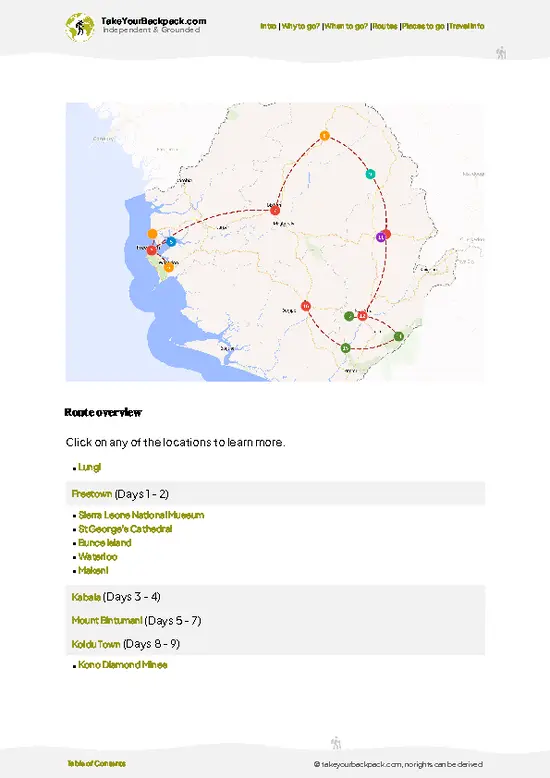

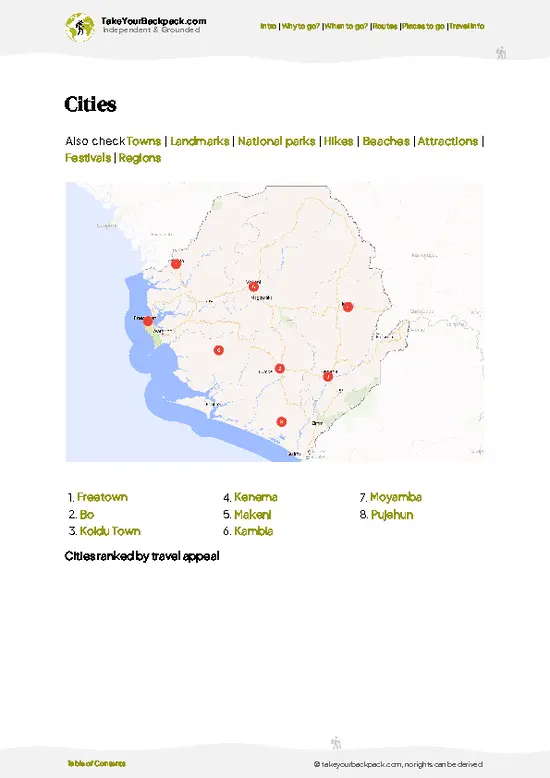
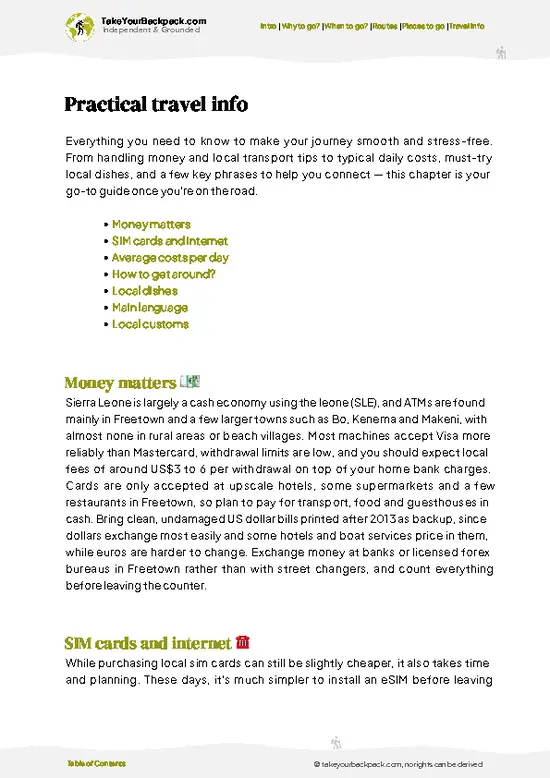
- Western chimpanzees: The forest holds one of the region's important populations of this endangered ape. You will most likely hear pant-hoots and drumming on buttress roots rather than see them, but fresh nests and feeding remains turn a walk into a tracking lesson.
- Lalehun village and its forest edge: This is the main community base for visiting the northern part of the park. Cocoa and coffee farms, mud-brick houses and smoky kitchens sit right where the canopy begins, and guides here lead day and overnight walks.
- Primates of the canopy: Diana monkeys, olive colobus and western red colobus all live here. Listen for crashing branches overhead, then stand still, since the monkeys often cross high above the trail in loose groups.
- Pygmy hippo habitat: The park shelters this rare, nocturnal forest
- Western chimpanzees: The forest holds one of the region's important populations of this endangered ape. You will most likely hear pant-hoots and drumming on buttress roots rather than see them, but fresh nests and feeding remains turn a walk into a tracking lesson.
- Lalehun village and its forest edge: This is the main community base for visiting the northern part of the park. Cocoa and coffee farms, mud-brick houses and smoky kitchens sit right where the canopy begins, and guides here lead day and overnight walks.
- Primates of the canopy: Diana monkeys, olive colobus and western red colobus all live here. Listen for crashing branches overhead, then stand still, since the monkeys often cross high above the trail in loose groups.
- Pygmy hippo habitat: The park shelters this rare, nocturnal forest hippo along its streams and swampy hollows. Sightings are very unlikely, but dung trails and footprints in the mud are a thrill for anyone who knows what they mean.
- Hornbills and forest birds: Yellow-casqued hornbills announce themselves with heavy wingbeats, and the species list also includes the rare white-necked rockfowl, a bird that nests on shaded rock faces. Dawn is when the canopy chorus is loudest and most productive.
- Tunkia and the southern forest edge: Villages here give access to a quieter part of the park, with long forest tracks, streams to wade and almost no other visitors. It suits travelers who want to go further from the main entry point.
- Night walks along the forest edge: After dark the forest turns noisy with tree frogs, insects and calling bush babies. A guide with a headlamp can pick out eyeshine and sleeping birds, and it is the best time to appreciate how alive the forest is.
Spotted a mistake or missing something? Contact us.

 Best Backpacking
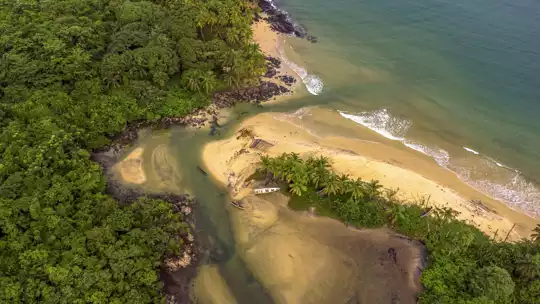
 Hi, I’m Johan (Netherlands 🇳🇱), the creator of TakeYourBackpack. Over the past 3 decades, I’ve backpacked through 90+ countries across six continents, gaining extensive experience with independent travel, long-term trips, and overland routes.