×

Somalia🇸🇴 | townsEl WakDivided border town, deep wells, pastoral trade | things to do and best time to go

Explore DoolowExplore Buur Gaabo

Backpacking in El Wak
👌 Worth visitingtown ranked #15
By Johan Kruseman 🇳🇱 | Updated November 2, 2026

El Wak sits in Somalia’s Gedo region, and it is the Kenyan twin across the border that most travelers end up in, because its Kenyan namesake lies only about 9 km away across the frontier and is far easier to reach. The Somali side lies in the southwest, on the dry plains west of the Juba valley. Nobody comes for monuments; there are none worth a detour. The draw is a working border market, wells, and a chance to see pastoralist trade up close. Hostels and backpacker cafés do not exist, so evenings are quiet. Before going, check the current security situation and arrange local escort and clearance.

Part of Backpacking in Somalia: all 68 places on one map, with routes and the best time to go.
Discover everything you want to know in the 📖 Somalia Travel Guide.
Safety warning

The current risk level for Somalia is high. Check the advice before going.


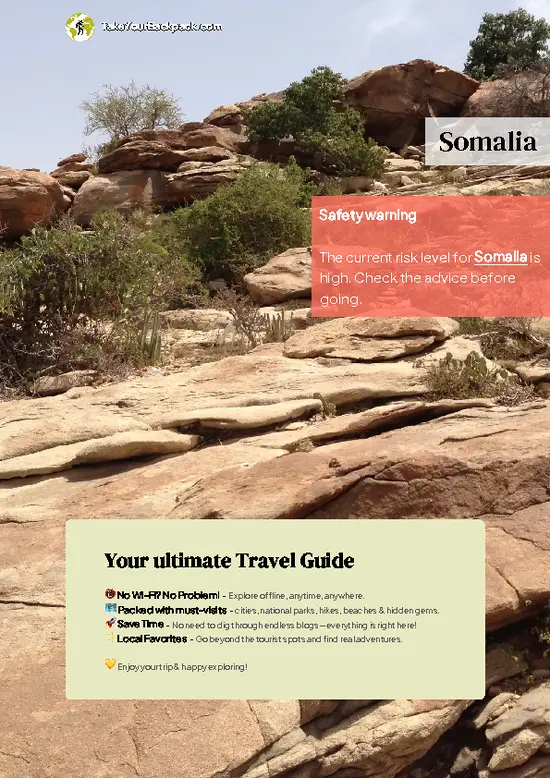
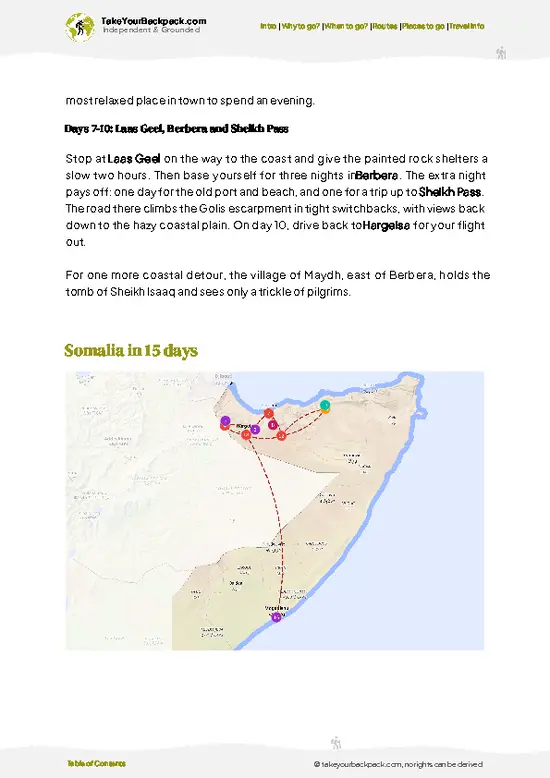
example page 0 from our offline Travel Guide for Somalia
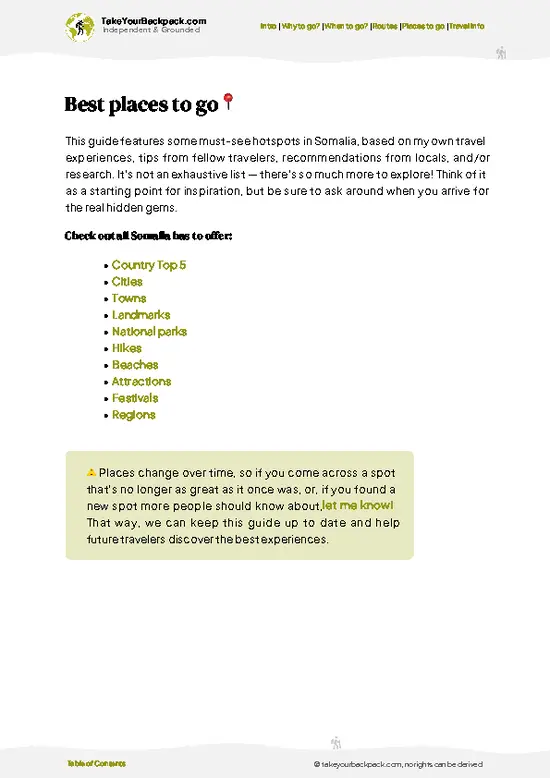
example page 1 from our offline Travel Guide for Somalia
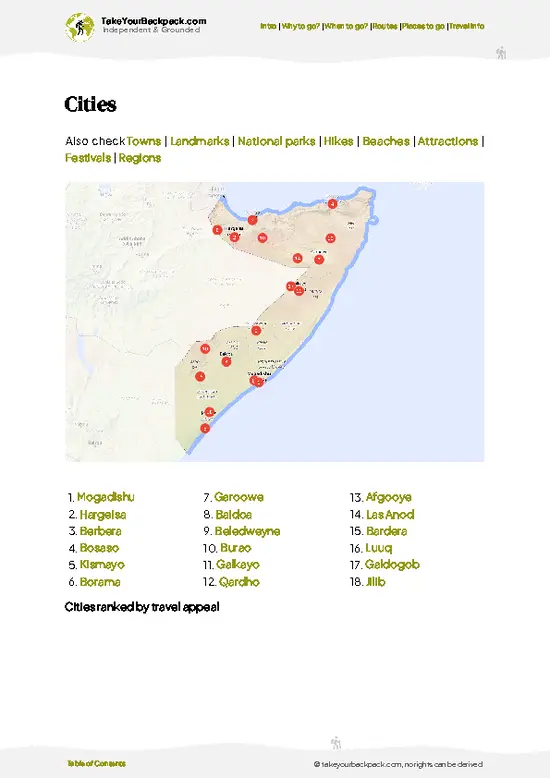
example page 2 from our offline Travel Guide for Somalia
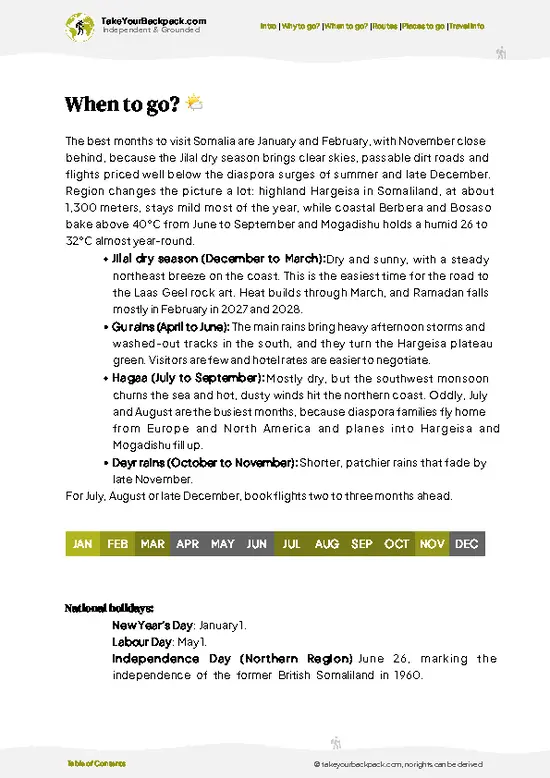
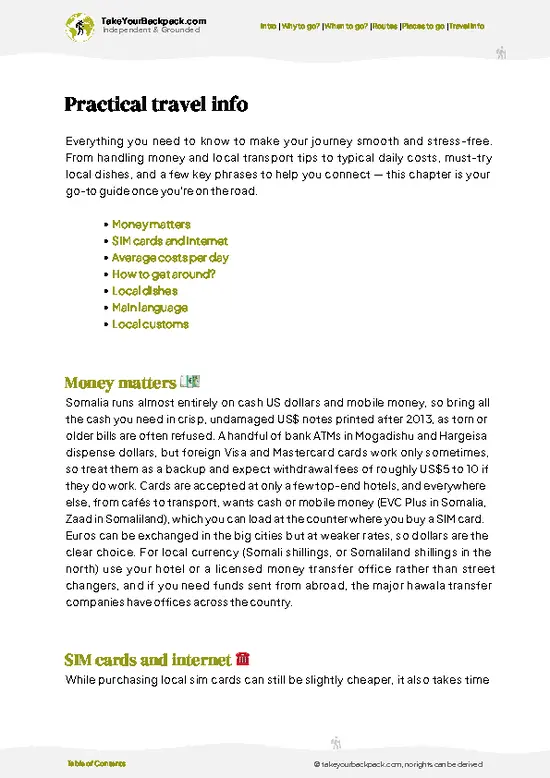
example page 3 from our offline Travel Guide for Somalia
example page 4 from our offline Travel Guide for Somalia
example page 5 from our offline Travel Guide for Somalia
example page 6 from our offline Travel Guide for Somalia
example page 7 from our offline Travel Guide for Somalia
Loading the map 🌍
CLICK TO FILTER
cities
towns
landmarks
national parks
hikes
beaches
attractions
festivals
regions
SHOW COUNTRY’S BESTSHOW ALL

✨ Why go?
Ranked #15 town in Somalia
Reasons people choose to visit here

El Wak is worth a stop only if you want to see a borderland that most itineraries skip. The town is a trading point for livestock and camel herders moving between Somalia, Kenya and Ethiopia, and the border market is where that economy is easiest to watch. Stays are short, usually a night or two, because lodging is basic and the social scene is thin. Expect conversations with traders and elders rather than other backpackers. It suits experienced, patient solo travelers who are comfortable with arrangements through local contacts, and who care more about the Somali-Kenyan frontier than about sights. First-timers should pick an easier stop.

💡 HighlightsEssential experiences to have while visiting El Wak

  1. El Wak border market: The town’s real center, where traders deal in livestock, sugar, cloth and tea. Go in the morning when animals arrive. Entry is free, and an hour or two is plenty.
  2. Livestock yards: Goats, sheep and camels are sold here, and watching the bargaining shows how the local economy works. Morning is best. Free to watch, about one hour.
  3. The traditional wells: Deep wells give the town its reason to exist, and herders water animals at them daily. Early morning is liveliest. Free, 30 to 45 minutes, and ask permission before photographing people.
  4. Tea stalls along the main road: Sweet spiced tea at a roadside stall is the easiest way to start a conversation with locals. A glass costs about US$0.30 to 1. Late afternoon is relaxed, and an hour passes quickly.
  5. The border crossing area: The
… read more 👉
  1. El Wak border market: The town’s real center, where traders deal in livestock, sugar, cloth and tea. Go in the morning when animals arrive. Entry is free, and an hour or two is plenty.
  2. Livestock yards: Goats, sheep and camels are sold here, and watching the bargaining shows how the local economy works. Morning is best. Free to watch, about one hour.
  3. The traditional wells: Deep wells give the town its reason to exist, and herders water animals at them daily. Early morning is liveliest. Free, 30 to 45 minutes, and ask permission before photographing people.
  4. Tea stalls along the main road: Sweet spiced tea at a roadside stall is the easiest way to start a conversation with locals. A glass costs about US$0.30 to 1. Late afternoon is relaxed, and an hour passes quickly.
  5. The border crossing area: The frontier lies about 4 km from town, and seeing how people and goods cross daily is revealing. Photography near officials is restricted, so keep cameras away unless told otherwise. Free, 30 minutes.
From El Wak, further stops such as Mandera town across the border and the Gedo district centers can be explored as day trips, subject to security conditions. The market and the livestock yards combine well in one morning.
Spotted a mistake or missing something? Contact us.

🏘️ NeighborhoodsHow different areas shape the experience

El Wak is small enough to cover on foot in under an hour, and it splits into a few areas on the Somalia side of a border town shared with Kenya. Skip hunting for sights, because there are none in the tourist sense. Spend your time on people and trade.
  • Main Market Area: The center of daily life and the one place worth your time. Stalls sell camel milk, goat meat, sugar, cloth and fuel. Tea stalls serve sweet spiced shaay, and small restaurants do rice and goat. Go in the morning, before the heat builds.
  • Border Crossing Zone: Busy with trucks, money changers and traders moving between Somalia and Kenya. It is useful for logistics, but lingering and photographing officials is a bad idea.
  • Residential Quarters: Low houses and compounds spread out from the center. Quiet, dusty, and not worth wandering
… read more 👉
El Wak is small enough to cover on foot in under an hour, and it splits into a few areas on the Somalia side of a border town shared with Kenya. Skip hunting for sights, because there are none in the tourist sense. Spend your time on people and trade.
  • Main Market Area: The center of daily life and the one place worth your time. Stalls sell camel milk, goat meat, sugar, cloth and fuel. Tea stalls serve sweet spiced shaay, and small restaurants do rice and goat. Go in the morning, before the heat builds.
  • Border Crossing Zone: Busy with trucks, money changers and traders moving between Somalia and Kenya. It is useful for logistics, but lingering and photographing officials is a bad idea.
  • Residential Quarters: Low houses and compounds spread out from the center. Quiet, dusty, and not worth wandering without a local host. There is no nightlife anywhere, and evenings are very quiet.

⌛️ 1 daySeeing the highlights in 24 hours

The day works best on foot, with a long pause in the midday heat and a local escort or host beside you. 7:00 AM: Tea stall on the main road Start with spiced tea and a snack, and ask your host about the day’s market. 8:00 AM: Livestock yards Walk over while animals are still arriving. Watch the bargaining from the edge. 10:00 AM: Border market Stroll the stalls for cloth, sugar and sandals, then buy water. 12:00 PM: Rest Shelter indoors during the worst heat and eat a simple meal of rice or goat. 3:30 PM: The traditional wells Less visited by outsiders, this is where herders water animals as the day cools, and it is the most authentic stop. 5:30 PM: Edge-of-town walk Finish with the open plains and the slow return of herds, then head back before dark.

🌤️ When to go?Best time to visit El Wak

  • Dry Season (December to March): Hot and dusty, with highs of 33 to 37°C (91 to 99°F) and cooler nights near 22°C (72°F). This is the easiest window for overland travel on dirt tracks.
  • Long Rains (April to June): Heavier showers turn roads to mud and can delay transport. Highs stay around 32 to 35°C (90 to 95°F). Prices for rides and fuel can rise.
  • Mid-Year Dry (July to September): Slightly cooler and windy, around 29 to 34°C (84 to 93°F), with clear skies.
  • Short Rains (October to November): Brief downpours and green scrub. Daylight stays close to 12 hours all year.
Arrive in the dry months and plan travel around local security conditions.

source: climatestotravel.comJANJanuary: excellent for travelingFEBFebruary: excellent for travelingMARMarch: good for travelingAPRApril: fair for travelingMAYMay: fair for travelingJUNJune: good for travelingJULJuly: good for travelingAUGAugust: good for travelingSEPSeptember: good for travelingOCTOctober: highly recommended for travelingNOVNovember: excellent for travelingDECDecember: excellent for traveling
when-to-go

✈️ The backpacker research shortcutSomalia Travel Guide

What the free pages can't give you: ready-made routes, every place ranked, and it works offline. All in 1 guide.
example page 0 from our offline Travel Guide for Somalia
example page 1 from our offline Travel Guide for Somalia
example page 2 from our offline Travel Guide for Somalia
example page 3 from our offline Travel Guide for Somalia
example page 4 from our offline Travel Guide for Somalia
example page 5 from our offline Travel Guide for Somalia
example page 6 from our offline Travel Guide for Somalia
example page 7 from our offline Travel Guide for Somalia
The digital guide (237 pages) contains:-page digital guide:
✅ Ready-made 5, 10 & 15-day routes
✅ All 68 places ranked, so you skip the overrated ones
✅ Works offline, all in 1 guide
✅ Cities, national parks, landmarks, beaches
✅ How to get around
👉 Click to see all 30+ guide features

📅 Plan smarter in minutes, not weeks
✅ Month by month travel advice
✅ Festivals & national holidays
✅ Budget expectations

🗺️ Go to the right places, skip the overrated ones
✅ Honest pros & cons of destinations
✅ Top hikes, parks & viewpoints
✅ Lesser-known places most travelers miss
✅ Clear “worth it vs skip it” guidance

🛏️ Travel smoothly without rookie mistakes
✅ Best areas to stay
✅ Transport systems explained simply
✅ Common scams & safety advice
✅ SIM cards, money & practical tips

🌍 Understand the country, not just visit it
✅ Culture & traditions
✅ 52 Essential phrases & customs
✅ Festivals worth planning around
✅ Traveler-friendly historical context
✅ Insights that make places more meaningful

📱 Built for real travel conditions
✅ Fully downloadable PDF
✅ Works completely offline
✅ Optimized for phone use
✅ Useful in remote areas & buses
✅ All in 1 guide
Stop searching, start planning
Get instant access to your full guide. 30‑day money-back guarantee.


By proceeding you agree to our terms.
Sent to your inbox immediately after payment • 100% Secure Checkout
Best Backpacking Travel Advisor 2025 tourism awardBest Backpacking
Travel Advisor
2025
What others say about Take Your Backpack Guides:
⭐⭐⭐⭐⭐
Fantastic, amazing amount of information!
⭐⭐⭐⭐⭐
My goodness this is amazing, it's what I've been looking for hats off too you!
⭐⭐⭐⭐⭐
I think this is absolutely BRILLIANT
⭐⭐⭐⭐
Very complete and informative. It's still missing places, but I gotta to commend you
⭐⭐⭐⭐⭐
This is truly amazing, thank you, can't wait to explore it with my kids!
⭐⭐⭐⭐⭐
Awesome resource, thank you!
⭐⭐⭐⭐⭐
This is amazing! Can't wait to explore the ones I haven't seen
⭐⭐⭐⭐
I love this! Well done, great idea.
⭐⭐⭐⭐⭐
Thanks for taking the time to make this gem!
⭐⭐⭐⭐⭐
This might be the best website I've ever seen.
⭐⭐⭐⭐⭐
Congratulations, and thank you so much for your work; it's incredibly valuable.
⭐⭐⭐⭐
In all seriousness I think you did a great job pointing out the important spots
⭐⭐⭐⭐⭐
10/10 very good
⭐⭐⭐⭐⭐
As someone who's only just starting to visit regularly this is awesome, thank you.
⭐⭐⭐⭐
Thank you very much! I'm going to visit my dad, it's going to be very useful!
⭐⭐⭐⭐⭐
This is really cool! We'll be travelling for the first time and this definitely come in handy.
⭐⭐⭐⭐⭐
You are now our minister of culture, congratulations 👨‍💼
⭐⭐⭐⭐⭐
Just wanted to tell you that this is a pearl! Going to follow your recommendations.
⭐⭐⭐⭐⭐
This is so cool. I'll definitely be using the resource for my travels soon.
⭐⭐⭐⭐⭐
This is very impressive! Good work.
⭐⭐⭐⭐⭐
This is an amazing and informative site. Very well done!

🛏️ Where to stay?Choosing the right base

The best area to sleep is near the main market, where the few basic guesthouses sit within a short walk of food, water and transport. Expect simple rooms for roughly US$8 to 25 a night, not dorms, as hostels do not exist here. The market zone has people about until evening, which helps when you arrive tired and need tea, a meal or a motorbike ride. Noise is moderate, mostly generators and early prayer calls. Away from the center, the residential quarters are quieter but dark and harder to find your way around at night, so they suit only those with a local host. Avoid sleeping right at the border … read more 👉
The best area to sleep is near the main market, where the few basic guesthouses sit within a short walk of food, water and transport. Expect simple rooms for roughly US$8 to 25 a night, not dorms, as hostels do not exist here. The market zone has people about until evening, which helps when you arrive tired and need tea, a meal or a motorbike ride. Noise is moderate, mostly generators and early prayer calls. Away from the center, the residential quarters are quieter but dark and harder to find your way around at night, so they suit only those with a local host. Avoid sleeping right at the border crossing, where truck traffic and checkpoints make the area tense and loud.

🚌 Getting aroundHow to get from A to B

El Wak is compact, and a motorbike taxi (bajaj or boda) costs about US$0.50 to 2 for a short hop, paid in cash, usually Somali or Kenyan shillings, though US dollars are often accepted for larger fares. Walking covers the whole center, but heat makes midday strolls miserable. Public transport is informal, and schedules do not exist. Vehicles leave when they fill.
  • Walking: Free and the best way to see the market and the border area. Go early and carry water.
  • Motorbike taxi: The fastest way across town and out to the edges. Agree the fare before you get on. Most run from morning until early evening.
  • Shared minibus or car: Used for longer trips toward Mandera or other Gedo towns. Expect US$5 to 20 depending on distance, with departures only when full, mostly in the morning. Roads are rough and slow.
… read more 👉
El Wak is compact, and a motorbike taxi (bajaj or boda) costs about US$0.50 to 2 for a short hop, paid in cash, usually Somali or Kenyan shillings, though US dollars are often accepted for larger fares. Walking covers the whole center, but heat makes midday strolls miserable. Public transport is informal, and schedules do not exist. Vehicles leave when they fill.
  • Walking: Free and the best way to see the market and the border area. Go early and carry water.
  • Motorbike taxi: The fastest way across town and out to the edges. Agree the fare before you get on. Most run from morning until early evening.
  • Shared minibus or car: Used for longer trips toward Mandera or other Gedo towns. Expect US$5 to 20 depending on distance, with departures only when full, mostly in the morning. Roads are rough and slow.
  • Hired car with driver: Costs US$50 to 150 a day, which is pricey but often the only sensible choice for onward trips. Use a driver from a trusted local contact, not a stranger at the border.
Skip any attempt at night travel. Distances are short, but tracks are poor and the risk is not worth the time saved.

👛 Costs (as of 2 November 2026)Money, prices, and spending tips

El Wak costs roughly US$33 to 72 a day for a backpacker, and the table below puts the total at US$62.
CategoryBudget RangeLocal Reality
Dorm accommodationUS$10 to 25No dorms exist, so a basic private room in a guesthouse is the norm.
MealsUS$6 to 12Rice, goat, flatbread and tea at simple local restaurants.
Local transportUS$2 to 10Motorbike taxis for short hops, paid in cash.
Basic activities/entry feesUS$0 to 5No entry fees, mostly market walks and guide tips.
Miscellaneous expensesUS$15 to 20Water, SIM data, small tips and security-related arrangements.
Total Daily BudgetUS$62High-season estimate for one person.
Bring small US dollar notes, since change is hard to find and paying close to exact amounts saves money.

source: gov.uk
⚠️ Prices can change and everyone travels differently, so take this as a rough guide. Hope it helps you plan your adventure!

🚌 Day tripsExploring the surroundings

El Wak works as a base for very little beyond its immediate surroundings, and security and poor roads limit what is realistic. Treat day trips as local arrangements made through a trusted contact.Kenyan El Wak: Just across the border, this sister town has a larger market and better supplies. It takes minutes by motorbike, costs under US$5 and fits any season, though crossing needs correct paperwork. The usual first-timer error is skipping the border formalities.
Mandera: A regional hub in northeastern Kenya with more shops, banks and transport links. It lies about 160 km to the northeast, a long drive on rough roads, about US$10 to 25 shared, and go in the dry months when tracks are firm. Leave early so you are back before dark.
Rural Grazing Areas: Camel herders and wells lie out on the scrub … read more 👉
El Wak works as a base for very little beyond its immediate surroundings, and security and poor roads limit what is realistic. Treat day trips as local arrangements made through a trusted contact.Kenyan El Wak: Just across the border, this sister town has a larger market and better supplies. It takes minutes by motorbike, costs under US$5 and fits any season, though crossing needs correct paperwork. The usual first-timer error is skipping the border formalities.
Mandera: A regional hub in northeastern Kenya with more shops, banks and transport links. It lies about 160 km to the northeast, a long drive on rough roads, about US$10 to 25 shared, and go in the dry months when tracks are firm. Leave early so you are back before dark.
Rural Grazing Areas: Camel herders and wells lie out on the scrub plains around town. With a local guide on a hired vehicle (US$30 to 80), a half-day visit shows pastoral life. Go after the rains when the land is green.

🛡️ SafetyTraveler Safety Guide

El Wak sits in a region where security can change quickly, so check current conditions with local contacts before you go. Stay in the center during the day, avoid the border zone after dark and do not photograph soldiers, checkpoints or officials. Solo travelers should arrange a trusted local host, as unaccompanied foreigners draw attention. Carry small cash and keep valuables out of sight. Money changers at the border can shortchange you, so count notes carefully. Dress modestly and travel only with a reliable driver.

FAQTraveler FAQ

El Wak is a frontier stop rather than a destination, and few travelers have a reason to stay beyond a night or two. It sits in Gedo region about 4 km from the Kenyan border, and what you see is a working market town with livestock trade, tea stalls and a busy border crossing. Security conditions in Gedo change, so anyone going should arrange local contacts and current advice first.
One to two days covers El Wak: a day for the market, the border-side streets and conversations over tea, plus a buffer day because onward movement depends on security and vehicle availability. Mandera town is about 160 km away, so the road leg is a full day's effort, not a quick hop. Add a spare day to your plans if you are crossing from Kenya, since delays at the border are common.
El Wak is not realistic as a day trip from a nearby city. Mandera town is about 160 km away, and the road is long and slow enough that a return trip in one day leaves almost no time on the ground. The Kenyan town of El Wak is only about 9 km away, so crossing for a few hours from there is the only short option, and it depends on border conditions and local arrangements.
⚠️ Things can change over time, so always validate details locally before you go.

Other Somali towns near El Wak

Explore more nearby:

  • Doolow—Dawa River, Ethiopian border trade, Gedo| 193 km away
  • Wajid—Bakool bush country, airstrip, livestock gathering| 272 km away
  • Afmadow—Camel and goat trade, inland Lower Juba, invitation-only access| 279 km away

💡 Not sure where to go next?
Create a personalized itinerary for Somalia including El Wak and the places that fit your trip.

Generate my itinerary

👉 Discover all towns

Or checkout all Somalia has to offer (think cities, towns, villages, national parks, hikes, beaches, festivals)
Country photo of Somalia

We 💚 feedbackWhat to keep in mind

El Wak suits seasoned, patient travelers who like borderlands and enjoy sitting through long tea conversations. If that is you, go with a trusted local host and bring water and small bills. If you want sights or a social scene, skip it.

✍️ Help improve this page!
The information on this page is based on in-depth research, insights shared by experienced travelers, and feedback from the local travel community in Somalia. While every effort is made to keep the information accurate and current, conditions can change — so if you spot anything incorrect or outdated, please get in touch.


🙋‍♂️ Give feedback

👋 Meet the founderWho’s Behind Take Your Backpack?

Johan, backpacker and founder of TakeYourBackpackHi, I’m Johan (Netherlands 🇳🇱), the creator of TakeYourBackpack. Over the past 30 years, I’ve backpacked through 88 countries across six continents, gaining extensive experience with independent travel, long-term trips, and overland routes.

This site is built on a combination of firsthand travel experience and carefully curated insights from other backpackers. Many guides are based on places I’ve personally visited, while others bring together tips, observations, and practical advice shared by trusted travelers I’ve met along the way.

The goal is to provide realistic, experience-driven guidance — not generic itineraries — so you can explore destinations with better context, clearer expectations, and more confidence.