
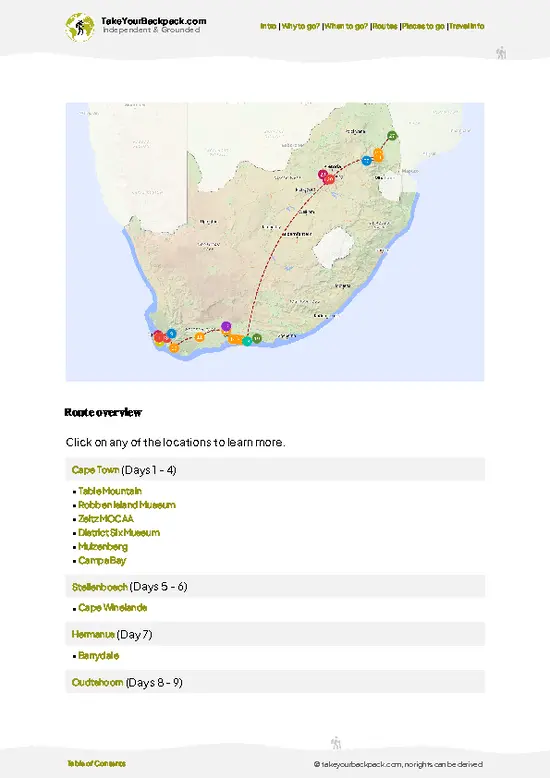
- The Two Entrance Gates: Your ticket is randomly labeled White or Non-White, and you enter through the matching door. For a few minutes you walk separately from your companions, and the point lands without a word of text.
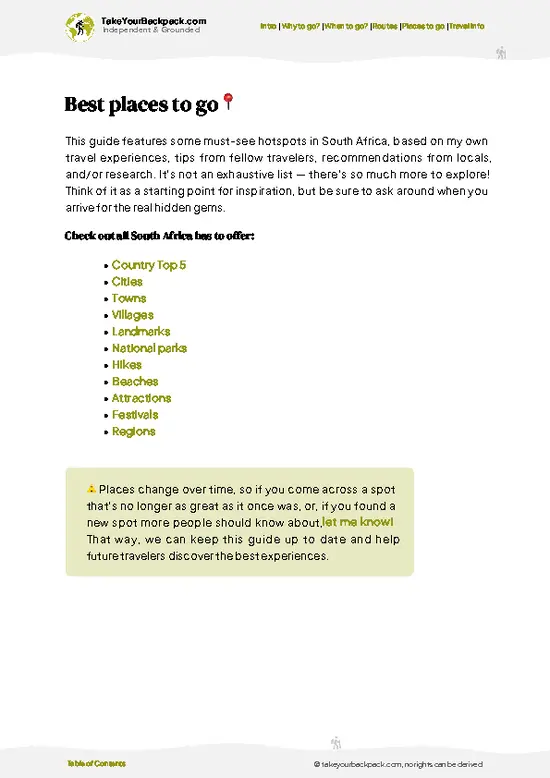
- The Pillars of the Constitution: Seven tall pillars stand in a courtyard near the exit, each carrying a founding value of the post-1994 constitution, such as equality, freedom and reconciliation. They give the heavy exhibits a place to settle.
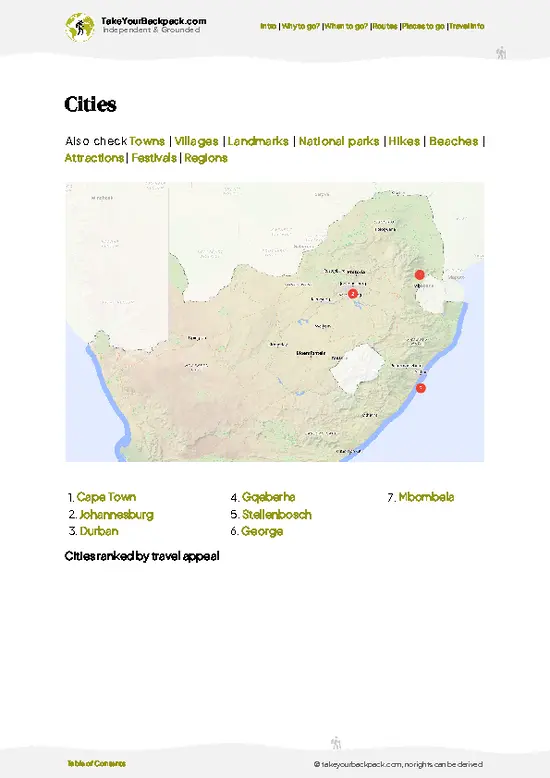
- The Mandela Exhibition: Photographs, letters and recordings trace his path from Johannesburg lawyer to prisoner to president. It is the museum's most personal gallery and holds the best objects.
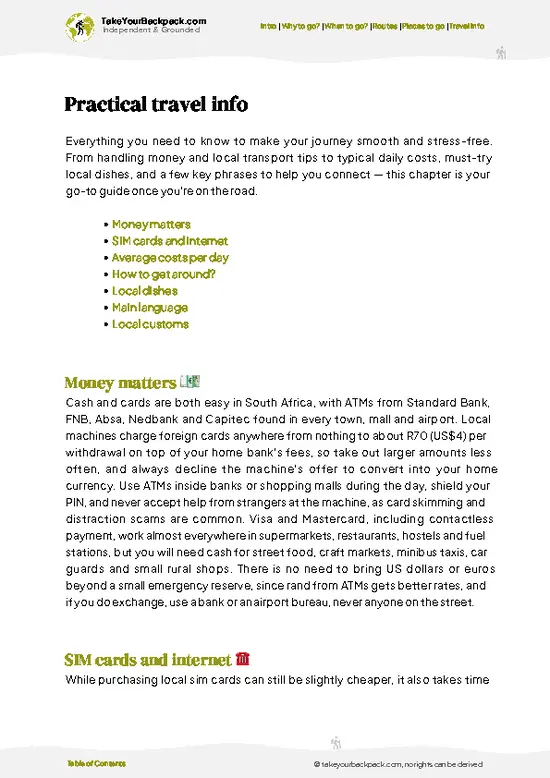
- The Political Executions Room: Dozens of nooses hang from the ceiling, one for each person executed for political offenses during the apartheid
- The Two Entrance Gates: Your ticket is randomly labeled White or Non-White, and you enter through the matching door. For a few minutes you walk separately from your companions, and the point lands without a word of text.
- The Pillars of the Constitution: Seven tall pillars stand in a courtyard near the exit, each carrying a founding value of the post-1994 constitution, such as equality, freedom and reconciliation. They give the heavy exhibits a place to settle.
- The Mandela Exhibition: Photographs, letters and recordings trace his path from Johannesburg lawyer to prisoner to president. It is the museum's most personal gallery and holds the best objects.
- The Political Executions Room: Dozens of nooses hang from the ceiling, one for each person executed for political offenses during the apartheid years. It is a short, silent space and one of the hardest in the building.
- The 1976 Soweto Uprising Gallery: Student protest photographs and film show the day schoolchildren marched against Afrikaans-language instruction. The images of Hector Pieterson are central here and explain a great deal about modern South African politics.
- The Pass Law and Race Classification Displays: Identity books, classification tests and documents show how people were sorted by hair, skin and ancestry. The bureaucratic detail is more chilling than the dramatic scenes.
- The Casspir Armored Vehicle and Police Footage: A real armored vehicle from the township conflict years sits among film of the 1980s unrest. It gives scale to what residents faced in the streets.
- Temporary Exhibition Galleries: Rotating shows, often on photography or individual figures from the struggle, change throughout the year. They are worth a look if you have energy left after the main route.
Spotted a mistake or missing something? Contact us.
Soweto /Johannesburg and Apartheid Museum Guided Full Day Tour

Half Guided Day Tour of Soweto And Apartheid Museum

Full-Day Soweto, Apartheid Museum and Lunch Tour

Ultimate Johannesburg Soweto Experience with Apartheid Museum

Johannesburg Full-Day Tour(Soweto/Jo-Burg & Apartheid Museum)

Best of Johannesburg: Hop-On Hop-Off Bus & Soweto Tour

Soweto and Johannesburg & Apartheid Museum

Private Soweto, Mandela House, Apartheid Musem, Constitutional

Soweto and Apartheid Museum Guided Tour


 Best Backpacking
 Hi, I’m Johan (Netherlands 🇳🇱), the creator of TakeYourBackpack. Over the past 3 decades, I’ve backpacked through 90+ countries across six continents, gaining extensive experience with independent travel, long-term trips, and overland routes.