×
Zeitz MOCAA

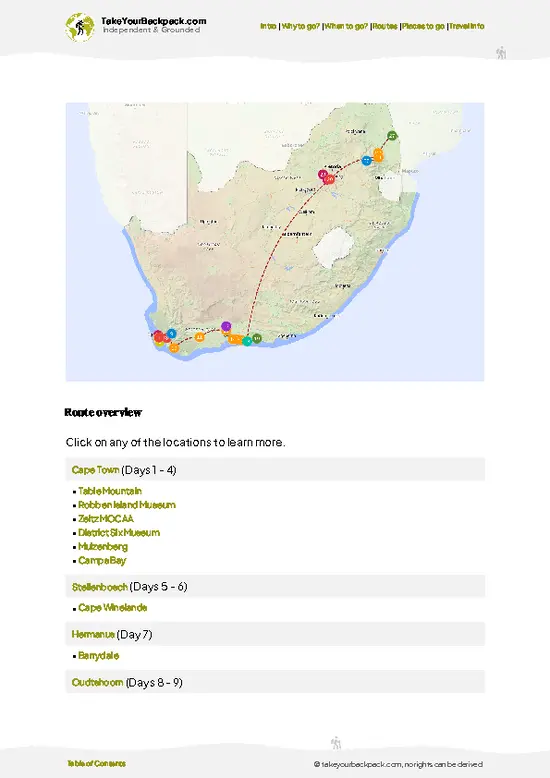
South Africa🇿🇦 | attractionsZeitz MOCAAconverted grain silo, contemporary African art, multi-level galleries | things to do and best time to go

Explore Two Oceans AquariumExplore Apartheid Museum

Backpacking in Zeitz MOCAA
👍 Recommendedattraction ranked #10
By Johan Kruseman 🇳🇱 | Updated September 3, 2026

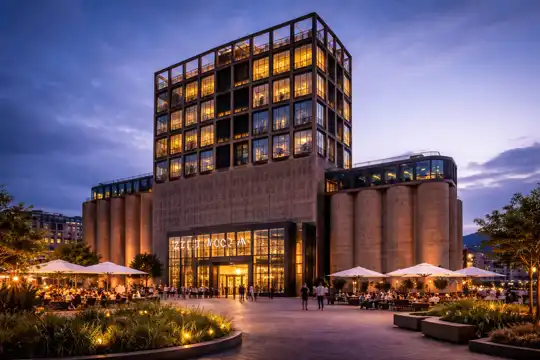
Everyone’s seen the Zeitz MOCAA on Instagram—the honeycomb windows, the sci-fi concrete atrium, the endless parade of influencers angling for that perfect shot. But here’s the truth: the architecture is just the bait. What actually matters is what’s inside—contemporary African art that punches way above its hype, sometimes raw, sometimes wild, always alive. Zeitz MOCAA sits in Cape Town’s V&A Waterfront, wedged between luxury malls and container ships, which means it’s easy to reach but you’ll pay for the privilege. Backpackers, brace yourself: this isn’t a cheap thrill, and the crowds can feel like a fashion week afterparty, especially on weekends. But if you want a jolt of what’s happening in Africa right now—politics, identity, joy, pain—this place delivers. It’s not Table Mountain or a safari, but it’s a gut-level reminder that South Africa’s story is still being written, and you’re invited to read it in real time.

Discover everything you want to know in the 📖 South Africa Travel Guide.
Loading the map 🌍
CLICK TO FILTER
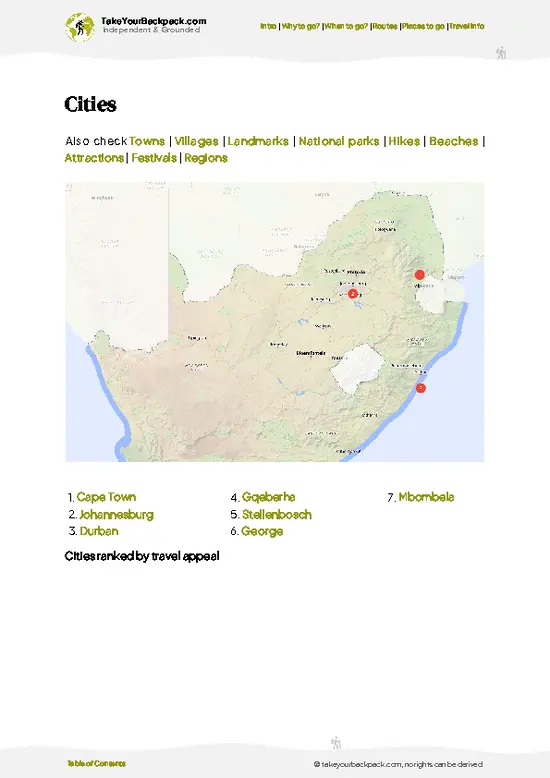
cities
towns
villages
landmarks
national parks
hikes
beaches
attractions
festivals
regions
SHOW COUNTRY’S BESTSHOW ALL

✨ Why go?
Ranked #10 attraction in South Africa
Why Zeitz MOCAA should be on your travel list

Zeitz MOCAA isn’t just another shiny museum crowding Cape Town’s waterfront—it’s a bold statement in a city that’s still wrestling with its past and carving out its future. Yes, it’s popular, and yes, you’ll find tourists snapping selfies in the atrium, but that’s only the surface. This place is the largest museum of contemporary African art in the world, housed in a repurposed grain silo that’s as much a feat of architecture as the art inside. The building itself tells a story of transformation—industrial grit turned into a cathedral of creativity.

Backpackers make time for Zeitz MOCAA because it’s a rare chance to see African artists not through the usual tourist lens but on their own terms, challenging stereotypes and opening new dialogues. The collection dives deep into themes of identity, … read more 👉
Zeitz MOCAA isn’t just another shiny museum crowding Cape Town’s waterfront—it’s a bold statement in a city that’s still wrestling with its past and carving out its future. Yes, it’s popular, and yes, you’ll find tourists snapping selfies in the atrium, but that’s only the surface. This place is the largest museum of contemporary African art in the world, housed in a repurposed grain silo that’s as much a feat of architecture as the art inside. The building itself tells a story of transformation—industrial grit turned into a cathedral of creativity.

Backpackers make time for Zeitz MOCAA because it’s a rare chance to see African artists not through the usual tourist lens but on their own terms, challenging stereotypes and opening new dialogues. The collection dives deep into themes of identity, history, and social change, making it a cultural milestone that’s both intellectually demanding and emotionally raw. It’s not a quick stop; it demands time and attention, but the payoff is huge—an adrenaline rush of insight and perspective that’s hard to find anywhere else on the continent. For anyone trekking through South Africa, skipping Zeitz MOCAA is like passing on a chapter of the country’s story you didn’t even know you needed.
Want to include Zeitz MOCAA in your South Africa route?
Create a personalized South Africa itinerary that includes Zeitz MOCAA and the places that fit your trip — based on your travel style, budget, and available time. Get your route in seconds.

Generate my trip

💡 HighlightsPlaces and moments you shouldn't skip

The Cathedral Atrium
Forget the Instagrammed spiral staircase for a second. The real jaw-dropper is the cathedral-like atrium carved from a century-old grain silo. This isn’t just architecture—it’s a feat of engineering and imagination. The concrete tubes soar overhead, sliced and polished to a shine, catching the Cape Town sunlight in a way that feels almost spiritual. You’ll see people craning their necks, speechless, and for once, it’s not just for a selfie. This space alone is worth the ticket price. It’s the kind of place that makes you realize: art isn’t just on the walls here—it’s in the bones of the building.


Gallery of Contemporary African Art
Here’s where the hype meets substance. Zeitz MOCAA isn’t just another pretty face in the museum world. It’s the largest museum of contemporary … read more 👉
The Cathedral Atrium
Forget the Instagrammed spiral staircase for a second. The real jaw-dropper is the cathedral-like atrium carved from a century-old grain silo. This isn’t just architecture—it’s a feat of engineering and imagination. The concrete tubes soar overhead, sliced and polished to a shine, catching the Cape Town sunlight in a way that feels almost spiritual. You’ll see people craning their necks, speechless, and for once, it’s not just for a selfie. This space alone is worth the ticket price. It’s the kind of place that makes you realize: art isn’t just on the walls here—it’s in the bones of the building.


Gallery of Contemporary African Art
Here’s where the hype meets substance. Zeitz MOCAA isn’t just another pretty face in the museum world. It’s the largest museum of contemporary African art on the continent, and the collection is unapologetically bold. You’ll find work that’s raw, political, and sometimes uncomfortable—pieces that challenge the sanitized version of Africa you get from travel brochures. If you want safe, stick to the postcards. If you want to see what’s actually happening in African art, this is the front line.


William Kentridge’s Installations
If you know contemporary art, you know Kentridge. His multimedia installations—think charcoal animation, sound, and sculpture—are a punch to the senses. Zeitz MOCAA often features his work, and it’s never background noise. His pieces are layered, witty, and sometimes unsettling. You’ll walk away with more questions than answers, which is exactly the point.


The Rooftop Sculpture Garden
Yes, you’ll see people posing with Table Mountain in the background. But the real reason to head up here is the open-air sculpture garden. The wind off the Atlantic, the clang of the city below, and a rotating cast of large-scale sculptures—this is where the museum breathes. It’s a rare place where you can contemplate art and the city at the same time, without feeling like you’re in a stuffy gallery.


Site-Specific Commissions
Zeitz MOCAA commissions artists to create works that respond directly to the building’s industrial past. These aren’t afterthoughts—they’re woven into the DNA of the museum. You’ll find installations that use the silo’s curves, echo its acoustics, or play with its shadows. It’s a reminder that this place isn’t just a container for art; it’s a collaborator.


Personal Favorite: The Grain Silo’s Original Machinery
This is the detail most people miss while chasing the next photo op. Scattered throughout the museum, you’ll spot remnants of the original grain elevators, chutes, and industrial hardware. They’re not roped off or hidden—they’re part of the experience. For me, these relics are the soul of Zeitz MOCAA. They ground all the high-concept art in something real and gritty. It’s a museum that remembers where it came from, and that’s rare.
Spotted a mistake or missing something? Contact us.

Things to do around Zeitz MOCAA

Ratings based on Tripadvisor reviews. When you book through this link, you support our work at no extra cost to you.

🌤️ When to go?Weather, crowds, and seasonal trade-offs


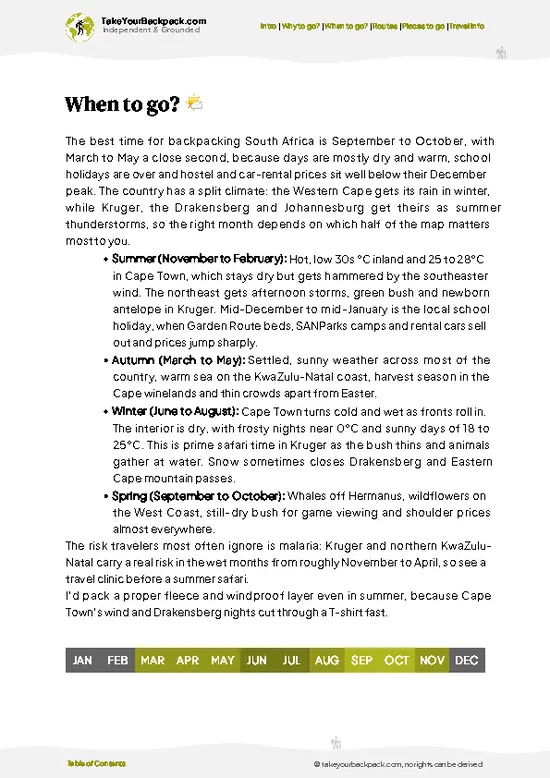
  • Weather: Cape Town’s Mediterranean climate means dry, warm summers from November to March, with temperatures hitting 25-30°C (77-86°F). Winters, June to August, bring cooler, wetter days around 12-18°C (54-64°F). Rain can dampen your museum visit, so lean towards the dry months.

  • Temperature: If you hate sweating in museums, avoid the peak summer heat in December and January. Early spring (September-October) and late autumn (April-May) offer mild, comfortable temps around 18-22°C (64-72°F), perfect for combining indoor art with outdoor exploration.

  • Daylight Hours: Summer days stretch long, with up to 14 hours of light, giving you plenty of time to soak in the museum and nearby sights. Winter cuts daylight to about 10 hours, so plan your visit earlier in the day to avoid rushing.

  • Crowds:
read more 👉

  • Weather: Cape Town’s Mediterranean climate means dry, warm summers from November to March, with temperatures hitting 25-30°C (77-86°F). Winters, June to August, bring cooler, wetter days around 12-18°C (54-64°F). Rain can dampen your museum visit, so lean towards the dry months.

  • Temperature: If you hate sweating in museums, avoid the peak summer heat in December and January. Early spring (September-October) and late autumn (April-May) offer mild, comfortable temps around 18-22°C (64-72°F), perfect for combining indoor art with outdoor exploration.

  • Daylight Hours: Summer days stretch long, with up to 14 hours of light, giving you plenty of time to soak in the museum and nearby sights. Winter cuts daylight to about 10 hours, so plan your visit earlier in the day to avoid rushing.

  • Crowds: December through February is tourist high season, meaning Zeitz MOCAA can get packed, especially weekends. Visiting midweek in shoulder seasons (March-May or September-November) means fewer people and a more intimate experience.

  • Seasonal Activities: The museum hosts special exhibitions and events year-round, but the summer months often feature outdoor installations and festivals nearby. If you want the full cultural immersion, time your visit with these but brace for crowds.

  • Price Fluctuations: Entry fees remain stable, but accommodation and flights spike in summer. Backpackers on a budget will find better deals in the shoulder seasons, balancing weather and cost without sacrificing the vibe.


Pro-tip: Aim for late spring (October-November) or early autumn (March-April) to dodge the crush, enjoy mild weather, and catch fresh exhibitions without blowing your budget.


source: climatestotravel.comJANJanuary: good for travelingFEBFebruary: good for travelingMARMarch: highly recommended for travelingAPRApril: excellent for travelingMAYMay: highly recommended for travelingJUNJune: fair for travelingJULJuly: fair for travelingAUGAugust: fair for travelingSEPSeptember: highly recommended for travelingOCTOctober: excellent for travelingNOVNovember: highly recommended for travelingDECDecember: good for traveling
South Africa - Zeitz MOCAA

✈️ The backpacker research shortcutSouth Africa Travel Guide

An offline-friendly backpacking guide with optimized travel routes, ranked highlights, transport advice, and the best areas to stay.
example page 0 from our offline Travel Guide for South Africa
example page 1 from our offline Travel Guide for South Africa
example page 2 from our offline Travel Guide for South Africa
example page 3 from our offline Travel Guide for South Africa
example page 4 from our offline Travel Guide for South Africa
example page 5 from our offline Travel Guide for South Africa
example page 6 from our offline Travel Guide for South Africa
example page 7 from our offline Travel Guide for South Africa
The digital guide (453 pages) contains:
129 highlights, ranked by travel appeal
Optimized 7, 14 & 21-day travel routes
Cities, national parks, landmarks, beaches
How to get around
Offline-friendly for travel without Wi-Fi
👉 Click to see all 30+ guide features

📅 Plan smarter in minutes, not weeks
Month by month travel advice
Festivals & national holidays
Budget expectations

🗺️ Go to the right places, skip the overrated ones
Honest pros & cons of destinations
Top hikes, parks & viewpoints
Lesser-known places most travelers miss
Clear “worth it vs skip it” guidance

🛏️ Travel smoothly without rookie mistakes
Best areas to stay
Transport systems explained simply
Common scams & safety advice
SIM cards, money & practical tips

🌍 Understand the country, not just visit it
Culture & traditions
Local customs
Festivals worth planning around
Traveler-friendly historical context
Insights that make places more meaningful

📱 Built for real travel conditions
Fully downloadable PDF
Works completely offline
Optimized for phone use
Useful in remote areas & buses
Everything in one place
Save weeks of stressful planning
Get instant access to your full guide. 30‑day money-back guarantee.
+ Add another guide for just US$7.80

By proceeding you agree to our terms.
Sent to your inbox immediately after payment • 100% Secure Checkout
Best Backpacking Travel Advisor 2025 tourism awardBest Backpacking
Travel Advisor
2025
What others say about Take Your Backpack Guides:
⭐⭐⭐⭐⭐
Fantastic, amazing amount of information!
⭐⭐⭐⭐⭐
My goodness this is amazing, it's what I've been looking for hats off too you!
⭐⭐⭐⭐⭐
I think this is absolutely BRILLIANT
⭐⭐⭐⭐
Very complete and informative. It's still missing places, but I gotta to commend you
⭐⭐⭐⭐⭐
This is truly amazing, thank you, can't wait to explore it with my kids!
⭐⭐⭐⭐⭐
Awesome resource, thank you!
⭐⭐⭐⭐⭐
This is amazing! Can't wait to explore the ones I haven't seen
⭐⭐⭐⭐
I love this! Well done, great idea.
⭐⭐⭐⭐⭐
Thanks for taking the time to make this gem!
⭐⭐⭐⭐⭐
This might be the best website I've ever seen.
⭐⭐⭐⭐⭐
Congratulations, and thank you so much for your work; it's incredibly valuable.
⭐⭐⭐⭐
In all seriousness I think you did a great job pointing out the important spots
⭐⭐⭐⭐⭐
10/10 very good
⭐⭐⭐⭐⭐
As someone who's only just starting to visit regularly this is awesome, thank you.
⭐⭐⭐⭐
Thank you very much! I'm going to visit my dad, it's going to be very useful!
⭐⭐⭐⭐⭐
This is really cool! We'll be travelling for the first time and this definitely come in handy.
⭐⭐⭐⭐⭐
You are now our minister of culture, congratulations 👨‍💼
⭐⭐⭐⭐⭐
Just wanted to tell you that this is a pearl! Going to follow your recommendations.
⭐⭐⭐⭐⭐
This is so cool. I'll definitely be using the resource for my travels soon.
⭐⭐⭐⭐⭐
This is very impressive! Good work.
⭐⭐⭐⭐⭐
This is an amazing and informative site. Very well done!

🛏️ Where to stay?Where staying makes the most sense

If you’re heading to Zeitz MOCAA, the first thing to know is that the area around the V&A Waterfront is not your typical backpacker’s playground. It’s polished, tourist-heavy, and yes, it can be pricey. Expect crowds, especially on weekends and during cruise ship season. The Waterfront is safe and convenient, but it’s also where you’ll find the polished, commercial side of Cape Town—great for a quick visit, but not where you’ll soak up the city’s real pulse.

For backpackers craving something more authentic, the nearby neighborhoods of De Waterkant and Green Point are where you want to be. De … read more 👉
If you’re heading to Zeitz MOCAA, the first thing to know is that the area around the V&A Waterfront is not your typical backpacker’s playground. It’s polished, tourist-heavy, and yes, it can be pricey. Expect crowds, especially on weekends and during cruise ship season. The Waterfront is safe and convenient, but it’s also where you’ll find the polished, commercial side of Cape Town—great for a quick visit, but not where you’ll soak up the city’s real pulse.

For backpackers craving something more authentic, the nearby neighborhoods of De Waterkant and Green Point are where you want to be. De Waterkant is a compact, colorful pocket with a lively vibe, packed with cafés, bars, and a mix of locals and travelers. It’s walkable to Zeitz MOCAA and offers a safer, more social scene without the Waterfront’s tourist trap feel. Green Point, just a bit further out, blends residential calm with nightlife and easy access to the city’s main attractions. Both areas have a solid backpacker presence, so you’ll find fellow travelers without the crowds overwhelming the streets.

These neighborhoods strike the right balance: close enough to the museum to make early visits painless, but far enough to avoid the polished tourist bubble. You’ll get safety, social buzz, and a real slice of Cape Town life—all crucial for a backpacker who wants more than just a postcard view.

👛 Costs (as of 3 September 2026)Typical daily expenses

The entrance fee for Zeitz MOCAA typically ranges from USD10 to USD15. Additional costs may include guided tours or special exhibitions, which can vary but generally add a few dollars to the base ticket price.

source: zeitzmocaa.museum
⚠️ Prices can change and everyone travels differently, so take this as a rough guide. Hope it helps you plan your adventure!

FAQCommon questions from travelers

2 to 3 hours is sufficient to visit Zeitz MOCAA and explore its contemporary African art collections thoroughly. Allocate extra time if you want to attend special exhibitions or events. The museum is large, with multiple floors and diverse installations.
Yes, Zeitz MOCAA is worth the entrance fee, which is around 190 ZAR for adults. It offers a unique cultural experience with one of the largest collections of contemporary African art in the world. The building itself, a converted grain silo, is an architectural highlight.
Zeitz MOCAA is located in the V&A Waterfront in Cape Town. You can get there by taxi, rideshare, or public transport from the city center, which is about 3 kilometers away. Walking is also an option if you are staying nearby, as the area is pedestrian-friendly.
⚠️ Things can change over time, so always validate details locally before you go.

Other South African attractions near Zeitz MOCAA

Explore more nearby:


💡 Not sure where to go next?
Create a personalized itinerary for South Africa including Zeitz MOCAA and the places that fit your trip.

Generate my itinerary

👉 Discover all attractions

Or checkout all South Africa has to offer (think cities, towns, villages, national parks, hikes, beaches, festivals)
Country photo of South Africa

We 💚 feedbackKey takeaways before you go

Zeitz MOCAA isn’t your typical museum—it’s a bold, sprawling statement of African contemporary art housed in a repurposed grain silo that’s as much a part of the experience as the exhibits. But heads-up: it can get packed, especially on weekends, which dulls the quiet reflection you might crave. Still, if you want to see African creativity unleashed on a massive scale, this place delivers in a way no postcard can capture.

✈️ When did I visit South Africa?
I have visited South Africa, before and after my Zimbabwe trip in 2001.

✍️ Help improve this page!
The information on this page is based on my own backpacking experience in South Africa, supplemented with up-to-date research and feedback from other travelers. Travel details can change, so if you notice anything outdated or incomplete, feel free to let me know.


🙋‍♂️ Give feedback

👋 Meet the founderWho’s Behind Take Your Backpack?

Johan, backpacker and founder of TakeYourBackpackHi, I’m Johan (Netherlands 🇳🇱), the creator of TakeYourBackpack. Over the past decade, I’ve backpacked through 80+ countries across six continents, gaining extensive experience with independent travel, long-term trips, and overland routes.

This site is built on a combination of firsthand travel experience and carefully curated insights from other backpackers. Many guides are based on places I’ve personally visited, while others bring together tips, observations, and practical advice shared by trusted travelers I’ve met along the way.

The goal is to provide realistic, experience-driven guidance — not generic itineraries — so you can explore destinations with better context, clearer expectations, and more confidence.

Get full country guide •
Instant download • 129 highlights • Full Offline guide