
The Predator Exhibit
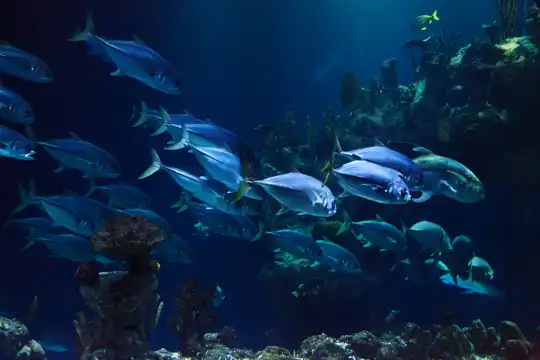
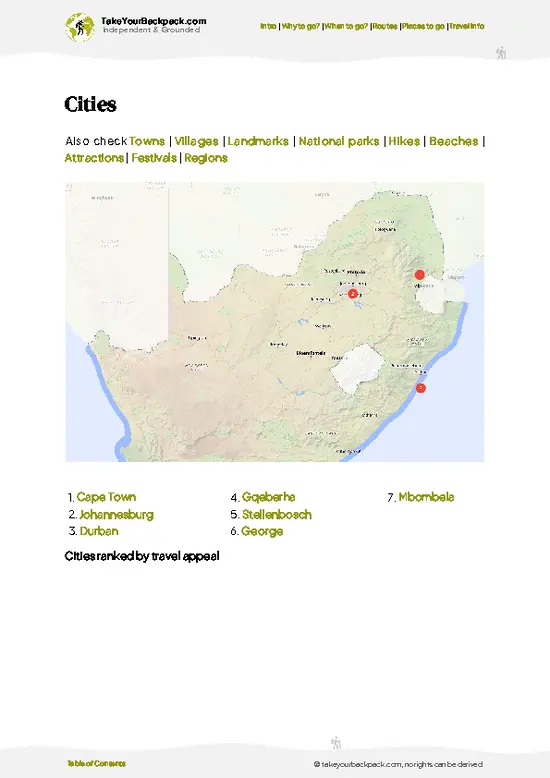
Forget the glassy-eyed sharks you’ve seen in a thousand filtered photos. This tank is a living, swirling arena—ragged-tooth sharks, massive rays, and the kind of fish that look like they bench-press coral reefs. The viewing tunnel puts you right in the thick of it, and if you time it for feeding hour, you’ll see the pecking order play out in real time. It’s less “Finding Nemo,” more “Game of Thrones: Ocean Edition.” No gimmicks, just raw, aquatic power. If you want to feel small in the best way, stand here for ten minutes.
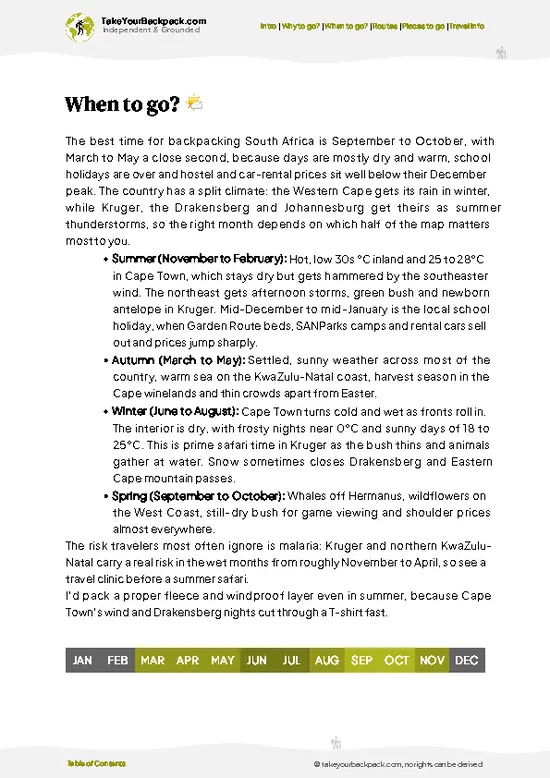
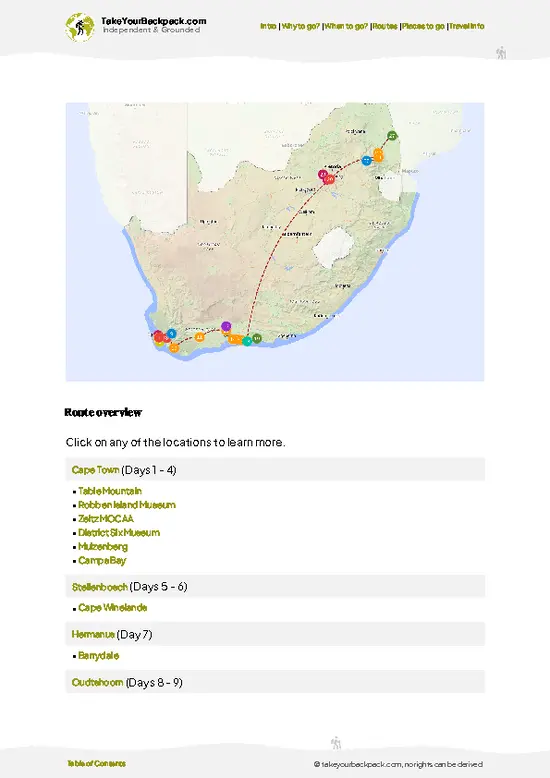
The Touch Pool
This is not a sanitized, hands-off museum. The Touch Pool is where you get your hands salty—literally. Starfish, sea anemones, and shy little hermit crabs are all fair game. It’s a rare chance to actually feel the textures of the ocean, … read more 👉
Forget the glassy-eyed sharks you’ve seen in a thousand filtered photos. This tank is a living, swirling arena—ragged-tooth sharks, massive rays, and the kind of fish that look like they bench-press coral reefs. The viewing tunnel puts you right in the thick of it, and if you time it for feeding hour, you’ll see the pecking order play out in real time. It’s less “Finding Nemo,” more “Game of Thrones: Ocean Edition.” No gimmicks, just raw, aquatic power. If you want to feel small in the best way, stand here for ten minutes.
The Touch Pool
This is not a sanitized, hands-off museum. The Touch Pool is where you get your hands salty—literally. Starfish, sea anemones, and shy little hermit crabs are all fair game. It’s a rare chance to actually feel the textures of the ocean, … read more 👉
The Predator Exhibit
Forget the glassy-eyed sharks you’ve seen in a thousand filtered photos. This tank is a living, swirling arena—ragged-tooth sharks, massive rays, and the kind of fish that look like they bench-press coral reefs. The viewing tunnel puts you right in the thick of it, and if you time it for feeding hour, you’ll see the pecking order play out in real time. It’s less “Finding Nemo,” more “Game of Thrones: Ocean Edition.” No gimmicks, just raw, aquatic power. If you want to feel small in the best way, stand here for ten minutes.
The Touch Pool
This is not a sanitized, hands-off museum. The Touch Pool is where you get your hands salty—literally. Starfish, sea anemones, and shy little hermit crabs are all fair game. It’s a rare chance to actually feel the textures of the ocean, not just stare at them through glass. Kids love it, but adults drop their guard here too. It’s the anti-Instagram moment: no filters, just you and the weird, wonderful world of tide pools.
The I&J Ocean Exhibit
This is the showstopper: a 1.6-million-liter tank that’s basically the aquatic version of a stadium concert. Ragged-tooth sharks, turtles, and schools of fish that move like a single, living tapestry (and yes, I’m breaking my own anti-fluff rule here, because it’s earned). The scale is wild—stand in front of the curved glass and you’ll feel like you’re scuba diving without the cold wetsuit. If you’re lucky, you’ll catch a diver feeding the fish, which is as close as you’ll get to being inside a David Attenborough documentary without the airfare.
The Kelp Forest Exhibit
Personal favorite. This is where the Two Oceans Aquarium stops being just another fish tank and becomes something genuinely South African. Giant kelp sways in the current, sunlight filters down in golden shafts, and local fish dart through the fronds. It’s hypnotic. Nowhere else in the world does kelp look this cinematic. Stand here long enough and you’ll forget you’re in a city. It’s the closest you’ll get to diving the Cape’s wild coastline without getting wet.
The Penguin Exhibit
No, it’s not a penguin petting zoo. These are rescued and rehabilitated birds, and you’ll see them up close—waddling, swimming, and occasionally giving you the side-eye. The real magic is watching their personalities come out: some are show-offs, some are grumpy old men in tuxedos. It’s a reminder that conservation isn’t just a buzzword here; it’s woven into the experience.
The Microscope Zone
If you think plankton is boring, you haven’t seen it magnified to the size of a monster movie villain. The Microscope Zone lets you peer into the hidden world of the ocean’s smallest residents. It’s hands-on, interactive, and a sharp reminder that the ocean’s real drama happens at every scale—not just with the headline-grabbing sharks.
Forget the glassy-eyed sharks you’ve seen in a thousand filtered photos. This tank is a living, swirling arena—ragged-tooth sharks, massive rays, and the kind of fish that look like they bench-press coral reefs. The viewing tunnel puts you right in the thick of it, and if you time it for feeding hour, you’ll see the pecking order play out in real time. It’s less “Finding Nemo,” more “Game of Thrones: Ocean Edition.” No gimmicks, just raw, aquatic power. If you want to feel small in the best way, stand here for ten minutes.
The Touch Pool
This is not a sanitized, hands-off museum. The Touch Pool is where you get your hands salty—literally. Starfish, sea anemones, and shy little hermit crabs are all fair game. It’s a rare chance to actually feel the textures of the ocean, not just stare at them through glass. Kids love it, but adults drop their guard here too. It’s the anti-Instagram moment: no filters, just you and the weird, wonderful world of tide pools.
The I&J Ocean Exhibit
This is the showstopper: a 1.6-million-liter tank that’s basically the aquatic version of a stadium concert. Ragged-tooth sharks, turtles, and schools of fish that move like a single, living tapestry (and yes, I’m breaking my own anti-fluff rule here, because it’s earned). The scale is wild—stand in front of the curved glass and you’ll feel like you’re scuba diving without the cold wetsuit. If you’re lucky, you’ll catch a diver feeding the fish, which is as close as you’ll get to being inside a David Attenborough documentary without the airfare.
The Kelp Forest Exhibit
Personal favorite. This is where the Two Oceans Aquarium stops being just another fish tank and becomes something genuinely South African. Giant kelp sways in the current, sunlight filters down in golden shafts, and local fish dart through the fronds. It’s hypnotic. Nowhere else in the world does kelp look this cinematic. Stand here long enough and you’ll forget you’re in a city. It’s the closest you’ll get to diving the Cape’s wild coastline without getting wet.
The Penguin Exhibit
No, it’s not a penguin petting zoo. These are rescued and rehabilitated birds, and you’ll see them up close—waddling, swimming, and occasionally giving you the side-eye. The real magic is watching their personalities come out: some are show-offs, some are grumpy old men in tuxedos. It’s a reminder that conservation isn’t just a buzzword here; it’s woven into the experience.
The Microscope Zone
If you think plankton is boring, you haven’t seen it magnified to the size of a monster movie villain. The Microscope Zone lets you peer into the hidden world of the ocean’s smallest residents. It’s hands-on, interactive, and a sharp reminder that the ocean’s real drama happens at every scale—not just with the headline-grabbing sharks.
Spotted a mistake or missing something? Contact us.
v2.webp)


Best Backpacking
Hi, I’m Johan (Netherlands 🇳🇱), the creator of TakeYourBackpack. Over the past decade, I’ve backpacked through 80+ countries across six continents, gaining extensive experience with independent travel, long-term trips, and overland routes.