×

South Korea🇰🇷 | landmarksHwaseong FortressStone ramparts, watchtowers, defensive gates | things to do and best time to go

Explore Haeinsa TempleExplore Seongsan Ilchulbong

Backpacking in Hwaseong Fortress
UNESCO World Heritage site
🌟 Highlightunique site ranked #4
By Johan Kruseman 🇳🇱 | Updated October 15, 2026

Everyone shows up at Hwaseong Fortress for that one perfect wall-walk photo at sunset, but the real reason it’s worth your time is how it drops you into everyday Korean life wrapped around serious history. Sitting in Suwon, just south of Seoul on the metro line, Hwaseong is a walled city circuit that feels half open-air museum, half neighborhood park. As a backpacker, you get big payoff for low effort: cheap entry, easy access, huge views, and a crash course in late-Joseon politics and military design. The downside: sections can feel over-manicured, weekend crowds are real, and if you’ve done massive walls in China, the wow-factor is more “quietly impressive” than “jaw on the floor.” But walk the ramparts at dusk, watch locals exercising and kids playing under the gates, and it stops being a postcard and starts feeling human.

Discover everything you want to know in the 📖 South Korea Travel Guide.


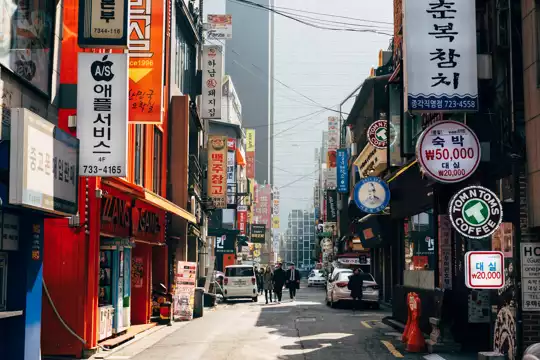
example page 0 from our offline Travel Guide for South Korea
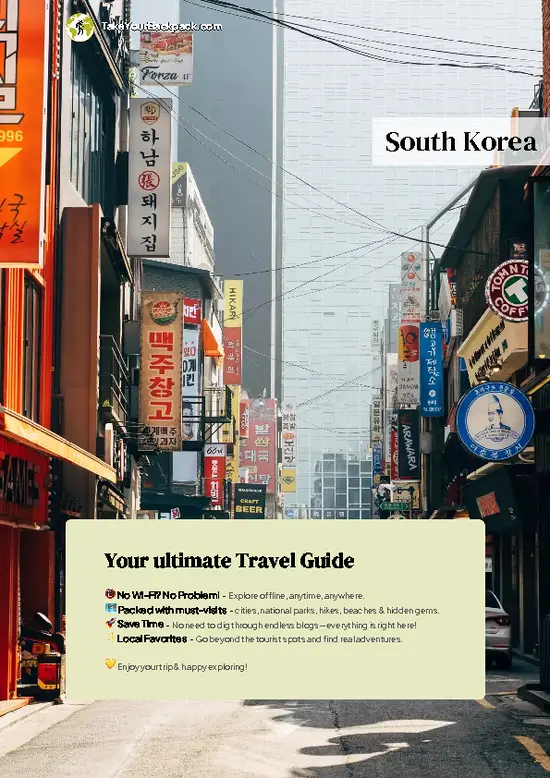
example page 1 from our offline Travel Guide for South Korea
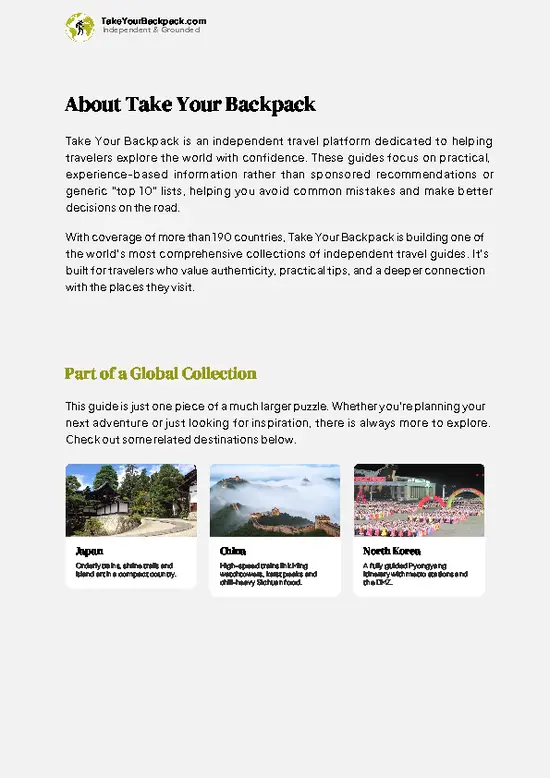
example page 2 from our offline Travel Guide for South Korea
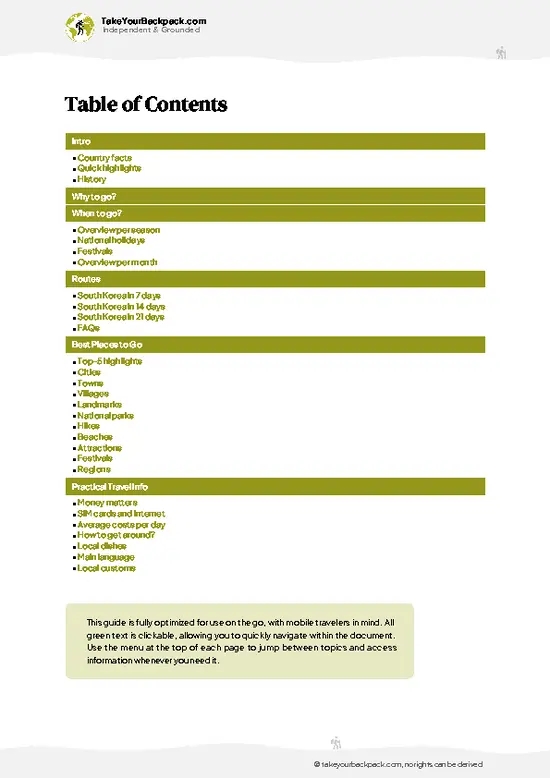
example page 3 from our offline Travel Guide for South Korea
example page 4 from our offline Travel Guide for South Korea
example page 5 from our offline Travel Guide for South Korea
example page 6 from our offline Travel Guide for South Korea
example page 7 from our offline Travel Guide for South Korea
Loading the map 🌍
CLICK TO FILTER
cities
towns
villages
landmarks
national parks
hikes
beaches
attractions
festivals
regions
SHOW COUNTRY’S BESTSHOW ALL

✨ Why go?
Ranked #4 unique site in South Korea
What sets this place apart

Hwaseong Fortress isn’t just another historical site; it’s a living testament to Korea’s architectural ingenuity. Built in the late 18th century, this fortress is a blend of beauty and strategy, showcasing unique features like its stone walls and wooden watchtowers. Sure, it can get crowded, especially on weekends, but that’s part of the experience. You’re walking through history, surrounded by locals and fellow travelers, all soaking in the same vibe.

The cost? Minimal. Entry is cheap, and you can easily spend a day wandering the expansive grounds without breaking the bank. Plus, it fits seamlessly into a broader route. If you’re exploring Suwon, it’s a natural stop, and you can pair it with local eats—think Suwon galbi—to fuel your adventure.

What makes Hwaseong truly stand out is its … read more 👉
Hwaseong Fortress isn’t just another historical site; it’s a living testament to Korea’s architectural ingenuity. Built in the late 18th century, this fortress is a blend of beauty and strategy, showcasing unique features like its stone walls and wooden watchtowers. Sure, it can get crowded, especially on weekends, but that’s part of the experience. You’re walking through history, surrounded by locals and fellow travelers, all soaking in the same vibe.

The cost? Minimal. Entry is cheap, and you can easily spend a day wandering the expansive grounds without breaking the bank. Plus, it fits seamlessly into a broader route. If you’re exploring Suwon, it’s a natural stop, and you can pair it with local eats—think Suwon galbi—to fuel your adventure.

What makes Hwaseong truly stand out is its authenticity. Unlike some overhyped tourist traps, this place feels real. You’re not just ticking off a box; you’re engaging with a piece of Korea’s soul. So, lace up your boots and dive into this slice of history—it’s worth every step.

💡 HighlightsDon't-miss highlights and experiences

  • Janganmun (North Gate) — the fortress’s grand main gate: huge wooden doors, sturdy stone base and ornate topwork. Climb the ramparts near here for one of the best panoramic views over Suwon and a real sense of the place’s scale.
  • Paldalmun (South Gate) and the market — the fortress meeting everyday life. Paldalmun opens onto a bustling market and streets, showing how defensive architecture was woven into city life rather than isolated from it.
  • Hwaseong Haenggung (temporary palace) — where King Jeongjo stayed during visits; the reconstructed palace complex brings royal logistics to life with restored halls, gardens and periodic cultural performances. Great spot for photos and a quieter, more intimate look at court life.
  • The walls, bastions and watchtowers — walkable curtain walls punctuated
… read more 👉
  • Janganmun (North Gate) — the fortress’s grand main gate: huge wooden doors, sturdy stone base and ornate topwork. Climb the ramparts near here for one of the best panoramic views over Suwon and a real sense of the place’s scale.
  • Paldalmun (South Gate) and the market — the fortress meeting everyday life. Paldalmun opens onto a bustling market and streets, showing how defensive architecture was woven into city life rather than isolated from it.
  • Hwaseong Haenggung (temporary palace) — where King Jeongjo stayed during visits; the reconstructed palace complex brings royal logistics to life with restored halls, gardens and periodic cultural performances. Great spot for photos and a quieter, more intimate look at court life.
  • The walls, bastions and watchtowers — walkable curtain walls punctuated by angled bastions and observation posts that mix traditional Korean fort design with newer defensive ideas. The variety of embrasures, stairways and lookout points makes exploring physically fun and visually interesting.
  • Dasan Jeong Yak-yong’s engineering — Hwaseong is special because a genius civil official, Jeong Yak-yong (Dasan), applied innovative construction methods and mechanical devices during the build. It’s an early example of planned, scientific engineering in Korean architecture.
  • Scenic walks, sunsets and night illumination — the circuit along the walls offers changing light and city views, great at sunset or after dark when the walls and gates are lit. Bring comfortable shoes; some sections are steep but worth the vistas.
  • Cultural programs, museums and hands-on experiences — inside and around the fortress you’ll find the Suwon Hwaseong Museum, reenactments, traditional craft demos and archery/interactive activities. If you’re on a budget, pick one demo or the museum and soak it in—small cost, big context.
Spotted a mistake or missing something? Contact us.

Things to do around Hwaseong Fortress

Ratings based on Tripadvisor reviews. When you book through this link, you support our work at no extra cost to you.

🌤️ When to go?When to go for the best experience

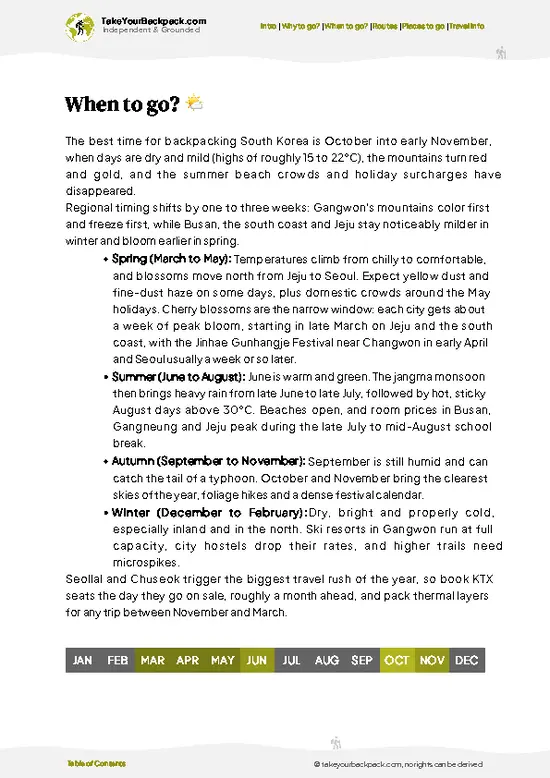
  • Weather: Spring (April to June) and autumn (September to November) offer the best weather for Hwaseong Fortress. Temperatures hover between 15-25°C (59-77°F), avoiding the brutal summer heat and the freezing cold of winter.
  • Temperature: Summer can spike above 30°C (86°F), making long walks exhausting, while winter dips below freezing, often with biting winds that sap the joy out of exploring the fortress walls.
  • Daylight Hours: Longer days in late spring and early autumn mean more time to soak in the fortress’s details without rushing. Winters have shorter daylight, cutting your exploration window.
  • Crowds: Peak tourist season hits in May and October, especially weekends, turning the fortress into a selfie hotspot. Early mornings or weekdays in shoulder seasons are your best bet for some
… read more 👉
  • Weather: Spring (April to June) and autumn (September to November) offer the best weather for Hwaseong Fortress. Temperatures hover between 15-25°C (59-77°F), avoiding the brutal summer heat and the freezing cold of winter.
  • Temperature: Summer can spike above 30°C (86°F), making long walks exhausting, while winter dips below freezing, often with biting winds that sap the joy out of exploring the fortress walls.
  • Daylight Hours: Longer days in late spring and early autumn mean more time to soak in the fortress’s details without rushing. Winters have shorter daylight, cutting your exploration window.
  • Crowds: Peak tourist season hits in May and October, especially weekends, turning the fortress into a selfie hotspot. Early mornings or weekdays in shoulder seasons are your best bet for some breathing room.
  • Seasonal Activities: Autumn brings vibrant foliage that contrasts beautifully with the fortress’s stonework, while spring offers cherry blossoms nearby. Summer festivals can be fun but pack the crowds and higher prices.
  • Price Fluctuations: Entrance fees stay steady, but accommodation and transport costs spike during peak seasons and festivals. Booking ahead during these times is non-negotiable if you want to avoid inflated rates.
Pro-tip: Aim for late April or early October on a weekday morning—cool air, fewer people, and the fortress at its most photogenic without the tourist circus.


source: climatestotravel.comJANJanuary: below average for travelingFEBFebruary: fair for travelingMARMarch: good for travelingAPRApril: excellent for travelingMAYMay: highly recommended for travelingJUNJune: highly recommended for travelingJULJuly: fair for travelingAUGAugust: fair for travelingSEPSeptember: highly recommended for travelingOCTOctober: excellent for travelingNOVNovember: highly recommended for travelingDECDecember: below average for traveling
south-korea-unique-site-hwaseong-fortress
© Google |

✈️ The backpacker research shortcutSouth Korea Travel Guide

An offline-friendly backpacking guide with optimized travel routes, ranked highlights, transport advice, and the best areas to stay.
example page 0 from our offline Travel Guide for South Korea
example page 1 from our offline Travel Guide for South Korea
example page 2 from our offline Travel Guide for South Korea
example page 3 from our offline Travel Guide for South Korea
example page 4 from our offline Travel Guide for South Korea
example page 5 from our offline Travel Guide for South Korea
example page 6 from our offline Travel Guide for South Korea
example page 7 from our offline Travel Guide for South Korea
The digital guide (419 pages) contains:
✅ 117 highlights, ranked by travel appeal
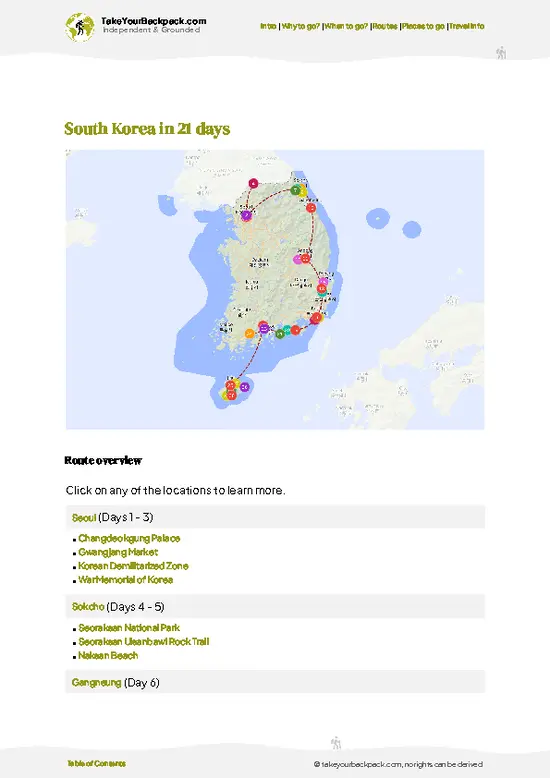
✅ Optimized 7, 14 & 21-day travel routes
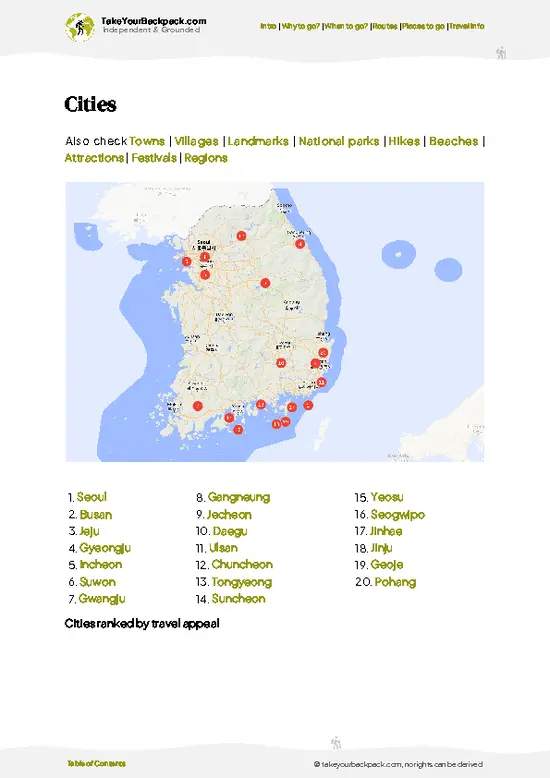
✅ Cities, national parks, landmarks, beaches
✅ How to get around
✅ Offline-friendly for travel without Wi-Fi
👉 Click to see all 30+ guide features

📅 Plan smarter in minutes, not weeks
✅ Month by month travel advice
✅ Festivals & national holidays
✅ Budget expectations

🗺️ Go to the right places, skip the overrated ones
✅ Honest pros & cons of destinations
✅ Top hikes, parks & viewpoints
✅ Lesser-known places most travelers miss
✅ Clear “worth it vs skip it” guidance

🛏️ Travel smoothly without rookie mistakes
✅ Best areas to stay
✅ Transport systems explained simply
✅ Common scams & safety advice
✅ SIM cards, money & practical tips

🌍 Understand the country, not just visit it
✅ Culture & traditions
✅ 52 Essential phrases & customs
✅ Festivals worth planning around
✅ Traveler-friendly historical context
✅ Insights that make places more meaningful

📱 Built for real travel conditions
✅ Fully downloadable PDF
✅ Works completely offline
✅ Optimized for phone use
✅ Useful in remote areas & buses
✅ Everything in one place
Stop searching, start planning
Get instant access to your full guide. 30‑day money-back guarantee.
+ Add another guide for just

By proceeding you agree to our terms.
Sent to your inbox immediately after payment • 100% Secure Checkout
Best Backpacking Travel Advisor 2025 tourism awardBest Backpacking
Travel Advisor
2025
What others say about Take Your Backpack Guides:
⭐⭐⭐⭐⭐
Fantastic, amazing amount of information!
⭐⭐⭐⭐⭐
My goodness this is amazing, it's what I've been looking for hats off too you!
⭐⭐⭐⭐⭐
I think this is absolutely BRILLIANT
⭐⭐⭐⭐
Very complete and informative. It's still missing places, but I gotta to commend you
⭐⭐⭐⭐⭐
This is truly amazing, thank you, can't wait to explore it with my kids!
⭐⭐⭐⭐⭐
Awesome resource, thank you!
⭐⭐⭐⭐⭐
This is amazing! Can't wait to explore the ones I haven't seen
⭐⭐⭐⭐
I love this! Well done, great idea.
⭐⭐⭐⭐⭐
Thanks for taking the time to make this gem!
⭐⭐⭐⭐⭐
This might be the best website I've ever seen.
⭐⭐⭐⭐⭐
Congratulations, and thank you so much for your work; it's incredibly valuable.
⭐⭐⭐⭐
In all seriousness I think you did a great job pointing out the important spots
⭐⭐⭐⭐⭐
10/10 very good
⭐⭐⭐⭐⭐
As someone who's only just starting to visit regularly this is awesome, thank you.
⭐⭐⭐⭐
Thank you very much! I'm going to visit my dad, it's going to be very useful!
⭐⭐⭐⭐⭐
This is really cool! We'll be travelling for the first time and this definitely come in handy.
⭐⭐⭐⭐⭐
You are now our minister of culture, congratulations 👨‍💼
⭐⭐⭐⭐⭐
Just wanted to tell you that this is a pearl! Going to follow your recommendations.
⭐⭐⭐⭐⭐
This is so cool. I'll definitely be using the resource for my travels soon.
⭐⭐⭐⭐⭐
This is very impressive! Good work.
⭐⭐⭐⭐⭐
This is an amazing and informative site. Very well done!

🛏️ Where to stay?Best areas to stay in South Korea

Staying near Hwaseong Fortress? You’ve got options that balance safety, social vibes, and budget-friendliness.

First up, the area around Suwon Station is a solid choice. It’s bustling and well-connected, making it easy to hop on public transport. You’ll find a mix of budget accommodations, from guesthouses to shared dorms. The energy here is lively, with plenty of cafes and eateries where you can mingle with fellow travelers. Just be prepared for crowds, especially on weekends.

Then there’s the district surrounding the fortress itself. This area offers a more laid-back atmosphere. You can find … read more 👉
Staying near Hwaseong Fortress? You’ve got options that balance safety, social vibes, and budget-friendliness.

First up, the area around Suwon Station is a solid choice. It’s bustling and well-connected, making it easy to hop on public transport. You’ll find a mix of budget accommodations, from guesthouses to shared dorms. The energy here is lively, with plenty of cafes and eateries where you can mingle with fellow travelers. Just be prepared for crowds, especially on weekends.

Then there’s the district surrounding the fortress itself. This area offers a more laid-back atmosphere. You can find cozy guesthouses that often have a homey feel. It’s a short walk to the fortress, which means you can explore early in the morning or late in the evening when the crowds thin out.

Don’t overlook the local markets nearby. They’re not just for shopping; they’re a cultural experience. Grab some street food and chat with locals. It’s these interactions that give you a taste of authentic Korean life.

In short, whether you prefer the buzz of Suwon Station or the tranquility near the fortress, you’ll find a spot that fits your backpacking style.

👛 Costs (as of 15 October 2026)Typical daily expenses

Visiting Hwaseong Fortress in South Korea is a blend of history, culture, and a bit of reality check on costs. Here’s what you need to know:
  • Entrance Fee: Expect to pay around 1,000 to 3,000 KRW (about €0.70 to €2.10 or $0.75 to $2.25). This fee grants you access to the fortress and its surrounding areas. It’s a steal for the history you’ll soak in.
  • Transportation: Getting there can vary. If you’re taking the subway from Seoul, budget around 2,500 KRW (€1.80 or $2). A taxi will set you back about 50,000 KRW (€36 or $40) from central Seoul, so consider public transport for a more wallet-friendly option.
  • Food: Local eateries near the fortress offer meals for about 7,000 to 15,000 KRW (€5 to €11 or $5.50 to $12). Try some traditional Korean dishes; they’re worth every won.
  • Souvenirs: If you want
… read more 👉
Visiting Hwaseong Fortress in South Korea is a blend of history, culture, and a bit of reality check on costs. Here’s what you need to know:
  • Entrance Fee: Expect to pay around 1,000 to 3,000 KRW (about €0.70 to €2.10 or $0.75 to $2.25). This fee grants you access to the fortress and its surrounding areas. It’s a steal for the history you’ll soak in.
  • Transportation: Getting there can vary. If you’re taking the subway from Seoul, budget around 2,500 KRW (€1.80 or $2). A taxi will set you back about 50,000 KRW (€36 or $40) from central Seoul, so consider public transport for a more wallet-friendly option.
  • Food: Local eateries near the fortress offer meals for about 7,000 to 15,000 KRW (€5 to €11 or $5.50 to $12). Try some traditional Korean dishes; they’re worth every won.
  • Souvenirs: If you want to take a piece of Hwaseong home, budget around 5,000 to 20,000 KRW (€3.50 to €14 or $4 to $15). Look for local crafts or snacks that capture the essence of your visit.
  • Guided Tours: If you prefer a deeper dive into the fortress’s history, guided tours range from 10,000 to 30,000 KRW (€7 to €21 or $8 to $23). They can provide insights you might miss on your own.

In summary, while costs can add up, the experience of walking through history at Hwaseong Fortress is priceless.


source: english.visitkorea.or.kr
⚠️ Prices can change and everyone travels differently, so take this as a rough guide. Hope it helps you plan your adventure!

FAQTraveler FAQ

Hwaseong Fortress is a late 18th-century fortress located in Suwon, South Korea, built during the Joseon Dynasty to protect the city and showcase advanced military architecture. It spans about 5.7 kilometers and includes walls, gates, command posts, and artillery towers. It is a UNESCO World Heritage site known for its unique blend of traditional Korean and modern military design.
Visiting Hwaseong Fortress typically requires 2 to 3 hours to walk along the main walls and explore key structures such as the Hwaseong Haenggung Palace. For a thorough visit including the museum and guided tours, allocate half a day. The site is large, so comfortable walking shoes are recommended.
To get to Hwaseong Fortress, take a train from Seoul to Suwon Station, which takes about 30 to 40 minutes. From Suwon Station, local buses or taxis can take you to the fortress area within 10 to 15 minutes. The fortress is well signposted and accessible by public transport.
⚠️ Things can change over time, so always validate details locally before you go.

Other South Korean landmarks near Hwaseong Fortress

Explore more nearby:

  • Namhansanseong—Mountain fortress, emergency palace, forested trails| 26 km away
  • Changdeokgung Palace—Secret Garden, royal pavilions, Joseon architecture| 33 km away
  • Dodamsambong—river bends, limestone pillars, scenic overlooks| 122 km away

💡 Not sure where to go next?
Create a personalized itinerary for South Korea including Hwaseong Fortress and the places that fit your trip.

Generate my itinerary

👉 Discover all landmarks

Or checkout all South Korea has to offer (think cities, towns, villages, national parks, hikes, beaches, festivals)
Country photo of South Korea

We 💚 feedbackKey takeaways before you go

The crowds at Hwaseong Fortress can be overwhelming, especially on weekends. But here’s the kicker: if you wander beyond the main paths, you’ll find quiet spots with stunning views and a real sense of history. The best surprise? The hidden tea houses tucked away in the walls, serving up traditional brews that feel like a secret handshake with the past. Just be ready for a bit of a hike; those steps can sneak up on you. Trust me, it’s worth every drop of sweat.

✍️ Help improve this page!
The information on this page is based on in-depth research, insights shared by experienced travelers, and feedback from the local travel community in South Korea. While every effort is made to keep the information accurate and current, conditions can change — so if you spot anything incorrect or outdated, please get in touch.


🙋‍♂️ Give feedback

👋 Meet the founderWho’s Behind Take Your Backpack?

Johan, backpacker and founder of TakeYourBackpackHi, I’m Johan (Netherlands 🇳🇱), the creator of TakeYourBackpack. Over the past 3 decades, I’ve backpacked through 90+ countries across six continents, gaining extensive experience with independent travel, long-term trips, and overland routes.

This site is built on a combination of firsthand travel experience and carefully curated insights from other backpackers. Many guides are based on places I’ve personally visited, while others bring together tips, observations, and practical advice shared by trusted travelers I’ve met along the way.

The goal is to provide realistic, experience-driven guidance — not generic itineraries — so you can explore destinations with better context, clearer expectations, and more confidence.