×

South Korea🇰🇷 | best landmarksThe 9 Top landmarks in South Korea

Landmarks in South Korea fall into a few distinct families: royal palaces and fortress walls from the Joseon dynasty, mountain temples that survived centuries of war, and modern towers and bridges built since the 1980s. Where you are in the country decides which family you meet.

Seoul packs palaces, gates and city walls into one subway-connected core, so entry fees are low (roughly ₩1,000 to 3,000, about US$1 to 2) but weekend crowds are heavy. The southeast, around Gyeongju and Busan, holds ancient Silla heritage and coastal temples with a slower pace. Jeolla and Gangwon offer quieter mountain and island sites where buses run less often and independent travel takes more planning. Because the KTX rail network and cheap intercity buses link most regions, backpackers can mix all three families without a car. Many sites close one weekday, usually Monday or Tuesday.

By Johan Kruseman 🇳🇱 | Updated October 19, 2026
Explore the best national parks in South Korea

Why go?Key Factors That Shape the Experience

South Korea suits landmark-hunting unusually well because history and infrastructure line up. Roughly 70 percent of the country is mountainous, and the Joseon dynasty (1392 to 1910) built its capital, fortresses and Confucian academies to fit those hills, while Buddhist monks tucked temples into the valleys. That geography kept many sites compact and walkable, and it explains why a lot of them sit beside hiking trails.

The flip side is wartime destruction. The Japanese invasions of the 1590s, the colonial period and the Korean War (1950 to 1953) burned or flattened much of the original wooden architecture. Many palaces and gates you will visit are careful reconstructions, rebuilt using traditional carpentry. Wood does not last, so expect fresh paint and modern foundations rather than weathered … read more 👉
South Korea suits landmark-hunting unusually well because history and infrastructure line up. Roughly 70 percent of the country is mountainous, and the Joseon dynasty (1392 to 1910) built its capital, fortresses and Confucian academies to fit those hills, while Buddhist monks tucked temples into the valleys. That geography kept many sites compact and walkable, and it explains why a lot of them sit beside hiking trails.

The flip side is wartime destruction. The Japanese invasions of the 1590s, the colonial period and the Korean War (1950 to 1953) burned or flattened much of the original wooden architecture. Many palaces and gates you will visit are careful reconstructions, rebuilt using traditional carpentry. Wood does not last, so expect fresh paint and modern foundations rather than weathered ruins. Travelers who want crumbling antiquity, as in Italy or Cambodia, will find stone remains rarer here. What you get instead is living heritage, with active temples, ceremonies and restoration crews.

The country’s transport and digital infrastructure is a major advantage. The KTX high-speed network crosses the country in about 2.5 to 3 hours end to end, rechargeable T-money cards work on buses and subways nationwide, and English signage is common at major sites. Many palaces and sites offer free English-language tours at set times, and signs rely on Romanized Korean, which can vary in spelling, so check map apps like Naver Map or Kakao Map, since Google Maps navigation is limited. Costs stay modest, but hanbok-wearing visitors often get free palace entry, and combined tickets save money in Seoul. Travelers should also expect domestic tourism peaks on holidays that can make even remote sites crowded.
How the List Was Created
The list of best unique sites in South Korea is created based on history or culture, wow factor, atmosphere, quirks, and memorability. If you feel a unique site is missing in this list, please let us know.

When to go?Optimal Periods for Travel

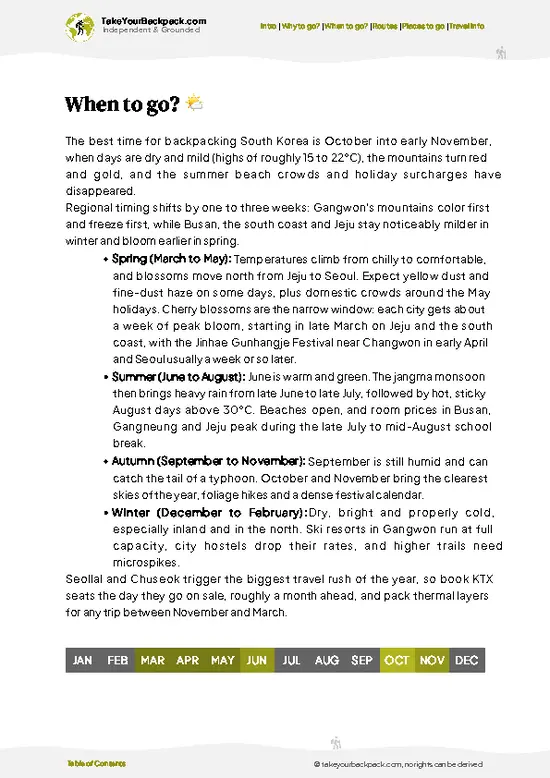
Best months and why they work: Late April to early June and mid-September to early November are the best months for South Korea’s landmarks, because daytime highs sit around 15 to 26°C, skies are clearer, and outdoor sites are comfortable to walk. Spring brings cherry blossoms that peak in late March to mid-April in the south and a week or so later in Seoul. Autumn foliage moves from the north down: Seoraksan in Gangwon usually colors in early to mid-October, while Seoul and the southern mountains peak late October to mid-November.

Summer and winter trade-offs: June to August is hot and humid, with highs of 28 to 34°C. The monsoon, called jangma, arrives in late June and runs into July, and July alone can bring 250 to 350 mm of rain in many areas. Typhoons can disrupt travel, particularly … read more 👉
Best months and why they work: Late April to early June and mid-September to early November are the best months for South Korea’s landmarks, because daytime highs sit around 15 to 26°C, skies are clearer, and outdoor sites are comfortable to walk. Spring brings cherry blossoms that peak in late March to mid-April in the south and a week or so later in Seoul. Autumn foliage moves from the north down: Seoraksan in Gangwon usually colors in early to mid-October, while Seoul and the southern mountains peak late October to mid-November.

Summer and winter trade-offs: June to August is hot and humid, with highs of 28 to 34°C. The monsoon, called jangma, arrives in late June and runs into July, and July alone can bring 250 to 350 mm of rain in many areas. Typhoons can disrupt travel, particularly in August and September along the southern coast and Jeju. Outdoor palaces and fortress walks become sweaty, though indoor sites and early mornings remain manageable.

Winter, December to February, is cold and dry. Seoul often drops to between -10 and 2°C, and Gangwon is colder. Crowds thin, snow on temple roofs looks good, and accommodation prices fall, often 20 to 30 percent below peak in hostels outside Seoul. Short days mean sites that close around 5 or 6 p.m. leave less time.

Peak periods that change plans: Seollal (Lunar New Year, January or February) and Chuseok (September or October) bring closures at some sites and sold-out trains. Expect domestic crowds during cherry blossom weeks, autumn weekends and early August school holidays, when prices for rooms near popular sites can rise 30 to 100 percent. Book KTX and coastal lodging early for these dates.

unique site hoppingSuggested Travel Strategies

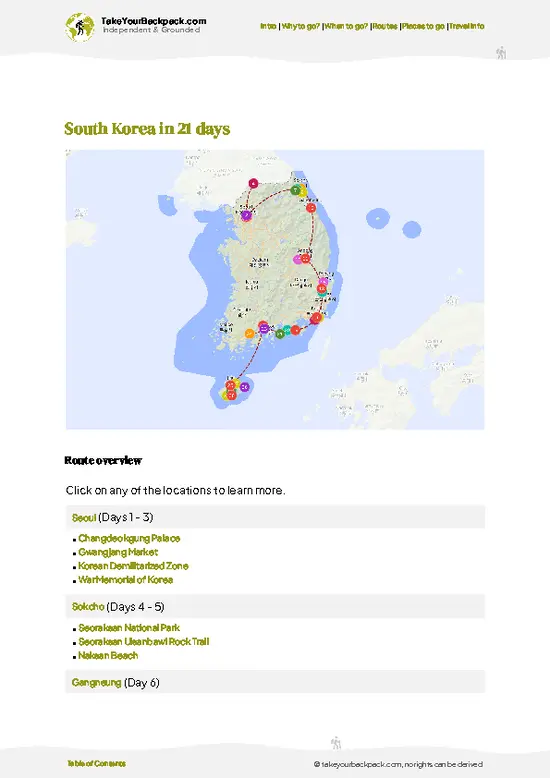
How many days to plan: A trip combining several landmarks across South Korea needs 7 to 14 days, with 10 days the most comfortable for covering Seoul, the southeast and one quieter region without rushing. Spending less than a week means choosing a single cluster instead of the whole country.

Regions that pair well: Seoul and its surroundings form one cluster, since most major palaces, gates and the city walls are connected by subway. Gyeongju and Busan form a second, about 30 to 60 minutes apart by regional train or bus, and the Gyeongju KTX station sits outside town, so a local bus adds 20 to 30 minutes. Jeonju and the Jeolla region belong together, as do Gangneung and Seoraksan in Gangwon. Traveling north to south works best: begin in Seoul, take the KTX to Busan (about 2.5 to 3 hours), … read more 👉
How many days to plan: A trip combining several landmarks across South Korea needs 7 to 14 days, with 10 days the most comfortable for covering Seoul, the southeast and one quieter region without rushing. Spending less than a week means choosing a single cluster instead of the whole country.

Regions that pair well: Seoul and its surroundings form one cluster, since most major palaces, gates and the city walls are connected by subway. Gyeongju and Busan form a second, about 30 to 60 minutes apart by regional train or bus, and the Gyeongju KTX station sits outside town, so a local bus adds 20 to 30 minutes. Jeonju and the Jeolla region belong together, as do Gangneung and Seoraksan in Gangwon. Traveling north to south works best: begin in Seoul, take the KTX to Busan (about 2.5 to 3 hours), and then work back through Gyeongju, Daegu or Jeonju depending on interest. Starting and ending in Seoul avoids needing a separate departure transfer, since Incheon airport connects by AREX train in 45 to 60 minutes.

Time per stop: Allow 2 to 3 days for Seoul, 1 to 2 for Gyeongju, 1 to 2 for Busan, and 1 to 2 days for each smaller region. A palace visit takes 1.5 to 3 hours, and mountain temples often need half a day including the bus ride.

Planning mistakes to avoid: The most common error is cramming too many cities into a short window. Travelers who change cities every day lose hours to terminals and check-ins. Fewer bases with day trips avoid this. Another mistake is ignoring closing days, since many sites shut Monday or Tuesday, so schedule that day for travel or markets. Rural buses may run only every 1 to 2 hours, so check timetables on Naver Map and book KTX seats, especially on weekends and holidays.

The ListTop landmarks of South Korea

1 Changdeokgung Palace

Secret Garden, royal pavilions, Joseon architecture

Wander through shaded courtyards and tranquil gardens where centuries-old structures reveal the daily life and rituals of Korean royalty.

2 Seongsan Ilchulbong

Volcanic crater, sunrise views, coastal cliffs

Climb a steep trail at dawn for panoramic views over the sea, then descend to explore the unique volcanic landscape shaped by ancient eruptions.

south-korea-unique-site-seongsan-ilchulbong
© Google |

3 Haeinsa Temple

Tripitaka Koreana, mountain monastery, Buddhist relics

Experience the quiet routines of monastic life while viewing the world’s oldest woodblock Buddhist scriptures preserved in a remote forest setting.

south-korea-unique-site-haeinsa-temple
© Google |

4 Hwaseong Fortress

Stone ramparts, watchtowers, defensive gates

Walk along imposing walls and climb fortified towers to understand the military ingenuity and urban planning of late Joseon-era Korea.

south-korea-unique-site-hwaseong-fortress
© Google |

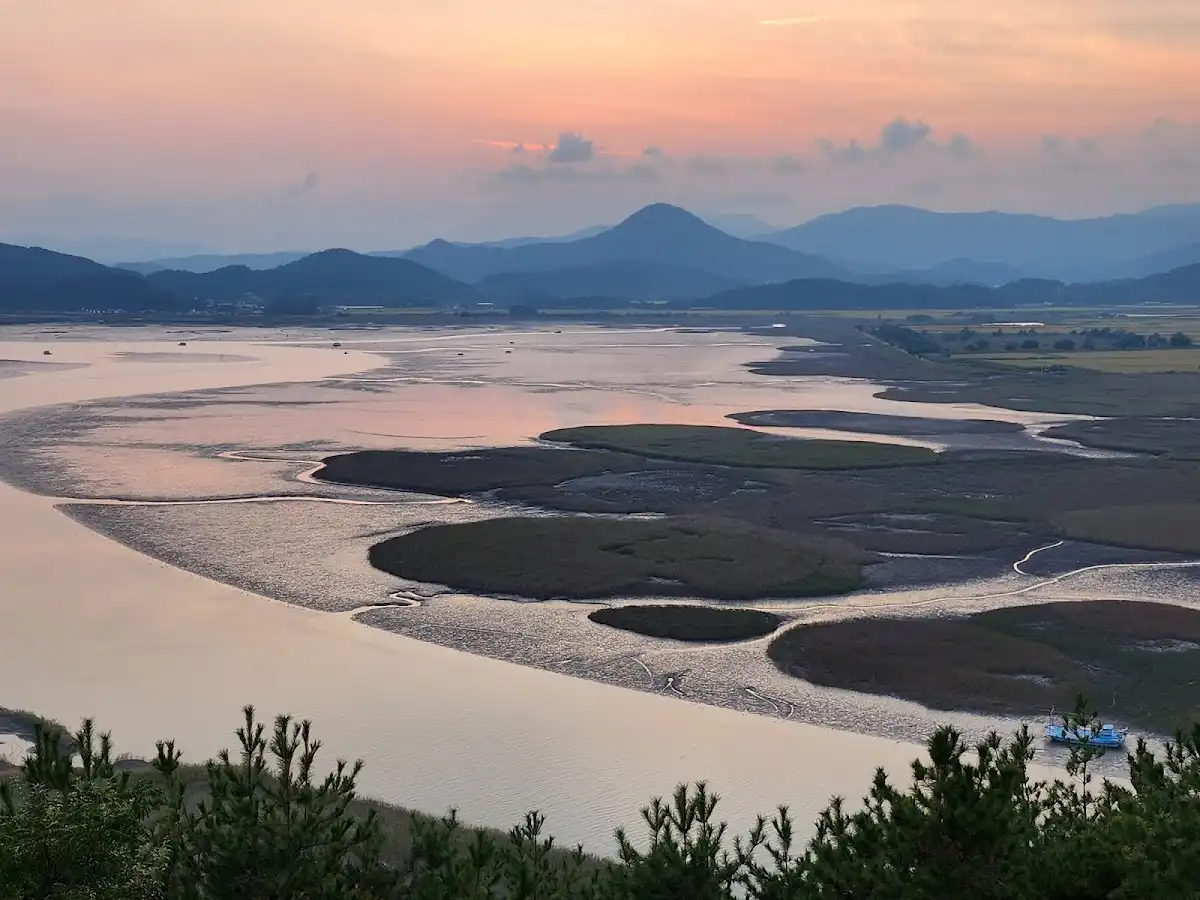
5 Suncheon Bay

Coastal wetlands, reed fields, migratory birds

Follow raised boardwalks through vast tidal flats and watch flocks of birds gather in one of Korea’s richest ecological habitats.

south-korea-unique-site-suncheon-bay
© Google |

6 Oedo Botania

Island gardens, subtropical plants, sculpted terraces

Stroll among manicured flowerbeds and exotic trees on a remote island, where artful landscaping meets dramatic sea views.

7 Namhansanseong

Mountain fortress, emergency palace, forested trails

Hike wooded slopes to reach a centuries-old stronghold that once sheltered kings, with panoramic views and remnants of wartime strategy.

8 Gaya Tumuli

Ancient burial mounds, earthen tombs, Gaya Confederacy

Trace the contours of grassy tombs and discover artifacts that illuminate the burial practices and social order of early Korean kingdoms.

south-korea-unique-site-gaya-tumuli
© Google |

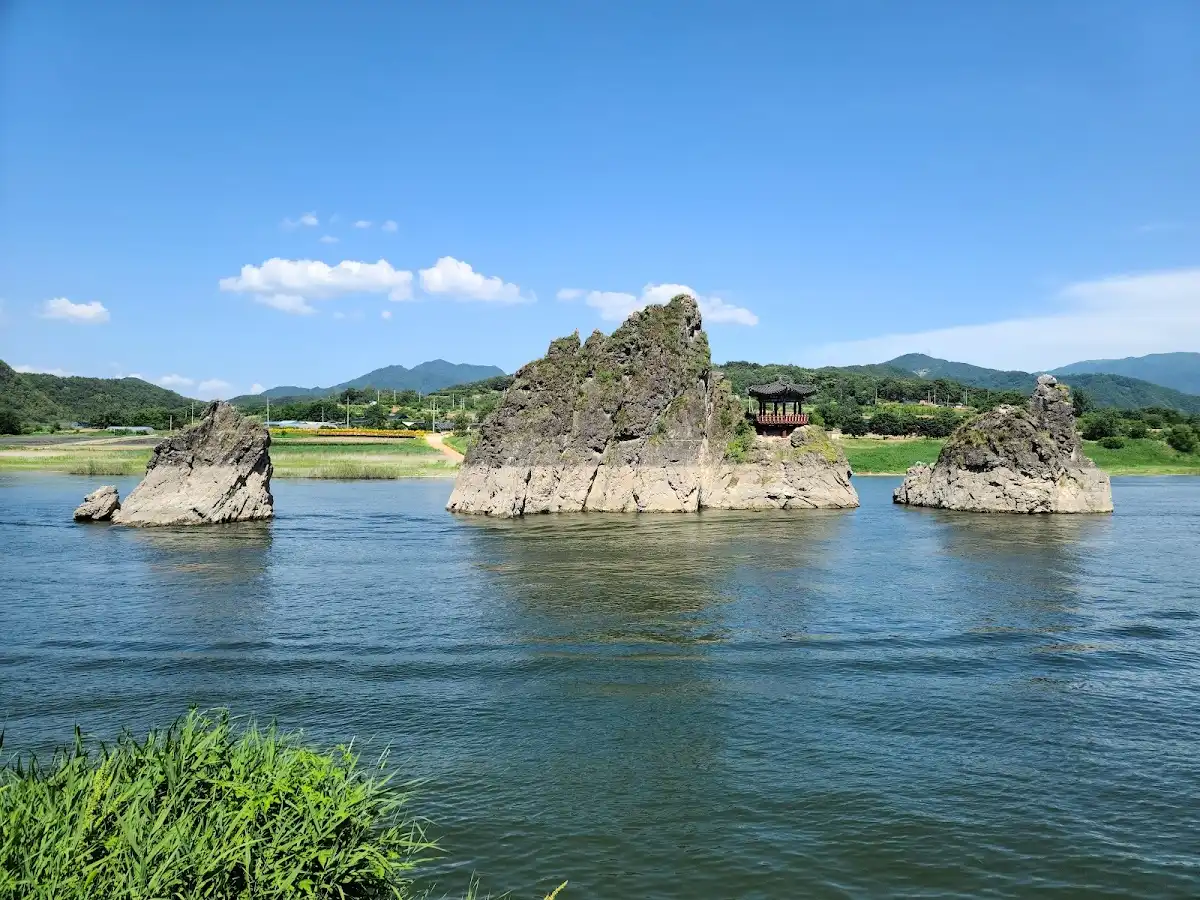
9 Dodamsambong

river bends, limestone pillars, scenic overlooks

Walk riverside trails to viewpoints above the Namhangang, where three iconic rock spires rise sharply from the water’s edge.

south-korea-unique-site-dodamsambong
© Google |
Loading the map 🌍

Expert viewTips and Advice from Travelers

How many landmarks to visit: Aim for 8 to 12 landmark visits across a 10 to 14 day trip, which means one major site on most days and a lighter second stop. That number works because many Korean sites need 2 to 3 hours of walking, with stairs and hills, and tiredness builds quickly when you add city transit. Temple complexes and palaces also tend to look similar after the fifth or sixth, so spacing them out keeps each one distinct.

How to prioritize by travel style: History-focused travelers should put palaces and fortress walls first, since interpretive signs and free English tours explain the Joseon system well. Hikers get more from mountain temples and fortress ridges, where the trail is half the experience. Photographers will want sunrise or late-afternoon slots at coastal and hillside … read more 👉
How many landmarks to visit: Aim for 8 to 12 landmark visits across a 10 to 14 day trip, which means one major site on most days and a lighter second stop. That number works because many Korean sites need 2 to 3 hours of walking, with stairs and hills, and tiredness builds quickly when you add city transit. Temple complexes and palaces also tend to look similar after the fifth or sixth, so spacing them out keeps each one distinct.

How to prioritize by travel style: History-focused travelers should put palaces and fortress walls first, since interpretive signs and free English tours explain the Joseon system well. Hikers get more from mountain temples and fortress ridges, where the trail is half the experience. Photographers will want sunrise or late-afternoon slots at coastal and hillside sites, since midday light is flat and crowds peak between 11 a.m. and 3 p.m. Travelers with limited time are best served by city landmarks because subway access removes planning stress. Modern towers and observation decks are worth a visit only if the weather is clear, since fine dust in spring and haze in summer can reduce visibility, and prices tend to run higher than for heritage sites.

What it costs: Heritage sites are cheap. Most palaces and temples charge ₩1,000 to 5,000 (US$1 to 4), and Seoul’s combined palace ticket costs about ₩10,000 (US$7). Modern observation decks cost more, often ₩20,000 to 30,000 (US$15 to 22). Some national park temples charge small entry fees of ₩3,000 to 5,000 (US$2 to 4). Free guided tours are common at big sites, so a paid guide at ₩50,000 to 100,000 (US$37 to 75) only makes sense for a specialist topic.

Budget US$45 to 75 a day for a backpacker who stays in hostels (₩20,000 to 35,000 a dorm bed), eats at local restaurants (₩8,000 to 12,000 a meal), and pays for two or three landmark entries plus transit. Local buses and subways cost ₩1,400 to 2,000 a ride, and intercity buses are typically ₩10,000 to 30,000 for 2 to 4 hours, which is cheaper than KTX. Rural transport can add taxi costs of ₩10,000 to 20,000 where buses are infrequent.

Safety and cultural considerations: South Korea is very safe for solo travelers, with low violent crime and rare theft, and that is why carrying a phone and wallet openly is normal. The main physical risks are hiking-related: stone steps at mountain temples become slick in rain and ice, and trail closures during winter and typhoons are enforced. Follow posted closures, because rangers do turn people back.

Cultural rules matter at active temples. Dress modestly, which means covered shoulders and knees, remove shoes before entering halls, and avoid walking in front of people praying. Photography inside worship halls is often restricted, and signs usually say so. Do not touch tomb mounds, stone pagodas or wooden structures, since restoration is costly and rules are strict. At palaces, guards in ceremonial dress are performers, so ask before taking close photos. Many sites close one weekday, so verify hours on the official site or Naver Map before traveling, since opening times vary by season and most sites stop admitting visitors 30 to 60 minutes before closing. Carry a T-money card and some cash, because a few small temples take only cash.

✈️ The backpacker research shortcutSouth Korea Travel Guide

An offline-friendly backpacking guide with optimized travel routes, ranked highlights, transport advice, and the best areas to stay.
example page 0 from our offline Travel Guide for South Korea
example page 1 from our offline Travel Guide for South Korea
example page 2 from our offline Travel Guide for South Korea
example page 3 from our offline Travel Guide for South Korea
example page 4 from our offline Travel Guide for South Korea
example page 5 from our offline Travel Guide for South Korea
example page 6 from our offline Travel Guide for South Korea
example page 7 from our offline Travel Guide for South Korea
The digital guide (419 pages) contains:
✅ 117 highlights, ranked by travel appeal
✅ Optimized 7, 14 & 21-day travel routes
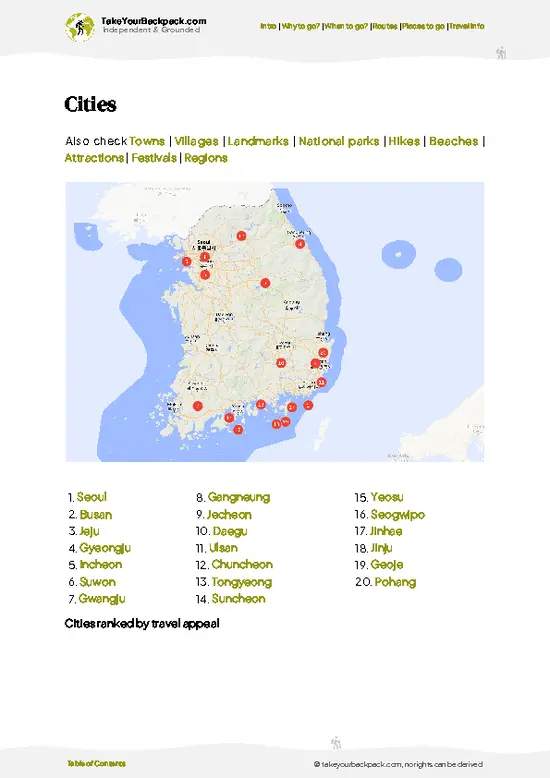
✅ Cities, national parks, landmarks, beaches
✅ How to get around
✅ Offline-friendly for travel without Wi-Fi
👉 Click to see all 30+ guide features

📅 Plan smarter in minutes, not weeks
✅ Month by month travel advice
✅ Festivals & national holidays
✅ Budget expectations

🗺️ Go to the right places, skip the overrated ones
✅ Honest pros & cons of destinations
✅ Top hikes, parks & viewpoints
✅ Lesser-known places most travelers miss
✅ Clear “worth it vs skip it” guidance

🛏️ Travel smoothly without rookie mistakes
✅ Best areas to stay
✅ Transport systems explained simply
✅ Common scams & safety advice
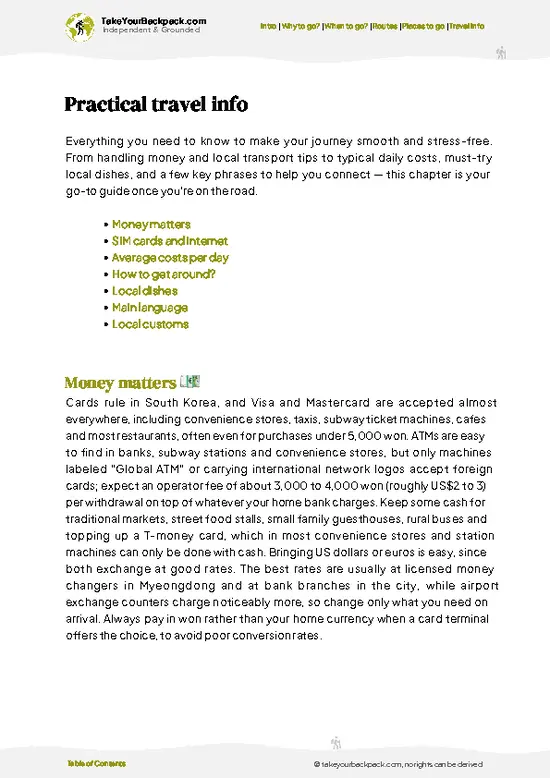
✅ SIM cards, money & practical tips

🌍 Understand the country, not just visit it
✅ Culture & traditions
✅ 52 Essential phrases & customs
✅ Festivals worth planning around
✅ Traveler-friendly historical context
✅ Insights that make places more meaningful

📱 Built for real travel conditions
✅ Fully downloadable PDF
✅ Works completely offline
✅ Optimized for phone use
✅ Useful in remote areas & buses
✅ Everything in one place
Stop searching, start planning
Get instant access to your full guide. 30‑day money-back guarantee.
+ Add another guide for just

By proceeding you agree to our terms.
Sent to your inbox immediately after payment • 100% Secure Checkout
Best Backpacking Travel Advisor 2025 tourism awardBest Backpacking
Travel Advisor
2025
What others say about Take Your Backpack Guides:
⭐⭐⭐⭐⭐
Fantastic, amazing amount of information!
⭐⭐⭐⭐⭐
My goodness this is amazing, it's what I've been looking for hats off too you!
⭐⭐⭐⭐⭐
I think this is absolutely BRILLIANT
⭐⭐⭐⭐
Very complete and informative. It's still missing places, but I gotta to commend you
⭐⭐⭐⭐⭐
This is truly amazing, thank you, can't wait to explore it with my kids!
⭐⭐⭐⭐⭐
Awesome resource, thank you!
⭐⭐⭐⭐⭐
This is amazing! Can't wait to explore the ones I haven't seen
⭐⭐⭐⭐
I love this! Well done, great idea.
⭐⭐⭐⭐⭐
Thanks for taking the time to make this gem!
⭐⭐⭐⭐⭐
This might be the best website I've ever seen.
⭐⭐⭐⭐⭐
Congratulations, and thank you so much for your work; it's incredibly valuable.
⭐⭐⭐⭐
In all seriousness I think you did a great job pointing out the important spots
⭐⭐⭐⭐⭐
10/10 very good
⭐⭐⭐⭐⭐
As someone who's only just starting to visit regularly this is awesome, thank you.
⭐⭐⭐⭐
Thank you very much! I'm going to visit my dad, it's going to be very useful!
⭐⭐⭐⭐⭐
This is really cool! We'll be travelling for the first time and this definitely come in handy.
⭐⭐⭐⭐⭐
You are now our minister of culture, congratulations 👨‍💼
⭐⭐⭐⭐⭐
Just wanted to tell you that this is a pearl! Going to follow your recommendations.
⭐⭐⭐⭐⭐
This is so cool. I'll definitely be using the resource for my travels soon.
⭐⭐⭐⭐⭐
This is very impressive! Good work.
⭐⭐⭐⭐⭐
This is an amazing and informative site. Very well done!

🛏️ Where to stay?Where to Base Yourself

South Korea has plenty of hostels and guesthouses, with dorm beds typically running ₩20,000 to 35,000 (about US$15 to 25) and private rooms in budget guesthouses from roughly ₩45,000 (US$33). In Seoul, Hongdae has the densest cluster and the loudest nightlife, so expect late noise on weekends. Myeongdong is central with direct airport bus links but gets crowded, Jongno and Insadong put you near the palaces and stay quieter after dark, and Itaewon mixes bars with an international crowd. In Busan, Haeundae means beach access and higher prices, while Seomyeon is cheaper and better connected by metro; all of these areas are safe to walk at night.

If you enjoy meeting fellow travelers, consider choosing … read more 👉
South Korea has plenty of hostels and guesthouses, with dorm beds typically running ₩20,000 to 35,000 (about US$15 to 25) and private rooms in budget guesthouses from roughly ₩45,000 (US$33). In Seoul, Hongdae has the densest cluster and the loudest nightlife, so expect late noise on weekends. Myeongdong is central with direct airport bus links but gets crowded, Jongno and Insadong put you near the palaces and stay quieter after dark, and Itaewon mixes bars with an international crowd. In Busan, Haeundae means beach access and higher prices, while Seomyeon is cheaper and better connected by metro; all of these areas are safe to walk at night.

If you enjoy meeting fellow travelers, consider choosing hostels with high ratings for atmosphere. On the other hand, if you prefer having your own space, a hotel might be a better option.

South KoreaExpand Your Journey

👋 Meet the founderWho’s Behind Take Your Backpack?

Johan, backpacker and founder of TakeYourBackpackHi, I’m Johan (Netherlands 🇳🇱), the creator of TakeYourBackpack. Over the past 3 decades, I’ve backpacked through 90+ countries across six continents, gaining extensive experience with independent travel, long-term trips, and overland routes.

This site is built on a combination of firsthand travel experience and carefully curated insights from other backpackers. Many guides are based on places I’ve personally visited, while others bring together tips, observations, and practical advice shared by trusted travelers I’ve met along the way.

The goal is to provide realistic, experience-driven guidance — not generic itineraries — so you can explore destinations with better context, clearer expectations, and more confidence.