
Mireuksaji Temple Site
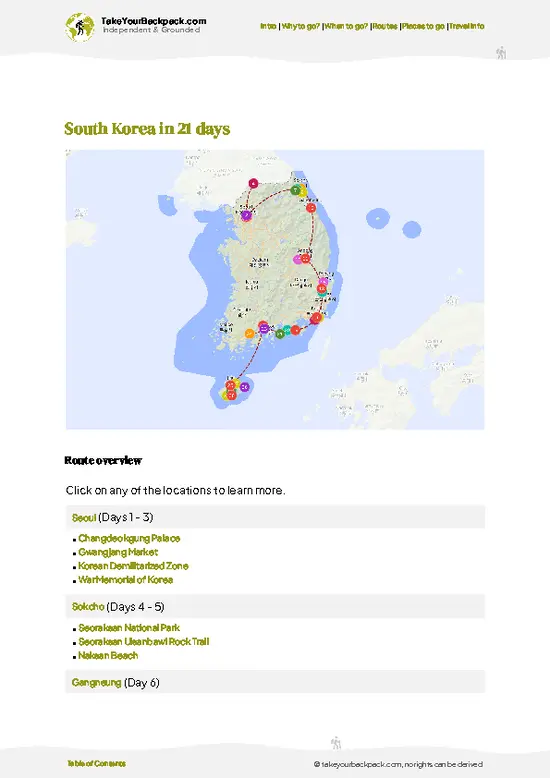
The bones of Korea’s oldest stone pagoda stand here, battered but proud, surrounded by the flat Jeolla plains. This is where Baekje-era ambition meets modern restoration. The museum next door is compact but dense with relics. Go early morning for quiet, or late afternoon for golden light. Entry is free; museum is a few thousand won. Give it 1-2 hours if you want to absorb the atmosphere and the story.
Wanggungni Historic Site
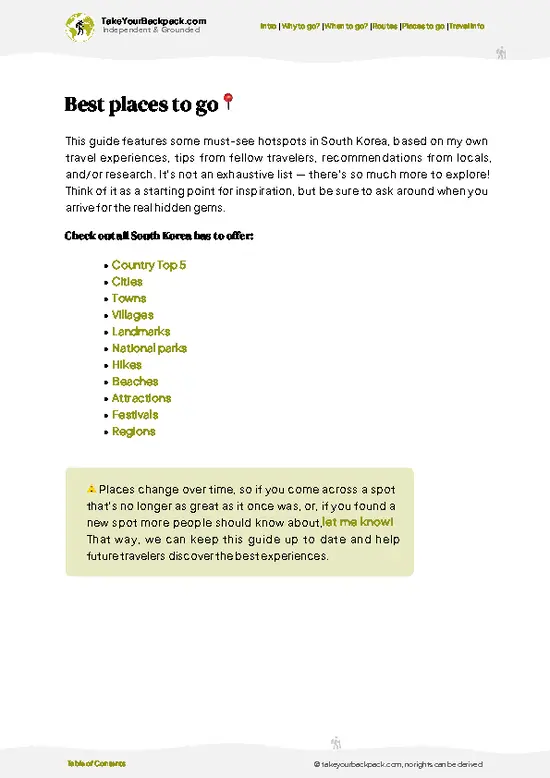
A field of ancient earthen mounds and a reconstructed royal palace foundation. It’s not flashy, but if you want to walk where Baekje kings plotted, this is the spot. The site is open year-round, best in spring or fall when the grass is green. Free entry. 45 minutes is enough for the site itself, but history buffs will linger.
Iksan Jewelry Museum
Iksan’s … read more 👉
Mireuksaji Temple Site
The bones of Korea’s oldest stone pagoda stand here, battered but proud, surrounded by the flat Jeolla plains. This is where Baekje-era ambition meets modern restoration. The museum next door is compact but dense with relics. Go early morning for quiet, or late afternoon for golden light. Entry is free; museum is a few thousand won. Give it 1-2 hours if you want to absorb the atmosphere and the story.
Wanggungni Historic Site
A field of ancient earthen mounds and a reconstructed royal palace foundation. It’s not flashy, but if you want to walk where Baekje kings plotted, this is the spot. The site is open year-round, best in spring or fall when the grass is green. Free entry. 45 minutes is enough for the site itself, but history buffs will linger.
Iksan Jewelry Museum
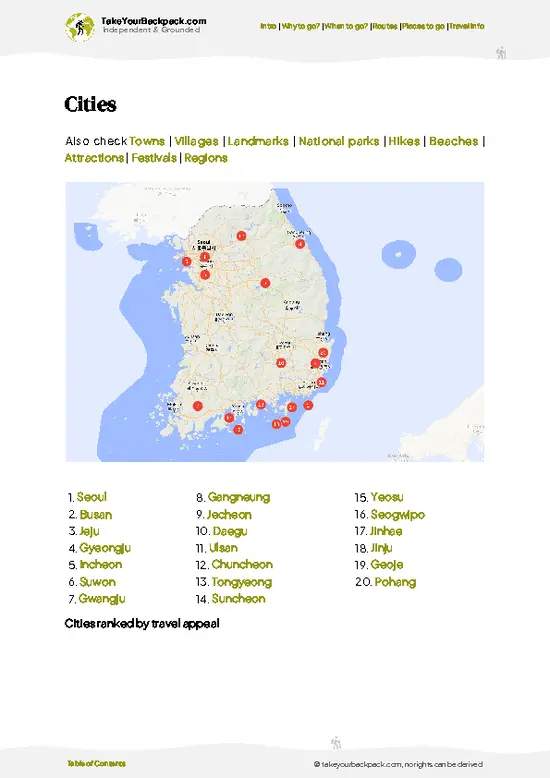
Iksan’s goldsmithing legacy is real, not just a marketing hook. This museum is hands-on, with workshops where you can try your hand at metalwork (for a fee). Exhibits are surprisingly engaging. Open most days, closed Mondays. Entry is modest; workshops extra. Budget 1-1.5 hours.
Seodong Park
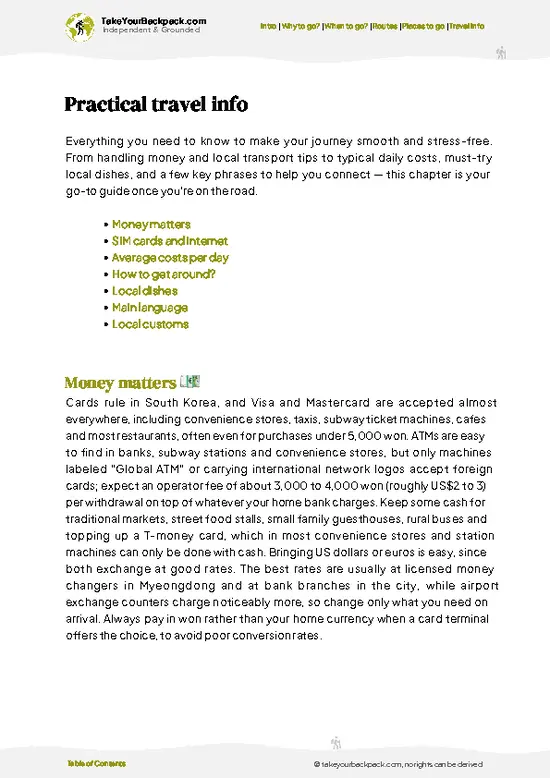
Locals come here for cherry blossoms and lakeside strolls. It’s not a manicured tourist trap—just a slice of daily life, with food stalls and families. Free, open all hours. Best in spring or autumn. 30-60 minutes, unless you want to picnic.
Iksan Station Market
This is where you taste Iksan: street food, local produce, and the pulse of a working city. Go hungry. Open daily, liveliest in the morning and early evening. Free to enter, but you’ll want cash for snacks. 30-90 minutes, depending on your appetite.
For day trips, Mireuksan Mountain, the Gochang Dolmen Sites, and Jeonju Hanok Village are all within easy reach and offer a deeper dive into the region’s character.
Spotted a mistake or missing something? Contact us.

Jeonju Hanok Village and Maisan Tapsa Temple Day Tour From Seoul

Jeonju Hanok Village Full-Day Tour: Jangtaesan Green Forest

Day Trip to Yongin Daejanggeum and Korean Folk Village from Seoul

Gyeongbok Palace and Korean Folk Village Tour

Jeonju Hanok Village Hanbok Rental Experience via Hanboknam 내국인불가

Jeonju Hanok Village and Maisan Mountain Private Group Tour

Jeonju Hanok Village Hanbok Rental Experience Hanboknam


 Best Backpacking
 Hi, I’m Johan (Netherlands 🇳🇱), the creator of TakeYourBackpack. Over the past 3 decades, I’ve backpacked through 90+ countries across six continents, gaining extensive experience with independent travel, long-term trips, and overland routes.