v2.webp)
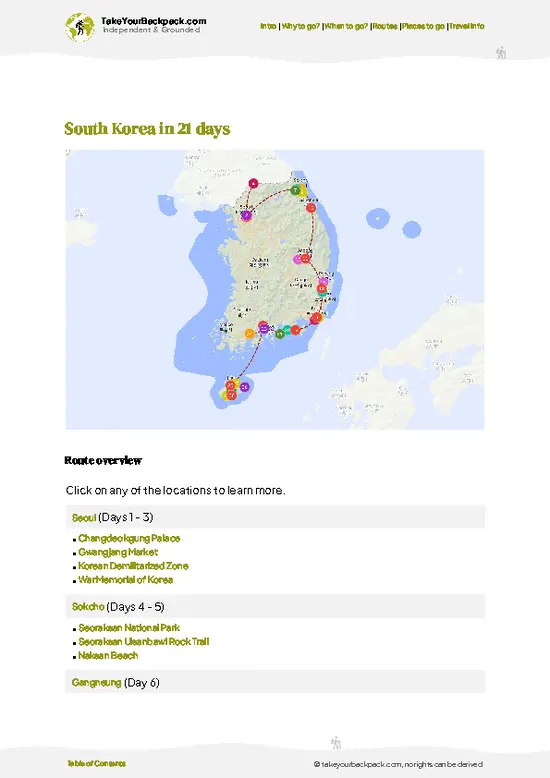
- 5·18 Memorial Park & National Cemetery (May 18th Memorial Hall) — The city’s most important modern-historical site: a sober, well-curated museum and cemetery that tells the story of the 1980 pro-democracy uprising and its continuing cultural impact. Visiting gives context to why Gwangju feels the way it does today.
- Asia Culture Center (ACC) — A huge, contemporary cultural complex with rotating exhibitions, live performances, art labs and a distinctive building. Great for catching experimental work from across Asia and people-watching in its public plazas.
- Gwangju Biennale Exhibition Hall (Biennale Complex) — The anchor site of Korea’s influential contemporary art biennale; even off-season the architecture and rotating shows capture Gwangju’s cutting-edge art scene.
- Gwangju Museum of Art
- 5·18 Memorial Park & National Cemetery (May 18th Memorial Hall) — The city’s most important modern-historical site: a sober, well-curated museum and cemetery that tells the story of the 1980 pro-democracy uprising and its continuing cultural impact. Visiting gives context to why Gwangju feels the way it does today.
- Asia Culture Center (ACC) — A huge, contemporary cultural complex with rotating exhibitions, live performances, art labs and a distinctive building. Great for catching experimental work from across Asia and people-watching in its public plazas.
- Gwangju Biennale Exhibition Hall (Biennale Complex) — The anchor site of Korea’s influential contemporary art biennale; even off-season the architecture and rotating shows capture Gwangju’s cutting-edge art scene.
- Gwangju Museum of Art — A solid collection of modern Korean art plus temporary shows; it’s a good place to see local artists who don’t always make it to Seoul, and the grounds are pleasant for a slow wander.
- Gwangju National Museum — Korea’s national museum branch for the region, with archaeology and historical artifacts from Jeolla province. It’s quiet, informative, and a good counterpoint to the city’s contemporary art focus.
- Mudeungsan (Mt. Mudeung) & Gatbawi — A short ride from downtown puts you on real mountain trails, granite peaks and the famous Gatbawi rock formation. Hikeable, scenic and a favourite for locals — bring proper shoes and a bit of time.
- 1913 Songjeong Station Market — A beautifully restored traditional market built around an old train station; now full of food stalls, vintage shops and craftsmen. Perfect for cheap local eats and a lively, tangible slice of daily life.
- Yangnim-dong History & Culture Park (Yangnim-dong neighborhood) — A compact, charming neighborhood of restored hanok, narrow alleys, indie cafes and small museums that show Gwangju’s pre-modern and colonial-era layers. Quiet, walkable, and full of photo ops.
- Uijae Museum of Korean Art — A small, focused museum dedicated to the painter Ko Uijae and traditional ink painting; thoughtful displays and a calm garden make it a great stop for art lovers who want depth, not bustle.
- Yangdong Market — One of Gwangju’s major traditional markets where locals shop for everything from vegetables to clothing; excellent for sampling regional street food, watching ordinary commerce, and practicing your bargaining (or just your chopstick skills).
Spotted a mistake or missing something? Contact us.

Jeonju Hanok Village and Maisan Tapsa Temple Day Tour From Seoul

Jeonju Hanok Village Full-Day Tour: Jangtaesan Green Forest

Day Trip to Yongin Daejanggeum and Korean Folk Village from Seoul

Gyeongbok Palace and Korean Folk Village Tour

Jeonju Hanok Village Hanbok Rental Experience via Hanboknam 내국인불가

Jeonju Hanok Village and Maisan Mountain Private Group Tour

Jeonju Hanok Village Hanbok Rental Experience Hanboknam


 Best Backpacking
.jpg) Hi, I’m Johan (Netherlands 🇳🇱), the creator of TakeYourBackpack. Over the past 3 decades, I’ve backpacked through 90+ countries across six continents, gaining extensive experience with independent travel, long-term trips, and overland routes.
Hi, I’m Johan (Netherlands 🇳🇱), the creator of TakeYourBackpack. Over the past 3 decades, I’ve backpacked through 90+ countries across six continents, gaining extensive experience with independent travel, long-term trips, and overland routes.