×

South Korea🇰🇷 | attractionsInsadong Cultural Street
antique shops, tea houses, calligraphy galleries | things to do and best time to go

Explore Hongdae Street Performance and Club DistrictExplore Dongdaemun Design Plaza

Backpacking in Insadong Cultural Street
👍 Recommendedattraction ranked #10
By Johan Kruseman 🇳🇱 | Updated April 21, 2026

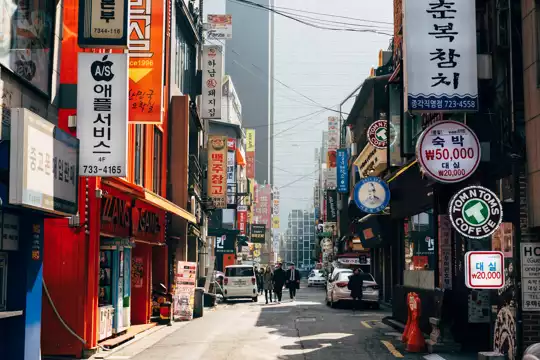
A woman in a hanbok brushes past you, her sleeves catching the scent of roasting chestnuts and wet ink. Somewhere behind the calligraphy stalls, a street performer’s bamboo flute cuts through the chatter—sharp, bright, and utterly out of sync with the K-pop leaking from a souvenir shop. This is Insadong Cultural Street, right in the heart of central Seoul, South Korea. Here’s the truth: Insadong is no secret. You’ll elbow through crowds of tourists and locals, and yes, the price of a single tea set can make your wallet flinch. But if you’re chasing the pulse of old-meets-new Korea—where antique shops, tea houses, and street food collide in a single block—Insadong delivers. It’s not the cheapest thrill in Seoul, but it’s one of the few places where you can watch centuries of tradition and modern hustle spar without apology.

Discover everything you want to know in the 📖 South Korea Travel Guide.
Loading the map 🌍
CLICK TO FILTER
city
town
village
unique site
national park
hike
beach
attraction
festival
region
SHOW COUNTRY‘S BESTSHOW ALL

✨ Why go?
Ranked #10 attraction in South Korea
The unique appeal for travelers

Insadong Cultural Street is often slammed with tourists, and yes, it can feel like a crush of selfie sticks and souvenir stalls. But here’s the real deal: this street is the heartbeat of Seoul’s traditional art scene, a rare spot where you can actually touch the pulse of Korea’s cultural DNA. Forget the polished, sanitized versions of Korean culture you see online—Insadong offers raw, living history through its antique shops, calligraphy stores, and tea houses that have been around for decades. It’s not just a shopping street; it’s a crossroads where centuries-old crafts meet modern creativity. For backpackers, it’s a milestone on the Korea route because it’s one of the few places where you can slow down and soak in the country’s artistic soul without needing a museum ticket. The crowds and … read more 👉
Insadong Cultural Street is often slammed with tourists, and yes, it can feel like a crush of selfie sticks and souvenir stalls. But here’s the real deal: this street is the heartbeat of Seoul’s traditional art scene, a rare spot where you can actually touch the pulse of Korea’s cultural DNA. Forget the polished, sanitized versions of Korean culture you see online—Insadong offers raw, living history through its antique shops, calligraphy stores, and tea houses that have been around for decades. It’s not just a shopping street; it’s a crossroads where centuries-old crafts meet modern creativity. For backpackers, it’s a milestone on the Korea route because it’s one of the few places where you can slow down and soak in the country’s artistic soul without needing a museum ticket. The crowds and prices can sting, but the payoff is a genuine connection to Korea’s past and present that no glossy Instagram post can capture.
Get the complete Travel Guide for South Korea
Everything organized for offline planning — routes, highlights, costs & tips

See what’s inside 👉

Get the Travel Guide -

💡 HighlightsTop highlights of Insadong Cultural Street

1. Traditional Tea Houses (Hanok-Style)
Forget the Instagram shots of delicate teacups on lacquered trays—yes, you’ll get those, but the real win is the atmosphere. Step into a creaky wooden hanok, and you’re suddenly insulated from the street’s chaos. The air smells faintly of roasted barley and old wood. You’re not just sipping tea; you’re time-traveling. Some spots have been run by the same family for generations, and the staff actually care if you like your brew. Don’t expect Wi-Fi or a quick in-and-out. This is the slow lane, and it’s glorious.


2. Street Food Gauntlet
Insadong’s food stalls are not curated for your feed—they’re designed to feed actual Koreans. Skip the overpriced sit-down joints and hunt for hotteok (syrup-filled pancakes), twisted potato skewers, and tteokbokki that … read more 👉
1. Traditional Tea Houses (Hanok-Style)
Forget the Instagram shots of delicate teacups on lacquered trays—yes, you’ll get those, but the real win is the atmosphere. Step into a creaky wooden hanok, and you’re suddenly insulated from the street’s chaos. The air smells faintly of roasted barley and old wood. You’re not just sipping tea; you’re time-traveling. Some spots have been run by the same family for generations, and the staff actually care if you like your brew. Don’t expect Wi-Fi or a quick in-and-out. This is the slow lane, and it’s glorious.


2. Street Food Gauntlet
Insadong’s food stalls are not curated for your feed—they’re designed to feed actual Koreans. Skip the overpriced sit-down joints and hunt for hotteok (syrup-filled pancakes), twisted potato skewers, and tteokbokki that will clear your sinuses. The real entertainment is watching ajummas (aunties) bark orders and flip snacks with the speed of a Vegas blackjack dealer. It’s messy, loud, and the flavors are unapologetically bold.


3. Calligraphy and Brush Art Demos
You’ll see plenty of shops selling mass-produced scrolls, but if you want a real show, duck into a tiny atelier where an old master is actually working. The brushwork is hypnotic—one wrong flick and the whole piece is ruined. Sometimes, you can commission your own name in Hangeul, and it’s done in seconds, with a flourish that makes you feel like royalty. This is living art, not a souvenir factory.


4. Ssamziegil Complex
Ignore the touristy exterior. Inside, Ssamziegil is a spiral of indie boutiques, offbeat art installations, and craft workshops. You’ll find everything from hand-stitched journals to bizarre, only-in-Korea accessories. The rooftop is a magnet for local couples and art students, not just tourists. If you want a break from the street’s relentless energy, this is your creative pit stop.


5. Antique Alley
Most visitors miss the backstreets lined with antique shops. This is where you’ll find dusty stacks of vinyl, faded propaganda posters, and the occasional Joseon-era trinket. The shopkeepers are characters—some gruff, some chatty, all with stories. Bargaining is expected, and half the fun is the banter. If you want a souvenir with actual history, this is where you dig.
Spotted a mistake or missing something? Contact us.
🌤️ When to go?Seasonal considerations and timing


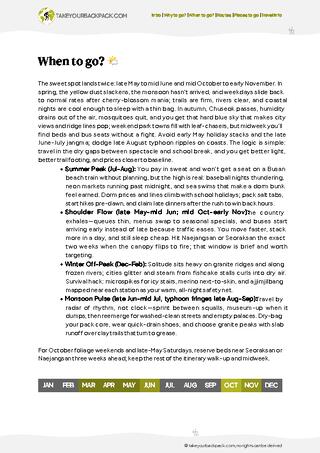
  • Weather & Temperature: Spring (April to June) and autumn (September to November) offer the most comfortable weather, with temperatures ranging from 10°C to 22°C (50°F to 72°F). Summers can be hot and humid, hitting 25°C to 30°C (77°F to 86°F), while winters drop to freezing, around -5°C to 5°C (23°F to 41°F), which can be brutal if you’re not prepared.

  • Daylight Hours: Longer days from May to August give you more time to explore, with up to 14 hours of daylight. In winter months like December and January, daylight shrinks to about 9 hours, cutting your wandering time short.

  • Crowds: Expect heavy crowds during weekends and national holidays, especially in spring cherry blossom season (April) and autumn foliage peak (October). Weekdays in early spring or late autumn are your best bet for
read more 👉

  • Weather & Temperature: Spring (April to June) and autumn (September to November) offer the most comfortable weather, with temperatures ranging from 10°C to 22°C (50°F to 72°F). Summers can be hot and humid, hitting 25°C to 30°C (77°F to 86°F), while winters drop to freezing, around -5°C to 5°C (23°F to 41°F), which can be brutal if you’re not prepared.

  • Daylight Hours: Longer days from May to August give you more time to explore, with up to 14 hours of daylight. In winter months like December and January, daylight shrinks to about 9 hours, cutting your wandering time short.

  • Crowds: Expect heavy crowds during weekends and national holidays, especially in spring cherry blossom season (April) and autumn foliage peak (October). Weekdays in early spring or late autumn are your best bet for a quieter stroll.

  • Seasonal Activities: Spring brings traditional festivals and street performances, while autumn showcases art fairs and tea ceremonies. Winter markets pop up but can feel more touristy and less authentic.

  • Price Fluctuations: Accommodation and some dining spots hike prices during peak tourist seasons (April and October). Visiting in shoulder months like March or November can save you a few bucks without sacrificing the vibe.


Pro-tip: Aim for a weekday visit in late spring or early autumn to dodge crowds, enjoy mild weather, and catch genuine cultural moments without the tourist circus.


source: climatestotravel.comJANJanuary: fair for travelingFEBFebruary: fair for travelingMARMarch: highly recommended for travelingAPRApril: highly recommended for travelingMAYMay: excellent for travelingJUNJune: excellent for travelingJULJuly: good for travelingAUGAugust: good for travelingSEPSeptember: excellent for travelingOCTOctober: highly recommended for travelingNOVNovember: highly recommended for travelingDECDecember: fair for traveling
when-to-go

✈️ The backpacker research shortcutSouth Korea Travel Guide

An offline-friendly backpacking guide with optimized travel routes, ranked highlights, transport advice, and the best areas to stay.
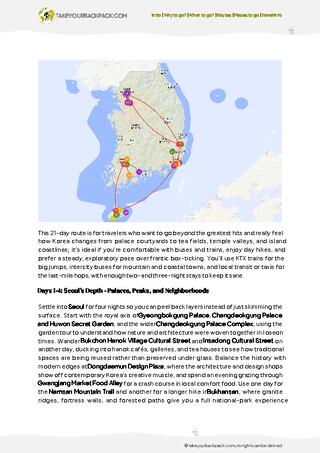
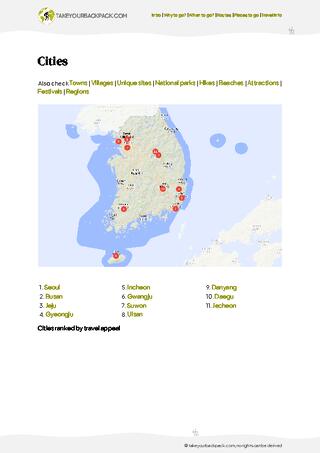
example page 0 from our offline Travel Guide for South Koreaexample page 1 from our offline Travel Guide for South Koreaexample page 2 from our offline Travel Guide for South Koreaexample page 3 from our offline Travel Guide for South Koreaexample page 4 from our offline Travel Guide for South Koreaexample page 5 from our offline Travel Guide for South Korea
The digital guide (355 pages) contains:
115 highlights, ranked by travel appeal
Optimized 7, 14 & 21-day travel routes
Best neighborhoods to stay
How to get around
Offline-friendly for travel without Wi-Fi
👉 See all 30+ guide features

📅 Plan smarter in minutes, not weeks
Month by month travel advice
Festivals & national holidays
Budget expectations

🗺️ Go to the right places, skip the overrated ones
Honest pros & cons of destinations
Top hikes, parks & viewpoints
Lesser-known places most travelers miss
Clear “worth it vs skip it” guidance

🛏️ Travel smoothly without rookie mistakes
Best areas to stay
Transport systems explained simply
Common scams & safety advice
SIM cards, money & practical tips

🌍 Understand the country, not just visit it
Culture & traditions
52 Essential phrases & customs
Festivals worth planning around
Traveler-friendly historical context
Insights that make places more meaningful

📱 Built for real travel conditions
Fully downloadable PDF
Works completely offline
Optimized for phone use
Useful in remote areas & buses
Everything in one place
Save weeks of stressful planning
Get instant access to the full guide directly. 30-day money-back guarantee.


Sent to your inbox immediately after payment • 100% Secure Checkout
Best Backpacking Travel Advisor 2025 tourism awardBest Backpacking
Travel Advisor
2025
What others say about Take Your Backpack Guides:
⭐⭐⭐⭐⭐
Fantastic, amazing amount of information!
⭐⭐⭐⭐⭐
My goodness this is amazing, it's what I've been looking for hats off too you!
⭐⭐⭐⭐⭐
I think this is absolutely BRILLIANT
⭐⭐⭐⭐
Very complete and informative. It's still missing places, but I gotta to commend you
⭐⭐⭐⭐⭐
This is truly amazing, thank you, can't wait to explore it with my kids!
⭐⭐⭐⭐⭐
Awesome resource, thank you!
⭐⭐⭐⭐⭐
This is amazing! Can't wait to explore the ones I haven't seen
⭐⭐⭐⭐
I love this! Well done, great idea.
⭐⭐⭐⭐⭐
Thanks for taking the time to make this gem!
⭐⭐⭐⭐⭐
This might be the best website I've ever seen.
⭐⭐⭐⭐⭐
Congratulations, and thank you so much for your work; it's incredibly valuable.
⭐⭐⭐⭐
In all seriousness I think you did a great job pointing out the important spots
⭐⭐⭐⭐⭐
10/10 very good
⭐⭐⭐⭐⭐
As someone who's only just starting to visit regularly this is awesome, thank you.
⭐⭐⭐⭐
Thank you very much! I'm going to visit my dad, it's going to be very useful!
⭐⭐⭐⭐⭐
This is really cool! We'll be travelling for the first time and this definitely come in handy.
⭐⭐⭐⭐⭐
You are now our minister of culture, congratulations 👨‍💼
⭐⭐⭐⭐⭐
Just wanted to tell you that this is a pearl! Going to follow your recommendations.
⭐⭐⭐⭐⭐
This is so cool. I'll definitely be using the resource for my travels soon.
⭐⭐⭐⭐⭐
This is very impressive! Good work.
⭐⭐⭐⭐⭐
This is an amazing and informative site. Very well done!

🛏️ Where to stay?Best areas and accommodation options

Insadong Cultural Street is often sold as this quaint, artsy haven where you sip traditional tea and browse antiques in peace. Reality check: it’s a magnet for tourists, especially on weekends, and the crowds can feel like a slow-moving river. Prices in the immediate vicinity lean toward the tourist trap side, with souvenir shops and cafes jacking up costs. But here’s the kicker—staying right in Insadong means you’re in the thick of Seoul’s cultural heartbeat.

For backpackers craving safety, social vibes, and budget-friendly digs, the neighborhoods just a few subway stops away—like Jongno and … read more 👉
Insadong Cultural Street is often sold as this quaint, artsy haven where you sip traditional tea and browse antiques in peace. Reality check: it’s a magnet for tourists, especially on weekends, and the crowds can feel like a slow-moving river. Prices in the immediate vicinity lean toward the tourist trap side, with souvenir shops and cafes jacking up costs. But here’s the kicker—staying right in Insadong means you’re in the thick of Seoul’s cultural heartbeat.

For backpackers craving safety, social vibes, and budget-friendly digs, the neighborhoods just a few subway stops away—like Jongno and Ikseon-dong—are gold. Jongno offers a gritty, lived-in feel with affordable guesthouses and plenty of local eateries where you can actually eat like a local, not just a tourist. Ikseon-dong, meanwhile, blends old Seoul charm with hip cafés and bars, perfect for solo travelers looking to meet others without the tourist circus. Both areas keep you close enough to Insadong’s charm without the inflated prices and crowds suffocating your experience.

👛 Costs (as of 17 March 2026)Typical daily expenses

Exploring Insadong Cultural Street in Seoul offers a range of experiences to suit various budgets. A typical visit may include street food snacks (€3 to €12), small souvenirs (€8 to €32), workshop activities (€8 to €24), and tea house visits (€8 to €16), totaling approximately €35 to €105 per day. ([koreandadofthree.com](https://koreandadofthree.com/insadong-ssamziegil-a-complete-travel-guide-to-seouls-cultural-street/?utm_source=openai))
⚠️ Prices can change and everyone travels differently, so take this as a rough guide. Hope it helps you plan your adventure!

Other South Korean attractions near Insadong Cultural Street

Explore more nearby:


👉 Discover all attractions

Or checkout all South Korea has to offer (think cities, towns, villages, national parks, hikes, beaches, festivals)
Country photo of South Korea

We 💚 feedbackFinal thoughts on visiting Insadong Cultural Street

Insadong’s charm isn’t in flawless Instagram shots or empty streets—it’s in the buzz of locals bargaining over handmade crafts and the scent of roasting chestnuts mixing with old paper from antique shops. Yes, it gets crowded and touristy, but that’s part of its pulse. The real magic? Duck into a tiny tea house off the main drag and watch time slow down.

✍️ Help improve this page!
The information on this page is based on in-depth research, insights shared by experienced travelers, and feedback from the local travel community in South Korea. While every effort is made to keep the information accurate and current, conditions can change — so if you spot anything incorrect or outdated, please get in touch.


🙋‍♂️ Give feedback

👋 Meet the founderWho’s Behind Take Your Backpack?

Johan, backpacker and founder of TakeYourBackpackHi, I’m Johan (Netherlands 🇳🇱), the creator of TakeYourBackpack. Over the past decade, I’ve backpacked through 80+ countries across six continents, gaining extensive experience with independent travel, long-term trips, and overland routes.

This site is built on a combination of firsthand travel experience and carefully curated insights from other backpackers. Many guides are based on places I’ve personally visited, while others bring together tips, observations, and practical advice shared by trusted travelers I’ve met along the way.

The goal is to provide realistic, experience-driven guidance — not generic itineraries — so you can explore destinations with better context, clearer expectations, and more confidence.

Get Full Country Guide |
Instant download • 115 highlights • Full Offline guide