
1. The Main Gate (Gwanghwamun):Let’s get real: you’ll be elbow-to-elbow with selfie sticks here, but there’s a reason everyone stops. Gwanghwamun isn’t just a gate; it’s a statement. The scale is imperial, the colors are unapologetically bold, and the mountain backdrop is pure Korean drama. The real magic? Watch the changing of the guard ceremony. It’s not a tourist sideshow—it’s a full-on, drum-thumping, costume-swirling spectacle that feels more like live theater than a history lesson. Skip the Instagram pose and just watch the faces of the local kids; that’s the real endorsement.
2. The Throne Hall (Geunjeongjeon):This is the heart of the palace, and it’s not subtle. The throne room is all about power—high ceilings, dragon motifs, and a throne that looks like it could swallow you … read more 👉
2. The Throne Hall (Geunjeongjeon):This is the heart of the palace, and it’s not subtle. The throne room is all about power—high ceilings, dragon motifs, and a throne that looks like it could swallow you … read more 👉
1. The Main Gate (Gwanghwamun):Let’s get real: you’ll be elbow-to-elbow with selfie sticks here, but there’s a reason everyone stops. Gwanghwamun isn’t just a gate; it’s a statement. The scale is imperial, the colors are unapologetically bold, and the mountain backdrop is pure Korean drama. The real magic? Watch the changing of the guard ceremony. It’s not a tourist sideshow—it’s a full-on, drum-thumping, costume-swirling spectacle that feels more like live theater than a history lesson. Skip the Instagram pose and just watch the faces of the local kids; that’s the real endorsement.
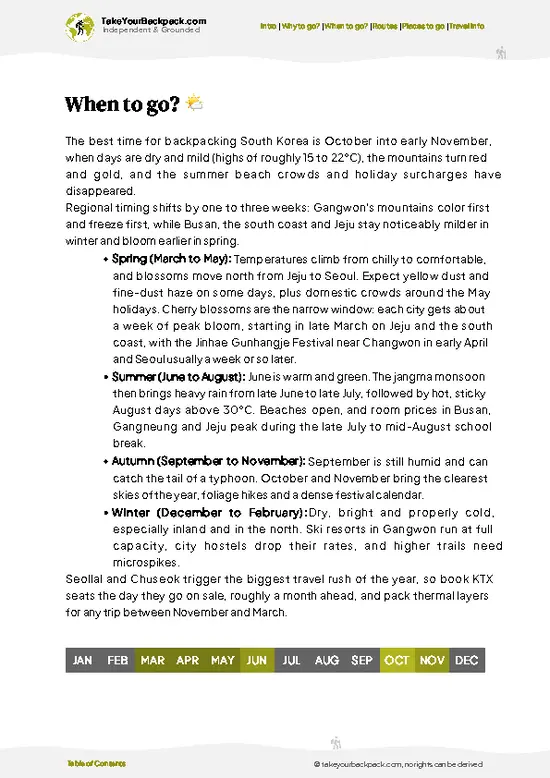
2. The Throne Hall (Geunjeongjeon):This is the heart of the palace, and it’s not subtle. The throne room is all about power—high ceilings, dragon motifs, and a throne that looks like it could swallow you whole. Yes, you’ll be jostling with tour groups, but if you linger after the crowds move on, you’ll catch the hush that settles over the courtyard. That’s when you feel the weight of centuries. The best part? The painted ceiling—look up, and you’ll see a riot of color and detail that’s more psychedelic than stately.
3. The Secret Garden (Hyangwonjeong Pavilion):Most people miss this. They shouldn’t. Tucked behind the main halls, this pond-and-pavilion combo is where the palace drops its guard. The pavilion sits on a tiny island, connected by a wooden bridge that’s just crooked enough to feel charming. Early morning or late afternoon, you’ll find a rare pocket of quiet. The reflection of the pavilion in the water is the kind of scene that makes you forget you’re in the middle of Seoul. It’s not about grandeur here—it’s about stillness.
4. Hanbok Experience:Here’s the honest truth: yes, renting a hanbok (traditional Korean clothing) is touristy. But it’s also a blast. Locals do it too, and you’ll get free entry if you show up in costume. The real fun is in the transformation—suddenly, you’re not just visiting history, you’re wearing it. The palace staff don’t bat an eye, and you’ll find yourself grinning at strangers in equally over-the-top outfits. It’s playful, it’s communal, and it’s the best icebreaker you’ll find in a city that can be shy.
5. National Folk Museum of Korea:Tucked inside the palace grounds, this museum is criminally underrated. Most people breeze past, but if you want to understand the “why” behind the palace’s rituals and architecture, this is your shortcut. The exhibits are hands-on, the dioramas are delightfully retro, and you’ll leave with a mental toolkit for decoding the rest of your trip. It’s not just artifacts behind glass—it’s stories, superstitions, and the kind of everyday details that make history stick.
Spotted a mistake or missing something? Contact us.

Royal Seoul Cooking Class in a 100-Year-Old Hanok

Goodmate Travel Multi-day Experience

Seoul Crafts Class Fragrance Experience

Morning Pedicab Heritage Tour

Private and Custom Highlights Tour from Seoul

Full day Private tailor-made Seoul Tour with Local Tour Guide

Seoul Private Local Tour: Gyeongbokgung, Seochon & Market Tour

Attractive Seoul today Private Tour by Sedan

Customizable Private Seoul Tour in luxury van for VIP


 Best Backpacking
 Hi, I’m Johan (Netherlands 🇳🇱), the creator of TakeYourBackpack. Over the past 3 decades, I’ve backpacked through 90+ countries across six continents, gaining extensive experience with independent travel, long-term trips, and overland routes.