
Woljeongsa Temple
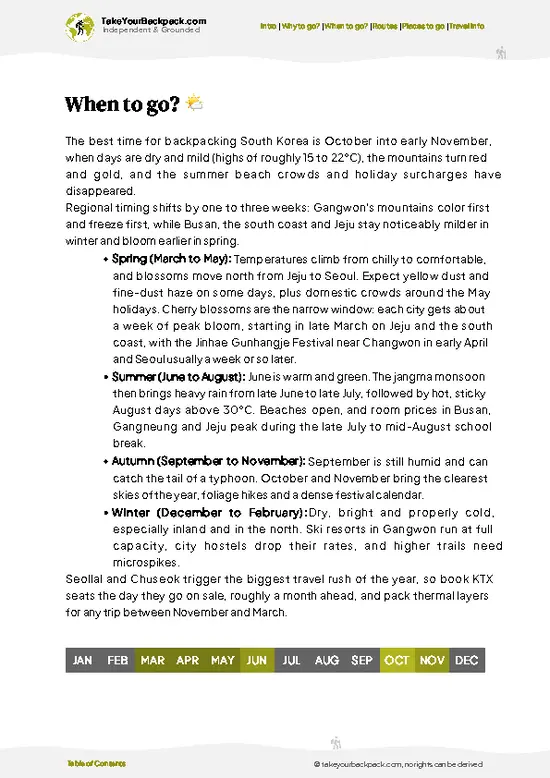
Step through the pine forest and you’ll hear the hush before you see the temple’s jade roofs. Woljeongsa is not just a photogenic relic; it’s a living, breathing center of Korean Buddhism. The scent of incense drifts through the air, and the sound of monks chanting at dawn is a memory that lingers. The temple’s octagonal nine-story pagoda is a national treasure, but the real magic is in the early morning mist, when the crowds are thin and the forest feels ancient. Visit at sunrise or just after, especially in autumn when the leaves set the valley on fire. Entry is around 4,000 KRW. Give yourself 2-3 hours to wander, or longer if you join a tea ceremony or meditation session.
Pyeongchang Trout Market (Jinbu Traditional Market)
This is where you taste the region, not just see … read more 👉
Woljeongsa Temple
Step through the pine forest and you’ll hear the hush before you see the temple’s jade roofs. Woljeongsa is not just a photogenic relic; it’s a living, breathing center of Korean Buddhism. The scent of incense drifts through the air, and the sound of monks chanting at dawn is a memory that lingers. The temple’s octagonal nine-story pagoda is a national treasure, but the real magic is in the early morning mist, when the crowds are thin and the forest feels ancient. Visit at sunrise or just after, especially in autumn when the leaves set the valley on fire. Entry is around 4,000 KRW. Give yourself 2-3 hours to wander, or longer if you join a tea ceremony or meditation session.
Pyeongchang Trout Market (Jinbu Traditional Market)
This is where you taste the region, not just see it. Pyeongchang is famous for its trout, and the market is a sensory riot—grilled fish sizzling, vendors shouting, steam rising from vats of spicy soup. Grab a seat at a stall and order hoe (raw trout) or have it grilled on the spot. The market is busiest on weekends and during winter festival season (December-February), but you’ll find fresh fish year-round. Expect to spend 10,000-20,000 KRW for a full meal. An hour is enough for a meal, but linger if you want to watch the fish auctions or chat with the locals.
Pyeongchang Olympic Stadium & Olympic Museum
This is the epicenter of the 2018 Winter Olympics legacy. The stadium itself is a stark, open-air monument—windy, yes, but standing here you can almost hear the roar of the crowd from the opening ceremony. The adjacent museum is compact but packed with memorabilia, interactive displays, and stories of athletes who trained on these slopes. Visit in the late afternoon for softer light and fewer tour groups. Entry to the museum is about 5,000 KRW. Allow 1-1.5 hours.
Lee Hyo-seok Culture Village
This village is a living tribute to one of Korea’s most beloved writers, Lee Hyo-seok. Walk the same paths he described in his stories, lined with buckwheat fields that bloom white in September. The air is sweet with wildflowers, and the village hosts a literary festival each autumn. Even outside festival season, the old schoolhouse and writer’s home offer a quiet, reflective escape. Free to wander, but some exhibits charge a small fee (under 3,000 KRW). Plan for 1-2 hours, longer if you’re a literature buff.
Pyeongchang Herb Nara
A working herb farm and garden, Herb Nara is a riot of color and fragrance from spring through autumn. Lavender, mint, and rosemary scent the air, and there are hands-on workshops for making herbal teas or soaps. It’s a gentle, sensory counterpoint to the region’s rugged peaks. Best in May-October. Entry is about 7,000 KRW. Two hours is enough for a stroll and a workshop.
For day trips, the Odaesan National Park trails, Daegwallyeong Sheep Farm, and the Samyang Ranch are all within easy reach and offer a deeper dive into the mountain spirit that defines this region.
Spotted a mistake or missing something? Contact us.


 Best Backpacking
 Hi, I’m Johan (Netherlands 🇳🇱), the creator of TakeYourBackpack. Over the past 3 decades, I’ve backpacked through 90+ countries across six continents, gaining extensive experience with independent travel, long-term trips, and overland routes.