×
Seoul

South Korea🇰🇷 | citiesSeoulPalaces, street markets, urban hiking trails | things to do and best time to go

Explore JejuExplore Andong

Backpacking in Seoul
🏆 Top pickcity ranked #1
By Johan Kruseman 🇳🇱 | Updated September 4, 2026

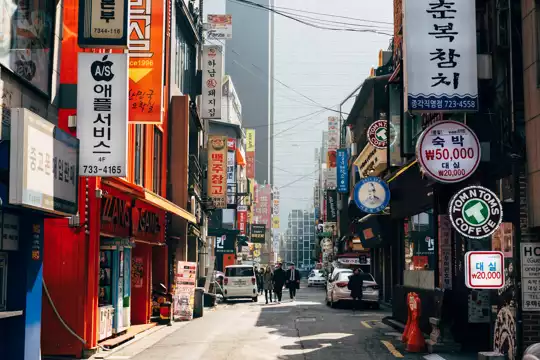
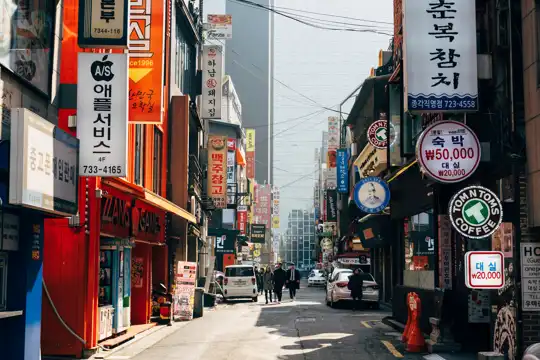
Steam from a street-food cart fogs your glasses as a metal ladle slams against a pot; K‑pop leaks from a convenience store speaker; a motorbike threads between you and a group of students in oversized hoodies, all lit by a wall of LED signs arguing for your attention. This is central Seoul, jammed into the northwest of South Korea, a dense brain of a city pulsing out into the rest of the country by subway and high-speed rail.

For backpackers, Seoul is efficient, addictive, and a little relentless. Transit is cheap and idiot-proof, hostels are social but not chaotic, and you can wander from Gyeongbokgung’s palace courtyards to Hongdae’s 4 a.m. bars in a single day without ever feeling lost. It’s safer and more polished than Busan or Daegu, pricier than smaller cities, and less instantly warm than many places in Southeast Asia. The vibe: hyper-organized, caffeinated, design-obsessed, with enough history and late-night energy to keep you out far past when your legs say stop.

Discover everything you want to know in the 📖 South Korea Travel Guide.
Loading the map 🌍
CLICK TO FILTER
cities
towns
villages
landmarks
national parks
hikes
beaches
attractions
festivals
regions
SHOW COUNTRY’S BESTSHOW ALL

✨ Why go?
Ranked #1 city in South Korea
The unique appeal for travelers

Seoul is a backpacker’s dream for several reasons. First, the basecamp value is exceptional. It’s not just a city; it’s a launchpad for day trips to places like the DMZ or nearby mountains. You can easily hop on a train and be immersed in nature or history within an hour.

Accommodations are plentiful, with hostels that cater to every budget, often featuring social spaces where you can meet fellow travelers. The food scene is a highlight in itself. Street vendors serve up delicious bites that won’t break the bank, and local markets offer a taste of authentic Korean culture.

The city is incredibly walkable, making it easy to explore neighborhoods and soak in the atmosphere without relying on public transport. When the sun sets, the nightlife kicks in, with everything from cozy bars to vibrant … read more 👉
Seoul is a backpacker’s dream for several reasons. First, the basecamp value is exceptional. It’s not just a city; it’s a launchpad for day trips to places like the DMZ or nearby mountains. You can easily hop on a train and be immersed in nature or history within an hour.

Accommodations are plentiful, with hostels that cater to every budget, often featuring social spaces where you can meet fellow travelers. The food scene is a highlight in itself. Street vendors serve up delicious bites that won’t break the bank, and local markets offer a taste of authentic Korean culture.

The city is incredibly walkable, making it easy to explore neighborhoods and soak in the atmosphere without relying on public transport. When the sun sets, the nightlife kicks in, with everything from cozy bars to vibrant clubs, ensuring you can unwind after a day of exploration.

Finally, onward travel is a breeze. With a well-connected transport system, you can easily continue your journey to other parts of South Korea or beyond. If you’re looking for a city that balances highlights with a laid-back vibe, Seoul is worth more than just a short stop.
Want to include Seoul in your South Korea route?
Create a personalized South Korea itinerary that includes Seoul and the places that fit your trip — based on your travel style, budget, and available time. Get your route in seconds.

Generate my trip

💡 HighlightsMust-see experiences and standout moments

  1. Gyeongbokgung Palace — The grandest Joseon-era palace with expansive courtyards, the Gyeonghoeru pavilion and daily changing of the guard; great for history, photos in hanbok, and understanding royal Seoul at its largest scale.
  2. Changdeokgung Palace and Huwon (Secret Garden) — A more intimate, beautifully landscaped palace complex whose Secret Garden is a carefully designed “natural” retreat; the guided Huwon tour is quietly magical and shows a different side of royal aesthetics.
  3. Bukchon Hanok Village — Narrow lanes lined with preserved traditional hanok homes sitting between two palaces; it’s touristy but still delivers an up-close look at old Seoul architecture and living streetscapes — go early or late to avoid crowds.
  4. Jongmyo Shrine — A UNESCO site and living Confucian ritual space
read more 👉
  1. Gyeongbokgung Palace — The grandest Joseon-era palace with expansive courtyards, the Gyeonghoeru pavilion and daily changing of the guard; great for history, photos in hanbok, and understanding royal Seoul at its largest scale.
  2. Changdeokgung Palace and Huwon (Secret Garden) — A more intimate, beautifully landscaped palace complex whose Secret Garden is a carefully designed “natural” retreat; the guided Huwon tour is quietly magical and shows a different side of royal aesthetics.
  3. Bukchon Hanok Village — Narrow lanes lined with preserved traditional hanok homes sitting between two palaces; it’s touristy but still delivers an up-close look at old Seoul architecture and living streetscapes — go early or late to avoid crowds.
  4. Jongmyo Shrine — A UNESCO site and living Confucian ritual space where ancestral rites still happen; its austere architecture and calm atmosphere give a real sense of Korea’s spiritual and court traditions.
  5. Gwangjang Market — One of the oldest food markets in Seoul: try bindaetteok (mung pancake), mayak kimbap and raw beef if you’re brave; it’s chaotic, cheap, and a textbook sample of everyday Korean eating culture.
  6. Cheonggyecheon Stream — An 11-km urban stream cut through downtown that shows Seoul’s modern reinvention: peaceful walks, light installations, and riverside life contrasting the surrounding high-rises.
  7. Dongdaemun Design Plaza (DDP) — Zaha Hadid’s futuristic landmark that mixes architecture, rotating design exhibitions and night markets; it captures Seoul’s modern creative pulse and is especially striking after dark.
  8. Namsan and N Seoul Tower — Hike or bus up Namsan for city panoramas, layered trails and the tower’s observation decks; it’s classic for sunset views and to feel how Seoul spreads over hills and river.
  9. National Museum of Korea — Korea’s main museum with world-class collections from prehistoric artifacts to Joseon ceramics; free-ish, huge, and a reliable way to contextualize everything you’re seeing around the city.
  10. Seochon Village & Tongin Market — A quieter, lived-in neighborhood west of Gyeongbokgung with independent galleries, traditional homes and Tongin Market’s dosirak (lunchbox) cafe where you buy tokens and assemble a cheap, delicious meal — very local-feeling.
For easy day trips outside the city try the DMZ tours north of Seoul, the historic city of Suwon with its Hwaseong Fortress, or the riverside and temples of Incheon’s nearby islands.
Spotted a mistake or missing something? Contact us.

Things to do in Seoul

Ratings based on Tripadvisor reviews. When you book through this link, you support our work at no extra cost to you.

🏘️ NeighborhoodsKey areas and districts to know

Seoul is a dynamic city where each neighborhood offers a unique flavor, making it essential for backpackers to choose wisely. Here’s a breakdown of key areas to help you navigate your options.

Hongdae: This area pulses with youthful energy, thanks to its proximity to Hongik University. Expect vibrant street performances and a plethora of cafes and bars. It’s affordable, walkable, and perfect for those who crave nightlife. Ideal for short stays, but the lively atmosphere can be overwhelming for longer visits.

Insadong: A cultural hub, Insadong is where tradition meets modernity. Stroll through art galleries and tea houses, and soak in the serene vibe. Prices can be higher here, but the experience is worth it. It’s walkable and offers easy access to public transport, making it suitable for … read more 👉
Seoul is a dynamic city where each neighborhood offers a unique flavor, making it essential for backpackers to choose wisely. Here’s a breakdown of key areas to help you navigate your options.

Hongdae: This area pulses with youthful energy, thanks to its proximity to Hongik University. Expect vibrant street performances and a plethora of cafes and bars. It’s affordable, walkable, and perfect for those who crave nightlife. Ideal for short stays, but the lively atmosphere can be overwhelming for longer visits.

Insadong: A cultural hub, Insadong is where tradition meets modernity. Stroll through art galleries and tea houses, and soak in the serene vibe. Prices can be higher here, but the experience is worth it. It’s walkable and offers easy access to public transport, making it suitable for both short and longer stays.

Gangnam: Known for its upscale shopping and sleek skyscrapers, Gangnam is a bit pricier. The area is well-connected by subway, making it easy to explore. While it’s quieter at night, the daytime buzz is palpable. Great for those looking to splurge a little, but not the best choice for budget travelers.

Itaewon: A melting pot of cultures, Itaewon offers diverse dining options and a lively nightlife scene. Prices vary, but you can find budget-friendly spots. It’s walkable and well-connected, making it suitable for both short and longer stays. The international vibe makes it a great place to meet fellow travelers.

Bukchon Hanok Village: This area is a step back in time, filled with traditional Korean houses. It’s quieter and more residential, perfect for those seeking a peaceful retreat. While it’s less walkable than other neighborhoods, it’s a short distance from major attractions. Best for longer stays where you can soak in the culture.

⌛️ 1 daySeeing the highlights in 24 hours

Seoul is a city where ancient traditions and cutting-edge technology coexist in a thrilling dance. From the serene beauty of palaces to the vibrant energy of street markets, every corner offers a new experience. You can easily spend a day here, diving into its rich culture without feeling rushed.

Start your morning in the historic district of Bukchon Hanok Village. Wander through the narrow alleys lined with traditional hanoks, where you can almost hear the whispers of history. Grab a cup of aromatic Korean tea at a local teahouse. It’s a perfect way to ease into the day. The village is a short walk from Gyeongbokgung Palace, where you can catch the changing of the guard ceremony. The palace grounds are expansive, so take your time exploring the beautiful architecture and serene gardens.
read more 👉
Seoul is a city where ancient traditions and cutting-edge technology coexist in a thrilling dance. From the serene beauty of palaces to the vibrant energy of street markets, every corner offers a new experience. You can easily spend a day here, diving into its rich culture without feeling rushed.

Start your morning in the historic district of Bukchon Hanok Village. Wander through the narrow alleys lined with traditional hanoks, where you can almost hear the whispers of history. Grab a cup of aromatic Korean tea at a local teahouse. It’s a perfect way to ease into the day. The village is a short walk from Gyeongbokgung Palace, where you can catch the changing of the guard ceremony. The palace grounds are expansive, so take your time exploring the beautiful architecture and serene gardens.

As the afternoon rolls in, head over to Insadong, just a stone’s throw away. This neighborhood is a treasure trove of art galleries, antique shops, and street food stalls. Try some hotteok, a sweet pancake filled with brown sugar and nuts, while browsing local crafts. If you’re feeling adventurous, pop into a traditional craft workshop to make your own souvenir. It’s a hands-on experience that’s often overlooked by tourists.

For the evening, make your way to the lively district of Hongdae. Known for its youthful vibe, this area is packed with street performers, quirky cafes, and shops. Grab dinner at a local barbecue joint—there’s nothing quite like grilling your own meat at the table. Afterward, stroll through the streets to soak in the vibrant nightlife. If you want a unique twist, check out the nearby Mangwon Market, where locals shop for fresh produce and snacks. It’s less touristy and gives you a taste of everyday life in Seoul.

By focusing on these neighborhoods, you’ll experience the heart of Seoul without feeling overwhelmed. Each choice you make—whether to linger in a teahouse or dive into the bustling market—adds depth to your journey, turning a simple day into a rich tapestry of memories.
Turn your Seoul visit into an South Korea adventure
Build a complete South Korea route with Seoul, hidden gems, must-see destinations, and realistic travel times included.

Generate my trip

🌤️ When to go?Choosing the right time of year


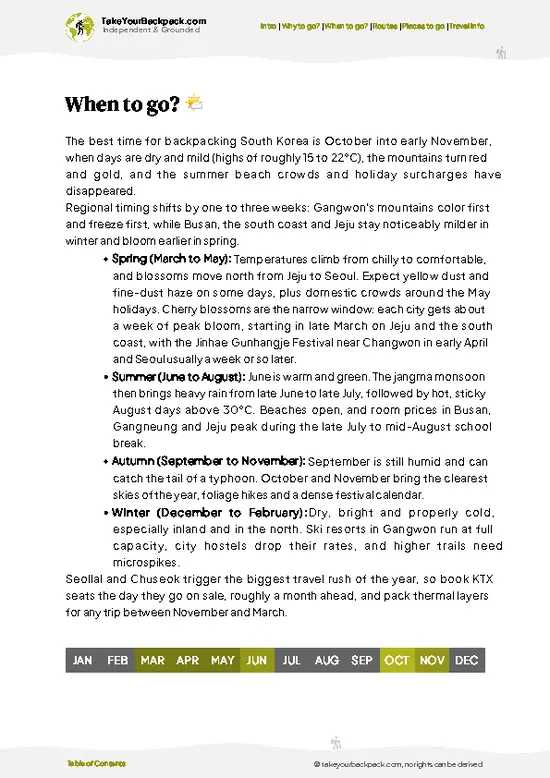
  • Weather: Spring (April to June) and autumn (September to November) offer the most agreeable weather. Expect mild temperatures and low humidity, avoiding Seoul’s harsh winters that dip below -5°C (23°F) and summers that can spike above 30°C (86°F) with sticky humidity.

  • Temperature: Spring averages 13-20°C (55-68°F), perfect for layering and long walks. Autumn is similar, with crisp air that feels fresh but not biting, ideal for exploring without overheating or freezing.

  • Daylight Hours: Spring and autumn provide balanced daylight, roughly 12-14 hours, enough to pack your day with sightseeing without rushing or losing light early.

  • Crowds: Peak tourist seasons align with cherry blossom season in April and autumn foliage in October. These bring crowds but also unique cultural vibrancy.
read more 👉

  • Weather: Spring (April to June) and autumn (September to November) offer the most agreeable weather. Expect mild temperatures and low humidity, avoiding Seoul’s harsh winters that dip below -5°C (23°F) and summers that can spike above 30°C (86°F) with sticky humidity.

  • Temperature: Spring averages 13-20°C (55-68°F), perfect for layering and long walks. Autumn is similar, with crisp air that feels fresh but not biting, ideal for exploring without overheating or freezing.

  • Daylight Hours: Spring and autumn provide balanced daylight, roughly 12-14 hours, enough to pack your day with sightseeing without rushing or losing light early.

  • Crowds: Peak tourist seasons align with cherry blossom season in April and autumn foliage in October. These bring crowds but also unique cultural vibrancy. Off-peak months like May or late November offer quieter streets and more breathing room.

  • Seasonal Activities: Spring hosts cherry blossoms and outdoor festivals; autumn showcases colorful foliage and harvest celebrations. Both seasons provide rich cultural experiences that winter and summer lack.

  • Price Fluctuations: Expect higher accommodation and flight prices during cherry blossom and autumn foliage peaks. Traveling just before or after these windows can save money without sacrificing much atmosphere.


Pro-tip: Aim for late April or mid-October to hit the sweet spot—great weather, manageable crowds, and better prices—turning your Seoul trip into a strategic win.


source: climatestotravel.comJANJanuary: fair for travelingFEBFebruary: fair for travelingMARMarch: good for travelingAPRApril: excellent for travelingMAYMay: highly recommended for travelingJUNJune: highly recommended for travelingJULJuly: below average for travelingAUGAugust: below average for travelingSEPSeptember: highly recommended for travelingOCTOctober: excellent for travelingNOVNovember: highly recommended for travelingDECDecember: fair for traveling
South Korea - Seoul

✈️ The backpacker research shortcutSouth Korea Travel Guide

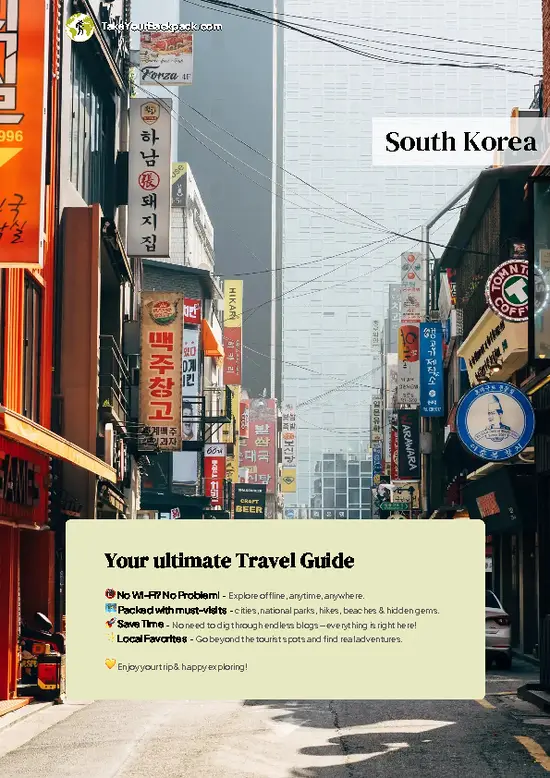
An offline-friendly backpacking guide with optimized travel routes, ranked highlights, transport advice, and the best areas to stay.
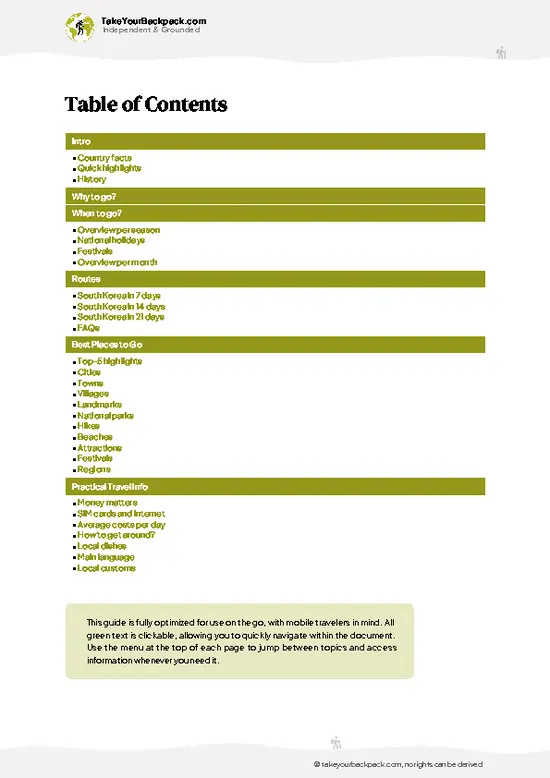
example page 0 from our offline Travel Guide for South Korea
example page 1 from our offline Travel Guide for South Korea
example page 2 from our offline Travel Guide for South Korea
example page 3 from our offline Travel Guide for South Korea
example page 4 from our offline Travel Guide for South Korea
example page 5 from our offline Travel Guide for South Korea
example page 6 from our offline Travel Guide for South Korea
example page 7 from our offline Travel Guide for South Korea
The digital guide (439 pages) contains:
124 highlights, ranked by travel appeal
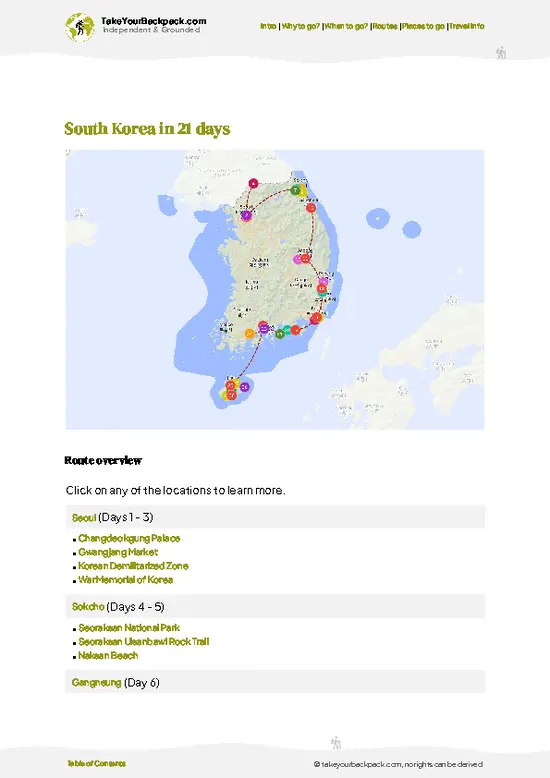
Optimized 7, 14 & 21-day travel routes
Cities, national parks, landmarks, beaches
How to get around
Offline-friendly for travel without Wi-Fi
👉 Click to see all 30+ guide features

📅 Plan smarter in minutes, not weeks
Month by month travel advice
Festivals & national holidays
Budget expectations

🗺️ Go to the right places, skip the overrated ones
Honest pros & cons of destinations
Top hikes, parks & viewpoints
Lesser-known places most travelers miss
Clear “worth it vs skip it” guidance

🛏️ Travel smoothly without rookie mistakes
Best areas to stay
Transport systems explained simply
Common scams & safety advice
SIM cards, money & practical tips

🌍 Understand the country, not just visit it
Culture & traditions
52 Essential phrases & customs
Festivals worth planning around
Traveler-friendly historical context
Insights that make places more meaningful

📱 Built for real travel conditions
Fully downloadable PDF
Works completely offline
Optimized for phone use
Useful in remote areas & buses
Everything in one place
Save weeks of stressful planning
Get instant access to your full guide. 30‑day money-back guarantee.
+ Add another guide for just US$7.80

By proceeding you agree to our terms.
Sent to your inbox immediately after payment • 100% Secure Checkout
Best Backpacking Travel Advisor 2025 tourism awardBest Backpacking
Travel Advisor
2025
What others say about Take Your Backpack Guides:
⭐⭐⭐⭐⭐
Fantastic, amazing amount of information!
⭐⭐⭐⭐⭐
My goodness this is amazing, it's what I've been looking for hats off too you!
⭐⭐⭐⭐⭐
I think this is absolutely BRILLIANT
⭐⭐⭐⭐
Very complete and informative. It's still missing places, but I gotta to commend you
⭐⭐⭐⭐⭐
This is truly amazing, thank you, can't wait to explore it with my kids!
⭐⭐⭐⭐⭐
Awesome resource, thank you!
⭐⭐⭐⭐⭐
This is amazing! Can't wait to explore the ones I haven't seen
⭐⭐⭐⭐
I love this! Well done, great idea.
⭐⭐⭐⭐⭐
Thanks for taking the time to make this gem!
⭐⭐⭐⭐⭐
This might be the best website I've ever seen.
⭐⭐⭐⭐⭐
Congratulations, and thank you so much for your work; it's incredibly valuable.
⭐⭐⭐⭐
In all seriousness I think you did a great job pointing out the important spots
⭐⭐⭐⭐⭐
10/10 very good
⭐⭐⭐⭐⭐
As someone who's only just starting to visit regularly this is awesome, thank you.
⭐⭐⭐⭐
Thank you very much! I'm going to visit my dad, it's going to be very useful!
⭐⭐⭐⭐⭐
This is really cool! We'll be travelling for the first time and this definitely come in handy.
⭐⭐⭐⭐⭐
You are now our minister of culture, congratulations 👨‍💼
⭐⭐⭐⭐⭐
Just wanted to tell you that this is a pearl! Going to follow your recommendations.
⭐⭐⭐⭐⭐
This is so cool. I'll definitely be using the resource for my travels soon.
⭐⭐⭐⭐⭐
This is very impressive! Good work.
⭐⭐⭐⭐⭐
This is an amazing and informative site. Very well done!

🛏️ Where to stay?Best areas and accommodation options

Hongdae is the backpacker’s playground in Seoul. It’s where youthful energy meets affordability without sacrificing safety or social buzz. The area pulses with street performers, indie music, and late-night eateries, making it easy to meet fellow travelers. Hostels here are plentiful, ranging from ultra-budget dorms to slightly pricier spots with a bit more comfort. Staying in Hongdae means you’re trading off a bit of quiet for a lively atmosphere that’s perfect if you want to dive into Seoul’s creative scene and nightlife without breaking the bank.

Itaewon offers a different flavor—more international … read more 👉
Hongdae is the backpacker’s playground in Seoul. It’s where youthful energy meets affordability without sacrificing safety or social buzz. The area pulses with street performers, indie music, and late-night eateries, making it easy to meet fellow travelers. Hostels here are plentiful, ranging from ultra-budget dorms to slightly pricier spots with a bit more comfort. Staying in Hongdae means you’re trading off a bit of quiet for a lively atmosphere that’s perfect if you want to dive into Seoul’s creative scene and nightlife without breaking the bank.

Itaewon offers a different flavor—more international and diverse, with a strong expat presence. It’s safe and social, but leans toward a slightly higher price point compared to Hongdae. Hostels here tend to attract solo travelers looking for a cosmopolitan vibe and easy access to global cuisine. The trade-off is that Itaewon can feel less authentically Korean and more commercial, but if you want a melting pot experience with plenty of social opportunities, it’s a solid choice.

Myeongdong is the shopping hub, packed with tourists and budget travelers alike. It’s safe and convenient, with hostels that cater to those who want to be in the heart of the action. The downside is the crowds and a more commercial feel, which can drain your energy if you’re after a chill, local vibe.

In Seoul, your choice boils down to what you value: Hongdae for youthful energy and budget-friendly social scenes, Itaewon for international flair and slightly more comfort, or Myeongdong for convenience and nonstop buzz. Each area offers a distinct trade-off between comfort, cost, and the kind of social experience you want to unlock.

🚌 Getting aroundHow to get around Seoul

Seoul moves like a well-oiled machine, but don’t mistake that for dull rigidity. It’s a city where precision meets pulse—subway trains arrive like clockwork, yet the streets buzz with spontaneous energy. You’ll find the rhythm here is a dance between strict schedules and the chaotic intuition of millions weaving through the urban maze. Understanding this flow is your secret weapon. It’s not just about getting from A to B; it’s about choosing how much time, money, and comfort you’re willing to trade to unlock the city’s layers. Here’s the breakdown of your essential transit options, each a different equation in the trade-off game.


  • Seoul Metropolitan Subway: The backbone of the city’s transit, running from about 5:30 AM to midnight. Tickets start at roughly 1,350 KRW (~$1.10), making it
read more 👉
Seoul moves like a well-oiled machine, but don’t mistake that for dull rigidity. It’s a city where precision meets pulse—subway trains arrive like clockwork, yet the streets buzz with spontaneous energy. You’ll find the rhythm here is a dance between strict schedules and the chaotic intuition of millions weaving through the urban maze. Understanding this flow is your secret weapon. It’s not just about getting from A to B; it’s about choosing how much time, money, and comfort you’re willing to trade to unlock the city’s layers. Here’s the breakdown of your essential transit options, each a different equation in the trade-off game.


  • Seoul Metropolitan Subway: The backbone of the city’s transit, running from about 5:30 AM to midnight. Tickets start at roughly 1,350 KRW (~$1.10), making it the cheapest and fastest way to cover long distances. Trains come every 2-5 minutes during peak hours, so waiting time is minimal. Comfort is basic but reliable—clean, air-conditioned cars with plenty of standing room. Perfect if you value speed and budget over personal space.


  • City Buses: A sprawling network that complements the subway, with routes covering areas the trains don’t reach. Fares are similar to the subway, around 1,200-1,500 KRW. Buses run from early morning until about 11 PM, but expect slower travel times due to traffic, especially during rush hour. The trade-off here is money and comfort for direct access to neighborhoods and sights off the subway grid.


  • Walking: Seoul’s compact neighborhoods and pedestrian-friendly streets make walking a surprisingly efficient option. It costs nothing and lets you soak in the city’s textures—street food stalls, local markets, and unexpected alleys. The trade-off is time and physical energy, but the payoff is a deeper, more tactile connection to the city’s pulse.


  • Taxi: Readily available and relatively affordable compared to Western cities, taxis start at about 3,800 KRW (~$3.10) for the first 2 kilometers, with incremental charges after. They operate 24/7, offering unmatched comfort and door-to-door convenience. The catch: traffic jams can turn a quick ride into a slow crawl, so you’re trading money and comfort for time unpredictability.


  • Airport Railroad Express (AREX): If you’re landing or leaving, this is your best bet. It connects Incheon International Airport to Seoul Station in about 43 minutes, with trains every 20-40 minutes from 5:20 AM to 11:40 PM. Tickets cost around 9,500 KRW (~$7.80) for the express train, which is faster and more comfortable than the all-stop option. This is a clear trade-off: pay more for speed and comfort when your time is tight.

👛 Costs (as of 4 September 2026)Travel costs and budget guide for Seoul

Seoul’s backpacking costs balance modern convenience with pockets of affordability, letting you tailor your spend based on how much comfort you want and how fast you want to move.
  • Dorm Accommodation (High Season): Expect to pay around $15-$25 per night in popular areas like Hongdae or Itaewon. These dorms are clean, often with air conditioning and decent Wi-Fi, but prices spike during peak travel months (spring and fall).
  • Dorm Accommodation (Off-Season): In quieter months, prices drop to about $10-$18. You’ll find more availability and sometimes extras like free breakfast or communal events to meet other travelers.
  • Meals: Street food and local eateries keep costs low. A filling meal from a street vendor or casual restaurant runs $3-$7. If you opt for a sit-down Korean BBQ or a trendy café,
read more 👉
Seoul’s backpacking costs balance modern convenience with pockets of affordability, letting you tailor your spend based on how much comfort you want and how fast you want to move.
  • Dorm Accommodation (High Season): Expect to pay around $15-$25 per night in popular areas like Hongdae or Itaewon. These dorms are clean, often with air conditioning and decent Wi-Fi, but prices spike during peak travel months (spring and fall).
  • Dorm Accommodation (Off-Season): In quieter months, prices drop to about $10-$18. You’ll find more availability and sometimes extras like free breakfast or communal events to meet other travelers.
  • Meals: Street food and local eateries keep costs low. A filling meal from a street vendor or casual restaurant runs $3-$7. If you opt for a sit-down Korean BBQ or a trendy café, expect $10-$20. Cooking your own food in hostel kitchens can cut this further.
  • Local Transport: Single subway or bus rides cost roughly $1-$1.50. Taxis start at about $3, but they’re not the best budget move unless you’re splitting fares or traveling late.
  • City Transport Pass: The T-money card is a must-have for convenience and savings. Loading $10-$20 on it covers multiple rides daily, effectively lowering per-trip costs to around $0.90 and giving you access to buses, subways, and even some taxis.
  • Basic Activities/Entry Fees: Museums and cultural sites typically charge $3-$8. Some major attractions like the N Seoul Tower or palaces might be closer to $10-$15. Many parks and temples are free or ask for a small donation.
  • Miscellaneous Expenses: Budget $2-$5 daily for essentials like bottled water, snacks, or a coffee. If you want to grab a local SIM card or do laundry, factor in occasional one-time costs of $10-$20.

Seoul’s daily backpacking budget ranges roughly from $30 on the leanest days to about $60 if you lean into comfort and activities. The trade-off is clear: spend less on accommodation and meals, and you’ll have less wiggle room for experiences, or vice versa. Knowing where to flex your budget lets you control the quality of your trip without surprises.


source: english.visitkorea.or.kr
⚠️ Prices can change and everyone travels differently, so take this as a rough guide. Hope it helps you plan your adventure!

🚌 Day tripsExploring the surroundings

Seoul is a fantastic launchpad for day trips that blend culture, nature, and history. Here’s how to maximize your time, money, and comfort while exploring the surrounding gems.

**DMZ (Demilitarized Zone)**
A visit to the DMZ is a must for understanding Korea’s complex history. Just an hour from Seoul, this heavily fortified border offers a glimpse into the past and present of North and South Korea. Tours typically cost around $50, which includes transportation and a guide. The best time to go is during the spring or fall when the weather is mild. A common mistake? Not booking in advance; spots fill up quickly. This trip is not just about seeing a border; it’s about feeling the weight of history.


**Nami Island**
Nami Island is a picturesque escape that feels worlds away from the city. … read more 👉
Seoul is a fantastic launchpad for day trips that blend culture, nature, and history. Here’s how to maximize your time, money, and comfort while exploring the surrounding gems.

**DMZ (Demilitarized Zone)**
A visit to the DMZ is a must for understanding Korea’s complex history. Just an hour from Seoul, this heavily fortified border offers a glimpse into the past and present of North and South Korea. Tours typically cost around $50, which includes transportation and a guide. The best time to go is during the spring or fall when the weather is mild. A common mistake? Not booking in advance; spots fill up quickly. This trip is not just about seeing a border; it’s about feeling the weight of history.


**Nami Island**
Nami Island is a picturesque escape that feels worlds away from the city. About two hours from Seoul, this half-moon shaped isle is famous for its tree-lined avenues and serene atmosphere. Expect to spend around $30 for transportation and entrance fees. Spring and autumn are prime times for vibrant foliage, but summer offers lush greenery. Many first-timers underestimate the ferry ride; it’s part of the experience, so don’t rush! Stroll, bike, or just relax by the water—this island is all about unwinding.


**Bukhansan National Park**
If you’re craving some outdoor adventure, Bukhansan National Park is a quick 30-minute subway ride from central Seoul. The park boasts stunning granite peaks and diverse wildlife, making it a hiker’s paradise. Entry is free, but you might spend around $10 on snacks and water. Spring and fall are ideal for hiking, as the temperatures are comfortable. A common pitfall? Not checking trail difficulty; some paths can be challenging. Pack your gear and enjoy breathtaking views without straying far from the city.


**Incheon Chinatown**
For a taste of culture and cuisine, head to Incheon’s Chinatown, just an hour from Seoul. This vibrant area is packed with colorful streets, delicious street food, and unique shops. You can easily explore for under $20, including transport and snacks. Visit during the Lunar New Year for lively festivities, but any time offers a rich experience. Many travelers miss out on the local delicacies; don’t skip the jjajangmyeon (black bean noodles). It’s a culinary adventure worth savoring.


These day trips from Seoul not only enhance your travel experience but also empower you to make conscious choices about how you spend your time and money.
Want to know what more South Korea offers?
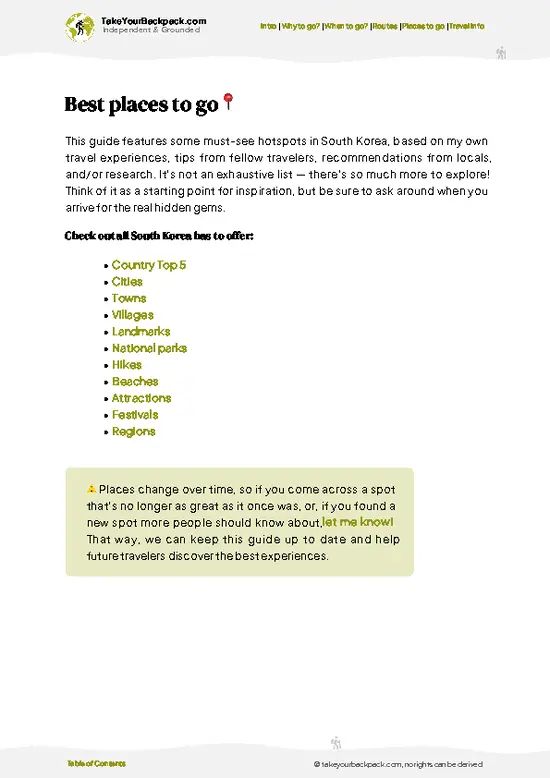
The South Korea Travel Guide describes 124 highlights, from cities to national parks, from beaches to hikes

Get the Travel Guide -

🍲 FoodLocal Cuisine & Drinks

Seoul is a **culinary playground** where every corner bursts with flavors. Dive into **kimchi**, the iconic fermented cabbage that’s a staple at every meal. It’s spicy, tangy, and a perfect introduction to Korean cuisine. Don’t miss **bibimbap**, a colorful rice bowl topped with vegetables, meat, and a fried egg, all drizzled with gochujang (red chili paste).

Street food is where the magic happens. Wander through **Gwangjang Market** or **Myeongdong** for sizzling **tteokbokki** (spicy rice cakes) and crispy **hotteok** (sweet pancakes). The air is thick with the scent of grilled meats and savory pancakes, drawing you in like a moth to a flame.

When it comes to drinks, **soju** is the local favorite. This clear spirit is often enjoyed in a social setting, where sharing a bottle is a rite … read more 👉
Seoul is a **culinary playground** where every corner bursts with flavors. Dive into **kimchi**, the iconic fermented cabbage that’s a staple at every meal. It’s spicy, tangy, and a perfect introduction to Korean cuisine. Don’t miss **bibimbap**, a colorful rice bowl topped with vegetables, meat, and a fried egg, all drizzled with gochujang (red chili paste).

Street food is where the magic happens. Wander through **Gwangjang Market** or **Myeongdong** for sizzling **tteokbokki** (spicy rice cakes) and crispy **hotteok** (sweet pancakes). The air is thick with the scent of grilled meats and savory pancakes, drawing you in like a moth to a flame.

When it comes to drinks, **soju** is the local favorite. This clear spirit is often enjoyed in a social setting, where sharing a bottle is a rite of passage. You’ll find it in casual bars and even at convenience stores, making it easy to join in on the fun.

Etiquette matters here. When pouring drinks, use both hands to show respect, and don’t fill your own glass—let others do it for you. This communal spirit enhances the experience, turning meals into lively gatherings. Embrace the flavors and customs, and you’ll find Seoul’s food scene is as rich as its history.

🛡️ SafetySafety Tips and Common Scams in Seoul

Seoul is generally a safe city for backpackers, but staying aware can enhance your experience. Areas like Itaewon and Hongdae, popular for nightlife, can get crowded. Keep an eye on your belongings, especially in busy bars or clubs. Solo travelers should feel comfortable, but it’s wise to stick to well-lit streets at night and avoid alleyways that seem deserted.

Scams are rare, but a few exist. Be cautious of overly friendly locals offering to guide you to “hidden” spots; they might expect a tip or lead you to overpriced shops. Also, watch for taxi drivers who might take longer routes to inflate fares—always use apps like KakaoTaxi for transparency.

Everyday annoyances include language barriers. While many Koreans speak some English, not everyone does. Download a translation app to bridge … read more 👉
Seoul is generally a safe city for backpackers, but staying aware can enhance your experience. Areas like Itaewon and Hongdae, popular for nightlife, can get crowded. Keep an eye on your belongings, especially in busy bars or clubs. Solo travelers should feel comfortable, but it’s wise to stick to well-lit streets at night and avoid alleyways that seem deserted.

Scams are rare, but a few exist. Be cautious of overly friendly locals offering to guide you to “hidden” spots; they might expect a tip or lead you to overpriced shops. Also, watch for taxi drivers who might take longer routes to inflate fares—always use apps like KakaoTaxi for transparency.

Everyday annoyances include language barriers. While many Koreans speak some English, not everyone does. Download a translation app to bridge gaps. Carry yourself confidently, and don’t hesitate to ask for help; most locals are eager to assist. With a little awareness, you’ll navigate Seoul like a pro.

FAQTraveler FAQ

4 to 5 days are ideal to explore Seoul thoroughly. This allows time to visit major sites like Gyeongbokgung Palace, Bukchon Hanok Village, and the vibrant neighborhoods of Myeongdong and Hongdae. Day trips to nearby areas like DMZ or Nami Island can also fit into this timeframe.
Yes, Seoul is safe for solo backpackers. The city has low crime rates, efficient public transportation, and well-lit streets, especially in popular tourist areas. Basic precautions like avoiding poorly lit alleys at night and keeping an eye on belongings are recommended.
Seoul is known for its blend of modern skyscrapers and historic palaces, vibrant street markets, and cutting-edge technology. It is famous for K-pop culture, Korean cuisine such as kimchi and barbecue, and landmarks like N Seoul Tower and Dongdaemun Design Plaza.
⚠️ Things can change over time, so always validate details locally before you go.

Other South Korean cities near Seoul

Explore more nearby:

  • Gwangmyeong—Cave attraction, shopping complexes, suburban rail| 14 km away
  • Suwon—Fortress walls, chicken street, traditional markets| 32 km away
  • Incheon—Chinatown, tidal mudflats, airport gateway| 33 km away

💡 Not sure where to go next?
Create a personalized itinerary for South Korea including Seoul and the places that fit your trip.

Generate my itinerary

👉 Discover all cities

Or checkout all South Korea has to offer (think cities, towns, villages, national parks, hikes, beaches, festivals)
Country photo of South Korea

We 💚 feedbackKey takeaways before you go

Seoul hits differently. It’s a city where ancient palaces sit next to neon-lit streets, and the food scene is a wild ride. Don’t skip the local markets; they’re a sensory overload in the best way. You’ll find flavors that surprise you, like spicy tteokbokki that’ll make your taste buds dance. Just a heads-up: the subway can be a maze, so download a map. Embrace the chaos, and you’ll leave with stories that stick. Trust me, it’s worth every moment.

✍️ Help improve this page!
The information on this page is based on in-depth research, insights shared by experienced travelers, and feedback from the local travel community in South Korea. While every effort is made to keep the information accurate and current, conditions can change — so if you spot anything incorrect or outdated, please get in touch.


🙋‍♂️ Give feedback

👋 Meet the founderWho’s Behind Take Your Backpack?

Johan, backpacker and founder of TakeYourBackpackHi, I’m Johan (Netherlands 🇳🇱), the creator of TakeYourBackpack. Over the past decade, I’ve backpacked through 80+ countries across six continents, gaining extensive experience with independent travel, long-term trips, and overland routes.

This site is built on a combination of firsthand travel experience and carefully curated insights from other backpackers. Many guides are based on places I’ve personally visited, while others bring together tips, observations, and practical advice shared by trusted travelers I’ve met along the way.

The goal is to provide realistic, experience-driven guidance — not generic itineraries — so you can explore destinations with better context, clearer expectations, and more confidence.

Get full country guide •
Instant download • 124 highlights • Full Offline guide