×

South Korea🇰🇷 | citiesYeongjuConfucian academy, apple orchards, forested hills | things to do and best time to go

Explore SamcheokExplore Wonju

Backpacking in Yeongju
👀 For curious travelerscity ranked #37
By Johan Kruseman 🇳🇱 | Updated September 4, 2026

Most people only realize after leaving that Yeongju is the cheapest “base camp” for exploring Korea’s Confucian heartland, especially Sosu Seowon and Buseoksa, without Andong’s price creep. Sitting in northern Gyeongsangbuk-do, it’s quieter than Andong or Daegu, with slower buses, fewer hostels, and almost no party scene, so meeting other backpackers takes effort. But it’s safe, walkable, temple-stay friendly, and great value if you trade nightlife and convenience for calm, history, and low daily costs.

Discover everything you want to know in the 📖 South Korea Travel Guide.
Loading the map 🌍
CLICK TO FILTER
cities
towns
villages
landmarks
national parks
hikes
beaches
attractions
festivals
regions
SHOW COUNTRY’S BESTSHOW ALL

✨ Why go?
Ranked #37 city in South Korea
What makes it a must-see city

Yeongju is a strategic basecamp for backpackers, balancing time, money, and comfort. It offers a solid mix of affordable hostels and local food options that won’t break the bank. The city’s walkability makes it easy to explore on foot, while its vibrant nightlife adds a social element to your stay. Plus, it’s a convenient jump-off point for day trips to nearby highlights, maximizing your experience without wasting hours on travel. If you’re looking for a place that fits seamlessly into your route while providing a taste of local life, Yeongju is worth considering, even if just for a short stop.
Want to include Yeongju in your South Korea route?
Create a personalized South Korea itinerary that includes Yeongju and the places that fit your trip — based on your travel style, budget, and available time. Get your route in seconds.

Generate my trip

💡 HighlightsKey sights and experiences for travelers

  • Buseoksa Temple — A cliffside Buddhist temple with quiet courtyards, ancient wooden halls and a timeless atmosphere; it’s one of the most photogenic and spiritually resonant places in Yeongju and shows traditional temple architecture up close.
  • Sosu Seowon — Korea’s classical Confucian academy set by a river and old trees; the hanok-style study halls and stone inscriptions give a clear window into Joseon-era scholarship and rites.
  • Seonbi (Confucian Scholar) Cultural Park — A compact cultural park celebrating the local seonbi tradition with statues, walking paths, small exhibitions and period architecture that put Sosu Seowon in context.
  • Sobaeksan foothills & hiking trails (within Yeongju’s sector) — The Yeongju-side trails into Sobaeksan offer accessible day hikes, spring azaleas and strong
read more 👉
  • Buseoksa Temple — A cliffside Buddhist temple with quiet courtyards, ancient wooden halls and a timeless atmosphere; it’s one of the most photogenic and spiritually resonant places in Yeongju and shows traditional temple architecture up close.
  • Sosu Seowon — Korea’s classical Confucian academy set by a river and old trees; the hanok-style study halls and stone inscriptions give a clear window into Joseon-era scholarship and rites.
  • Seonbi (Confucian Scholar) Cultural Park — A compact cultural park celebrating the local seonbi tradition with statues, walking paths, small exhibitions and period architecture that put Sosu Seowon in context.
  • Sobaeksan foothills & hiking trails (within Yeongju’s sector) — The Yeongju-side trails into Sobaeksan offer accessible day hikes, spring azaleas and strong autumn colors without leaving the city limits—great for a nature break paired with temple visits.
  • Yeongju Jungang Market (Central Market) — A living traditional market where vendors sell regional produce, snacks and everyday goods; it’s the best place to sample local flavors and watch daily life in Yeongju.
Nearby day-trip highlights outside Yeongju but close by include Andong’s Hahoe Folk Village, Danyang’s Gosu Cave and the scenic Dodamsambong river rock formations.
Spotted a mistake or missing something? Contact us.

Things to do near Yeongju

Ratings based on Tripadvisor reviews. When you book through this link, you support our work at no extra cost to you.

🏘️ NeighborhoodsUnderstanding the local layout

Yeongju is a captivating blend of culture and nature, perfect for backpackers seeking both adventure and tranquility.

Downtown Yeongju: This is the heartbeat of the city. It’s bustling with cafes and shops, making it ideal for socializing. Affordable accommodations are plentiful. Walkability is high, and public transport is easily accessible. Perfect for short stays.

Seonbichon: A quieter area, known for its traditional charm. It’s less touristy, offering a more authentic experience. Great for longer stays if you want to immerse yourself in local life. Nightlife is minimal, but the peaceful vibe is a plus.

Wangbang: Close to scenic spots like Buseoksa Temple. It’s a bit more remote, but the views are worth it. Ideal for nature lovers and those looking to escape the city buzz. Transport options are limited, so plan accordingly.

⌛️ 1 day1-day itinerary for Yeongju

Yeongju, South Korea, is a treasure trove of history and nature, nestled in the foothills of the Sobaek Mountains. Start your day at the serene Buseoksa Temple, where the morning light dances on ancient stone. The tranquility here sets a perfect tone for your adventure.

After soaking in the temple’s beauty, head to the nearby village of Sangju. Grab a local breakfast—perhaps some warm rice cakes and a cup of barley tea from a small café. The friendly locals will add a personal touch to your meal.

In the afternoon, explore the UNESCO-listed Seonbichon Village, where traditional hanok houses tell stories of scholars from centuries past. Wander through the narrow lanes, absorbing the peaceful atmosphere.

As evening approaches, make your way to the lesser-known Gyeongju National Park. Hike … read more 👉
Yeongju, South Korea, is a treasure trove of history and nature, nestled in the foothills of the Sobaek Mountains. Start your day at the serene Buseoksa Temple, where the morning light dances on ancient stone. The tranquility here sets a perfect tone for your adventure.

After soaking in the temple’s beauty, head to the nearby village of Sangju. Grab a local breakfast—perhaps some warm rice cakes and a cup of barley tea from a small café. The friendly locals will add a personal touch to your meal.

In the afternoon, explore the UNESCO-listed Seonbichon Village, where traditional hanok houses tell stories of scholars from centuries past. Wander through the narrow lanes, absorbing the peaceful atmosphere.

As evening approaches, make your way to the lesser-known Gyeongju National Park. Hike a short trail to catch the sunset over the mountains. It’s a perfect way to wrap up your day, feeling both accomplished and connected to the land.
Turn your Yeongju visit into an South Korea adventure
Build a complete South Korea route with Yeongju, hidden gems, must-see destinations, and realistic travel times included.

Generate my trip

🌤️ When to go?Weather, crowds, and seasonal trade-offs


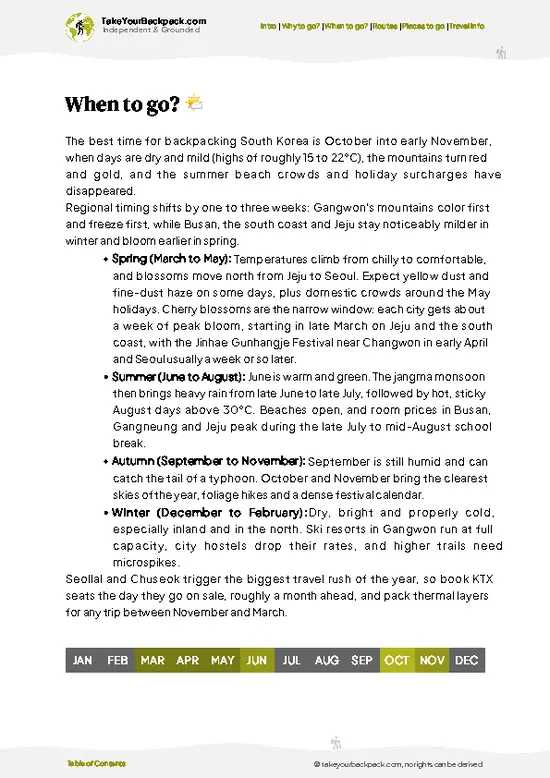
  • Weather: Spring (April-May) and autumn (September-October) offer mild, dry conditions perfect for hiking and exploring. Summers can be hot and humid, while winters drop below freezing, often below -5°C (23°F), which can be harsh for backpackers.

  • Temperature: Spring highs hover around 18-22°C (64-72°F), autumn is similar, while summer peaks near 30°C (86°F). Winter lows can dip to -10°C (14°F), demanding heavy gear.

  • Daylight Hours: Longer days in late spring and early autumn provide 12-14 hours of light, maximizing your trekking and sightseeing time without rushing.

  • Crowds: Peak tourist influx aligns with autumn foliage season and spring cherry blossoms, especially weekends. Visiting midweek or shoulder seasons means fewer people and a more authentic vibe.

  • Seasonal Activities: Autumn
read more 👉

  • Weather: Spring (April-May) and autumn (September-October) offer mild, dry conditions perfect for hiking and exploring. Summers can be hot and humid, while winters drop below freezing, often below -5°C (23°F), which can be harsh for backpackers.

  • Temperature: Spring highs hover around 18-22°C (64-72°F), autumn is similar, while summer peaks near 30°C (86°F). Winter lows can dip to -10°C (14°F), demanding heavy gear.

  • Daylight Hours: Longer days in late spring and early autumn provide 12-14 hours of light, maximizing your trekking and sightseeing time without rushing.

  • Crowds: Peak tourist influx aligns with autumn foliage season and spring cherry blossoms, especially weekends. Visiting midweek or shoulder seasons means fewer people and a more authentic vibe.

  • Seasonal Activities: Autumn is prime for colorful mountain hikes and local festivals; spring brings blooming landscapes and cultural events. Winter offers snow-covered scenery but limited outdoor activities.

  • Price Fluctuations: Accommodation and transport costs spike during peak seasons (spring cherry blossom and autumn foliage). Off-season travel in winter or early summer can save you 20-30% but expect fewer services.


Pro-tip: Aim for late April or early October to balance pleasant weather, manageable crowds, and reasonable prices—your sweet spot for Yeongju backpacking.


source: climatestotravel.comJANJanuary: fair for travelingFEBFebruary: fair for travelingMARMarch: good for travelingAPRApril: excellent for travelingMAYMay: excellent for travelingJUNJune: good for travelingJULJuly: fair for travelingAUGAugust: fair for travelingSEPSeptember: excellent for travelingOCTOctober: excellent for travelingNOVNovember: good for travelingDECDecember: fair for traveling
when-to-go

✈️ The backpacker research shortcutSouth Korea Travel Guide

An offline-friendly backpacking guide with optimized travel routes, ranked highlights, transport advice, and the best areas to stay.
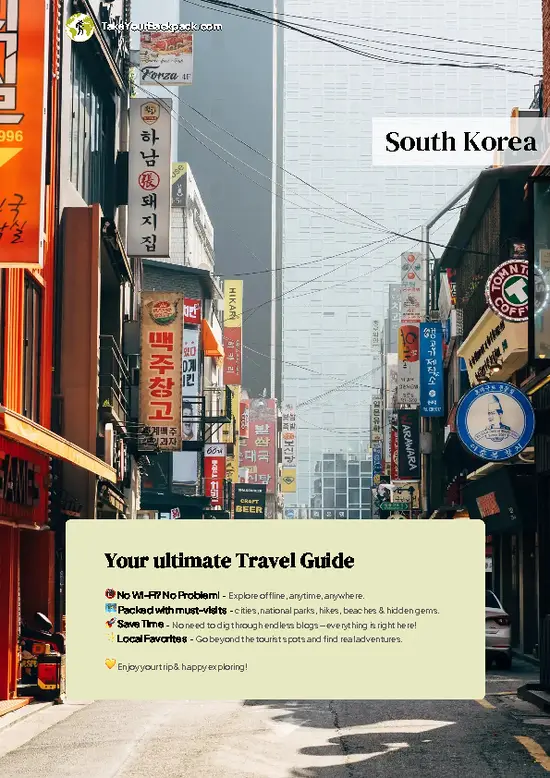
example page 0 from our offline Travel Guide for South Korea
example page 1 from our offline Travel Guide for South Korea
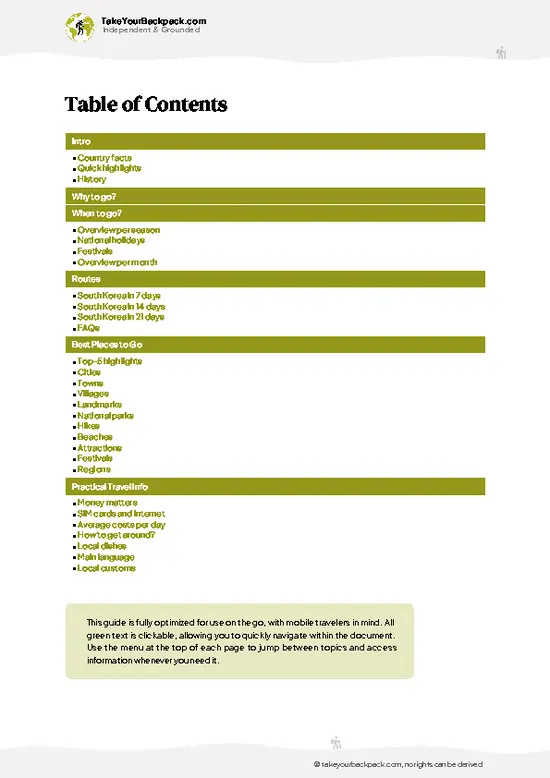
example page 2 from our offline Travel Guide for South Korea
example page 3 from our offline Travel Guide for South Korea
example page 4 from our offline Travel Guide for South Korea
example page 5 from our offline Travel Guide for South Korea
example page 6 from our offline Travel Guide for South Korea
example page 7 from our offline Travel Guide for South Korea
The digital guide (439 pages) contains:
124 highlights, ranked by travel appeal
Optimized 7, 14 & 21-day travel routes
Cities, national parks, landmarks, beaches
How to get around
Offline-friendly for travel without Wi-Fi
👉 Click to see all 30+ guide features

📅 Plan smarter in minutes, not weeks
Month by month travel advice
Festivals & national holidays
Budget expectations

🗺️ Go to the right places, skip the overrated ones
Honest pros & cons of destinations
Top hikes, parks & viewpoints
Lesser-known places most travelers miss
Clear “worth it vs skip it” guidance

🛏️ Travel smoothly without rookie mistakes
Best areas to stay
Transport systems explained simply
Common scams & safety advice
SIM cards, money & practical tips

🌍 Understand the country, not just visit it
Culture & traditions
52 Essential phrases & customs
Festivals worth planning around
Traveler-friendly historical context
Insights that make places more meaningful

📱 Built for real travel conditions
Fully downloadable PDF
Works completely offline
Optimized for phone use
Useful in remote areas & buses
Everything in one place
Save weeks of stressful planning
Get instant access to your full guide. 30‑day money-back guarantee.
+ Add another guide for just US$7.80

By proceeding you agree to our terms.
Sent to your inbox immediately after payment • 100% Secure Checkout
Best Backpacking Travel Advisor 2025 tourism awardBest Backpacking
Travel Advisor
2025
What others say about Take Your Backpack Guides:
⭐⭐⭐⭐⭐
Fantastic, amazing amount of information!
⭐⭐⭐⭐⭐
My goodness this is amazing, it's what I've been looking for hats off too you!
⭐⭐⭐⭐⭐
I think this is absolutely BRILLIANT
⭐⭐⭐⭐
Very complete and informative. It's still missing places, but I gotta to commend you
⭐⭐⭐⭐⭐
This is truly amazing, thank you, can't wait to explore it with my kids!
⭐⭐⭐⭐⭐
Awesome resource, thank you!
⭐⭐⭐⭐⭐
This is amazing! Can't wait to explore the ones I haven't seen
⭐⭐⭐⭐
I love this! Well done, great idea.
⭐⭐⭐⭐⭐
Thanks for taking the time to make this gem!
⭐⭐⭐⭐⭐
This might be the best website I've ever seen.
⭐⭐⭐⭐⭐
Congratulations, and thank you so much for your work; it's incredibly valuable.
⭐⭐⭐⭐
In all seriousness I think you did a great job pointing out the important spots
⭐⭐⭐⭐⭐
10/10 very good
⭐⭐⭐⭐⭐
As someone who's only just starting to visit regularly this is awesome, thank you.
⭐⭐⭐⭐
Thank you very much! I'm going to visit my dad, it's going to be very useful!
⭐⭐⭐⭐⭐
This is really cool! We'll be travelling for the first time and this definitely come in handy.
⭐⭐⭐⭐⭐
You are now our minister of culture, congratulations 👨‍💼
⭐⭐⭐⭐⭐
Just wanted to tell you that this is a pearl! Going to follow your recommendations.
⭐⭐⭐⭐⭐
This is so cool. I'll definitely be using the resource for my travels soon.
⭐⭐⭐⭐⭐
This is very impressive! Good work.
⭐⭐⭐⭐⭐
This is an amazing and informative site. Very well done!

🛏️ Where to stay?Best areas to stay in South Korea

In Yeongju, the best spot for backpackers is the area around the city center, especially near the train station. It’s safe, easy to navigate, and packed with budget-friendly guesthouses and hostels that cater to solo travelers. This zone strikes a solid balance: you’re close enough to local markets and eateries to soak in authentic vibes without the hassle of pricey taxis or long commutes. Compared to quieter residential neighborhoods, this area buzzes with a low-key social scene—perfect for meeting fellow travelers without the overwhelm of a big city. It’s the sweet spot where convenience, safety, … read more 👉
In Yeongju, the best spot for backpackers is the area around the city center, especially near the train station. It’s safe, easy to navigate, and packed with budget-friendly guesthouses and hostels that cater to solo travelers. This zone strikes a solid balance: you’re close enough to local markets and eateries to soak in authentic vibes without the hassle of pricey taxis or long commutes. Compared to quieter residential neighborhoods, this area buzzes with a low-key social scene—perfect for meeting fellow travelers without the overwhelm of a big city. It’s the sweet spot where convenience, safety, and a welcoming atmosphere intersect, making your stay both practical and engaging.

🚌 Getting aroundMoving around without the hassle

Yeongju moves like a quiet river—steady, predictable, but with enough bends to keep you alert. This isn’t a city where you’ll be caught in frantic rush hours or endless waits. Instead, it’s about reading the subtle cues: a bus that arrives just as you start to wonder, a taxi driver who knows the backstreets better than the main roads. Time here is a currency you spend wisely, balancing comfort against cost with a clear-eyed sense of what you’re gaining or giving up.


  • Walking: Yeongju’s compact downtown means your feet are often the fastest, cheapest option. No schedule, zero cost, and you control the pace—perfect for soaking in local life but tiring if you’re hauling gear or pressed for time.

  • City Bus: Runs roughly from 6:00 AM to 10:00 PM, fares hover around 1,200 KRW. It’s slow but
read more 👉
Yeongju moves like a quiet river—steady, predictable, but with enough bends to keep you alert. This isn’t a city where you’ll be caught in frantic rush hours or endless waits. Instead, it’s about reading the subtle cues: a bus that arrives just as you start to wonder, a taxi driver who knows the backstreets better than the main roads. Time here is a currency you spend wisely, balancing comfort against cost with a clear-eyed sense of what you’re gaining or giving up.


  • Walking: Yeongju’s compact downtown means your feet are often the fastest, cheapest option. No schedule, zero cost, and you control the pace—perfect for soaking in local life but tiring if you’re hauling gear or pressed for time.

  • City Bus: Runs roughly from 6:00 AM to 10:00 PM, fares hover around 1,200 KRW. It’s slow but reliable, with frequent stops near major attractions. Budget-friendly but expect some crowding during peak hours.

  • Intercity Bus Terminal: For trips beyond Yeongju, this hub connects you to regional destinations. Tickets vary but start at about 5,000 KRW. Buses depart on a fixed schedule, so plan ahead to avoid long waits.

  • Taxi: Starting fare is about 3,800 KRW, with additional charges per kilometer. Faster and more comfortable than the bus, taxis offer door-to-door service but can quickly eat into a tight budget if used frequently.

👛 Costs (as of 4 September 2026)Typical daily expenses

Backpacking in Yeongju, South Korea, offers a clear-cut balance between cost and experience, with prices that reflect its smaller city vibe compared to Seoul or Busan. Here’s how your daily budget breaks down:
  • Dorm Accommodation (High Season): Expect to pay around $15 to $25 per night. Yeongju’s peak travel times, like spring cherry blossom season or autumn foliage, push prices up slightly but still keep them reasonable.
  • Dorm Accommodation (Off-Season): Outside peak months, dorm beds drop to about $10 to $18. The quieter months mean more availability and better deals, perfect for budget-conscious travelers.
  • Meals: Street food and local eateries dominate here. You’ll spend roughly $5 to $10 per day if you stick to simple meals like kimbap, tteokbokki, or a bowl of bibimbap. Splurging on
read more 👉
Backpacking in Yeongju, South Korea, offers a clear-cut balance between cost and experience, with prices that reflect its smaller city vibe compared to Seoul or Busan. Here’s how your daily budget breaks down:
  • Dorm Accommodation (High Season): Expect to pay around $15 to $25 per night. Yeongju’s peak travel times, like spring cherry blossom season or autumn foliage, push prices up slightly but still keep them reasonable.
  • Dorm Accommodation (Off-Season): Outside peak months, dorm beds drop to about $10 to $18. The quieter months mean more availability and better deals, perfect for budget-conscious travelers.
  • Meals: Street food and local eateries dominate here. You’ll spend roughly $5 to $10 per day if you stick to simple meals like kimbap, tteokbokki, or a bowl of bibimbap. Splurging on a sit-down meal at a mid-range restaurant might push this to $15.
  • Local Transport: Yeongju is compact, so buses and taxis are cheap and efficient. Daily local bus rides typically cost $1 to $2 each, with a daily spend around $3 to $5 if you’re hopping on and off frequently.
  • City Transport Pass: If you plan to use public transport extensively, a city transport card can save you a bit. These cost about $5 to purchase, with top-ups around $10 to $15 for several days of travel, averaging out to $2 to $4 per day.
  • Basic Activities/Entry Fees: Yeongju’s cultural sites and temples often have modest entry fees, usually between $2 and $5. Budget $5 to $10 daily if you’re visiting a couple of attractions.
  • Miscellaneous Expenses: This covers snacks, bottled water, occasional coffee, or small souvenirs. Around $3 to $7 daily is a safe estimate.

All told, a backpacker in Yeongju can expect to spend roughly $30 to $50 per day. This range gives you the flexibility to choose between tighter budgeting and a bit more comfort or activity, making it easy to tailor your trip without surprises.


source: english.visitkorea.or.kr
⚠️ Prices can change and everyone travels differently, so take this as a rough guide. Hope it helps you plan your adventure!

🚌 Day tripsEasy escapes and nearby places

Yeongju is a fantastic launchpad for day trips that blend culture, nature, and adventure. Here are some standout options that make the most of your time and money.

Buseoksa Temple
Just a 30-minute bus ride from Yeongju, Buseoksa Temple offers a serene escape into history. This ancient temple, surrounded by lush mountains, is a perfect spot for reflection. The entrance fee is minimal, and the tranquility you’ll find here is priceless. Aim for spring or fall when the foliage enhances the scenery. First-timers often rush through; take your time to explore the grounds and soak in the atmosphere.


Sobaeksan National Park
About an hour away, Sobaeksan National Park is a hiker’s paradise. With trails ranging from easy to challenging, you can tailor your adventure to your comfort level. The … read more 👉
Yeongju is a fantastic launchpad for day trips that blend culture, nature, and adventure. Here are some standout options that make the most of your time and money.

Buseoksa Temple
Just a 30-minute bus ride from Yeongju, Buseoksa Temple offers a serene escape into history. This ancient temple, surrounded by lush mountains, is a perfect spot for reflection. The entrance fee is minimal, and the tranquility you’ll find here is priceless. Aim for spring or fall when the foliage enhances the scenery. First-timers often rush through; take your time to explore the grounds and soak in the atmosphere.


Sobaeksan National Park
About an hour away, Sobaeksan National Park is a hiker’s paradise. With trails ranging from easy to challenging, you can tailor your adventure to your comfort level. The park is free to enter, but be prepared for some steep climbs. Late spring is ideal for wildflowers, while autumn showcases vibrant leaves. A common mistake is underestimating the weather; pack layers to stay comfortable.
👉 Explore Sobaeksan National Park

Andong Hahoe Folk Village
Roughly 50 minutes by bus, this UNESCO World Heritage site immerses you in traditional Korean culture. Stroll through thatched-roof houses and catch a mask dance performance. Entry is affordable, and the experience is rich with history. Visit in the fall for the best festivals. Many newcomers overlook the local food stalls; don’t miss trying the Andong jjimdak (braised chicken).
Want to know what more South Korea offers?
The South Korea Travel Guide describes 124 highlights, from cities to national parks, from beaches to hikes

Get the Travel Guide -

🍲 FoodLocal Flavors for Backpackers

In Yeongju, **food** is a vibrant tapestry of flavors. Dive into **sundubu jjigae**, a spicy soft tofu stew that warms you from the inside out. Street vendors serve up **tteokbokki**, chewy rice cakes slathered in a sweet and spicy sauce, perfect for a quick bite.

The **local markets** buzz with energy, offering fresh produce and homemade snacks. Grab a **bottle of makgeolli**, the traditional rice wine, and join locals in a casual toast.

When dining, expect to share dishes; it’s all about community. Don’t rush—savor each bite and soak in the lively atmosphere. This is where Yeongju’s heart beats.

🛡️ SafetySafety Tips and Common Scams in Yeongju

Yeongju is generally safe, but staying aware enhances your experience. Stick to well-lit areas at night, especially around the train station and popular eateries. Solo travelers should feel comfortable, but avoid empty streets after dark.

While scams are rare, be cautious of overly friendly locals offering unsolicited help; they may expect something in return. Everyday annoyances include occasional language barriers, so a translation app can be your best friend. Carry yourself confidently, and you’ll navigate the city like a pro.

FAQCommon questions from travelers

2 to 3 days are sufficient to explore Yeongju. This allows time to visit key sites like Buseoksa Temple and the traditional market. It also provides a chance to enjoy the surrounding nature and local cuisine.
Yes, Yeongju is safe for solo backpackers. The city has low crime rates and a friendly local population. Basic precautions like avoiding isolated areas at night are recommended.
Yeongju is known for Buseoksa Temple, a historic Buddhist site dating back to the Silla Dynasty. It is also famous for its traditional markets and scenic mountain landscapes. The city is a cultural hub with several heritage sites.
⚠️ Things can change over time, so always validate details locally before you go.

Other South Korean cities near Yeongju

Explore more nearby:

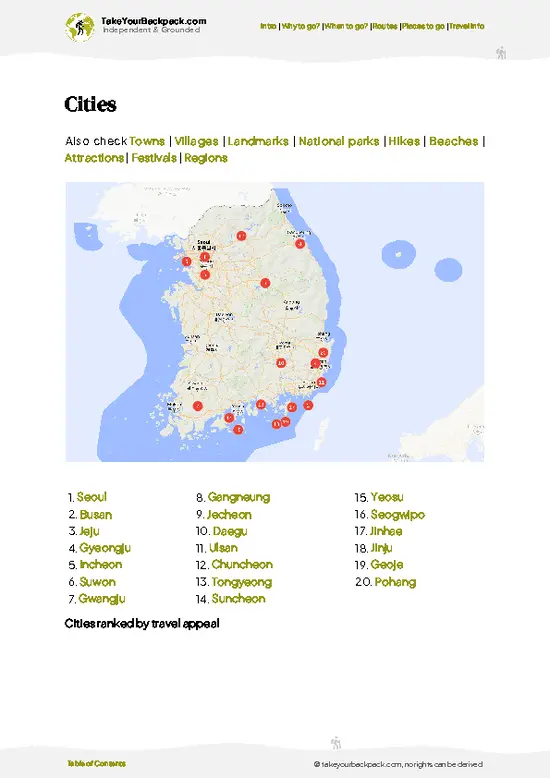
  • Andong—Folk village, mask dance, wooden bridges| 30 km away
  • Danyang—limestone caves, river cliffs, cable car views| 33 km away
  • Jecheon—Mountain lakes, herbal markets, rail bike trails| 51 km away

💡 Not sure where to go next?
Create a personalized itinerary for South Korea including Yeongju and the places that fit your trip.

Generate my itinerary

👉 Discover all cities

Or checkout all South Korea has to offer (think cities, towns, villages, national parks, hikes, beaches, festivals)
Country photo of South Korea

We 💚 feedbackWhat to keep in mind

Yeongju has a laid-back charm that sneaks up on you. The best surprise? The serene beauty of Buseoksa Temple, especially at sunrise. Just a heads-up: the public transport can be tricky, so plan your routes ahead to avoid frustration.

✍️ Help improve this page!
The information on this page is based on in-depth research, insights shared by experienced travelers, and feedback from the local travel community in South Korea. While every effort is made to keep the information accurate and current, conditions can change — so if you spot anything incorrect or outdated, please get in touch.


🙋‍♂️ Give feedback

👋 Meet the founderWho’s Behind Take Your Backpack?

Johan, backpacker and founder of TakeYourBackpackHi, I’m Johan (Netherlands 🇳🇱), the creator of TakeYourBackpack. Over the past decade, I’ve backpacked through 80+ countries across six continents, gaining extensive experience with independent travel, long-term trips, and overland routes.

This site is built on a combination of firsthand travel experience and carefully curated insights from other backpackers. Many guides are based on places I’ve personally visited, while others bring together tips, observations, and practical advice shared by trusted travelers I’ve met along the way.

The goal is to provide realistic, experience-driven guidance — not generic itineraries — so you can explore destinations with better context, clearer expectations, and more confidence.

Get full country guide •
Instant download • 124 highlights • Full Offline guide