×

South Sudan🇸🇸 | townsGogrialDinka grain market, dusk cattle herds, savanna roads | things to do and best time to go

Explore RajaExplore Nzara

Backpacking in Gogrial
🌟 Highlighttown ranked #7
By Johan Kruseman 🇳🇱 | Updated October 22, 2026

Gogrial is not a tourist town with a hostel scene; it is a Dinka market and administrative town, and travelers who arrive expecting backpacker infrastructure leave puzzled. It sits in Warrap State in the northwest of South Sudan, on flat savanna west of Wau and Tonj. Skip the idea of sightseeing here. Nothing is ticketed, and guesthouses are few and basic. What works is the market, where you get a feel for cattle-herding life, and the long dirt roads with open skies, where you watch herds move at dusk. Reaching it takes effort, and meeting other travelers is unlikely. Evenings are quiet. A first day could mean a market walk in the morning, tea with locals at midday, and a slow stroll at dusk.

Discover everything you want to know in the 📖 South Sudan Travel Guide.
Safety warning

The current risk level for South Sudan is high. Check the advice before going.


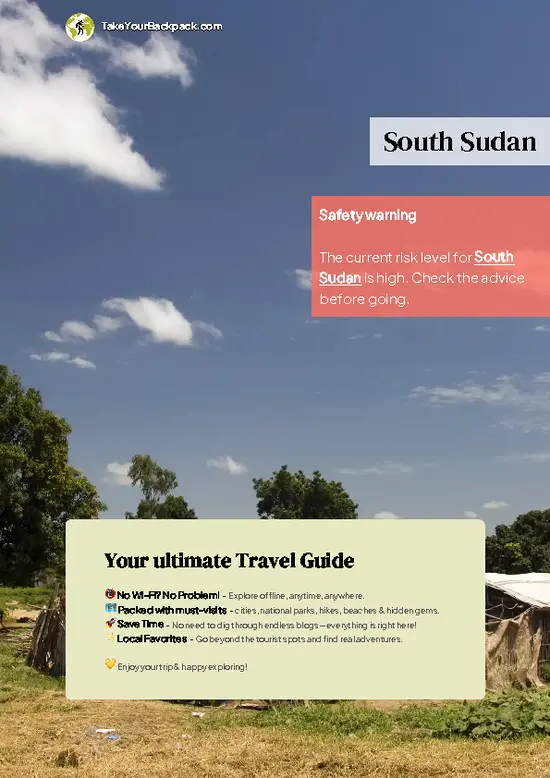
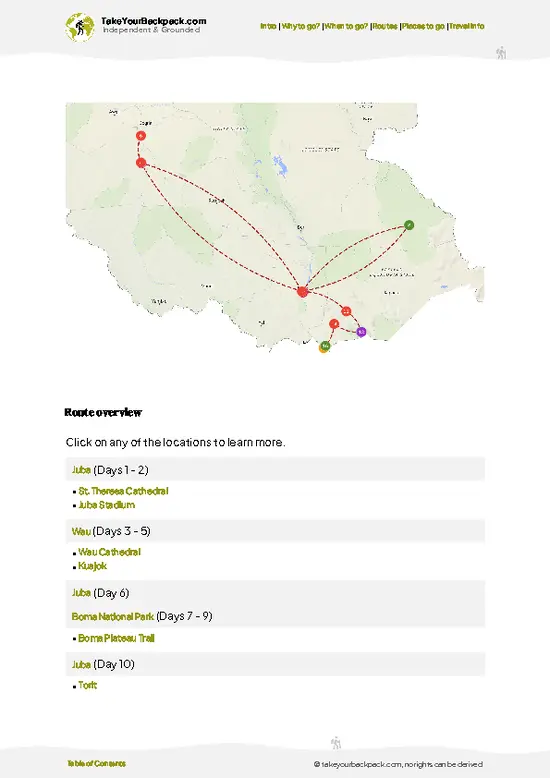
example page 0 from our offline Travel Guide for South Sudan
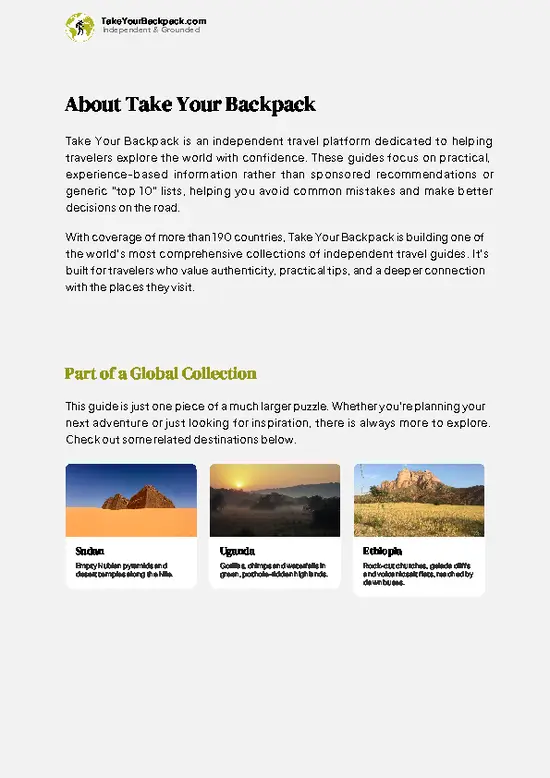
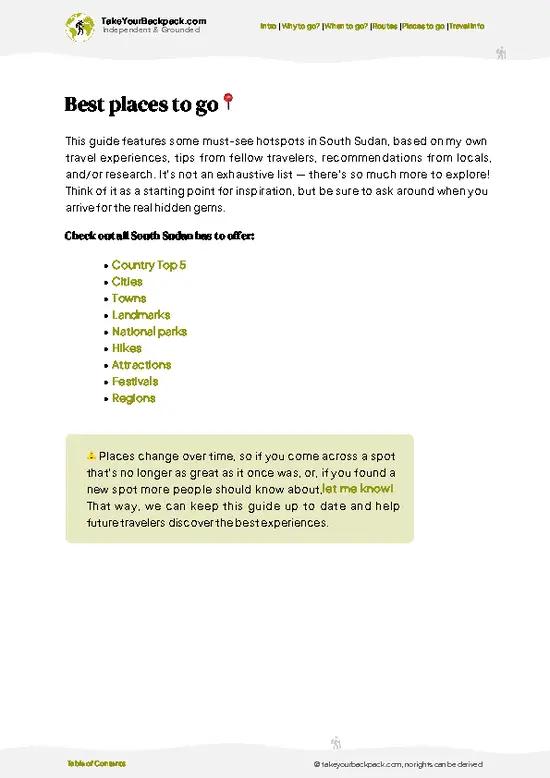
example page 1 from our offline Travel Guide for South Sudan
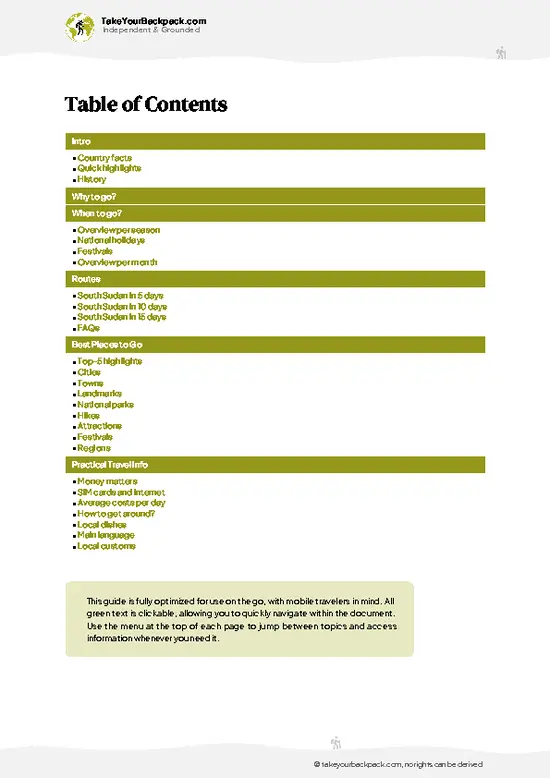
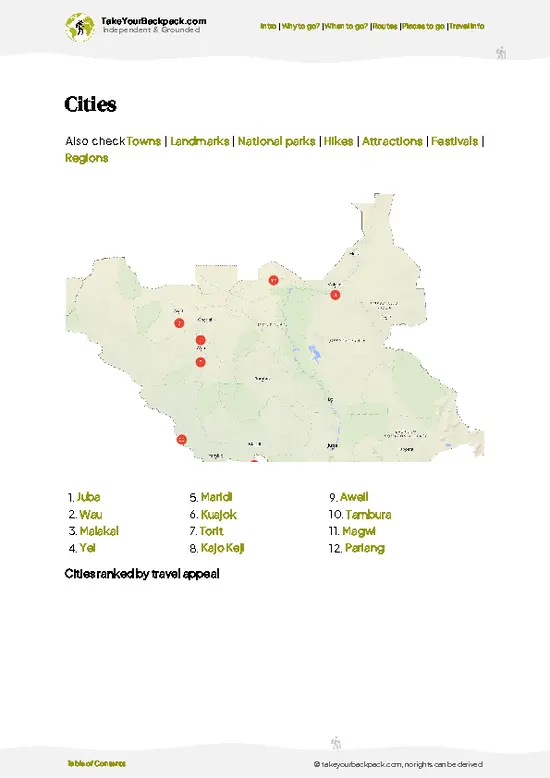
example page 2 from our offline Travel Guide for South Sudan
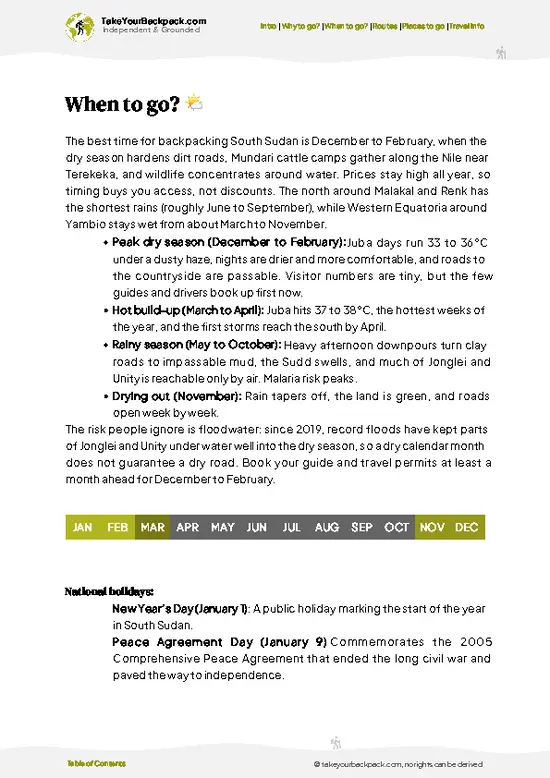
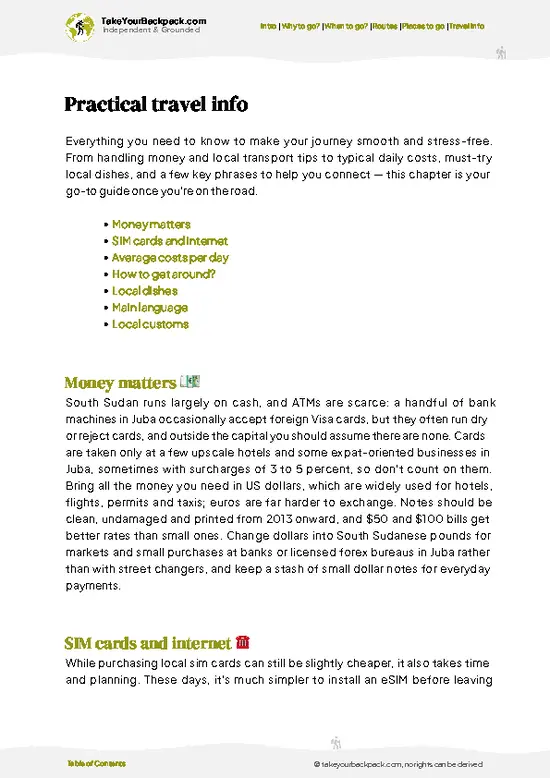
example page 3 from our offline Travel Guide for South Sudan
example page 4 from our offline Travel Guide for South Sudan
example page 5 from our offline Travel Guide for South Sudan
example page 6 from our offline Travel Guide for South Sudan
example page 7 from our offline Travel Guide for South Sudan
Loading the map 🌍
CLICK TO FILTER
cities
towns
landmarks
national parks
hikes
attractions
festivals
regions
SHOW COUNTRY’S BESTSHOW ALL

✨ Why go?
Ranked #7 town in South Sudan
What makes this town worth visiting

Gogrial is for the traveler who wants to see South Sudan away from Juba, where cattle culture still shapes the daily routine. The draw is not a checklist of sights. It is the Gogrial market, where grain, fish, cloth and tools change hands, and the cattle camps on the surrounding grassland, where herders tend long-horned animals decorated with ash and beads. Stays tend to be short, a night or two, because lodging is basic and services are thin. It is quiet and rarely social, and any company will come from aid workers or local hosts rather than other backpackers. It suits experienced, patient solo travelers, those with local contacts, and people who value open savanna landscapes over comfort. If you need hostels, cafés and easy conversation, treat it as a stop on a longer overland route instead.

💡 HighlightsWhat this place is best known for

  1. Gogrial Market: The center of town life, with sorghum, dried fish, cloth, tools and phone-charging stalls. Go in the morning when trading is busiest. Entry is free, and an hour or two is enough. Ask before taking photos.
  2. Cattle Camps on the Town Edge: Herders gather animals at dusk, and smoke from dung fires drifts across the grass. Visit late afternoon with a local guide or host, who can arrange permission. Plan on an hour or two. A small gift or tip for the host is polite, around US$5 to 10.
  3. Main Road Walk: The dirt road through town passes shops, tea stalls and small workshops. A slow loop takes about an hour, free, and tea costs under US$1. Mornings are cooler.
  4. Local Churches: Sunday services bring singing and drumming from congregations in their best clothes. Attend with respect and dress
… read more 👉
  1. Gogrial Market: The center of town life, with sorghum, dried fish, cloth, tools and phone-charging stalls. Go in the morning when trading is busiest. Entry is free, and an hour or two is enough. Ask before taking photos.
  2. Cattle Camps on the Town Edge: Herders gather animals at dusk, and smoke from dung fires drifts across the grass. Visit late afternoon with a local guide or host, who can arrange permission. Plan on an hour or two. A small gift or tip for the host is polite, around US$5 to 10.
  3. Main Road Walk: The dirt road through town passes shops, tea stalls and small workshops. A slow loop takes about an hour, free, and tea costs under US$1. Mornings are cooler.
  4. Local Churches: Sunday services bring singing and drumming from congregations in their best clothes. Attend with respect and dress modestly. Entry is free, and services run one to three hours.
  5. Tea Stalls at the Market Edge: Sweet spiced tea and conversation with traders are the easiest way to meet people. Expect to pay under US$1 and spend an hour. Late afternoon is relaxed.
For day trips, travelers with transport can reach Tonj, Wau and the Sudd-edge grasslands around Warrap State. The cattle camps give the best first visit, since they show what makes Gogrial distinct.
Spotted a mistake or missing something? Contact us.

🏘️ NeighborhoodsHow different areas shape the experience

Gogrial is a spread-out Dinka town in Warrap State, and its areas blur into one another along sandy tracks. Plan on walking, and expect to be noticed everywhere.
  • Market area: The central market is the only place worth a long stop. Stalls sell sorghum, dried fish, onions, tea glasses and phone credit, and tea ladies serve sweet tea with flatbread under tarps. Go in the morning when stock is fresh, and you get the cheapest breakfast in town plus easy conversation.
  • Government and NGO compounds: Offices, a hospital and aid agency compounds sit on the main road. Nothing to see, but this is where you ask about road conditions and find the few places with generators and internet. You leave with current security news.
  • Cattle camps and outer villages: Homesteads of round huts and cattle byres lie a short
… read more 👉
Gogrial is a spread-out Dinka town in Warrap State, and its areas blur into one another along sandy tracks. Plan on walking, and expect to be noticed everywhere.
  • Market area: The central market is the only place worth a long stop. Stalls sell sorghum, dried fish, onions, tea glasses and phone credit, and tea ladies serve sweet tea with flatbread under tarps. Go in the morning when stock is fresh, and you get the cheapest breakfast in town plus easy conversation.
  • Government and NGO compounds: Offices, a hospital and aid agency compounds sit on the main road. Nothing to see, but this is where you ask about road conditions and find the few places with generators and internet. You leave with current security news.
  • Cattle camps and outer villages: Homesteads of round huts and cattle byres lie a short walk or boda ride from the center. Dinka herders paint cattle with ash and tend smoky dung fires. Visit only with a local host who introduces you, and you gain a rare look at pastoral life.
  • Riverside and seasonal wetlands: Flat grassland floods in the rains and turns to dust in the dry months. It is quiet and good for birds at dawn, but not worth a special trip. You get open sky and silence.

⌛️ 1 daySeeing the highlights in 24 hours

The day works best on foot, with a long rest through the midday heat, when even the market goes quiet.
7:30 AM, Tea Stall near the Market: Start with sweet tea and flatbread where traders gather. Listen and greet people, which gets you introductions for later.
8:30 AM, Gogrial Market: Walk the stalls while trading is at its peak, from grain sacks to dried fish. Ask before photographing anyone, and buy something small.
11:00 AM, Main Road Walk: Stroll the dirt road past workshops, shops and small compounds. It is a modest loop, and you see how the town actually runs.
12:30 PM, Rest: Take shade and lunch at your lodging or a local eatery, then rest through the hottest hours.
3:30 PM, Local Church Grounds: Not on any standard route, the quiet church compounds show community life, with choirs often … read more 👉
The day works best on foot, with a long rest through the midday heat, when even the market goes quiet.
7:30 AM, Tea Stall near the Market: Start with sweet tea and flatbread where traders gather. Listen and greet people, which gets you introductions for later.
8:30 AM, Gogrial Market: Walk the stalls while trading is at its peak, from grain sacks to dried fish. Ask before photographing anyone, and buy something small.
11:00 AM, Main Road Walk: Stroll the dirt road past workshops, shops and small compounds. It is a modest loop, and you see how the town actually runs.
12:30 PM, Rest: Take shade and lunch at your lodging or a local eatery, then rest through the hottest hours.
3:30 PM, Local Church Grounds: Not on any standard route, the quiet church compounds show community life, with choirs often practicing in the afternoon. Visit only with a local host and dress modestly.
5:00 PM, Cattle Camp on the Edge of Town: Walk out with a guide as herds return. Smoke, ash-dusted cattle and herders singing to their animals make this the best end to the day.
7:00 PM, Dinner: Return before dark for a simple meal and an early night.

🌤️ When to go?Seasonal considerations and timing

November to March is the easiest window for Gogrial, when roads dry out and travel by motorbike or vehicle becomes realistic.
  • Dry Season (November to March): Days reach 35 to 40°C (95 to 104°F), nights drop to 20 to 24°C (68 to 75°F), and dust hangs over the tracks. Road access is best, but transport and food cost the most.
  • Hot Transition (April to May): Peaks of 40°C (104°F) or more make midday walking miserable. First storms begin.
  • Rainy Season (June to October): Highs of 28 to 33°C (82 to 91°F), heavy downpours, flooded tracks and cut-off villages. Prices for fuel and goods rise, and mud can strand you for days.
Daylight stays close to 12 hours all year. Travel in December or January and arrive with a few spare days in case a vehicle is delayed.

source: climatestotravel.comJANJanuary: excellent for travelingFEBFebruary: excellent for travelingMARMarch: fair for travelingAPRApril: below average for travelingMAYMay: below average for travelingJUNJune: fair for travelingJULJuly: fair for travelingAUGAugust: fair for travelingSEPSeptember: good for travelingOCTOctober: good for travelingNOVNovember: highly recommended for travelingDECDecember: excellent for traveling
when-to-go

✈️ The backpacker research shortcutSouth Sudan Travel Guide

An offline-friendly backpacking guide with optimized travel routes, ranked highlights, transport advice, and the best areas to stay.
example page 0 from our offline Travel Guide for South Sudan
example page 1 from our offline Travel Guide for South Sudan
example page 2 from our offline Travel Guide for South Sudan
example page 3 from our offline Travel Guide for South Sudan
example page 4 from our offline Travel Guide for South Sudan
example page 5 from our offline Travel Guide for South Sudan
example page 6 from our offline Travel Guide for South Sudan
example page 7 from our offline Travel Guide for South Sudan
The digital guide (242 pages) contains:
✅ 57 highlights, ranked by travel appeal
✅ Optimized 5, 10 & 15-day travel routes
✅ Cities, national parks, landmarks, beaches
✅ How to get around
✅ Offline-friendly for travel without Wi-Fi
👉 Click to see all 30+ guide features

📅 Plan smarter in minutes, not weeks
✅ Month by month travel advice
✅ Festivals & national holidays
✅ Budget expectations

🗺️ Go to the right places, skip the overrated ones
✅ Honest pros & cons of destinations
✅ Top hikes, parks & viewpoints
✅ Lesser-known places most travelers miss
✅ Clear “worth it vs skip it” guidance

🛏️ Travel smoothly without rookie mistakes
✅ Best areas to stay
✅ Transport systems explained simply
✅ Common scams & safety advice
✅ SIM cards, money & practical tips

🌍 Understand the country, not just visit it
✅ Culture & traditions
✅ 52 Essential phrases & customs
✅ Festivals worth planning around
✅ Traveler-friendly historical context
✅ Insights that make places more meaningful

📱 Built for real travel conditions
✅ Fully downloadable PDF
✅ Works completely offline
✅ Optimized for phone use
✅ Useful in remote areas & buses
✅ Everything in one place
Stop searching, start planning
Get instant access to your full guide. 30‑day money-back guarantee.
+ Add another guide for just

By proceeding you agree to our terms.
Sent to your inbox immediately after payment • 100% Secure Checkout
Best Backpacking Travel Advisor 2025 tourism awardBest Backpacking
Travel Advisor
2025
What others say about Take Your Backpack Guides:
⭐⭐⭐⭐⭐
Fantastic, amazing amount of information!
⭐⭐⭐⭐⭐
My goodness this is amazing, it's what I've been looking for hats off too you!
⭐⭐⭐⭐⭐
I think this is absolutely BRILLIANT
⭐⭐⭐⭐
Very complete and informative. It's still missing places, but I gotta to commend you
⭐⭐⭐⭐⭐
This is truly amazing, thank you, can't wait to explore it with my kids!
⭐⭐⭐⭐⭐
Awesome resource, thank you!
⭐⭐⭐⭐⭐
This is amazing! Can't wait to explore the ones I haven't seen
⭐⭐⭐⭐
I love this! Well done, great idea.
⭐⭐⭐⭐⭐
Thanks for taking the time to make this gem!
⭐⭐⭐⭐⭐
This might be the best website I've ever seen.
⭐⭐⭐⭐⭐
Congratulations, and thank you so much for your work; it's incredibly valuable.
⭐⭐⭐⭐
In all seriousness I think you did a great job pointing out the important spots
⭐⭐⭐⭐⭐
10/10 very good
⭐⭐⭐⭐⭐
As someone who's only just starting to visit regularly this is awesome, thank you.
⭐⭐⭐⭐
Thank you very much! I'm going to visit my dad, it's going to be very useful!
⭐⭐⭐⭐⭐
This is really cool! We'll be travelling for the first time and this definitely come in handy.
⭐⭐⭐⭐⭐
You are now our minister of culture, congratulations 👨‍💼
⭐⭐⭐⭐⭐
Just wanted to tell you that this is a pearl! Going to follow your recommendations.
⭐⭐⭐⭐⭐
This is so cool. I'll definitely be using the resource for my travels soon.
⭐⭐⭐⭐⭐
This is very impressive! Good work.
⭐⭐⭐⭐⭐
This is an amazing and informative site. Very well done!

🛏️ Where to stay?Best areas and accommodation options

The best option for a budget stay in Gogrial is the area around the central market and main road, where the few guesthouses and basic rooms cluster. Beds are limited. There are no hostels with dorms, so expect a simple private room with a fan or net, often with bucket washing, for roughly US$10 to 30 a night. Some places run on generators, and power can be patchy.

Staying near the market means you can walk to food, water and boda rides, and the main road is busy enough in the evening to feel comfortable. Noise starts early with roosters, trucks and market traders, so bring earplugs. The second … read more 👉
The best option for a budget stay in Gogrial is the area around the central market and main road, where the few guesthouses and basic rooms cluster. Beds are limited. There are no hostels with dorms, so expect a simple private room with a fan or net, often with bucket washing, for roughly US$10 to 30 a night. Some places run on generators, and power can be patchy.

Staying near the market means you can walk to food, water and boda rides, and the main road is busy enough in the evening to feel comfortable. Noise starts early with roosters, trucks and market traders, so bring earplugs. The second option is a room within or beside an NGO or church compound, which tends to be quieter and better secured. Access depends on contacts, so ask locally when you arrive. Avoid the outskirts at night, where there are no lights and few people around if you need help. Book ahead through someone local if you can, because rooms fill when aid workers are in town.

🚌 Getting aroundMoving around without the hassle

From the roadside where shared vehicles from Wau, Aweil or Juba drop passengers, the center of Gogrial is a walk of 10 to 20 minutes, or a boda-boda ride for about US$0.50 to 1. There is no formal station, just a dusty stretch near the market where drivers wait for loads. Public transport is informal, schedules do not exist, and vehicles leave when full. Rains can shut roads for days.
  • Walking: Free, and the town is small enough to cross in under half an hour. Do it early, before the heat climbs past 35°C (95°F). You see the market, the compounds and the cattle routes at your own pace.
  • Boda-boda (motorbike taxi): The workhorse for getting about, usually US$0.50 to 2 per ride depending on distance and fuel prices. Agree the price first, hold on tight and expect sandy or rutted tracks. It is the
… read more 👉
From the roadside where shared vehicles from Wau, Aweil or Juba drop passengers, the center of Gogrial is a walk of 10 to 20 minutes, or a boda-boda ride for about US$0.50 to 1. There is no formal station, just a dusty stretch near the market where drivers wait for loads. Public transport is informal, schedules do not exist, and vehicles leave when full. Rains can shut roads for days.
  • Walking: Free, and the town is small enough to cross in under half an hour. Do it early, before the heat climbs past 35°C (95°F). You see the market, the compounds and the cattle routes at your own pace.
  • Boda-boda (motorbike taxi): The workhorse for getting about, usually US$0.50 to 2 per ride depending on distance and fuel prices. Agree the price first, hold on tight and expect sandy or rutted tracks. It is the only quick way to reach outer villages.
  • Shared minibus or truck to other towns: Routes toward Wau (roughly 100 to 130 km) or Aweil cost about US$10 to 25 and can take 3 to 8 hours in the dry season, far longer in the rains. Seats are tight, there are no timetables, and early morning departures are the norm. Skip it when the roads are flooded.
  • Chartered 4x4 or hired motorbike: Costs from about US$80 to 150 a day with fuel. Worth it only for reaching remote villages or for a group splitting the bill. You get reliable timing and a driver who knows the tracks.
Carry small US dollar notes and plenty of water. Fuel shortages can change prices overnight.

👛 Costs (as of 22 October 2026)Money, prices, and spending tips

Gogrial costs roughly US$10 to 30 a day, with a Total Daily Budget of about US$75 in high season. Everything is imported over poor roads, so prices run higher than the basic setting suggests, and US dollars are accepted widely alongside local currency.
CategoryBudget RangeLocal Reality
Dorm accommodationUS$10 to 30No dorms exist. A basic private room is the norm, higher in the dry season when aid staff fill beds.
MealsUS$8 to 15Beans, flatbread, stews, tea and fish from market stalls. Imported goods cost more.
Local transportUS$3 to 8Boda-boda rides cost US$0.50 to 2 each, and fuel shortages push fares up.
Basic activities/entry feesUS$5 to 15No ticketed sights. Money goes to guides, hosts and gifts at cattle camps.
Miscellaneous expensesUS$5 to 10Water, phone credit, permits and small tips.
Total
… read more 👉
Gogrial costs roughly US$10 to 30 a day, with a Total Daily Budget of about US$75 in high season. Everything is imported over poor roads, so prices run higher than the basic setting suggests, and US dollars are accepted widely alongside local currency.
CategoryBudget RangeLocal Reality
Dorm accommodationUS$10 to 30No dorms exist. A basic private room is the norm, higher in the dry season when aid staff fill beds.
MealsUS$8 to 15Beans, flatbread, stews, tea and fish from market stalls. Imported goods cost more.
Local transportUS$3 to 8Boda-boda rides cost US$0.50 to 2 each, and fuel shortages push fares up.
Basic activities/entry feesUS$5 to 15No ticketed sights. Money goes to guides, hosts and gifts at cattle camps.
Miscellaneous expensesUS$5 to 10Water, phone credit, permits and small tips.
Total Daily BudgetUS$75Based on a private room, local meals and a few boda rides.
Buy bottled or filtered water in bulk at the market rather than single bottles to cut daily costs.
⚠️ Prices can change and everyone travels differently, so take this as a rough guide. Hope it helps you plan your adventure!

🚌 Day tripsShort trips worth adding

Gogrial works as a base for short rural outings, but there are no organized tours, so everything is arranged locally by motorbike or hired vehicle.
Cattle Camps near Gogrial: Dinka herders move cattle to seasonal camps, and in the dry months you can visit with a local contact. Expect smoke from dung fires, ash-covered herds and plenty of tea. Budget US$5 to 15 for a boda and a gift for your host, and allow half a day. Do not photograph people or cattle without asking first.

Kuajok: The state capital of Warrap lies to the west, with a larger market, better phone signal and more food choices. By shared vehicle it takes about 1 to 3 hours for US$5 to 12 each way in the dry season. Go early to be sure of a return seat.
👉 Explore Kuajok
Toch Wetlands: Seasonal floodplain grassland east of town attracts … read more 👉
Gogrial works as a base for short rural outings, but there are no organized tours, so everything is arranged locally by motorbike or hired vehicle.
Cattle Camps near Gogrial: Dinka herders move cattle to seasonal camps, and in the dry months you can visit with a local contact. Expect smoke from dung fires, ash-covered herds and plenty of tea. Budget US$5 to 15 for a boda and a gift for your host, and allow half a day. Do not photograph people or cattle without asking first.

Kuajok: The state capital of Warrap lies to the west, with a larger market, better phone signal and more food choices. By shared vehicle it takes about 1 to 3 hours for US$5 to 12 each way in the dry season. Go early to be sure of a return seat.
👉 Explore Kuajok
Toch Wetlands: Seasonal floodplain grassland east of town attracts storks, ibis and other waterbirds when the water recedes, from about December to February. A boda costs US$5 to 10 round trip. First-timers often go at midday and find nothing but heat, so leave at dawn.

🛡️ SafetyScams, Hazards, and Annoyances

Gogrial is a rural town where the main risks are logistical rather than criminal, but South Sudan has an unpredictable security picture, so check with local authorities or aid agencies before you move. Register with the relevant office, carry your travel permit and passport copies, and expect checkpoints where polite patience works better than argument. Petty theft exists, mostly at the market, so keep your phone and cash out of sight. Photographing officials, soldiers or compounds without permission causes real trouble. Inter-communal tension and cattle raiding affect some areas, so do not go to villages without a local escort. Solo travelers, especially women, should stay in a trusted compound and avoid walking after dark, when lighting is almost absent. Unofficial fees at checkpoints can … read more 👉
Gogrial is a rural town where the main risks are logistical rather than criminal, but South Sudan has an unpredictable security picture, so check with local authorities or aid agencies before you move. Register with the relevant office, carry your travel permit and passport copies, and expect checkpoints where polite patience works better than argument. Petty theft exists, mostly at the market, so keep your phone and cash out of sight. Photographing officials, soldiers or compounds without permission causes real trouble. Inter-communal tension and cattle raiding affect some areas, so do not go to villages without a local escort. Solo travelers, especially women, should stay in a trusted compound and avoid walking after dark, when lighting is almost absent. Unofficial fees at checkpoints can come up. Stay calm, ask for a receipt and carry small bills. Malaria is a bigger daily danger than crime, so use a net and repellent.

FAQCommon questions from travelers

Gogrial is worth a visit only if you want a look at rural Dinka life rather than sights. Cattle camps, the central market and seasonal wetlands are the main draws, and there is no tourist infrastructure. Most travelers pass through on the road between Wau and Juba, so reaching it takes planning and a local contact.
Gogrial needs one to two days. One day covers the market and a cattle camp visit with a boda for about US$5 to 15, and a second day allows time for the wetlands or a trip to Kuajok. Add spare days in the rainy season, when roads close.
Gogrial is hard to do in a single day from a nearby city because roads are slow and shared vehicles leave only when full. Kuajok is the closest larger town, roughly 1 to 3 hours away in the dry season, while Wau is about 3 to 8 hours each way. Overnighting in Gogrial is the safer plan.
⚠️ Things can change over time, so always validate details locally before you go.

Other South Sudanese towns near Gogrial

Explore more nearby:

  • Tonj—Dinka cattle, mango-shaded lanes, river washing| 154 km away
  • Leer—Riek Machar hometown, floodplain channels, decorated horns| 227 km away
  • Raja—Cross-border market, Sopo River, northwest outpost| 263 km away

💡 Not sure where to go next?
Create a personalized itinerary for South Sudan including Gogrial and the places that fit your trip.

Generate my itinerary

👉 Discover all towns

Or checkout all South Sudan has to offer (think cities, towns, villages, national parks, hikes, beaches, festivals)
Country photo of South Sudan

We 💚 feedbackWhat to keep in mind

Gogrial will suit patient, self-sufficient travelers who like rural life more than sights, and who have a local host. I would bring cash, a power bank and small gifts, and I would skip any plan that depends on tight schedules.

✍️ Help improve this page!
The information on this page is based on in-depth research, insights shared by experienced travelers, and feedback from the local travel community in South Sudan. While every effort is made to keep the information accurate and current, conditions can change — so if you spot anything incorrect or outdated, please get in touch.


🙋‍♂️ Give feedback

👋 Meet the founderWho’s Behind Take Your Backpack?

Johan, backpacker and founder of TakeYourBackpackHi, I’m Johan (Netherlands 🇳🇱), the creator of TakeYourBackpack. Over the past 3 decades, I’ve backpacked through 90+ countries across six continents, gaining extensive experience with independent travel, long-term trips, and overland routes.

This site is built on a combination of firsthand travel experience and carefully curated insights from other backpackers. Many guides are based on places I’ve personally visited, while others bring together tips, observations, and practical advice shared by trusted travelers I’ve met along the way.

The goal is to provide realistic, experience-driven guidance — not generic itineraries — so you can explore destinations with better context, clearer expectations, and more confidence.