×

Spain🇪🇸 | townsÚbedaRenaissance palaces, olive oil shops, open courtyards | things to do and best time to go

Explore TrujilloExplore Alcázar of Seville

Backpacking in Úbeda
👍 Recommendedtown ranked #15
By Johan Kruseman 🇳🇱 | Updated October 16, 2026

Your first real decision in Úbeda is whether to treat it as a quick architectural pit stop or to slow down and let it be your quiet base in olive country; that choice decides if you just collect a few photos or actually feel the place. Úbeda sits in northern Andalusia, in Jaén province, surrounded by endless olive groves and soft, dusty light. For backpackers, it’s compact, walkable, and heavy on Renaissance stone, light on nightlife and hostels. Buses link it decently to Baeza, Jaén, and Granada, but trains are awkward, so you mostly roll in by bus and then do everything on foot. It’s calmer and more lived-in than Granada, less postcard-perfect than Baeza but more practical, with cheap menus del día, safe streets, and slow, café-heavy evenings where you’ll meet more locals and Spanish weekenders than international backpacker crews.

Discover everything you want to know in the 📖 Spain Travel Guide.


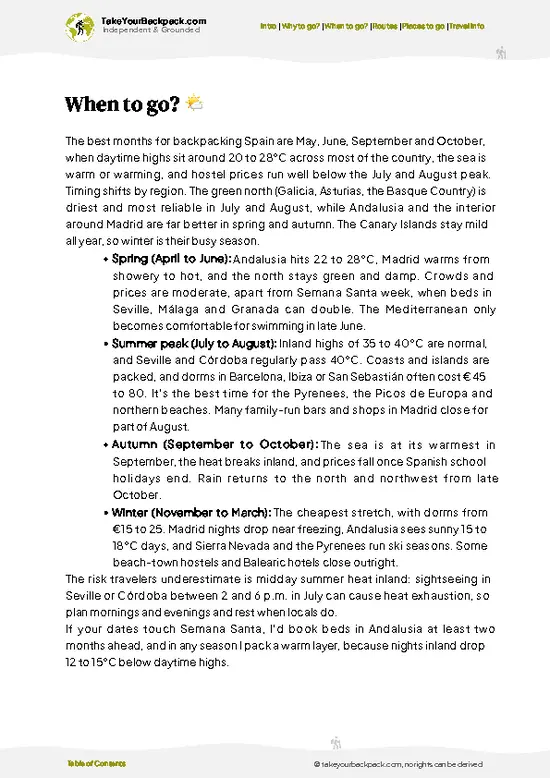
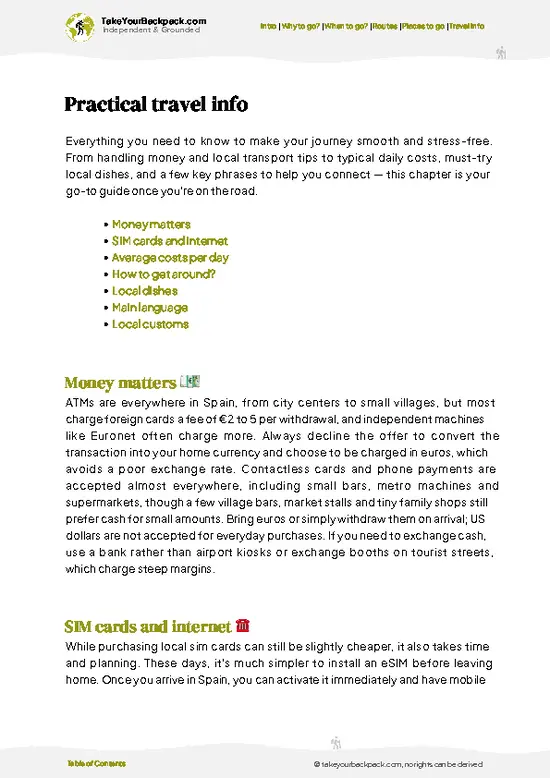
example page 0 from our offline Travel Guide for Spain
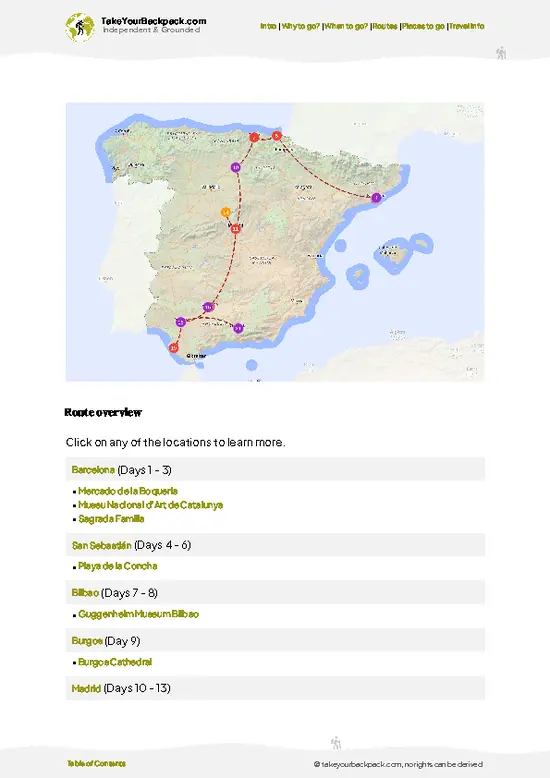
example page 1 from our offline Travel Guide for Spain
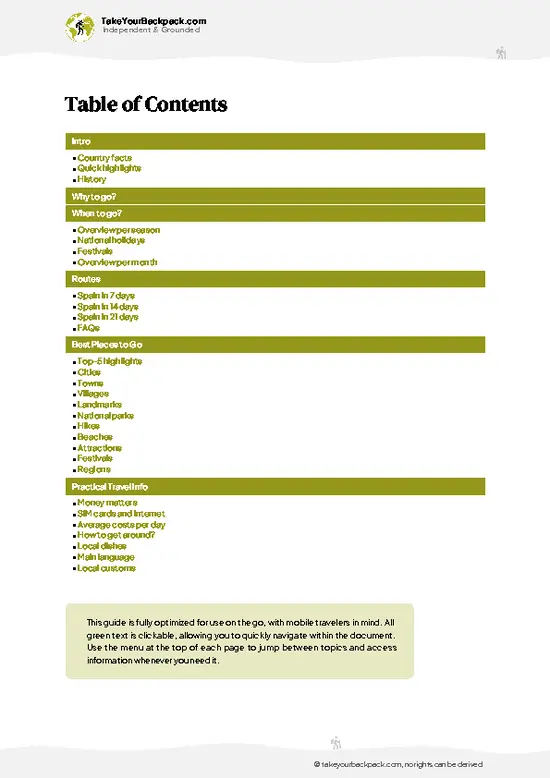
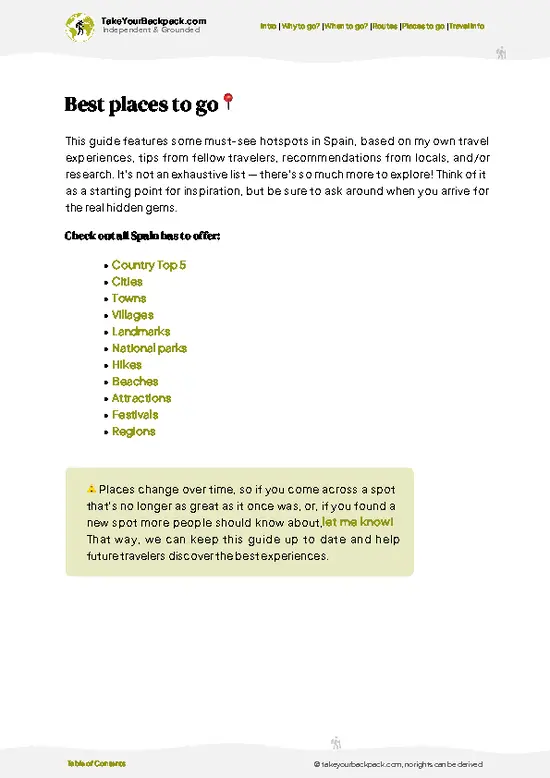
example page 2 from our offline Travel Guide for Spain
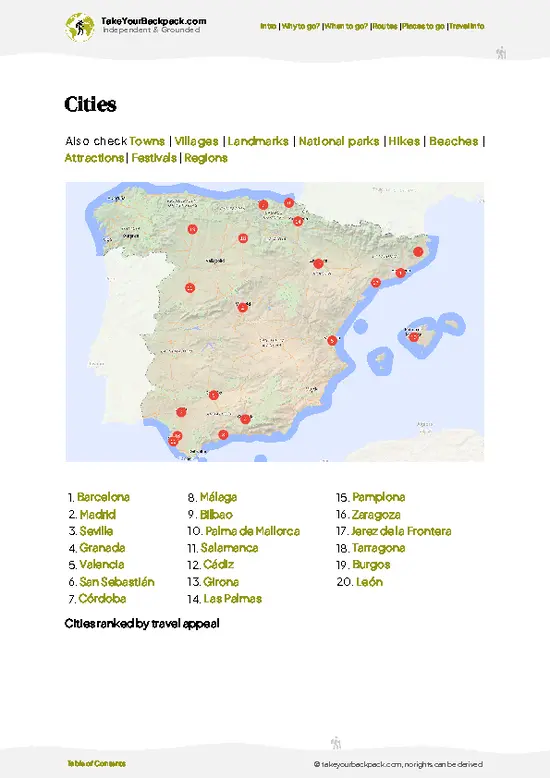
example page 3 from our offline Travel Guide for Spain
example page 4 from our offline Travel Guide for Spain
example page 5 from our offline Travel Guide for Spain
example page 6 from our offline Travel Guide for Spain
example page 7 from our offline Travel Guide for Spain
Loading the map 🌍
CLICK TO FILTER
cities
towns
villages
landmarks
national parks
hikes
beaches
attractions
festivals
regions
SHOW COUNTRY’S BESTSHOW ALL

✨ Why go?
Ranked #15 town in Spain
Why Úbeda should be on your travel list

Backpackers flock to Úbeda for its strategic location along the route to stunning hikes in the Sierra de Cazorla and nearby beaches on the Costa del Sol. The walkable streets invite exploration, with small-scale hostels and guesthouses offering a cozy, social vibe. You’ll find local food experiences that make every meal a delight, from tapas bars to bustling markets. Travelers often linger a few days, soaking in the friendly atmosphere that suits slow travelers and solo adventurers alike. It’s a place where the journey feels as rewarding as the destination, making it perfect for those who appreciate the slow burn of travel.

💡 HighlightsThe experiences that define the visit

  • Sacra Capilla del Salvador — One of Úbeda’s signature Renaissance gems by Andrés de Vandelvira: a compact, ornate chapel with a stunning façade and an intimate, sculptural interior. Seeing it in person gives you the scale and detail photos can’t capture.
  • Plaza Vázquez de Molina — The city’s show-off square where several of Úbeda’s best buildings sit together; wandering here feels like walking through an open-air museum of 16th-century civic pride.
  • Basilica de Santa María de los Reales Alcázares — A monumental church that mixes Gothic bones with Renaissance touches; the nave, altarpieces and the sense of continuous history make it worth lingering inside.
  • Hospital de Santiago — A fine example of Renaissance civic architecture with a calm interior courtyard. The building’s atmosphere and
… read more 👉
  • Sacra Capilla del Salvador — One of Úbeda’s signature Renaissance gems by Andrés de Vandelvira: a compact, ornate chapel with a stunning façade and an intimate, sculptural interior. Seeing it in person gives you the scale and detail photos can’t capture.
  • Plaza Vázquez de Molina — The city’s show-off square where several of Úbeda’s best buildings sit together; wandering here feels like walking through an open-air museum of 16th-century civic pride.
  • Basilica de Santa María de los Reales Alcázares — A monumental church that mixes Gothic bones with Renaissance touches; the nave, altarpieces and the sense of continuous history make it worth lingering inside.
  • Hospital de Santiago — A fine example of Renaissance civic architecture with a calm interior courtyard. The building’s atmosphere and regular cultural exhibitions make it more than just a photo stop.
  • Palacio de las Cadenas (Ayuntamiento) — Recognizable from its chained façade detail, this palace now functions as the town hall and is a neat way to see how Renaissance palaces were repurposed for municipal life.
  • Casa de las Torres — A compact fortress-like palace with twin towers — great for architecture nerds who like façades, mouldings and peeking into the layers of noble life in Renaissance Úbeda.
  • Iglesia de San Pablo — Often quieter than the main basilica, San Pablo rewards the visitor with fine altarpieces, carved details and a more reflective experience away from the busiest spots.
  • Museo Zabaleta — A small, friendly museum focused on local art and artists; perfect if you like seeing regional culture through paintings and modest, well-presented collections rather than huge national displays.
  • Palacio del Deán Ortega — A lesser-crowded Renaissance palace with elegant courtyards and stonework; it’s one of those places where the craftsmanship in doorways and staircases tells the story.
  • Walk the old town streets and viewpoints — Not a single building, but wandering Úbeda’s narrow lanes and finding small plazas or a hilltop viewpoint is one of the best ways to feel the city’s rhythm and spot hidden corners few guidebooks highlight.
A few great day-trip options nearby are the Renaissance town of Baeza, the olive-oil landscapes and mills around Jaén province, and the Sierra de Cazorla (parks, hiking and viewpoints); my personal favorite to pair with Úbeda is Baeza.
Spotted a mistake or missing something? Contact us.

Things to do near Úbeda

Ratings based on Tripadvisor reviews. When you book through this link, you support our work at no extra cost to you.

🏘️ NeighborhoodsUnderstanding the local layout

Úbeda is a charming town steeped in history, where every cobblestone whispers tales of the past. Here’s how to navigate its neighborhoods like a pro:

Centro Histórico: This is the heart of Úbeda, where Renaissance architecture meets lively plazas. It’s walkable and packed with affordable tapas bars. Perfect for short stays, you’ll find everything from historic sites to nightlife just steps away.

San Pablo: A quieter area, ideal for those seeking a more local vibe. It’s slightly removed from the hustle, making it great for longer stays. The scent of fresh bread wafts from bakeries, and you can easily access public transport.

La Alameda: This neighborhood offers a blend of parks and cafés. It’s family-friendly and perfect for leisurely strolls. While nightlife is subdued, the ambiance is … read more 👉
Úbeda is a charming town steeped in history, where every cobblestone whispers tales of the past. Here’s how to navigate its neighborhoods like a pro:

Centro Histórico: This is the heart of Úbeda, where Renaissance architecture meets lively plazas. It’s walkable and packed with affordable tapas bars. Perfect for short stays, you’ll find everything from historic sites to nightlife just steps away.

San Pablo: A quieter area, ideal for those seeking a more local vibe. It’s slightly removed from the hustle, making it great for longer stays. The scent of fresh bread wafts from bakeries, and you can easily access public transport.

La Alameda: This neighborhood offers a blend of parks and cafés. It’s family-friendly and perfect for leisurely strolls. While nightlife is subdued, the ambiance is relaxed, making it suitable for all types of travelers.

⌛️ 1 day1-day itinerary for Úbeda

Úbeda, a town steeped in Renaissance charm, offers a captivating blend of history and local life. Start your morning at the bustling Plaza Vázquez de Molina, where the sun casts a warm glow on the intricate facades of the Palacio de las Cadenas and the stunning Sacra Capilla del Salvador. Grab a coffee at a nearby café, inhaling the rich aroma of freshly baked pastries.

As the day unfolds, wander through the narrow streets of the old town, where the scent of olive oil wafts from local shops. Don’t miss the lesser-known Mercado de Abastos, a vibrant market where locals shop for fresh produce and artisanal goods. Here, you can sample some local cheese or olives, immersing yourself in the everyday rhythm of Úbeda.

In the evening, head to the Mirador de la Plaza del Ayuntamiento for a breathtaking … read more 👉
Úbeda, a town steeped in Renaissance charm, offers a captivating blend of history and local life. Start your morning at the bustling Plaza Vázquez de Molina, where the sun casts a warm glow on the intricate facades of the Palacio de las Cadenas and the stunning Sacra Capilla del Salvador. Grab a coffee at a nearby café, inhaling the rich aroma of freshly baked pastries.

As the day unfolds, wander through the narrow streets of the old town, where the scent of olive oil wafts from local shops. Don’t miss the lesser-known Mercado de Abastos, a vibrant market where locals shop for fresh produce and artisanal goods. Here, you can sample some local cheese or olives, immersing yourself in the everyday rhythm of Úbeda.

In the evening, head to the Mirador de la Plaza del Ayuntamiento for a breathtaking sunset view. As the sky turns to shades of orange and pink, enjoy dinner at a cozy tavern, savoring traditional dishes like pipirrana. This day in Úbeda isn’t just about sights; it’s about feeling the pulse of a town that thrives on its rich heritage and warm community spirit.

🌤️ When to go?When to go for the best experience

  • Weather: Spring (April to June) offers mild, dry days around 18-25°C (64-77°F), perfect for wandering cobblestone streets without overheating or rain dampening your plans.
  • Temperature: Summers hit 30-35°C (86-95°F), making midday hikes or outdoor exploring tough; winters dip to 5-10°C (41-50°F), chilly but manageable with layers.
  • Daylight Hours: Late spring and early summer bring long evenings, stretching daylight to 9-10 hours—ideal for soaking in the golden hour light on Renaissance facades.
  • Crowds: Peak tourist season in July and August swells the town, especially around festivals, so visiting shoulder seasons means quieter streets and more authentic interactions.
  • Seasonal Activities: Spring hosts local markets and olive blossom festivals, adding sensory layers of scent and sound
… read more 👉
  • Weather: Spring (April to June) offers mild, dry days around 18-25°C (64-77°F), perfect for wandering cobblestone streets without overheating or rain dampening your plans.
  • Temperature: Summers hit 30-35°C (86-95°F), making midday hikes or outdoor exploring tough; winters dip to 5-10°C (41-50°F), chilly but manageable with layers.
  • Daylight Hours: Late spring and early summer bring long evenings, stretching daylight to 9-10 hours—ideal for soaking in the golden hour light on Renaissance facades.
  • Crowds: Peak tourist season in July and August swells the town, especially around festivals, so visiting shoulder seasons means quieter streets and more authentic interactions.
  • Seasonal Activities: Spring hosts local markets and olive blossom festivals, adding sensory layers of scent and sound that deepen your connection to the place.
  • Price Fluctuations: Accommodation and dining costs spike in summer; booking in spring or early autumn can save you money without sacrificing experience quality.
Pro-tip: Aim for late April or May—Úbeda’s light is soft, the air smells of blooming jasmine, and the town feels like it’s just waking up, giving you space to breathe in its history without the crush.


source: climatestotravel.comJANJanuary: fair for travelingFEBFebruary: fair for travelingMARMarch: good for travelingAPRApril: excellent for travelingMAYMay: excellent for travelingJUNJune: highly recommended for travelingJULJuly: fair for travelingAUGAugust: fair for travelingSEPSeptember: highly recommended for travelingOCTOctober: highly recommended for travelingNOVNovember: good for travelingDECDecember: fair for traveling
when-to-go

✈️ The backpacker research shortcutSpain Travel Guide

An offline-friendly backpacking guide with optimized travel routes, ranked highlights, transport advice, and the best areas to stay.
example page 0 from our offline Travel Guide for Spain
example page 1 from our offline Travel Guide for Spain
example page 2 from our offline Travel Guide for Spain
example page 3 from our offline Travel Guide for Spain
example page 4 from our offline Travel Guide for Spain
example page 5 from our offline Travel Guide for Spain
example page 6 from our offline Travel Guide for Spain
example page 7 from our offline Travel Guide for Spain
The digital guide (543 pages) contains:
✅ 147 highlights, ranked by travel appeal
✅ Optimized 7, 14 & 21-day travel routes
✅ Cities, national parks, landmarks, beaches
✅ How to get around
✅ Offline-friendly for travel without Wi-Fi
👉 Click to see all 30+ guide features

📅 Plan smarter in minutes, not weeks
✅ Month by month travel advice
✅ Festivals & national holidays
✅ Budget expectations

🗺️ Go to the right places, skip the overrated ones
✅ Honest pros & cons of destinations
✅ Top hikes, parks & viewpoints
✅ Lesser-known places most travelers miss
✅ Clear “worth it vs skip it” guidance

🛏️ Travel smoothly without rookie mistakes
✅ Best areas to stay
✅ Transport systems explained simply
✅ Common scams & safety advice
✅ SIM cards, money & practical tips

🌍 Understand the country, not just visit it
✅ Culture & traditions
✅ 52 Essential phrases & customs
✅ Festivals worth planning around
✅ Traveler-friendly historical context
✅ Insights that make places more meaningful

📱 Built for real travel conditions
✅ Fully downloadable PDF
✅ Works completely offline
✅ Optimized for phone use
✅ Useful in remote areas & buses
✅ Everything in one place
Stop searching, start planning
Get instant access to your full guide. 30‑day money-back guarantee.
+ Add another guide for just

By proceeding you agree to our terms.
Sent to your inbox immediately after payment • 100% Secure Checkout
Best Backpacking Travel Advisor 2025 tourism awardBest Backpacking
Travel Advisor
2025
What others say about Take Your Backpack Guides:
⭐⭐⭐⭐⭐
Fantastic, amazing amount of information!
⭐⭐⭐⭐⭐
My goodness this is amazing, it's what I've been looking for hats off too you!
⭐⭐⭐⭐⭐
I think this is absolutely BRILLIANT
⭐⭐⭐⭐
Very complete and informative. It's still missing places, but I gotta to commend you
⭐⭐⭐⭐⭐
This is truly amazing, thank you, can't wait to explore it with my kids!
⭐⭐⭐⭐⭐
Awesome resource, thank you!
⭐⭐⭐⭐⭐
This is amazing! Can't wait to explore the ones I haven't seen
⭐⭐⭐⭐
I love this! Well done, great idea.
⭐⭐⭐⭐⭐
Thanks for taking the time to make this gem!
⭐⭐⭐⭐⭐
This might be the best website I've ever seen.
⭐⭐⭐⭐⭐
Congratulations, and thank you so much for your work; it's incredibly valuable.
⭐⭐⭐⭐
In all seriousness I think you did a great job pointing out the important spots
⭐⭐⭐⭐⭐
10/10 very good
⭐⭐⭐⭐⭐
As someone who's only just starting to visit regularly this is awesome, thank you.
⭐⭐⭐⭐
Thank you very much! I'm going to visit my dad, it's going to be very useful!
⭐⭐⭐⭐⭐
This is really cool! We'll be travelling for the first time and this definitely come in handy.
⭐⭐⭐⭐⭐
You are now our minister of culture, congratulations 👨‍💼
⭐⭐⭐⭐⭐
Just wanted to tell you that this is a pearl! Going to follow your recommendations.
⭐⭐⭐⭐⭐
This is so cool. I'll definitely be using the resource for my travels soon.
⭐⭐⭐⭐⭐
This is very impressive! Good work.
⭐⭐⭐⭐⭐
This is an amazing and informative site. Very well done!

🛏️ Where to stay?Best areas to stay in Spain

Úbeda’s heart for backpackers pulses strongest around the historic center, especially near Plaza Vázquez de Molina. This area is a compact maze of sun-warmed sandstone streets where the scent of fresh bread drifts from corner bakeries, and the late afternoon light casts long shadows on Renaissance facades. Staying here means you’re steps away from lively tapas bars and small plazas where solo travelers naturally gather, making it easy to strike up conversations without forcing it. The vibe is relaxed but social, with a steady flow of budget-friendly hostels tucked into old buildings, offering … read more 👉
Úbeda’s heart for backpackers pulses strongest around the historic center, especially near Plaza Vázquez de Molina. This area is a compact maze of sun-warmed sandstone streets where the scent of fresh bread drifts from corner bakeries, and the late afternoon light casts long shadows on Renaissance facades. Staying here means you’re steps away from lively tapas bars and small plazas where solo travelers naturally gather, making it easy to strike up conversations without forcing it. The vibe is relaxed but social, with a steady flow of budget-friendly hostels tucked into old buildings, offering a mix of dorms and private rooms. Compared to the quieter residential neighborhoods farther out, this central zone keeps you plugged into the city’s rhythm—safe, walkable, and buzzing just enough to feel connected without the noise of a tourist trap.

🚌 Getting aroundHow to get from A to B

Úbeda moves at the pace of a slow-burning afternoon. The sun spills golden light over its Renaissance stone, warming the narrow streets where locals drift between cafés and plazas with a relaxed rhythm. This isn’t a place where you’ll find rigid timetables or frantic rushes. Instead, it’s a town that rewards patience and curiosity—where the scent of fresh bread from a corner bakery or the murmur of a fountain invites you to linger. Understanding this flow means you’ll navigate Úbeda not as a tourist chasing a checklist, but as someone soaking in the layers of daily life, making every step feel earned.
  • Walking: Úbeda’s compact center is best explored on foot. The cobblestones and shaded alleys invite slow strolls, and most historic sites are within 10-15 minutes of each other. Walking is free,
… read more 👉
Úbeda moves at the pace of a slow-burning afternoon. The sun spills golden light over its Renaissance stone, warming the narrow streets where locals drift between cafés and plazas with a relaxed rhythm. This isn’t a place where you’ll find rigid timetables or frantic rushes. Instead, it’s a town that rewards patience and curiosity—where the scent of fresh bread from a corner bakery or the murmur of a fountain invites you to linger. Understanding this flow means you’ll navigate Úbeda not as a tourist chasing a checklist, but as someone soaking in the layers of daily life, making every step feel earned.
  • Walking: Úbeda’s compact center is best explored on foot. The cobblestones and shaded alleys invite slow strolls, and most historic sites are within 10-15 minutes of each other. Walking is free, immersive, and lets you catch the subtle details—the way light hits a carved doorway or the faint aroma of orange blossoms in spring.
  • Local Bus: The bus system is limited but functional, mainly connecting Úbeda with nearby towns like Baeza. Buses run roughly every hour from early morning until early evening, costing around €2-3. They’re basic but reliable, perfect for budget travelers wanting to explore beyond the town without hassle.
  • Taxi: Taxis are available but not abundant. They’re best for late-night returns or when you’re carrying heavy gear. Expect fares around €5-10 within town limits. They don’t run on a strict schedule, so you’ll need to call ahead or find one at a taxi stand.
  • Bicycle Rental: Renting a bike is a smart way to cover more ground without losing the intimacy of the town’s atmosphere. Rentals cost about €10-15 per day. The terrain is mostly flat, and cycling lets you slip through quieter neighborhoods and reach viewpoints just outside the center.

👛 Costs (as of 16 October 2026)How expensive it really is

Backpacking through Úbeda, Spain, offers a rich dive into Renaissance architecture and Andalusian charm without draining your wallet. Here’s what you can expect to spend day-to-day.
  • Dorm Accommodation: Dorm beds in Úbeda typically run between €15 and €25 per night. These are basic but clean hostels or guesthouses, often housed in historic buildings that add character to your stay. Booking ahead can snag you better rates, especially in peak season.
  • Meals: Eating local is both a treat and a budget saver. A simple breakfast of coffee and a pastry might cost around €2 to €4. Lunch or dinner at a modest tapas bar or café usually falls between €8 and €15, depending on how many plates you order. Markets and bakeries offer affordable snacks if you want to keep costs down.
  • Local Transport: Úbeda
… read more 👉
Backpacking through Úbeda, Spain, offers a rich dive into Renaissance architecture and Andalusian charm without draining your wallet. Here’s what you can expect to spend day-to-day.
  • Dorm Accommodation: Dorm beds in Úbeda typically run between €15 and €25 per night. These are basic but clean hostels or guesthouses, often housed in historic buildings that add character to your stay. Booking ahead can snag you better rates, especially in peak season.
  • Meals: Eating local is both a treat and a budget saver. A simple breakfast of coffee and a pastry might cost around €2 to €4. Lunch or dinner at a modest tapas bar or café usually falls between €8 and €15, depending on how many plates you order. Markets and bakeries offer affordable snacks if you want to keep costs down.
  • Local Transport: Úbeda is compact enough to explore mostly on foot, which is a bonus for your budget and your senses—cobblestone streets, the scent of fresh bread, and the hum of daily life. If you do need a bus, a single ride costs about €1.50. Taxis start around €4 for short trips.
  • Basic Activities/Entry Fees: Many of Úbeda’s main attractions, like the Renaissance palaces and churches, charge modest entry fees ranging from €3 to €6. Some museums or guided tours might push closer to €10, but the quality and insight you gain make it worth the spend.
  • Miscellaneous Expenses: Think bottled water, a coffee break, or a souvenir postcard—these small extras add up to about €3 to €7 daily. Keep a little buffer for unexpected treats or emergencies.

Altogether, you’re looking at roughly €35 to €60 per day to experience Úbeda comfortably but without luxury. This range covers the essentials and leaves room for a few indulgences. Walking through the town’s sunlit plazas and quiet alleyways, you’ll find that the modest daily budget unlocks a genuine connection to the place, making every euro feel well spent.


source: spain.info
⚠️ Prices can change and everyone travels differently, so take this as a rough guide. Hope it helps you plan your adventure!

🚌 Day tripsWhere to go beyond the main area

Úbeda is a fantastic base for day trips, offering a blend of history, culture, and stunning landscapes. Here are some worthwhile excursions that will elevate your experience.

Baeza
Just a 15-minute bus ride from Úbeda, Baeza feels like stepping into a Renaissance painting. The air is thick with the scent of orange blossoms, and the cobblestone streets echo with history. Explore the Plaza del pueblo and the stunning Cathedral of Baeza, where the intricate stonework tells stories of centuries past. A round trip will cost you around €5, making it an easy and budget-friendly jaunt. Aim for spring or early fall when the weather is mild and the town is less crowded. Many first-timers miss the chance to wander the back alleys, where local cafés serve the best tapas.
👉 Explore Baeza

Sierra de … read more 👉
Úbeda is a fantastic base for day trips, offering a blend of history, culture, and stunning landscapes. Here are some worthwhile excursions that will elevate your experience.

Baeza
Just a 15-minute bus ride from Úbeda, Baeza feels like stepping into a Renaissance painting. The air is thick with the scent of orange blossoms, and the cobblestone streets echo with history. Explore the Plaza del pueblo and the stunning Cathedral of Baeza, where the intricate stonework tells stories of centuries past. A round trip will cost you around €5, making it an easy and budget-friendly jaunt. Aim for spring or early fall when the weather is mild and the town is less crowded. Many first-timers miss the chance to wander the back alleys, where local cafés serve the best tapas.
👉 Explore Baeza

Sierra de Cazorla
For nature lovers, the Sierra de Cazorla is a must. About an hour’s drive from Úbeda, this national park offers breathtaking views and a chance to hike through lush forests. The trails vary in difficulty, so whether you’re a seasoned hiker or a casual walker, you’ll find something that suits you. Expect to spend around €10 on transport and entry fees. Late spring is ideal, as the wildflowers bloom and the temperatures are perfect for hiking. A common mistake is underestimating the park’s size; plan your route ahead to avoid getting lost.
👉 Explore Sierra de Cazorla

Jaén
Just 45 minutes away, Jaén is famous for its olive oil and stunning castle views. The Alcázar de Jaén offers panoramic vistas that are worth the climb. You can grab a hearty meal for under €15, and the local markets are a feast for the senses. Fall is the best time to visit, as the olive harvest brings a lively atmosphere. Many backpackers overlook the local oil tasting experiences, which can deepen your appreciation for the region.


Granada
While a bit further at about 90 minutes by bus, Granada is a day trip that rewards the effort. The Alhambra is a must-see, but don’t forget the charming streets of the Albayzín. Expect to spend around €20 for transport and entry. Late afternoon visits can be magical, as the setting sun casts a golden hue over the city. First-timers often miss the free walking tours that provide rich context to the sights.
👉 Explore Granada

🛡️ SafetyStaying Safe: What Travelers Should Know

In Úbeda, the atmosphere is inviting, but staying aware enhances your experience. Stick to well-lit streets at night, especially around the quieter plazas. Solo travelers should blend in; avoid drawing attention with flashy gear.

While scams are rare, be cautious of overly friendly locals offering unsolicited help—politely decline and trust your instincts. Street vendors can be persistent, so a firm but friendly “no, gracias” works wonders. Overall, the town is safe, but a little awareness goes a long way in ensuring a smooth adventure.

FAQFrequently asked questions about Úbeda

Yes, Úbeda is worth visiting for its well-preserved Renaissance architecture and UNESCO World Heritage status. The town offers a rich cultural experience with landmarks like the Sacra Capilla del Salvador and the Vázquez de Molina Square. It is more than just a stopover if you appreciate history and architecture.
Two days are sufficient to explore Úbeda thoroughly. This allows time to visit key sites such as the Palacio de las Cadenas and the local museums, plus enjoy the town's atmosphere and cuisine. One day might feel rushed, especially if you want to explore at a relaxed pace.
Yes, Úbeda can be visited as a day trip from nearby cities like Jaén, which is about 30 kilometers away. Public transport options exist but are limited, so renting a car or joining a guided tour is more practical. A day trip is feasible but leaves limited time for in-depth exploration.
⚠️ Things can change over time, so always validate details locally before you go.

Other Spanish towns near Úbeda

Explore more nearby:

  • Baeza—Renaissance plazas, olive groves, sandstone facades| 9 km away
  • Frigiliana—Moorish quarter, mosaic streets, mountain views| 143 km away
  • Setenil de las Bodegas—Cave dwellings, overhanging cliffs, narrow river gorge| 204 km away

💡 Not sure where to go next?
Create a personalized itinerary for Spain including Úbeda and the places that fit your trip.

Generate my itinerary

👉 Discover all towns

Or checkout all Spain has to offer (think cities, towns, villages, national parks, hikes, beaches, festivals)
Country photo of Spain

We 💚 feedbackWhat to keep in mind

Úbeda’s Renaissance architecture is a feast for the eyes, with every stone whispering stories of the past. But be ready for the heat in summer; it can be relentless. Embrace the early mornings or late evenings when the town breathes life, and the light turns golden.

✈️ When did I visit Spain?
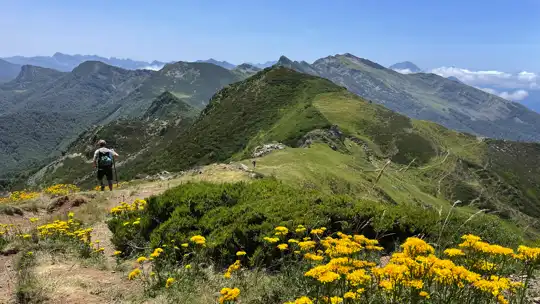
With Spain having so much to offer, I have visited it many times. Best trip was a hiking tour in the Picos de Europa in the North of Spain in July 2023.

✍️ Help improve this page!
The information on this page is based on my own backpacking experience in Spain, supplemented with up-to-date research and feedback from other travelers. Travel details can change, so if you notice anything outdated or incomplete, feel free to let me know.


🙋‍♂️ Give feedback

👋 Meet the founderWho’s Behind Take Your Backpack?

Johan, backpacker and founder of TakeYourBackpackHi, I’m Johan (Netherlands 🇳🇱), the creator of TakeYourBackpack. Over the past 3 decades, I’ve backpacked through 90+ countries across six continents, gaining extensive experience with independent travel, long-term trips, and overland routes.

This site is built on a combination of firsthand travel experience and carefully curated insights from other backpackers. Many guides are based on places I’ve personally visited, while others bring together tips, observations, and practical advice shared by trusted travelers I’ve met along the way.

The goal is to provide realistic, experience-driven guidance — not generic itineraries — so you can explore destinations with better context, clearer expectations, and more confidence.