
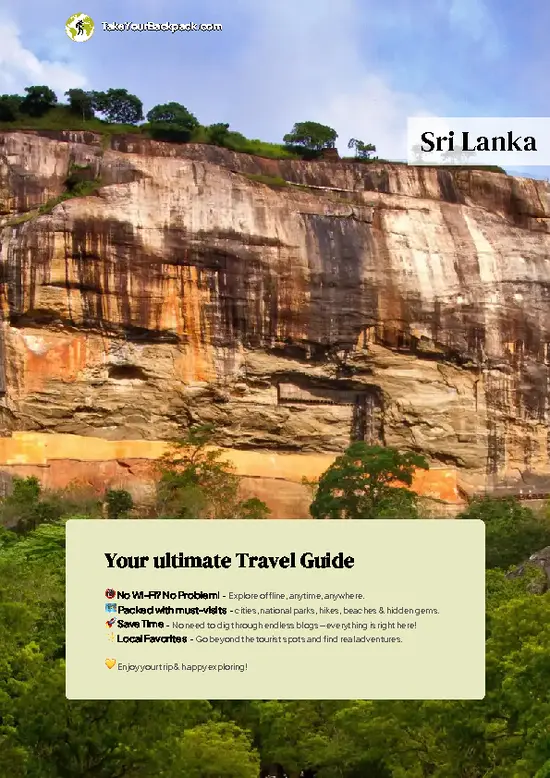
- Rangiri Dambulla Cave Temple (Raja Maha Vihara) — The town’s showstopper: a cluster of five cave temples packed with Buddha statues and 2,000+ square metres of vivid ancient murals. Visiting is an experience — you climb the rock, duck into cool, dim caves and stand metres from art that’s been cared for for centuries.
- Golden Buddha Statue (Dambulla Golden Temple) — The huge gilded Buddha at the base of the cave rock is instantly recognizable from the road. It’s a modern, monumental landmark that frames the pilgrimage route up to the caves and makes for very photogenic sunrise/sunset shots.
- Cave-top viewpoint above the temple complex — Step a little higher from the caves for sweeping views over the flat Central Plains. The climb is short but rewarding: rice paddies, villages and distant
- Rangiri Dambulla Cave Temple (Raja Maha Vihara) — The town’s showstopper: a cluster of five cave temples packed with Buddha statues and 2,000+ square metres of vivid ancient murals. Visiting is an experience — you climb the rock, duck into cool, dim caves and stand metres from art that’s been cared for for centuries.
- Golden Buddha Statue (Dambulla Golden Temple) — The huge gilded Buddha at the base of the cave rock is instantly recognizable from the road. It’s a modern, monumental landmark that frames the pilgrimage route up to the caves and makes for very photogenic sunrise/sunset shots.
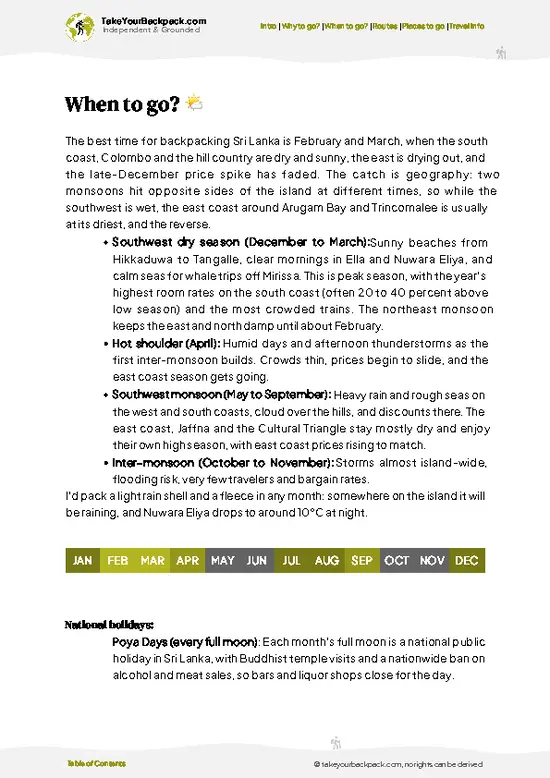
- Cave-top viewpoint above the temple complex — Step a little higher from the caves for sweeping views over the flat Central Plains. The climb is short but rewarding: rice paddies, villages and distant hills unfold below, and it gives a real sense of why this rock was chosen as a sacred spot.
- Rangiri Dambulla International Stadium — A surprisingly modern cricket ground tucked into town. If there’s a match, it’s a loud, local affair and a great way to see community life. Even without a game, the stadium architecture and the surrounding parkland are worth a stroll.
- Dambulla Central Market (Main Market / Pettah) — A working town market where vendors sell vegetables, spices, jaggery and snacks. It’s noisy, colorful and cheap — the best place to sample street food, haggle for ingredients, or just watch daily life up close.
- Local Hindu kovil near the market — Dambulla’s multi-religious vibe shows up in the small, brightly painted kovils (Hindu temples) close to the town centre. They’re active, ornate, and offer a contrast to the Buddhist sites — good for observing rituals and the way different communities mix here.
- Dambulla Tank / Wewa (local reservoir) — The town’s water reservoir is a peaceful spot for a late-afternoon walk and simple birdwatching. Locals use the banks for evening chores and fishing, so it’s a low-key way to see everyday rural life without leaving town.
- Neighborhood viharas and monastic compounds — Scattered through town are several small Buddhist temples where you can observe chanting, alms-giving, and daily monastic routines. They’re unpolished, real, and give a window into Sri Lankan devotional life away from the main cave complex.
- Main Street food stalls and tea shops — Some of the smallest, most memorable experiences in Dambulla happen at roadside tea shops and dosa/rotti stalls. Sit on a plastic stool, have a hoppers-and-strong-tea breakfast, and watch the town wake up.
- Dambulla Cultural Events & Local Craft Stalls (when on) — The town periodically hosts small religious festivals, devotional processions and craft stalls. Timing matters, but catching one gives you music, food, and a community rhythm that’s authentically Dambulla — not packaged for tourists.
Spotted a mistake or missing something? Contact us.

Sigiriya and Dambulla Private Day Tour by Tuk-Tuk or Car

10 Days Sri Lanka Tour with Sudath

Sigiriya Rock & Dambulla Cave Temple Private Guided Day Trip

2-Day Cultural Tour in Sigiriya with Polonnaruwa and Jeep Safari

A Full-day Sigiriya and Dambulla Private Tour.

Sigiriya & Neighbourhoods: Most Recommended Guided Day Tour

Private Day Trip To Sigiriya Rock Fortress And Dambulla Cave Temple

Sri Lanka Cultural and Nature Experience

Private Day Trip to Sigiriya, Dambulla Cave Temple and Safari


 Best Backpacking

 Hi, I’m Johan (Netherlands 🇳🇱), the creator of TakeYourBackpack. Over the past 3 decades, I’ve backpacked through 90+ countries across six continents, gaining extensive experience with independent travel, long-term trips, and overland routes.