
×

Sri Lanka🇱🇰 | townsSigiriyaancient rock fortress, frescoes, panoramic summit | things to do and best time to go

Explore KalpitiyaExplore Jaffna

Backpacking in Sigiriya
🏆 Top picktown ranked #3
By Johan Kruseman 🇳🇱 | Updated October 15, 2026

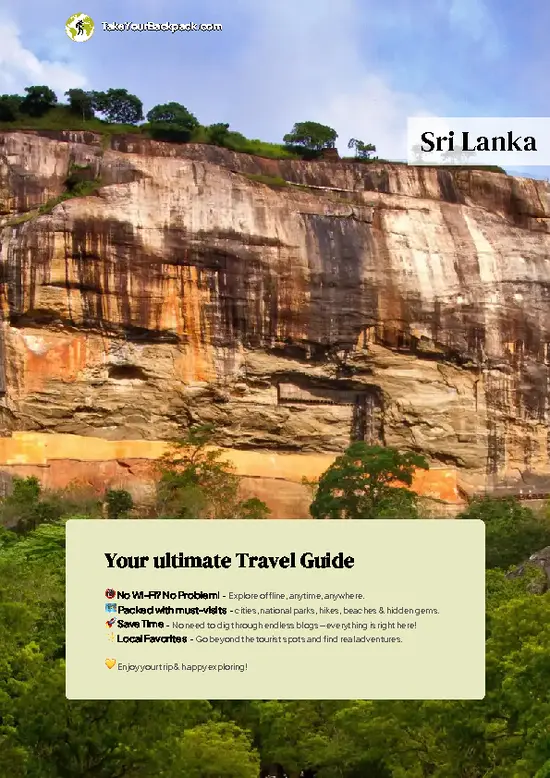
Years ago, Sigiriya felt like a sleepy village with a giant rock in its backyard. You’d bike down red-dust lanes at sunrise, hear only birds and temple drums, and buy your ticket from a window that looked like a school office. Today, the rock fortress is a full-blown attraction: tour buses, ticket queues, drone signs, and a steady hum of selfie sticks. The town itself sits in Sri Lanka’s Central Province, roughly between Dambulla and Habarana, and it exists almost entirely to serve that rock and the surrounding nature.

For backpackers, Sigiriya works best as a short base, not a long stay. It’s greener and calmer than Dambulla, with sandy lanes, small guesthouses, and a few hostels where it’s easy to meet other travelers over curry and Lion beers, but nights are quiet. Buses and tuk-tuks make it simple to hop to Dambulla, Minneriya, or Kaudulla. It’s slightly pricier and more touristic than nearby towns, yet still feels rural enough that you wake to frogs and roosters, not traffic.

Discover everything you want to know in the 📖 Sri Lanka Travel Guide.


example page 0 from our offline Travel Guide for Sri Lanka
example page 1 from our offline Travel Guide for Sri Lanka
example page 2 from our offline Travel Guide for Sri Lanka
example page 3 from our offline Travel Guide for Sri Lanka
example page 4 from our offline Travel Guide for Sri Lanka
example page 5 from our offline Travel Guide for Sri Lanka
example page 6 from our offline Travel Guide for Sri Lanka
example page 7 from our offline Travel Guide for Sri Lanka
Loading the map 🌍
CLICK TO FILTER
cities
towns
villages
landmarks
national parks
hikes
beaches
attractions
festivals
regions
SHOW COUNTRY’S BESTSHOW ALL

✨ Why go?
Ranked #3 town in Sri Lanka
Reasons people choose to visit here

Backpackers flock to Sigiriya not just for its iconic rock fortress but for its strategic position on the route to some of Sri Lanka’s best hikes and cultural experiences. The town serves as a gateway to the Cultural Triangle, making it easy to explore ancient sites like Polonnaruwa and Anuradhapura. You’ll find small-scale guesthouses and hostels that offer a cozy atmosphere, perfect for solo travelers or small groups looking to connect.

The streets are walkable, lined with local eateries where you can savor authentic Sri Lankan dishes, from spicy rice and curry to fresh hoppers. The vibe is friendly and laid-back, encouraging interaction among travelers. While some may only stay a night or two to tackle the fortress and move on, others linger for a few days, soaking in the tranquility … read more 👉
Backpackers flock to Sigiriya not just for its iconic rock fortress but for its strategic position on the route to some of Sri Lanka’s best hikes and cultural experiences. The town serves as a gateway to the Cultural Triangle, making it easy to explore ancient sites like Polonnaruwa and Anuradhapura. You’ll find small-scale guesthouses and hostels that offer a cozy atmosphere, perfect for solo travelers or small groups looking to connect.

The streets are walkable, lined with local eateries where you can savor authentic Sri Lankan dishes, from spicy rice and curry to fresh hoppers. The vibe is friendly and laid-back, encouraging interaction among travelers. While some may only stay a night or two to tackle the fortress and move on, others linger for a few days, soaking in the tranquility and the lush surroundings.

This is a place for slow travelers and hikers who appreciate the balance of culture and nature. If you’re seeking a bustling nightlife scene, you might want to keep moving. But if you crave a blend of adventure and relaxation, Sigiriya is a solid stop on your journey.

💡 HighlightsMust-see experiences and standout moments

  1. Sigiriya Rock Fortress (Lion Rock) — The big draw: a 200-metre monolith topped by the ruined royal citadel. The climb is part archaeology, part workout, and the summit views over paddy fields and jungle are unforgettable.
  2. Fresco Gallery & Mirror Wall — The sheltered frescoes of painted maidens and the highly polished “mirror wall” with ancient graffiti are fragile, intimate pieces of the site’s personality — don’t rush past them.
  3. Lion’s Paw Terrace & Lion Gate remains — The dramatic stone paws that once framed the giant lion entrance are symbolic of Sigiriya’s bold royal statement; the approach here gives you a real sense of scale and showmanship.
  4. Summit Palace Ruins — Scattered foundations, pools and platforms up top mark where King Kasyapa’s palace once stood; the water cisterns and
… read more 👉
  1. Sigiriya Rock Fortress (Lion Rock) — The big draw: a 200-metre monolith topped by the ruined royal citadel. The climb is part archaeology, part workout, and the summit views over paddy fields and jungle are unforgettable.
  2. Fresco Gallery & Mirror Wall — The sheltered frescoes of painted maidens and the highly polished “mirror wall” with ancient graffiti are fragile, intimate pieces of the site’s personality — don’t rush past them.
  3. Lion’s Paw Terrace & Lion Gate remains — The dramatic stone paws that once framed the giant lion entrance are symbolic of Sigiriya’s bold royal statement; the approach here gives you a real sense of scale and showmanship.
  4. Summit Palace Ruins — Scattered foundations, pools and platforms up top mark where King Kasyapa’s palace once stood; the water cisterns and ruined rooms are very visitable and reward the climb with history plus panorama.
  5. Water Gardens — A carefully engineered landscape of moats, ponds, channels and symmetrical pools at the rock’s base — useful for seeing how advanced ancient hydraulic gardening was and for getting photos without the climb.
  6. Boulder and Terrace Gardens — Winding paths, carved terraces and rock platforms built into the lower slopes; quieter than the main ascent and great for appreciating the site’s creative use of natural rock.
  7. Outer Defences, Moat and Causeway — Walking the original approach route past the moat and defensive earthworks helps you picture Sigiriya as a planned fortress-city rather than just a single monument.
  8. Ancient Hydraulic Systems & Reflection Pools — Tiny channels, stone sluices and the remains of fountains scattered through the gardens are living proof of sophisticated water control — engineers and curious travelers both get a kick out of this.
  9. Sigiriya Archaeological Museum — Compact, well laid out, and located near the site entrance: it displays pottery, tools, models and explanations that make the ruins easier to read on-site (worth a quick stop before or after the climb).
  10. Sigiriya Town Market & Local Eateries — The small town market and roadside food stalls give you a quick, real taste of local life: fresh fruit, kottu and rice-and-curry at local prices — great for a low-budget, authentic meal between site visits.
A few excellent day trips just outside Sigiriya: climb Pidurangala Rock for a close sunrise view of Lion Rock, visit Dambulla Cave Temple (famous cave paintings and Buddha statues), or head to Minneriya National Park to see the elephant gatherings.
Spotted a mistake or missing something? Contact us.

Things to do around Sigiriya

Ratings based on Tripadvisor reviews. When you book through this link, you support our work at no extra cost to you.

🏘️ NeighborhoodsNeighborhood guide to Sigiriya

Sigiriya is a captivating blend of ancient history and vibrant local life, making it a must-visit for backpackers seeking both adventure and culture.

Sigiriya Town: This is the heart of the action. The vibe is lively, with local markets and street food stalls that fill the air with the scent of spices. It’s walkable, making it easy to explore on foot. Accommodations range from budget hostels to mid-range guesthouses, perfect for short stays. Nightlife is low-key, with a few bars where you can unwind after a day of climbing the rock fortress.

Pidurangala: Just a stone’s throw from Sigiriya, this area offers a quieter atmosphere. The main draw is the Pidurangala Rock, which provides stunning views of Sigiriya at sunrise. It’s ideal for those looking to escape the hustle and bustle. The walk … read more 👉
Sigiriya is a captivating blend of ancient history and vibrant local life, making it a must-visit for backpackers seeking both adventure and culture.

Sigiriya Town: This is the heart of the action. The vibe is lively, with local markets and street food stalls that fill the air with the scent of spices. It’s walkable, making it easy to explore on foot. Accommodations range from budget hostels to mid-range guesthouses, perfect for short stays. Nightlife is low-key, with a few bars where you can unwind after a day of climbing the rock fortress.

Pidurangala: Just a stone’s throw from Sigiriya, this area offers a quieter atmosphere. The main draw is the Pidurangala Rock, which provides stunning views of Sigiriya at sunrise. It’s ideal for those looking to escape the hustle and bustle. The walk to the rock is a bit rugged, but the payoff is worth it. Accommodations here are generally cheaper, making it suitable for longer stays if you prefer a more laid-back vibe.

Habarana: A bit further out, Habarana serves as a transport hub for exploring nearby national parks and ancient sites. The atmosphere is relaxed, with a mix of locals and travelers. It’s less walkable, but tuk-tuks are readily available. This area is perfect for those planning to stay longer and venture into the wild, with a range of budget-friendly lodgings.

Dambulla: Known for its cave temples, Dambulla is a short ride from Sigiriya. The vibe is more cultural, with fewer tourists. It’s walkable around the temple area, and you can find affordable guesthouses. This is a great spot for a quiet retreat while still being close enough to Sigiriya for day trips.

⌛️ 1 dayA smart one-day plan

Sigiriya, a town steeped in history and surrounded by lush greenery, is a gateway to one of Sri Lanka’s most iconic landmarks: the Lion Rock. This ancient fortress, rising dramatically from the plains, is a testament to the ingenuity of its creators. But beyond the rock, Sigiriya offers a rich tapestry of experiences that can fill a day with adventure and discovery.

Start your morning early, as the sun begins to paint the sky in soft oranges and pinks. Head straight to the Lion Rock. The climb is challenging, with steep steps and narrow pathways, but the reward is worth every bead of sweat. As you ascend, the scent of damp earth and blooming flowers fills the air, and the views become more breathtaking with each step. At the summit, you’ll be greeted by panoramic vistas that stretch for miles, … read more 👉
Sigiriya, a town steeped in history and surrounded by lush greenery, is a gateway to one of Sri Lanka’s most iconic landmarks: the Lion Rock. This ancient fortress, rising dramatically from the plains, is a testament to the ingenuity of its creators. But beyond the rock, Sigiriya offers a rich tapestry of experiences that can fill a day with adventure and discovery.

Start your morning early, as the sun begins to paint the sky in soft oranges and pinks. Head straight to the Lion Rock. The climb is challenging, with steep steps and narrow pathways, but the reward is worth every bead of sweat. As you ascend, the scent of damp earth and blooming flowers fills the air, and the views become more breathtaking with each step. At the summit, you’ll be greeted by panoramic vistas that stretch for miles, a reminder of the majesty of nature and history intertwined.

After descending, take a stroll through the nearby village of Sigiriya. Here, you’ll find local markets buzzing with life. Stop by a small eatery for a traditional Sri Lankan breakfast—perhaps a plate of hoppers, crispy and slightly sweet, paired with a spicy sambol. The vibrant chatter of locals and the aroma of spices create an inviting atmosphere.

In the afternoon, visit the lesser-known Pidurangala Rock, just a short distance away. This spot offers a more tranquil experience compared to Lion Rock, with fewer crowds. The climb is less strenuous, and the views of Sigiriya from the top are equally stunning, framed by the surrounding jungle. It’s a perfect place to reflect on your journey while soaking in the beauty of the landscape.

As evening approaches, return to the town and explore the local shops, where you can find handmade crafts and textiles. Grab dinner at a family-run restaurant, where the warmth of hospitality matches the flavors of the food. Try the curry, rich and aromatic, served with rice and fresh vegetables.

End your day by watching the sunset over the rock, the sky ablaze with colors, a fitting conclusion to a day well spent in Sigiriya. This town, with its blend of history, culture, and natural beauty, invites you to explore deeper, making every moment feel like a rewarding adventure.

🌤️ When to go?Weather, crowds, and seasonal trade-offs

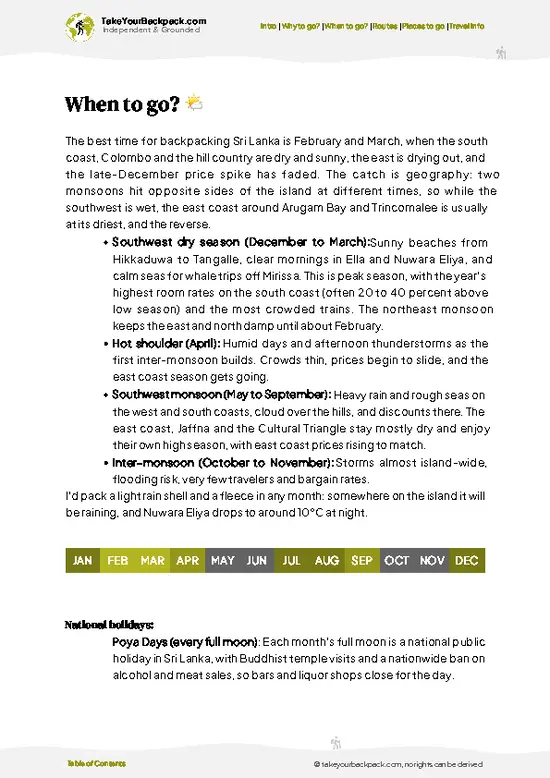
  • Topic: Weather - The dry season from December to April is your best bet. Expect clear skies and minimal rain, which means the climb up Sigiriya Rock is safer and the views aren’t blurred by mist or drizzle. Avoid the monsoon months of May to September when heavy rains can turn trails slippery and the humidity oppressive.
  • Topic: Temperature - Daytime highs hover around 30-32°C (86-90°F) during the dry season, which feels hot but manageable with early starts and shade breaks. Nights cool down to 22-24°C (72-75°F), perfect for restful sleep in local guesthouses.
  • Topic: Daylight Hours - Around 11 to 12 hours of daylight year-round, but visiting in the dry season means you get crisp, golden light in the mornings and evenings—ideal for photography and avoiding the midday heat on the climb.
… read more 👉
  • Topic: Weather - The dry season from December to April is your best bet. Expect clear skies and minimal rain, which means the climb up Sigiriya Rock is safer and the views aren’t blurred by mist or drizzle. Avoid the monsoon months of May to September when heavy rains can turn trails slippery and the humidity oppressive.
  • Topic: Temperature - Daytime highs hover around 30-32°C (86-90°F) during the dry season, which feels hot but manageable with early starts and shade breaks. Nights cool down to 22-24°C (72-75°F), perfect for restful sleep in local guesthouses.
  • Topic: Daylight Hours - Around 11 to 12 hours of daylight year-round, but visiting in the dry season means you get crisp, golden light in the mornings and evenings—ideal for photography and avoiding the midday heat on the climb.
  • Topic: Crowds - Peak tourist season aligns with the dry months, so expect more visitors, especially mid-morning. Arriving early (before 8 AM) lets you beat the crowds and enjoy the frescoes and summit in relative solitude.
  • Topic: Seasonal Activities - The dry season also coincides with local festivals and agricultural cycles, offering a richer cultural backdrop. You might catch traditional dances or fresh fruit harvests, adding layers to your experience beyond the rock itself.
  • Topic: Price Fluctuations - Accommodation and tours spike in the dry season due to demand. Booking ahead can lock in better rates, while the off-season offers bargains but at the cost of weather unpredictability.
Pro-tip: Plan your Sigiriya climb for early morning in the dry season to savor the cool air, soft light, and a quieter path—this timing transforms a tough ascent into a rewarding, almost meditative experience.


source: climatestotravel.comJANJanuary: excellent for travelingFEBFebruary: excellent for travelingMARMarch: excellent for travelingAPRApril: excellent for travelingMAYMay: fair for travelingJUNJune: fair for travelingJULJuly: fair for travelingAUGAugust: fair for travelingSEPSeptember: fair for travelingOCTOctober: good for travelingNOVNovember: good for travelingDECDecember: excellent for traveling
when-to-go

✈️ The backpacker research shortcutSri Lanka Travel Guide

An offline-friendly backpacking guide with optimized travel routes, ranked highlights, transport advice, and the best areas to stay.
example page 0 from our offline Travel Guide for Sri Lanka
example page 1 from our offline Travel Guide for Sri Lanka
example page 2 from our offline Travel Guide for Sri Lanka
example page 3 from our offline Travel Guide for Sri Lanka
example page 4 from our offline Travel Guide for Sri Lanka
example page 5 from our offline Travel Guide for Sri Lanka
example page 6 from our offline Travel Guide for Sri Lanka
example page 7 from our offline Travel Guide for Sri Lanka
The digital guide (435 pages) contains:
✅ 121 highlights, ranked by travel appeal
✅ Optimized 5, 10 & 15-day travel routes
✅ Cities, national parks, landmarks, beaches
✅ How to get around
✅ Offline-friendly for travel without Wi-Fi
👉 Click to see all 30+ guide features

📅 Plan smarter in minutes, not weeks
✅ Month by month travel advice
✅ Festivals & national holidays
✅ Budget expectations

🗺️ Go to the right places, skip the overrated ones
✅ Honest pros & cons of destinations
✅ Top hikes, parks & viewpoints
✅ Lesser-known places most travelers miss
✅ Clear “worth it vs skip it” guidance

🛏️ Travel smoothly without rookie mistakes
✅ Best areas to stay
✅ Transport systems explained simply
✅ Common scams & safety advice
✅ SIM cards, money & practical tips

🌍 Understand the country, not just visit it
✅ Culture & traditions
✅ 52 Essential phrases & customs
✅ Festivals worth planning around
✅ Traveler-friendly historical context
✅ Insights that make places more meaningful

📱 Built for real travel conditions
✅ Fully downloadable PDF
✅ Works completely offline
✅ Optimized for phone use
✅ Useful in remote areas & buses
✅ Everything in one place
Stop searching, start planning
Get instant access to your full guide. 30‑day money-back guarantee.
+ Add another guide for just

By proceeding you agree to our terms.
Sent to your inbox immediately after payment • 100% Secure Checkout
Best Backpacking Travel Advisor 2025 tourism awardBest Backpacking
Travel Advisor
2025
What others say about Take Your Backpack Guides:
⭐⭐⭐⭐⭐
Fantastic, amazing amount of information!
⭐⭐⭐⭐⭐
My goodness this is amazing, it's what I've been looking for hats off too you!
⭐⭐⭐⭐⭐
I think this is absolutely BRILLIANT
⭐⭐⭐⭐
Very complete and informative. It's still missing places, but I gotta to commend you
⭐⭐⭐⭐⭐
This is truly amazing, thank you, can't wait to explore it with my kids!
⭐⭐⭐⭐⭐
Awesome resource, thank you!
⭐⭐⭐⭐⭐
This is amazing! Can't wait to explore the ones I haven't seen
⭐⭐⭐⭐
I love this! Well done, great idea.
⭐⭐⭐⭐⭐
Thanks for taking the time to make this gem!
⭐⭐⭐⭐⭐
This might be the best website I've ever seen.
⭐⭐⭐⭐⭐
Congratulations, and thank you so much for your work; it's incredibly valuable.
⭐⭐⭐⭐
In all seriousness I think you did a great job pointing out the important spots
⭐⭐⭐⭐⭐
10/10 very good
⭐⭐⭐⭐⭐
As someone who's only just starting to visit regularly this is awesome, thank you.
⭐⭐⭐⭐
Thank you very much! I'm going to visit my dad, it's going to be very useful!
⭐⭐⭐⭐⭐
This is really cool! We'll be travelling for the first time and this definitely come in handy.
⭐⭐⭐⭐⭐
You are now our minister of culture, congratulations 👨‍💼
⭐⭐⭐⭐⭐
Just wanted to tell you that this is a pearl! Going to follow your recommendations.
⭐⭐⭐⭐⭐
This is so cool. I'll definitely be using the resource for my travels soon.
⭐⭐⭐⭐⭐
This is very impressive! Good work.
⭐⭐⭐⭐⭐
This is an amazing and informative site. Very well done!

🛏️ Where to stay?Where staying makes the most sense

In Sigiriya, the best spot for backpackers is the cluster of guesthouses and hostels around the base of the Sigiriya Rock itself, often referred to as the Sigiriya Village area. This isn’t a sprawling urban neighborhood but a compact zone where the air carries the earthy scent of damp jungle and the faint hum of cicadas. Staying here means you’re steps away from the iconic rock fortress, so you can time your climb for early morning light or late afternoon shadows, avoiding the midday scorch.

This area pulses with a low-key, social vibe. It’s where budget travelers converge, swapping stories over … read more 👉
In Sigiriya, the best spot for backpackers is the cluster of guesthouses and hostels around the base of the Sigiriya Rock itself, often referred to as the Sigiriya Village area. This isn’t a sprawling urban neighborhood but a compact zone where the air carries the earthy scent of damp jungle and the faint hum of cicadas. Staying here means you’re steps away from the iconic rock fortress, so you can time your climb for early morning light or late afternoon shadows, avoiding the midday scorch.

This area pulses with a low-key, social vibe. It’s where budget travelers converge, swapping stories over local rice and curry or arranging tuk-tuk rides to nearby spots like Pidurangala Rock. The hostels here are modest but clean, often family-run, offering a chance to connect with other solo travelers without the noise or chaos of a big city. Safety is solid—locals are friendly and the streets are quiet after dark, which is a relief after a day of trekking.

Compared to the more spread-out or resort-heavy zones near the highway or farther from the rock, this village area feels intimate and manageable. You’re not just passing through; you’re part of a small community that wakes up early, moves at a relaxed pace, and shares the same goal: to experience Sigiriya’s raw, natural beauty without the tourist bubble.

🚌 Getting aroundHow to get from A to B

Sigiriya moves at the pace of the sun climbing the sky—steady, deliberate, and unhurried. This isn’t a place where you’ll find strict timetables or the rush of a city’s pulse. Instead, the rhythm here is dictated by the heat of the day, the calls of birds, and the slow shuffle of tourists and locals alike navigating dusty lanes and cracked pavement. The air carries a dry warmth, dust mingling with the faint scent of tropical foliage and the occasional waft of street food frying nearby. You’ll find that patience is your best ally; buses and tuk-tuks don’t always run on the clock, but they do run on a kind of local intuition that, once understood, lets you move through the town with ease and a bit of savvy.
  • Walking: The heart of Sigiriya is compact enough to explore on foot, especially if you’re
… read more 👉
Sigiriya moves at the pace of the sun climbing the sky—steady, deliberate, and unhurried. This isn’t a place where you’ll find strict timetables or the rush of a city’s pulse. Instead, the rhythm here is dictated by the heat of the day, the calls of birds, and the slow shuffle of tourists and locals alike navigating dusty lanes and cracked pavement. The air carries a dry warmth, dust mingling with the faint scent of tropical foliage and the occasional waft of street food frying nearby. You’ll find that patience is your best ally; buses and tuk-tuks don’t always run on the clock, but they do run on a kind of local intuition that, once understood, lets you move through the town with ease and a bit of savvy.
  • Walking: The heart of Sigiriya is compact enough to explore on foot, especially if you’re staying near the rock fortress. Walking lets you soak in the textures—the rough stone walls, the chatter of market vendors, and the sudden bursts of greenery in small gardens. It’s free, flexible, and perfect for early mornings or late afternoons when the sun softens. Just bring sturdy shoes; the sidewalks can be uneven and dusty.
  • Local Buses: Buses are the budget traveler’s backbone here, connecting Sigiriya to nearby towns like Dambulla and Habarana. They start early, around 6:00 AM, and run until about 6:00 PM. Expect a slow, bumpy ride in a crowded vehicle, but it’s cheap—usually under 100 LKR (less than 50 cents). The buses don’t always stick to a strict schedule, so arriving early and asking locals about the next departure can save you from long waits.
  • Tuk-Tuks: For short hops or when you’re pressed for time, tuk-tuks are everywhere. They’re quick, nimble, and can navigate the narrow village lanes that buses can’t. Prices aren’t fixed, so negotiate before you hop in—expect to pay around 200-400 LKR for rides within town. Tuk-tuks don’t run on a schedule, so they’re perfect for spontaneous trips, but be ready for a bit of a bumpy, open-air ride under the hot sun.
  • Bicycle Rentals: Renting a bicycle is a smart way to cover more ground without breaking the bank. Early morning rides are magical, with cooler air and soft light filtering through the trees. Rentals cost about 300-500 LKR per day. The roads can be rough, so a sturdy bike with good tires is a must. This option gives you freedom to explore nearby villages and the base of Sigiriya Rock at your own pace.
  • Shared Vans: For trips to farther spots like Polonnaruwa or the Minneriya National Park, shared vans offer a middle ground between buses and private taxis. They’re faster and more comfortable than buses but cost more—around 1000-1500 LKR per seat. These vans usually leave when full, so timing is flexible but requires some patience. They’re a good choice if you want to maximize your day without the hassle of arranging private transport.

👛 Costs (as of 15 October 2026)How expensive it really is

Backpacking in Sigiriya, Sri Lanka, offers a rich mix of ancient history and lush landscapes, but knowing the daily costs helps you plan without surprises.
  • Dorm Accommodation: Expect to pay around $7 to $12 per night for a bed in a basic guesthouse dorm. These places are simple but clean, often with a fan and shared bathroom. The light in these rooms is usually soft, filtered through mosquito nets or thin curtains, setting a calm tone after a day of exploring.
  • Meals: Local eateries serve hearty rice and curry plates for about $2 to $4. Street food snacks like samosas or fresh tropical fruit cost under a dollar each. Breakfasts are often simple—think fresh bread with chutney or eggs for $1.50 to $3. The aroma of spices and coconut oil fills the air, making every meal a sensory experience.
… read more 👉
Backpacking in Sigiriya, Sri Lanka, offers a rich mix of ancient history and lush landscapes, but knowing the daily costs helps you plan without surprises.
  • Dorm Accommodation: Expect to pay around $7 to $12 per night for a bed in a basic guesthouse dorm. These places are simple but clean, often with a fan and shared bathroom. The light in these rooms is usually soft, filtered through mosquito nets or thin curtains, setting a calm tone after a day of exploring.
  • Meals: Local eateries serve hearty rice and curry plates for about $2 to $4. Street food snacks like samosas or fresh tropical fruit cost under a dollar each. Breakfasts are often simple—think fresh bread with chutney or eggs for $1.50 to $3. The aroma of spices and coconut oil fills the air, making every meal a sensory experience.
  • Local Transport: Tuk-tuks are the go-to for short trips, typically costing $1 to $3 depending on distance. For longer rides, negotiating a half-day tuk-tuk hire can run $10 to $15, giving you freedom to explore nearby sites like Pidurangala Rock or local villages. The rattle and hum of these rides are part of the local rhythm.
  • Basic Activities/Entry Fees: The iconic Sigiriya Rock Fortress entry fee is around $30, a significant but unavoidable expense. Other nearby sites, like Pidurangala Rock, cost about $5. These fees support preservation and add depth to your visit, rewarding you with breathtaking views and a tangible connection to history.
  • Miscellaneous Expenses: Bottled water, snacks, and small souvenirs usually add up to $2 to $5 daily. Keep a reusable water bottle to save money and reduce plastic waste. The scent of fresh rain or earth after a brief shower can make these small moments memorable.

All told, a realistic daily budget for backpacking in Sigiriya ranges from about $15 on a shoestring (excluding the fortress entry) to $45 if you include the main attraction and a few extras. This balance lets you soak in the atmosphere without feeling pinched, making the climb up Sigiriya Rock feel like a well-earned reward rather than a costly gamble.


source: srilanka.travel
⚠️ Prices can change and everyone travels differently, so take this as a rough guide. Hope it helps you plan your adventure!

🚌 Day tripsExploring the surroundings

Sigiriya is not just a stunning rock fortress; it’s a prime launchpad for unforgettable day trips that dive deep into Sri Lanka’s rich tapestry of culture and nature. Here’s how to make the most of your time in this vibrant area.

Polonnaruwa Ancient City
Just an hour’s ride from Sigiriya, Polonnaruwa is a UNESCO World Heritage site that feels like stepping into a time machine. The ruins are sprawling, with intricate stone carvings and ancient temples whispering stories of a bygone era. Rent a bike for about 500 LKR and pedal through the lush landscape, where the scent of frangipani fills the air. Aim to arrive early to beat the heat and the crowds; mornings here are serene, with the golden light casting long shadows over the ruins. A common mistake? Many travelers rush through without taking … read more 👉
Sigiriya is not just a stunning rock fortress; it’s a prime launchpad for unforgettable day trips that dive deep into Sri Lanka’s rich tapestry of culture and nature. Here’s how to make the most of your time in this vibrant area.

Polonnaruwa Ancient City
Just an hour’s ride from Sigiriya, Polonnaruwa is a UNESCO World Heritage site that feels like stepping into a time machine. The ruins are sprawling, with intricate stone carvings and ancient temples whispering stories of a bygone era. Rent a bike for about 500 LKR and pedal through the lush landscape, where the scent of frangipani fills the air. Aim to arrive early to beat the heat and the crowds; mornings here are serene, with the golden light casting long shadows over the ruins. A common mistake? Many travelers rush through without taking the time to soak in the atmosphere. Spend at least half a day here to truly appreciate the history.


Dambulla Cave Temple
A mere 30-minute drive from Sigiriya, Dambulla is home to a series of caves adorned with stunning Buddha statues and frescoes. The climb to the temple is steep, but the reward is a breathtaking view of the surrounding countryside. Entry costs around 1500 LKR, and the best time to visit is in the late afternoon when the light softens, illuminating the vibrant colors of the frescoes. Don’t forget to wear a sarong or cover your shoulders, as it’s a sacred site. Many first-timers overlook the smaller caves; take the time to explore them for a more intimate experience.


Hiriwadunna Village
For a taste of local life, head to Hiriwadunna, just 20 minutes from Sigiriya. This charming village offers a chance to experience traditional Sri Lankan culture. Join a guided tour for about 2000 LKR, which often includes a boat ride across a tranquil lake and a walk through rice paddies. The scent of cooking spices wafts through the air as you meet friendly locals who are eager to share their stories. The best time to visit is during the harvest season, when the fields are alive with activity. A common pitfall? Skipping the village altogether for more popular spots. This experience is a genuine slice of Sri Lankan life.


Kaudulla National Park
If you’re an animal lover, don’t miss Kaudulla National Park, about an hour from Sigiriya. Known for its elephant gatherings, this park is a wildlife enthusiast’s dream. A jeep safari costs around 4000 LKR, and the best time for sightings is during the dry season from May to October. The thrill of watching elephants roam freely in their natural habitat is unmatched. Many first-timers underestimate the park’s vastness; plan for a half-day trip to fully explore its beauty.

🛡️ SafetyStaying Safe: What Travelers Should Know

In Sigiriya, safety is generally a non-issue, but a few practical tips can enhance your experience. The main attractions, like the Lion Rock, are well-trafficked, so stick to these areas, especially after dark. Solo travelers should be mindful of their surroundings, particularly when wandering the quieter streets.

As for scams, the most common involves tuk-tuk drivers who may quote inflated prices. Always agree on a fare before hopping in. A simple “no thanks” works wonders if someone tries to push a tour package or souvenir.

Annoyances can pop up, like persistent vendors near the rock. A polite but firm “no” usually suffices. Carry yourself with confidence; a relaxed demeanor can deter unwanted attention.

Overall, Sigiriya is a welcoming place. With a little awareness and a friendly … read more 👉
In Sigiriya, safety is generally a non-issue, but a few practical tips can enhance your experience. The main attractions, like the Lion Rock, are well-trafficked, so stick to these areas, especially after dark. Solo travelers should be mindful of their surroundings, particularly when wandering the quieter streets.

As for scams, the most common involves tuk-tuk drivers who may quote inflated prices. Always agree on a fare before hopping in. A simple “no thanks” works wonders if someone tries to push a tour package or souvenir.

Annoyances can pop up, like persistent vendors near the rock. A polite but firm “no” usually suffices. Carry yourself with confidence; a relaxed demeanor can deter unwanted attention.

Overall, Sigiriya is a welcoming place. With a little awareness and a friendly attitude, you’ll navigate it like a pro, soaking in the rich history and stunning landscapes without a hitch.

FAQTraveler FAQ

Yes, Sigiriya is worth visiting for its unique ancient rock fortress and impressive frescoes. It offers a rare glimpse into Sri Lanka's history and architecture, making it more than just a stopover. The climb to the top takes about 2-3 hours and provides panoramic views of the surrounding jungle.
You need 1 to 2 days in Sigiriya to fully explore the rock fortress and nearby attractions like the Sigiriya Museum and Pidurangala Rock. Spending two days allows a more relaxed pace and time to visit the nearby Minneriya National Park for wildlife viewing.
Yes, Sigiriya can be visited as a day trip from nearby cities like Dambulla or Habarana. It is about 30 km from Dambulla, making it a 45-minute drive each way, which is manageable for a day trip starting early in the morning.
⚠️ Things can change over time, so always validate details locally before you go.

Other Sri Lankan towns near Sigiriya

Explore more nearby:

  • Dambulla—cave temples, golden Buddha, roadside produce| 14 km away
  • Anuradhapura—sacred city, ancient tanks, monumental stupas| 55 km away
  • Kalkudah—east coast bay, calm waters, reef snorkeling| 89 km away

💡 Not sure where to go next?
Create a personalized itinerary for Sri Lanka including Sigiriya and the places that fit your trip.

Generate my itinerary

👉 Discover all towns

Or checkout all Sri Lanka has to offer (think cities, towns, villages, national parks, hikes, beaches, festivals)
Country photo of Sri Lanka

We 💚 feedbackIs it worth it?

Sigiriya is a treasure, with its ancient rock fortress rising dramatically against the sky. Climbing those steep steps rewards you with breathtaking views and a palpable sense of history. But be ready for the heat and crowds; it can feel like a sweaty scramble at peak times. Embrace the challenge, though—it makes the serenity at the top all the more satisfying. Just go early, and you’ll savor both the climb and the view.

✈️ When did I visit Sri Lanka?
In December 2025 I visited Sri Lanka.

✍️ Help improve this page!
The information on this page is based on my own backpacking experience in Sri Lanka, supplemented with up-to-date research and feedback from other travelers. Travel details can change, so if you notice anything outdated or incomplete, feel free to let me know.


🙋‍♂️ Give feedback

👋 Meet the founderWho’s Behind Take Your Backpack?

Johan, backpacker and founder of TakeYourBackpackHi, I’m Johan (Netherlands 🇳🇱), the creator of TakeYourBackpack. Over the past 3 decades, I’ve backpacked through 90+ countries across six continents, gaining extensive experience with independent travel, long-term trips, and overland routes.

This site is built on a combination of firsthand travel experience and carefully curated insights from other backpackers. Many guides are based on places I’ve personally visited, while others bring together tips, observations, and practical advice shared by trusted travelers I’ve met along the way.

The goal is to provide realistic, experience-driven guidance — not generic itineraries — so you can explore destinations with better context, clearer expectations, and more confidence.