×

Sudan🇸🇩 | citiesDongolaNubian heartland, date palm groves, archaeological sites | things to do and best time to go

Explore AtbaraExplore El Obeid

Backpacking in Dongola
🏆 Top pickcity ranked #3
By Johan Kruseman 🇳🇱 | Updated June 10, 2026

Dongola used to be the kind of place where the Nile’s hush was broken only by the slap of oars and the call to prayer drifting over mudbrick rooftops. Today, the town is busier—trucks rumble through, and the riverfront has lost some of its wild edges—but Dongola still feels like a pause button in northern Sudan. You’ll find it sprawled along the Nile, halfway between the Egyptian border and Khartoum, a practical crossroads rather than a destination that shouts for attention. For backpackers, Dongola is less about dazzling sights and more about the rhythm of daily life: dusty markets where you haggle for dates, tea stalls under acacia shade, and the slow, golden evenings when the desert cools. It’s a solid base for exploring Nubian ruins or as a rest stop on the long haul north or south—far more relaxed than Wadi Halfa, less urban than Atbara, and with a fraction of Khartoum’s chaos. Getting here means a long, sun-baked bus ride, and you’ll walk most places once you arrive. Hostels are rare, so expect simple guesthouses and a social scene that’s more about shared tea than backpacker parties. Costs are low, safety is generally good, and while you won’t find crowds of travelers, the few you meet tend to linger, drawn by the town’s unhurried, lived-in feel.

Discover everything you want to know in the 📖 Sudan Travel Guide.
Safety warning

The current risk level for Sudan is high. Check the advice before going.


Get your Sudan guide
72 ranked highlights, routes & tips, works offline (300 pages)
Loading the map 🌍
CLICK TO FILTER
cities
towns
landmarks
national parks
hikes
beaches
attractions
festivals
regions
SHOW COUNTRY’S BESTSHOW ALL

✨ Why go?
Ranked #3 city in Sudan
What sets this place apart

Backpackers flock to Dongola for its strategic position along the Nile, serving as a gateway to nearby hikes and cultural sites. The town is a practical stop for those venturing to the Nubian pyramids or exploring the desert landscapes that surround it. You’ll find small-scale hostels and guesthouses that offer a cozy, communal vibe, perfect for solo travelers or small groups looking to connect. The walkable streets invite you to meander, with local food stalls serving up hearty dishes that reflect the region’s rich culinary heritage.

While many pass through quickly, lingering for a few days can deepen your experience. The atmosphere is friendly yet relaxed, making it easy to strike up conversations with fellow travelers or locals. Expect a mix of slow travelers who appreciate the slower … read more 👉
Backpackers flock to Dongola for its strategic position along the Nile, serving as a gateway to nearby hikes and cultural sites. The town is a practical stop for those venturing to the Nubian pyramids or exploring the desert landscapes that surround it. You’ll find small-scale hostels and guesthouses that offer a cozy, communal vibe, perfect for solo travelers or small groups looking to connect. The walkable streets invite you to meander, with local food stalls serving up hearty dishes that reflect the region’s rich culinary heritage.

While many pass through quickly, lingering for a few days can deepen your experience. The atmosphere is friendly yet relaxed, making it easy to strike up conversations with fellow travelers or locals. Expect a mix of slow travelers who appreciate the slower pace and hikers eager to tackle the nearby trails. Dongola isn’t about nightlife; it’s about soaking in the authenticity of Sudanese life. If you’re seeking a place to recharge before your next adventure, or a base for exploration, Dongola fits the bill beautifully.
Want to include Dongola in your Sudan route?
Create a personalized Sudan itinerary that includes Dongola and the places that fit your trip — based on your travel style, budget, and available time. Get your route in seconds.

Generate my trip

💡 HighlightsThe experiences that define the visit

  1. Old Dongola archaeological site (Qasr al-Old Dongola) — The ruined capital of medieval Makuria: mudbrick citadel remains, church foundations and monastery complexes give a rare, walkable window into Nubian Christian history and desert-river life.
  2. Nile corniche and felucca rides — The Nile banks through Dongola are lively at sunrise and late afternoon; short felucca trips show island farming, river transport and great light for photography without leaving town.
  3. Dongola central souq (the market) — A compact, authentic Sudanese market where you can find dates, dried fish, spices, everyday Nubian textiles and local snacks; best place to feel the town’s pulse and meet locals.
  4. Nubian riverside neighborhoods — Traditional mudbrick houses and modest painted facades along the Nile reflect living
read more 👉
  1. Old Dongola archaeological site (Qasr al-Old Dongola) — The ruined capital of medieval Makuria: mudbrick citadel remains, church foundations and monastery complexes give a rare, walkable window into Nubian Christian history and desert-river life.
  2. Nile corniche and felucca rides — The Nile banks through Dongola are lively at sunrise and late afternoon; short felucca trips show island farming, river transport and great light for photography without leaving town.
  3. Dongola central souq (the market) — A compact, authentic Sudanese market where you can find dates, dried fish, spices, everyday Nubian textiles and local snacks; best place to feel the town’s pulse and meet locals.
  4. Nubian riverside neighborhoods — Traditional mudbrick houses and modest painted facades along the Nile reflect living Nubian culture; strolling these lanes gives a real sense of local architecture, community life and hospitality.
  5. On-site archaeological displays and small local collections — Scattered displays and artifact piles at Old Dongola and smaller local stands in town let you connect finds with the ruins you see, making the history tangible without needing a big museum.
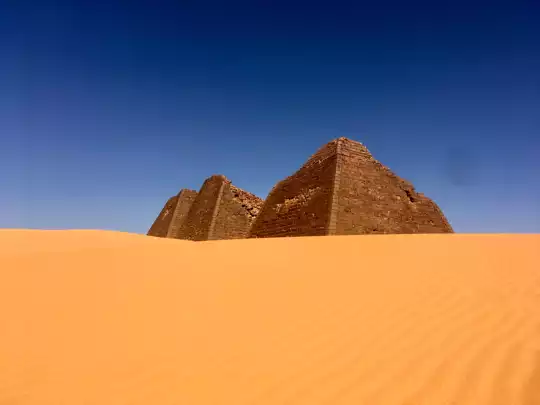
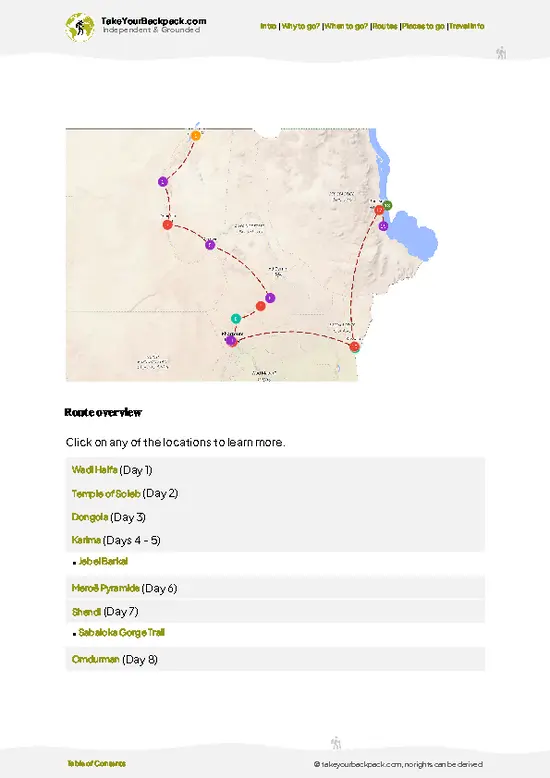
A few great day trips nearby are the medieval ruins at Banganarti and the smaller Nile islands with traditional Nubian villages, plus the UNESCO site of Gebel Barkal and the Nuri pyramids outside Karima — Gebel Barkal is my personal favorite.
Spotted a mistake or missing something? Contact us.

🏘️ NeighborhoodsKey areas and districts to know

Dongola, a town steeped in history and culture, offers a unique blend of experiences for backpackers. Here’s how to navigate its neighborhoods for the best adventure.

Old Dongola: This area is a treasure trove of ancient ruins and local life. The vibe is laid-back, with a mix of locals and curious travelers. Walkability is high; you can easily explore the archaeological sites on foot. Accommodations here are budget-friendly, making it ideal for longer stays. The evenings are quiet, perfect for unwinding after a day of exploration.

New Dongola: A bit more modern, this neighborhood buzzes with local markets and street food stalls. The atmosphere is lively, especially in the evenings when vendors set up shop. It’s a great spot for short stays, as you can soak in the local culture without breaking … read more 👉
Dongola, a town steeped in history and culture, offers a unique blend of experiences for backpackers. Here’s how to navigate its neighborhoods for the best adventure.

Old Dongola: This area is a treasure trove of ancient ruins and local life. The vibe is laid-back, with a mix of locals and curious travelers. Walkability is high; you can easily explore the archaeological sites on foot. Accommodations here are budget-friendly, making it ideal for longer stays. The evenings are quiet, perfect for unwinding after a day of exploration.

New Dongola: A bit more modern, this neighborhood buzzes with local markets and street food stalls. The atmosphere is lively, especially in the evenings when vendors set up shop. It’s a great spot for short stays, as you can soak in the local culture without breaking the bank. Public transport is accessible, making it easy to hop around town.

Riverfront District: This area boasts stunning views of the Nile, offering a serene escape from the hustle. It’s less crowded, making it suitable for those seeking peace. The walk along the river is refreshing, especially at sunset. While accommodations may be pricier here, the experience of dining by the water is worth it. Ideal for a short, romantic getaway.

Market Square: The heart of Dongola, this bustling area is perfect for immersing yourself in daily life. The energy is palpable, with vendors selling everything from spices to textiles. It’s walkable, but be prepared for crowds. This area is best for short stays, as the constant activity can be overwhelming for longer visits. Transport options are abundant, making it easy to venture further.

⌛️ 1 day1-day itinerary for Dongola

Dongola, a town steeped in history and culture, offers a unique glimpse into Sudan’s past and present. Nestled along the Nile, it’s a place where the scent of spices mingles with the earthy aroma of the riverbank. The warmth of the sun casts a golden hue over ancient ruins and bustling markets, making every corner a canvas of life.

Start your morning with a stroll along the Nile. The early light dances on the water, and the air is filled with the sounds of birds and the gentle lapping of waves. Grab a cup of strong Sudanese coffee from a local vendor. It’s rich and aromatic, a perfect companion as you wander toward the nearby archaeological site of Old Dongola. Here, the remnants of ancient churches and mud-brick structures tell stories of a civilization long past. Spend time exploring, letting … read more 👉
Dongola, a town steeped in history and culture, offers a unique glimpse into Sudan’s past and present. Nestled along the Nile, it’s a place where the scent of spices mingles with the earthy aroma of the riverbank. The warmth of the sun casts a golden hue over ancient ruins and bustling markets, making every corner a canvas of life.

Start your morning with a stroll along the Nile. The early light dances on the water, and the air is filled with the sounds of birds and the gentle lapping of waves. Grab a cup of strong Sudanese coffee from a local vendor. It’s rich and aromatic, a perfect companion as you wander toward the nearby archaeological site of Old Dongola. Here, the remnants of ancient churches and mud-brick structures tell stories of a civilization long past. Spend time exploring, letting the history seep in as you touch the weathered stones.

As the sun climbs higher, head to the vibrant market in the heart of town. The atmosphere buzzes with energy. Vendors call out, showcasing colorful textiles, fragrant spices, and handmade crafts. Engage with the locals; their warmth is infectious. Try some freshly made falafel or a piece of sweet baklava from a stall. It’s a small indulgence that feels like a reward for your adventurous spirit.

In the afternoon, take a short walk to the Al-Mahdi Mosque. Its architecture is striking, and the peaceful ambiance invites reflection. If you’re feeling adventurous, venture into the less-traveled neighborhood of Al-Mahdi. Here, you’ll find narrow streets lined with traditional homes and a sense of community that feels genuine.

As evening approaches, return to the Nile for sunset. The sky transforms into a palette of oranges and purples, a breathtaking backdrop for your day. Find a quiet spot, perhaps with a local fisherman, and soak in the tranquility. This moment, after a day of exploration, is the perfect way to end your time in Dongola, reminding you that the journey is as rich as the destination.
Turn your Dongola visit into an Sudan adventure
Build a complete Sudan route with Dongola, hidden gems, must-see destinations, and realistic travel times included.

Generate my trip

🌤️ When to go?Seasonal considerations and timing


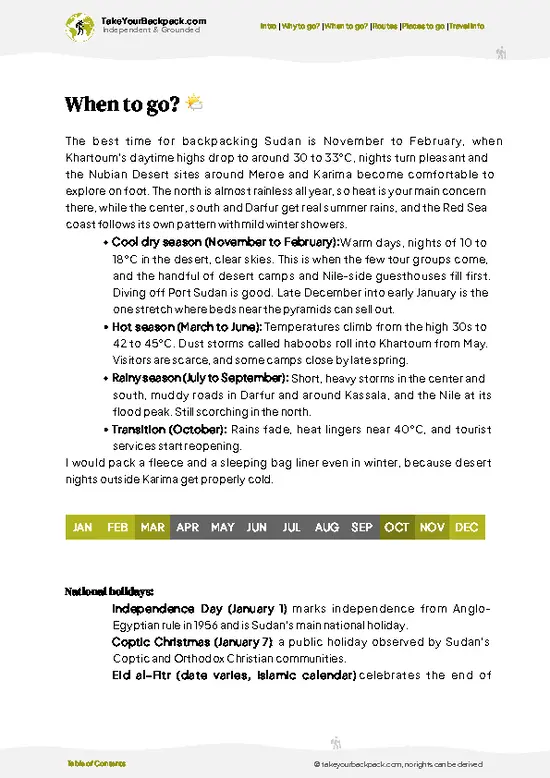
  • Weather: Dongola bakes under a desert sun most of the year. From April to September, temperatures soar above 40°C (104°F), making daytime trekking brutal. The cooler months, November through February, offer a more forgiving climate, with highs around 25-30°C (77-86°F), perfect for exploring without melting into the sand.

  • Temperature: Nights can drop sharply, especially in winter, dipping to 10°C (50°F) or lower. Layering is key—days scorch, but evenings demand a jacket. This swing shapes your packing and daily rhythm.

  • Daylight Hours: Expect roughly 11 to 12 hours of daylight year-round, with sunrise around 6:00 AM and sunset near 6:00 PM. This steady light window lets you plan full days without the extreme shifts seen in higher latitudes.

  • Crowds: Dongola isn’t a tourist hotspot, so
read more 👉

  • Weather: Dongola bakes under a desert sun most of the year. From April to September, temperatures soar above 40°C (104°F), making daytime trekking brutal. The cooler months, November through February, offer a more forgiving climate, with highs around 25-30°C (77-86°F), perfect for exploring without melting into the sand.

  • Temperature: Nights can drop sharply, especially in winter, dipping to 10°C (50°F) or lower. Layering is key—days scorch, but evenings demand a jacket. This swing shapes your packing and daily rhythm.

  • Daylight Hours: Expect roughly 11 to 12 hours of daylight year-round, with sunrise around 6:00 AM and sunset near 6:00 PM. This steady light window lets you plan full days without the extreme shifts seen in higher latitudes.

  • Crowds: Dongola isn’t a tourist hotspot, so crowds are minimal year-round. However, local festivals and market days in cooler months bring a lively buzz, offering authentic cultural encounters without overwhelming tourist traffic.

  • Seasonal Activities: The Nile’s water level peaks after summer rains upstream, around late autumn, enriching the landscape and making riverbank walks more scenic. Winter months also host traditional Nubian celebrations, adding color and rhythm to your visit.

  • Price Fluctuations: Accommodation and transport costs dip during the scorching summer when fewer travelers brave the heat. Visiting in the cooler season means paying a bit more but gaining comfort and access to local events.


Pro-tip: Aim for late November to early February—cooler days, vibrant local life, and the Nile’s gentle pulse combine to make Dongola feel less like a desert outpost and more like a place you want to linger.


source: climatestotravel.comJANJanuary: excellent for travelingFEBFebruary: excellent for travelingMARMarch: good for travelingAPRApril: fair for travelingMAYMay: below average for travelingJUNJune: below average for travelingJULJuly: below average for travelingAUGAugust: below average for travelingSEPSeptember: fair for travelingOCTOctober: good for travelingNOVNovember: highly recommended for travelingDECDecember: excellent for traveling
when-to-go

✈️ The backpacker research shortcutSudan Travel Guide

An offline-friendly backpacking guide with optimized travel routes, ranked highlights, transport advice, and the best areas to stay.
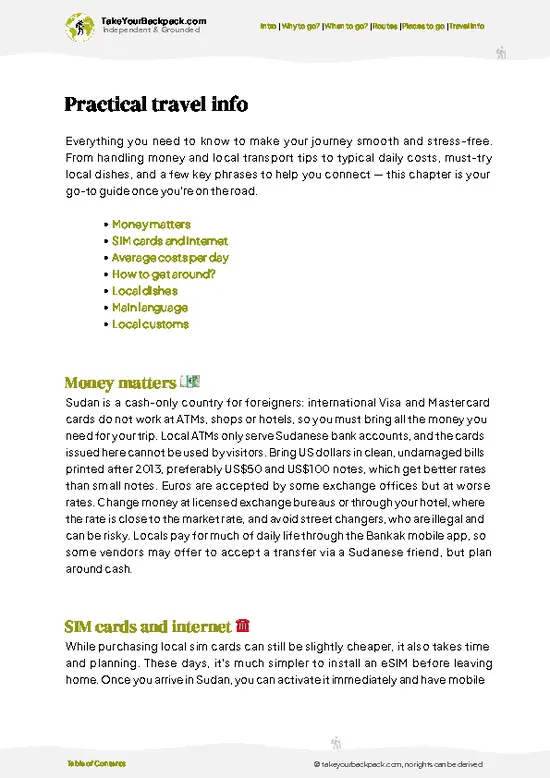
example page 0 from our offline Travel Guide for Sudan
example page 1 from our offline Travel Guide for Sudan
example page 2 from our offline Travel Guide for Sudan
example page 3 from our offline Travel Guide for Sudan
example page 4 from our offline Travel Guide for Sudan
example page 5 from our offline Travel Guide for Sudan
example page 6 from our offline Travel Guide for Sudan
example page 7 from our offline Travel Guide for Sudan
The digital guide (300 pages) contains:
72 highlights, ranked by travel appeal
Optimized 5, 10 & 15-day travel routes
Cities, national parks, landmarks, beaches
How to get around
Offline-friendly for travel without Wi-Fi
👉 Click to see all 30+ guide features

📅 Plan smarter in minutes, not weeks
Month by month travel advice
Festivals & national holidays
Budget expectations

🗺️ Go to the right places, skip the overrated ones
Honest pros & cons of destinations
Top hikes, parks & viewpoints
Lesser-known places most travelers miss
Clear “worth it vs skip it” guidance

🛏️ Travel smoothly without rookie mistakes
Best areas to stay
Transport systems explained simply
Common scams & safety advice
SIM cards, money & practical tips

🌍 Understand the country, not just visit it
Culture & traditions
52 Essential phrases & customs
Festivals worth planning around
Traveler-friendly historical context
Insights that make places more meaningful

📱 Built for real travel conditions
Fully downloadable PDF
Works completely offline
Optimized for phone use
Useful in remote areas & buses
Everything in one place
Save weeks of stressful planning
Get instant access to your full guide. 30‑day money-back guarantee.


By proceeding you agree to our terms.
Sent to your inbox immediately after payment • 100% Secure Checkout
Best Backpacking Travel Advisor 2025 tourism awardBest Backpacking
Travel Advisor
2025
What others say about Take Your Backpack Guides:
⭐⭐⭐⭐⭐
Fantastic, amazing amount of information!
⭐⭐⭐⭐⭐
My goodness this is amazing, it's what I've been looking for hats off too you!
⭐⭐⭐⭐⭐
I think this is absolutely BRILLIANT
⭐⭐⭐⭐
Very complete and informative. It's still missing places, but I gotta to commend you
⭐⭐⭐⭐⭐
This is truly amazing, thank you, can't wait to explore it with my kids!
⭐⭐⭐⭐⭐
Awesome resource, thank you!
⭐⭐⭐⭐⭐
This is amazing! Can't wait to explore the ones I haven't seen
⭐⭐⭐⭐
I love this! Well done, great idea.
⭐⭐⭐⭐⭐
Thanks for taking the time to make this gem!
⭐⭐⭐⭐⭐
This might be the best website I've ever seen.
⭐⭐⭐⭐⭐
Congratulations, and thank you so much for your work; it's incredibly valuable.
⭐⭐⭐⭐
In all seriousness I think you did a great job pointing out the important spots
⭐⭐⭐⭐⭐
10/10 very good
⭐⭐⭐⭐⭐
As someone who's only just starting to visit regularly this is awesome, thank you.
⭐⭐⭐⭐
Thank you very much! I'm going to visit my dad, it's going to be very useful!
⭐⭐⭐⭐⭐
This is really cool! We'll be travelling for the first time and this definitely come in handy.
⭐⭐⭐⭐⭐
You are now our minister of culture, congratulations 👨‍💼
⭐⭐⭐⭐⭐
Just wanted to tell you that this is a pearl! Going to follow your recommendations.
⭐⭐⭐⭐⭐
This is so cool. I'll definitely be using the resource for my travels soon.
⭐⭐⭐⭐⭐
This is very impressive! Good work.
⭐⭐⭐⭐⭐
This is an amazing and informative site. Very well done!

🛏️ Where to stay?Where staying makes the most sense

Dongola’s heart for backpackers pulses strongest around the city center, near the Nile’s edge. This area isn’t just a spot on the map—it’s where the town breathes and hums with life. Streets here are lined with small cafés and markets where the scent of freshly baked bread and spices drifts through the air, pulling you into the rhythm of daily Sudanese life. It’s safe, thanks to a steady local presence and the watchful eyes of shopkeepers who know every face by name.

Compared to the quieter, more residential outskirts, the center offers a social vibe that’s hard to beat. You’ll find budget accommodations … read more 👉
Dongola’s heart for backpackers pulses strongest around the city center, near the Nile’s edge. This area isn’t just a spot on the map—it’s where the town breathes and hums with life. Streets here are lined with small cafés and markets where the scent of freshly baked bread and spices drifts through the air, pulling you into the rhythm of daily Sudanese life. It’s safe, thanks to a steady local presence and the watchful eyes of shopkeepers who know every face by name.

Compared to the quieter, more residential outskirts, the center offers a social vibe that’s hard to beat. You’ll find budget accommodations clustered here—simple hostels and guesthouses that cater to solo travelers and small groups. These places aren’t flashy, but they’re clean and welcoming, often with communal spaces where you can swap stories with fellow wanderers over strong, sweet tea.

Staying here means you’re never far from the pulse of Dongola’s markets or the gentle flow of the Nile at sunset, where the light softens and the city’s colors deepen. Other neighborhoods might offer peace, but they lack this blend of safety, social energy, and easy access to the town’s core experiences that backpackers crave.

🚌 Getting aroundHow to get from A to B

Dongola moves at its own rhythm—less a metronome and more a pulse you feel in the dust and heat. The sun scorches the Nile’s edge, and the town’s pace bends around that relentless light. Here, schedules are suggestions, not laws. You’ll find the market stalls opening when the vendors feel ready, and buses leaving when they’re full, not when the clock says so. It’s a place where patience isn’t just a virtue; it’s your best tool. But once you tune into this flow, the town’s layers unfold with a clarity that no rigid timetable could offer. The scent of spices mingles with the dry river breeze, and the chatter of locals negotiating fares or sharing news becomes your soundtrack. Understanding this rhythm means you’re not just surviving transit—you’re moving with the town’s heartbeat.


  • Walking:
read more 👉
Dongola moves at its own rhythm—less a metronome and more a pulse you feel in the dust and heat. The sun scorches the Nile’s edge, and the town’s pace bends around that relentless light. Here, schedules are suggestions, not laws. You’ll find the market stalls opening when the vendors feel ready, and buses leaving when they’re full, not when the clock says so. It’s a place where patience isn’t just a virtue; it’s your best tool. But once you tune into this flow, the town’s layers unfold with a clarity that no rigid timetable could offer. The scent of spices mingles with the dry river breeze, and the chatter of locals negotiating fares or sharing news becomes your soundtrack. Understanding this rhythm means you’re not just surviving transit—you’re moving with the town’s heartbeat.


  • Walking: Dongola’s compact center is best explored on foot. The streets are dusty but flat, with plenty of shaded nooks to pause and absorb the local vibe. Walking costs nothing and lets you catch the scent of fresh bread from corner bakeries or the distant call of a muezzin. It’s slow but immersive, perfect for budget travelers who want to feel the town’s texture.


  • Local Minibuses: These are the workhorses of Dongola’s transit, running irregularly but frequently between key points like the market, bus station, and riverfront. Expect to pay just a few Sudanese pounds. They leave when full, so timing is flexible but unpredictable—bring patience and a readiness to hop on when the crowd forms. The ride is bumpy and noisy, but it’s the cheapest way to cover longer distances.


  • Shared Taxis: Shared white taxis operate on fixed routes but without strict schedules. They wait until they have enough passengers, then dart through the streets with a mix of urgency and local savvy. Fares are affordable, slightly higher than minibuses, but the ride is faster and more comfortable. Look for taxis near the main square or bus station.


  • Motorbike Taxis (Boda Bodas): For quick hops or reaching spots minibuses don’t serve, motorbike taxis are your go-to. They’re everywhere, weaving through traffic with a roar and a cloud of dust. Negotiate the fare upfront—usually a bit more than shared taxis but worth it for speed and flexibility. Helmets aren’t standard, so buckle up mentally for a wild ride.


  • Intercity Buses: If you’re heading out of Dongola, the main bus station offers connections to Khartoum and other northern towns. These buses run on a loose schedule, often departing late morning or early afternoon. Tickets are cheap, but expect basic comfort and a slow pace. Arrive early to secure a seat and brace for a ride that’s as much about the journey as the destination.

👛 Costs (as of 28 March 2025)Typical daily expenses

Backpacking in Dongola, Sudan, is an exercise in simplicity and patience, but the costs reflect the town’s modest pace and local economy. Here’s a breakdown of what you’re likely to spend daily as an independent traveler.
  • Dorm Accommodation: Options are limited and basic, often in guesthouses rather than formal hostels. Expect to pay around $5 to $10 per night. Rooms may lack hot water or air conditioning, but they offer a clean bed and a chance to connect with locals or fellow travelers.
  • Meals: Street food and small local eateries dominate. A simple meal of ful medames (stewed fava beans), bread, and tea will cost about $1 to $3. If you opt for something more substantial, like grilled meat or a mixed platter, expect to pay up to $5. Fresh fruit and bottled water are cheap and essential
read more 👉
Backpacking in Dongola, Sudan, is an exercise in simplicity and patience, but the costs reflect the town’s modest pace and local economy. Here’s a breakdown of what you’re likely to spend daily as an independent traveler.
  • Dorm Accommodation: Options are limited and basic, often in guesthouses rather than formal hostels. Expect to pay around $5 to $10 per night. Rooms may lack hot water or air conditioning, but they offer a clean bed and a chance to connect with locals or fellow travelers.
  • Meals: Street food and small local eateries dominate. A simple meal of ful medames (stewed fava beans), bread, and tea will cost about $1 to $3. If you opt for something more substantial, like grilled meat or a mixed platter, expect to pay up to $5. Fresh fruit and bottled water are cheap and essential in the dry heat.
  • Local Transport: Dongola’s size means you can often walk, but for longer distances, shared minibuses or tuk-tuks are your go-to. Fares hover around $0.20 to $0.50 per ride. Negotiate upfront to avoid surprises, especially if you’re carrying a backpack.
  • Basic Activities/Entry Fees: Cultural sites and museums, if open, charge minimal fees—usually under $2. The main draw is wandering the old town and riverside, which is free but rewarding if you take your time and soak in the atmosphere.
  • Miscellaneous Expenses: Budget a few dollars for essentials like SIM cards, snacks, or occasional bottled water. Around $1 to $3 daily should cover these small but necessary extras.

Altogether, you’re looking at roughly $10 to $20 per day to keep things comfortable without cutting corners. Dongola’s charm isn’t in luxury but in the slow rhythm of life along the Nile, where every dollar stretches far if you embrace the local pace and simple pleasures.


source: sudan.gov.sd
⚠️ Prices can change and everyone travels differently, so take this as a rough guide. Hope it helps you plan your adventure!

🚌 Day tripsEasy escapes and nearby places

Dongola is a fantastic base for exploring the rich history and stunning landscapes of Sudan. With its strategic location along the Nile, you can easily access some remarkable day trips that will deepen your appreciation for this unique region.

1. The Temples of Soleb
Just a short drive from Dongola, the Temples of Soleb are a must-see for history buffs. These ancient ruins, dating back to the reign of Pharaoh Amenhotep III, are set against the backdrop of the Nile, offering a serene atmosphere that feels almost sacred. The journey takes about an hour, and you can expect to spend around $5 for transportation. The best time to visit is early morning, when the light casts a golden hue on the sandstone. A common mistake is to rush through; take your time to soak in the intricate carvings and … read more 👉
Dongola is a fantastic base for exploring the rich history and stunning landscapes of Sudan. With its strategic location along the Nile, you can easily access some remarkable day trips that will deepen your appreciation for this unique region.

1. The Temples of Soleb
Just a short drive from Dongola, the Temples of Soleb are a must-see for history buffs. These ancient ruins, dating back to the reign of Pharaoh Amenhotep III, are set against the backdrop of the Nile, offering a serene atmosphere that feels almost sacred. The journey takes about an hour, and you can expect to spend around $5 for transportation. The best time to visit is early morning, when the light casts a golden hue on the sandstone. A common mistake is to rush through; take your time to soak in the intricate carvings and the quiet beauty of the surroundings.


2. Old Dongola
A quick trip to Old Dongola reveals the remnants of a once-thriving Christian kingdom. The crumbling structures and ancient churches tell stories of a vibrant past. It’s only about 30 minutes from the town center, making it an easy jaunt. Expect to spend less than $3 on transport. The late afternoon is ideal for visiting, as the sun sets behind the ruins, creating a dramatic silhouette. Many first-timers overlook the local guides who can provide invaluable context; don’t miss out on their insights.


3. Karima and Jebel Barkal
For a more adventurous day, head to Karima and the sacred mountain of Jebel Barkal, about two hours away. This UNESCO World Heritage site is not just a stunning geological formation; it’s also home to ancient temples and pyramids. The round trip will cost around $10, and the best time to visit is during the cooler months, from November to February. A common pitfall is underestimating the hike; wear sturdy shoes and bring plenty of water to fully enjoy the experience.


4. The Nile’s Sandbanks
If you’re in the mood for relaxation, consider a day trip to the sandbanks of the Nile. Just a short boat ride from Dongola, these tranquil spots are perfect for a picnic or a swim. The trip takes about 20 minutes, and you can rent a boat for around $15. The best time is during the late afternoon when the sun begins to dip, painting the sky in shades of orange and pink. Many travelers forget to bring snacks; pack a simple meal to enjoy while soaking in the peaceful ambiance.
Want to know what more Sudan offers?
The Sudan Travel Guide describes 72 highlights, from cities to national parks, from beaches to hikes

Get the Travel Guide -

🍲 FoodEating & Drinking in Dongola

Dongola’s food scene is a raw, unfiltered dive into Sudanese flavor, where every bite tells a story of the Nile’s bounty and desert resilience. The must-try dish here is , a sourdough flatbread that’s more than just a side—it’s the edible foundation for stews like , rich with tender meat and slow-cooked spices that hit your palate with a smoky warmth. Expect your meals to come with a side of , a humble fava bean stew that’s a staple breakfast, hearty and comforting.

Backpackers will find themselves drawn to the bustling markets and street stalls, where the air is thick with the scent of grilled meats and fresh herbs. These spots are social hubs, loud with bargaining and laughter, offering the most authentic taste without the tourist markup. Casual eateries here don’t fuss with menus; you point, you eat, and you join the rhythm of local life.

Drinking culture is simple but telling. Water is king, but if you’re after something local, try —tart, refreshing, and often sweetened just enough to balance the heat. Sharing tea or coffee is a gesture of hospitality, so expect to be invited into conversations over steaming cups. Just remember, eating with your right hand is the norm, and washing up is a communal affair, reinforcing the social fabric of every meal.

🛡️ SafetyTraveler Safety Guide

In Dongola, safety is generally a non-issue, but a little awareness goes a long way. The town has a relaxed vibe, yet it’s wise to stay alert in crowded markets, especially around the bus station. Keep your belongings close; pickpockets can be opportunistic in busy areas.

If you’re traveling solo, daytime exploration is ideal. The streets are lively, filled with the scent of spices and the sounds of local chatter. However, as night falls, stick to well-lit areas and avoid wandering too far from your accommodation.

Scams are rare, but be cautious of overly friendly strangers offering unsolicited help. Politely decline and keep moving. Everyday annoyances might include the occasional aggressive vendor, but a firm “no, thank you” usually does the trick.

Overall, embrace the warmth of the … read more 👉
In Dongola, safety is generally a non-issue, but a little awareness goes a long way. The town has a relaxed vibe, yet it’s wise to stay alert in crowded markets, especially around the bus station. Keep your belongings close; pickpockets can be opportunistic in busy areas.

If you’re traveling solo, daytime exploration is ideal. The streets are lively, filled with the scent of spices and the sounds of local chatter. However, as night falls, stick to well-lit areas and avoid wandering too far from your accommodation.

Scams are rare, but be cautious of overly friendly strangers offering unsolicited help. Politely decline and keep moving. Everyday annoyances might include the occasional aggressive vendor, but a firm “no, thank you” usually does the trick.

Overall, embrace the warmth of the locals and the rhythm of daily life. With a little mindfulness, you’ll navigate Dongola like a pro, soaking in its unique atmosphere without a hitch.

Other Sudanese cities near Dongola

Explore more nearby:

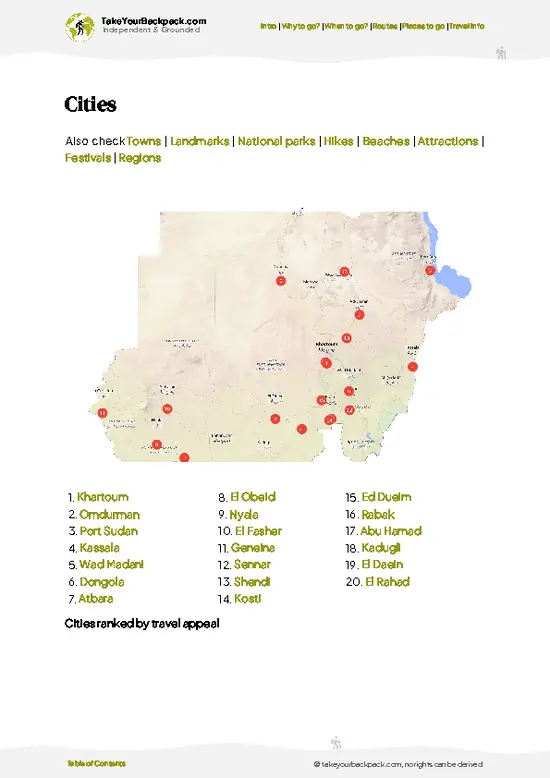
  • Abu Hamad—Nubian Desert, Nile bend, gold mining| 304 km away
  • Atbara—railway heritage, Nile confluence, industrial center| 406 km away
  • Shendi—Nile-side market, ancient Meroë proximity, local trade hub| 416 km away

💡 Not sure where to go next?
Create a personalized itinerary for Sudan including Dongola and the places that fit your trip.

Generate my itinerary

👉 Discover all cities

Or checkout all Sudan has to offer (think cities, towns, villages, national parks, hikes, beaches, festivals)
Country photo of Sudan

We 💚 feedbackFinal thoughts on visiting Dongola

Dongola has a raw, unfiltered charm that pulls you in. The ancient ruins whisper stories of a time long past, and the sunsets over the Nile are nothing short of mesmerizing. But be prepared: the heat can be relentless, especially in summer. Hydration and shade become your best friends. Embrace the sweat; it’s part of the experience. The beauty here isn’t just seen; it’s felt, and that’s what makes it worth every drop.

✈️ When did I visit Sudan?
Sudan I visited back in October 2017. I combined the trip with a visit to Ethiopia.

✍️ Help improve this page!
The information on this page is based on my own backpacking experience in Sudan, supplemented with up-to-date research and feedback from other travelers. Travel details can change, so if you notice anything outdated or incomplete, feel free to let me know.


🙋‍♂️ Give feedback

👋 Meet the founderWho’s Behind Take Your Backpack?

Johan, backpacker and founder of TakeYourBackpackHi, I’m Johan (Netherlands 🇳🇱), the creator of TakeYourBackpack. Over the past decade, I’ve backpacked through 80+ countries across six continents, gaining extensive experience with independent travel, long-term trips, and overland routes.

This site is built on a combination of firsthand travel experience and carefully curated insights from other backpackers. Many guides are based on places I’ve personally visited, while others bring together tips, observations, and practical advice shared by trusted travelers I’ve met along the way.

The goal is to provide realistic, experience-driven guidance — not generic itineraries — so you can explore destinations with better context, clearer expectations, and more confidence.

Get full Sudan guide •
Instant download • 72 highlights • Full Offline guide