×

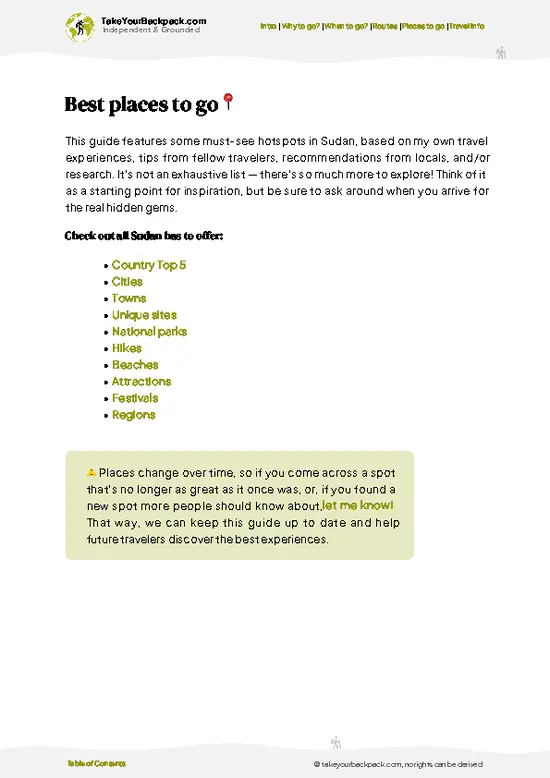
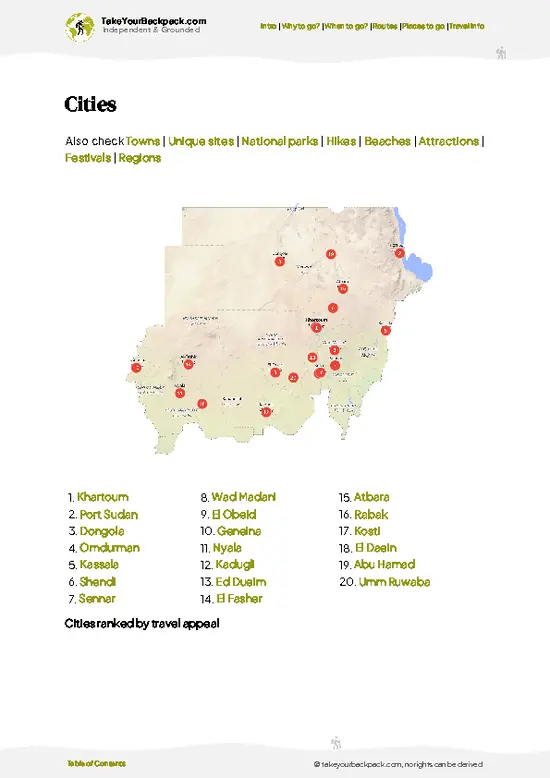
Sudan🇸🇩 | citiesEd DueimWhite Nile banks, university town, river ferries | things to do and best time to go

Explore KostiExplore Geneina

Backpacking in Ed Dueim
👍 Recommendedcity ranked #8
By Johan Kruseman 🇳🇱 | Updated June 9, 2026

Everyone talks about Ed Dueim as the “university town”—as if the White Nile University is the only reason to stop here. But for travelers, what matters more is Ed Dueim’s rhythm: the slow, sun-baked mornings, the scent of cardamom coffee drifting from market stalls, the honest, unhurried pace that feels like a deep exhale after the chaos of Khartoum. Ed Dueim sits halfway between Khartoum and Kosti, a practical pause on the Nile’s west bank, where the river’s wide, brown sweep is the real show. This isn’t a place for big-ticket sights or nightlife; it’s a working town with a few simple guesthouses, a walkable center, and a market that’s more about daily life than souvenirs. Buses stop here because they have to, not because it’s a tourist magnet. You’ll find more locals than travelers, and the evenings are quiet—think tea on a rooftop, not backpacker bars. Costs are low, safety is decent if you keep your wits, and compared to Kosti or Khartoum, Ed Dueim is less hectic, more grounded, and refreshingly free of pretense.

Discover everything you want to know in the 📖 Sudan Travel Guide.
Safety warning

The current risk level for Sudan is high. Check the advice before going.


Get your Sudan guide
72 ranked highlights, routes & tips, works offline (300 pages)
Loading the map 🌍
CLICK TO FILTER
cities
towns
landmarks
national parks
hikes
beaches
attractions
festivals
regions
SHOW COUNTRY’S BESTSHOW ALL

✨ Why go?
Ranked #8 city in Sudan
What sets this place apart

Backpackers flock to Ed Dueim for its strategic location along the route to the Nile and desert hikes. The walkable streets invite exploration, where you can savor local dishes that burst with flavor, like spicy stews and fresh bread. Small-scale guesthouses offer a cozy atmosphere, perfect for solo travelers or small groups seeking connection. Many stay a few days, soaking in the friendly vibe and sharing stories with fellow adventurers. It’s not a party town; instead, it’s a place to recharge before heading to the cultural sites nearby, making it a rewarding stop on your journey.
Want to include Ed Dueim in your Sudan route?
Create a personalized Sudan itinerary that includes Ed Dueim and the places that fit your trip — based on your travel style, budget, and available time. Get your route in seconds.

Generate my trip

💡 HighlightsWhat this place is best known for

  1. Bakht Er Ruda University — The town’s biggest cultural anchor: an old teacher-training campus with shady courtyards, student life, occasional lectures and events, and a slow, friendly rhythm that tells you more about modern Sudan than any brochure ever could. Stroll the grounds, visit the library if it’s open, and listen to students debating everything from poetry to pedagogy.
  2. White Nile riverbank — The river is the city’s pulse. Walk the corniche at sunrise or sunset to watch fishermen, small ferries and family outings; take a short boat ride to feel how life in Ed Dueim revolves around the Nile. It’s quiet, photogenic, and great for people-watching.
  3. Central souq (the main market) — A sensory hit: fresh produce, legumes, spices, fabric stalls and daily bargaining. The market is where
read more 👉
  1. Bakht Er Ruda University — The town’s biggest cultural anchor: an old teacher-training campus with shady courtyards, student life, occasional lectures and events, and a slow, friendly rhythm that tells you more about modern Sudan than any brochure ever could. Stroll the grounds, visit the library if it’s open, and listen to students debating everything from poetry to pedagogy.
  2. White Nile riverbank — The river is the city’s pulse. Walk the corniche at sunrise or sunset to watch fishermen, small ferries and family outings; take a short boat ride to feel how life in Ed Dueim revolves around the Nile. It’s quiet, photogenic, and great for people-watching.
  3. Central souq (the main market) — A sensory hit: fresh produce, legumes, spices, fabric stalls and daily bargaining. The market is where you’ll see the local economy in action, taste street snacks, and practice the most useful travel skill here — being patient and curious.
  4. Weekly livestock market — A proper local spectacle: traders, traders’ calls, camel and cattle exchanges (check the day — markets can move). It’s raw, energetic, and one of the clearest windows into rural-urban connections around Ed Dueim.
  5. Old railway station and railway precinct — The station area still carries a colonial-era feel: old platforms, railway buildings and the slow-moving rhythm of Sudanese rail life. Even if trains are irregular, the architecture and atmosphere are worth a look for anyone interested in transport history and local stories.
  6. Boatyards and ferry landings — Small workshops where traditional boats are built and repaired, and the simple landing points where people and goods cross the Nile. Visiting these working places gives you an immediate sense of craft, trade and riverside livelihoods.
  7. Irrigation canals and Gezira-linked infrastructure — Ed Dueim sits in the wider Gezira agricultural region; the local canal gates, small pumping stations and irrigation channels are tangible evidence of Sudan’s agricultural backbone. Walk a service road along a canal to see farmers, seasonal crops and how water shapes daily life.
  8. Riverside traditional neighborhoods — Narrow lanes, mud-brick houses and courtyard living still shape parts of the town. A slow walk through these quarters (with permission and respect) offers an authentic feel for local architecture, daily routines and neighborhood hospitality.
  9. University cultural spots and student hangouts — Small performance spaces, informal lecture halls and cafés around the university host debates, music nights and student theatre. Check the campus noticeboards — you’ll often find events that are open to visitors and richer than any formal “attraction.”
  10. Local coffee houses and rooftop teahouses — The social life of Ed Dueim unfolds over mint tea and Sudanese coffee. Spend an hour in a busy teahouse to hear local stories, practice a few Arabic phrases, and watch the town go by. It’s simple but deeply revealing.
A few real, visitable highlights a short drive from Ed Dueim include Wad Medani (the heart of the Gezira agricultural scheme), the Sennar Dam area with its riverside views and local markets, and the river port town of Kosti — my personal favorite for a day trip is the Sennar Dam area (great river scenery and easy local life to explore).
Spotted a mistake or missing something? Contact us.
🏘️ NeighborhoodsNeighborhood guide to Ed Dueim

Ed Dueim is a unique blend of culture and practicality, perfect for backpackers seeking an authentic Sudanese experience.

Downtown Ed Dueim: This bustling area is the heart of the town. The vibe is energetic, with local markets and street vendors filling the air with the scent of spices. It’s walkable, making it easy to explore on foot. Budget-friendly accommodations are plentiful, and the nightlife is lively but not overwhelming. Perfect for short stays.

Al-Manshiya: A quieter neighborhood, Al-Manshiya offers a more laid-back atmosphere. It’s ideal for longer stays, with cozy guesthouses and cafes where you can sip tea while watching daily life unfold. Transport access is decent, but you’ll want to walk to soak in the local charm.

Al-Hilal: Known for its green spaces, this area is great … read more 👉
Ed Dueim is a unique blend of culture and practicality, perfect for backpackers seeking an authentic Sudanese experience.

Downtown Ed Dueim: This bustling area is the heart of the town. The vibe is energetic, with local markets and street vendors filling the air with the scent of spices. It’s walkable, making it easy to explore on foot. Budget-friendly accommodations are plentiful, and the nightlife is lively but not overwhelming. Perfect for short stays.

Al-Manshiya: A quieter neighborhood, Al-Manshiya offers a more laid-back atmosphere. It’s ideal for longer stays, with cozy guesthouses and cafes where you can sip tea while watching daily life unfold. Transport access is decent, but you’ll want to walk to soak in the local charm.

Al-Hilal: Known for its green spaces, this area is great for relaxation. It’s less touristy, making it a good spot for those seeking peace. While nightlife is minimal, the local eateries serve delicious, affordable meals. A solid choice for both short and extended visits.

⌛️ 1 daySeeing the highlights in 24 hours

Ed Dueim, a small town in Sudan, pulses with life and authenticity. It’s a place where the scent of spices mingles with the warm desert air, and the vibrant markets hum with chatter. Start your morning at the local market, where you can sip sweet tea while watching vendors sell everything from fresh produce to handmade crafts. The colors and sounds here are a feast for the senses, setting the tone for your day.

In the afternoon, wander through the historic neighborhoods, particularly around the old mosque. The intricate architecture tells stories of a rich past. Don’t miss the nearby pottery workshop, often overlooked by tourists. Here, you can see artisans at work, shaping clay into beautiful pieces. It’s a chance to connect with the local culture in a way that feels genuine.

As evening … read more 👉
Ed Dueim, a small town in Sudan, pulses with life and authenticity. It’s a place where the scent of spices mingles with the warm desert air, and the vibrant markets hum with chatter. Start your morning at the local market, where you can sip sweet tea while watching vendors sell everything from fresh produce to handmade crafts. The colors and sounds here are a feast for the senses, setting the tone for your day.

In the afternoon, wander through the historic neighborhoods, particularly around the old mosque. The intricate architecture tells stories of a rich past. Don’t miss the nearby pottery workshop, often overlooked by tourists. Here, you can see artisans at work, shaping clay into beautiful pieces. It’s a chance to connect with the local culture in a way that feels genuine.

As evening falls, head to the banks of the Nile. The sunset casts a golden glow, and the air cools, making it perfect for a leisurely stroll. Grab a bite at a local eatery, where the flavors of Sudanese cuisine will linger long after your visit. This day in Ed Dueim isn’t just about sights; it’s about immersing yourself in the rhythm of life here.
Turn your Ed Dueim visit into an Sudan adventure
Build a complete Sudan route with Ed Dueim, hidden gems, must-see destinations, and realistic travel times included.

Generate my trip

🌤️ When to go?Choosing the right time of year


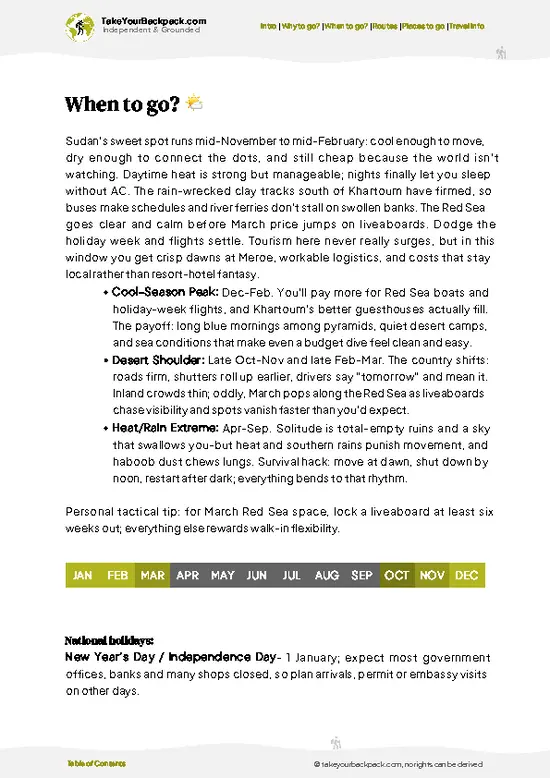
  • Weather: Ed Dueim’s climate swings between scorching dry seasons and brief, wetter months. The best window is during the cooler dry season from November to February, when daytime highs hover around 28-32°C (82-90°F), making trekking and exploring manageable without the oppressive heat.

  • Temperature: Outside the cooler months, temperatures can spike above 40°C (104°F), turning outdoor activities into endurance tests. Nights during the dry season drop to a comfortable 15-20°C (59-68°F), perfect for camping under clear skies.

  • Daylight Hours: Near the equator, daylight stays steady year-round, roughly 12 hours. This consistency means you can plan hikes and visits without worrying about early sunsets cutting your day short.

  • Crowds: Ed Dueim is off the beaten path, so crowds are minimal
read more 👉

  • Weather: Ed Dueim’s climate swings between scorching dry seasons and brief, wetter months. The best window is during the cooler dry season from November to February, when daytime highs hover around 28-32°C (82-90°F), making trekking and exploring manageable without the oppressive heat.

  • Temperature: Outside the cooler months, temperatures can spike above 40°C (104°F), turning outdoor activities into endurance tests. Nights during the dry season drop to a comfortable 15-20°C (59-68°F), perfect for camping under clear skies.

  • Daylight Hours: Near the equator, daylight stays steady year-round, roughly 12 hours. This consistency means you can plan hikes and visits without worrying about early sunsets cutting your day short.

  • Crowds: Ed Dueim is off the beaten path, so crowds are minimal year-round. However, local festivals and market days during the cooler months draw more visitors, adding a lively buzz without overwhelming the town.

  • Seasonal Activities: The dry season aligns with cultural events and easier river crossings, unlocking authentic experiences like village visits and market strolls that are tougher during the rains.

  • Price Fluctuations: Accommodation and transport costs dip slightly in the hotter months due to lower demand, but the discomfort often outweighs the savings. The dry season’s moderate prices reflect the sweet spot between comfort and value.


Pro-tip: Aim for late November to early February—cooler days, vibrant local life, and steady light make your backpacking feel less like survival and more like discovery.


source: climatestotravel.comJANJanuary: excellent for travelingFEBFebruary: excellent for travelingMARMarch: fair for travelingAPRApril: fair for travelingMAYMay: below average for travelingJUNJune: below average for travelingJULJuly: below average for travelingAUGAugust: below average for travelingSEPSeptember: fair for travelingOCTOctober: good for travelingNOVNovember: highly recommended for travelingDECDecember: excellent for traveling
when-to-go

✈️ The backpacker research shortcutSudan Travel Guide

An offline-friendly backpacking guide with optimized travel routes, ranked highlights, transport advice, and the best areas to stay.
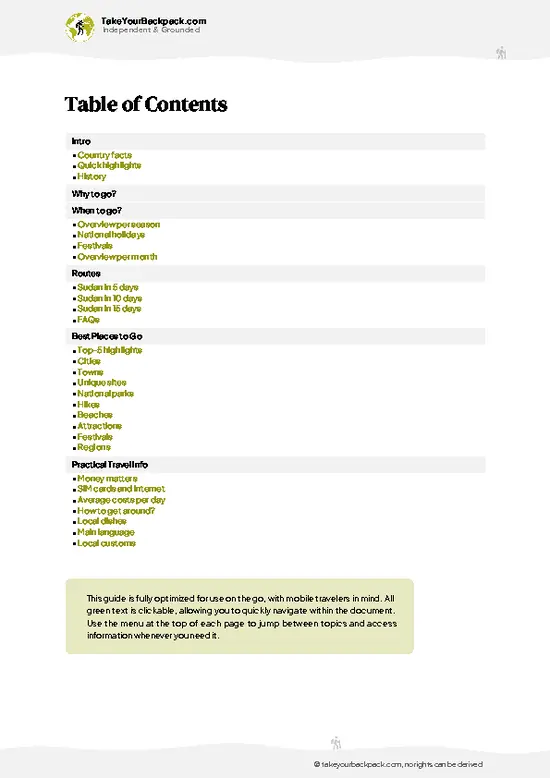
example page 0 from our offline Travel Guide for Sudan
example page 1 from our offline Travel Guide for Sudan
example page 2 from our offline Travel Guide for Sudan
example page 3 from our offline Travel Guide for Sudan
example page 4 from our offline Travel Guide for Sudan
example page 5 from our offline Travel Guide for Sudan
example page 6 from our offline Travel Guide for Sudan
example page 7 from our offline Travel Guide for Sudan
The digital guide (300 pages) contains:
72 highlights, ranked by travel appeal
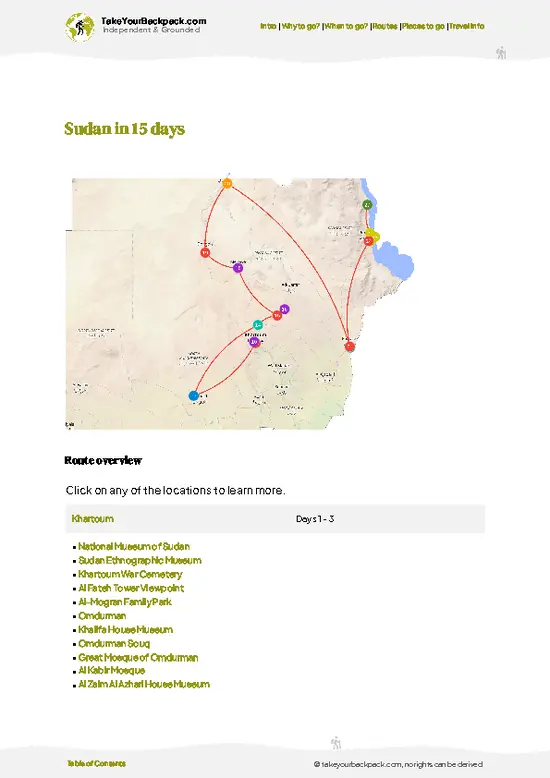
Optimized 5, 10 & 15-day travel routes
Cities, national parks, landmarks, beaches
How to get around
Offline-friendly for travel without Wi-Fi
👉 Click to see all 30+ guide features

📅 Plan smarter in minutes, not weeks
Month by month travel advice
Festivals & national holidays
Budget expectations

🗺️ Go to the right places, skip the overrated ones
Honest pros & cons of destinations
Top hikes, parks & viewpoints
Lesser-known places most travelers miss
Clear “worth it vs skip it” guidance

🛏️ Travel smoothly without rookie mistakes
Best areas to stay
Transport systems explained simply
Common scams & safety advice
SIM cards, money & practical tips

🌍 Understand the country, not just visit it
Culture & traditions
52 Essential phrases & customs
Festivals worth planning around
Traveler-friendly historical context
Insights that make places more meaningful

📱 Built for real travel conditions
Fully downloadable PDF
Works completely offline
Optimized for phone use
Useful in remote areas & buses
Everything in one place
Save weeks of stressful planning
Get instant access to your full guide. 30‑day money-back guarantee.


By proceeding you agree to our terms.
Sent to your inbox immediately after payment • 100% Secure Checkout
Best Backpacking Travel Advisor 2025 tourism awardBest Backpacking
Travel Advisor
2025
What others say about Take Your Backpack Guides:
⭐⭐⭐⭐⭐
Fantastic, amazing amount of information!
⭐⭐⭐⭐⭐
My goodness this is amazing, it's what I've been looking for hats off too you!
⭐⭐⭐⭐⭐
I think this is absolutely BRILLIANT
⭐⭐⭐⭐
Very complete and informative. It's still missing places, but I gotta to commend you
⭐⭐⭐⭐⭐
This is truly amazing, thank you, can't wait to explore it with my kids!
⭐⭐⭐⭐⭐
Awesome resource, thank you!
⭐⭐⭐⭐⭐
This is amazing! Can't wait to explore the ones I haven't seen
⭐⭐⭐⭐
I love this! Well done, great idea.
⭐⭐⭐⭐⭐
Thanks for taking the time to make this gem!
⭐⭐⭐⭐⭐
This might be the best website I've ever seen.
⭐⭐⭐⭐⭐
Congratulations, and thank you so much for your work; it's incredibly valuable.
⭐⭐⭐⭐
In all seriousness I think you did a great job pointing out the important spots
⭐⭐⭐⭐⭐
10/10 very good
⭐⭐⭐⭐⭐
As someone who's only just starting to visit regularly this is awesome, thank you.
⭐⭐⭐⭐
Thank you very much! I'm going to visit my dad, it's going to be very useful!
⭐⭐⭐⭐⭐
This is really cool! We'll be travelling for the first time and this definitely come in handy.
⭐⭐⭐⭐⭐
You are now our minister of culture, congratulations 👨‍💼
⭐⭐⭐⭐⭐
Just wanted to tell you that this is a pearl! Going to follow your recommendations.
⭐⭐⭐⭐⭐
This is so cool. I'll definitely be using the resource for my travels soon.
⭐⭐⭐⭐⭐
This is very impressive! Good work.
⭐⭐⭐⭐⭐
This is an amazing and informative site. Very well done!

🛏️ Where to stay?Best areas to stay in Sudan

In Ed Dueim, the best spot for backpackers is the area around the university and the main market street. This neighborhood hums with life from dawn till dusk, where the scent of fresh bread mingles with the earthy aroma of spices. It’s safe, thanks to the steady flow of students and locals, which keeps the streets lively and watchful without feeling crowded. Staying here means you’re steps away from affordable eateries and small shops where you can barter for essentials or a quick snack.

Hostels are sparse but tend to cluster near the university, offering a social vibe where solo travelers can … read more 👉
In Ed Dueim, the best spot for backpackers is the area around the university and the main market street. This neighborhood hums with life from dawn till dusk, where the scent of fresh bread mingles with the earthy aroma of spices. It’s safe, thanks to the steady flow of students and locals, which keeps the streets lively and watchful without feeling crowded. Staying here means you’re steps away from affordable eateries and small shops where you can barter for essentials or a quick snack.

Hostels are sparse but tend to cluster near the university, offering a social vibe where solo travelers can easily strike up conversations over shared meals or evening tea. Compared to the quieter residential districts, this area pulses with energy and connection, making it easier to navigate the city’s rhythms and find your footing. The light here—soft and golden in the late afternoon—casts long shadows on the dusty streets, reminding you that every moment outside your room is a chance to soak in the real Ed Dueim, not just pass through it.

🚌 Getting aroundHow to get around Ed Dueim

Ed Dueim moves at its own rhythm—less a clockwork town and more a place where the sun dictates the pace. Mornings start with a soft haze, the air thick with dust and the scent of fresh bread from street vendors. People drift through the streets, not rushing but flowing, guided by intuition rather than strict timetables. The market hums with a steady pulse, and the occasional honk of a shared taxi breaks the calm. Here, you don’t just get from point A to B; you absorb the subtle shifts in light and sound that mark the day’s progress. Understanding this flow is your ticket to moving smoothly through Ed Dueim without feeling like an outsider wrestling with schedules.


  • Walking: The heart of Ed Dueim is compact enough to explore on foot. Streets are dusty but flat, making walking the cheapest
read more 👉
Ed Dueim moves at its own rhythm—less a clockwork town and more a place where the sun dictates the pace. Mornings start with a soft haze, the air thick with dust and the scent of fresh bread from street vendors. People drift through the streets, not rushing but flowing, guided by intuition rather than strict timetables. The market hums with a steady pulse, and the occasional honk of a shared taxi breaks the calm. Here, you don’t just get from point A to B; you absorb the subtle shifts in light and sound that mark the day’s progress. Understanding this flow is your ticket to moving smoothly through Ed Dueim without feeling like an outsider wrestling with schedules.


  • Walking: The heart of Ed Dueim is compact enough to explore on foot. Streets are dusty but flat, making walking the cheapest and most immersive option. Early mornings and late afternoons offer cooler temperatures and softer light, perfect for soaking in local life without the midday heat.


  • Shared Taxis (Service Taxis): These are the lifeblood of local transit—white cars crammed with passengers, darting between neighborhoods. They don’t run on a strict timetable but leave once full, so patience is key. Fares are low, usually just a few Sudanese pounds, and the ride is quick but can be bumpy on uneven roads.


  • Local Buses: Buses here are basic but reliable, running from dawn until early evening. They follow set routes connecting Ed Dueim to nearby towns and the university area. Tickets are cheap, but expect crowded conditions and a slow pace, especially during market days when the streets swell with people.


  • Motorcycle Taxis (Boda-Bodas): For short hops or when time is tight, motorcycle taxis weave through traffic with ease. They’re faster than shared taxis but cost more and require a steady nerve for the dust and sudden stops. Helmets aren’t guaranteed, so hold on tight and keep your balance.

👛 Costs (as of 27 March 2025)Travel costs and budget guide for Ed Dueim

Backpacking in Ed Dueim, Sudan, feels like stepping into a slower rhythm where every dollar counts and the local pace sets the tone for your day. Here’s how your daily budget breaks down in practical terms.
  • Dorm Accommodation: Options are sparse and basic, often guesthouses rather than hostels. Expect to pay around $5 to $10 per night. Rooms are simple, sometimes with shared bathrooms, but clean enough for a good rest after dusty days.
  • Meals: Street food and small local eateries dominate. A hearty meal of traditional Sudanese dishes like fuul or kisra with stew will cost about $1 to $3. If you want something more substantial or a bit Western, prices can creep up to $5, but sticking local keeps your wallet happy.
  • Local Transport: Transport is mostly by shared minibuses or informal taxis.
read more 👉
Backpacking in Ed Dueim, Sudan, feels like stepping into a slower rhythm where every dollar counts and the local pace sets the tone for your day. Here’s how your daily budget breaks down in practical terms.
  • Dorm Accommodation: Options are sparse and basic, often guesthouses rather than hostels. Expect to pay around $5 to $10 per night. Rooms are simple, sometimes with shared bathrooms, but clean enough for a good rest after dusty days.
  • Meals: Street food and small local eateries dominate. A hearty meal of traditional Sudanese dishes like fuul or kisra with stew will cost about $1 to $3. If you want something more substantial or a bit Western, prices can creep up to $5, but sticking local keeps your wallet happy.
  • Local Transport: Transport is mostly by shared minibuses or informal taxis. A typical short ride within town costs around $0.20 to $0.50. For longer trips or private hires, budget closer to $2 to $5. Walking is often the best way to soak in the atmosphere and save money.
  • Basic Activities/Entry Fees: Ed Dueim isn’t a hotspot for pricey tourist attractions. Visiting local markets or cultural sites is usually free or costs less than $1. If you want to explore nearby natural or historical sites, small fees might apply, generally under $3.
  • Miscellaneous Expenses: This covers bottled water, snacks, occasional phone credit, or minor supplies. Around $1 to $2 daily should cover these essentials, but always carry your own water bottle to avoid unnecessary purchases.

All told, you’re looking at roughly $8 to $20 per day to cover the basics in Ed Dueim. It’s a place where simplicity meets authenticity, and your budget stretches further if you embrace the local pace and options. The dry air and open skies make every moment outside feel expansive, so walking and soaking in the environment is both a budget-friendly and deeply rewarding choice.


source: sudan.gov.sd
⚠️ Prices can change and everyone travels differently, so take this as a rough guide. Hope it helps you plan your adventure!

🚌 Day tripsEasy escapes and nearby places

Ed Dueim is a fantastic launchpad for exploring the rich tapestry of Sudan’s landscapes and cultures. With its strategic location, you can dive into some truly rewarding day trips.

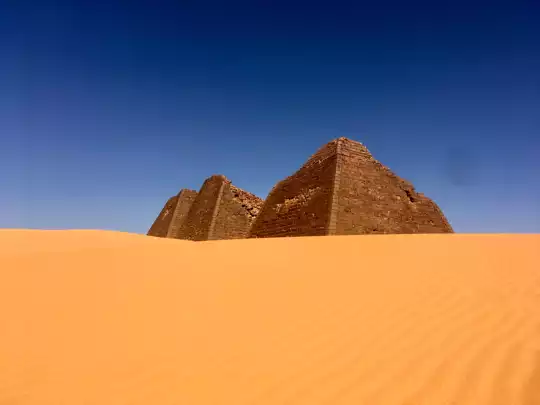
Nubian Pyramids of Meroë
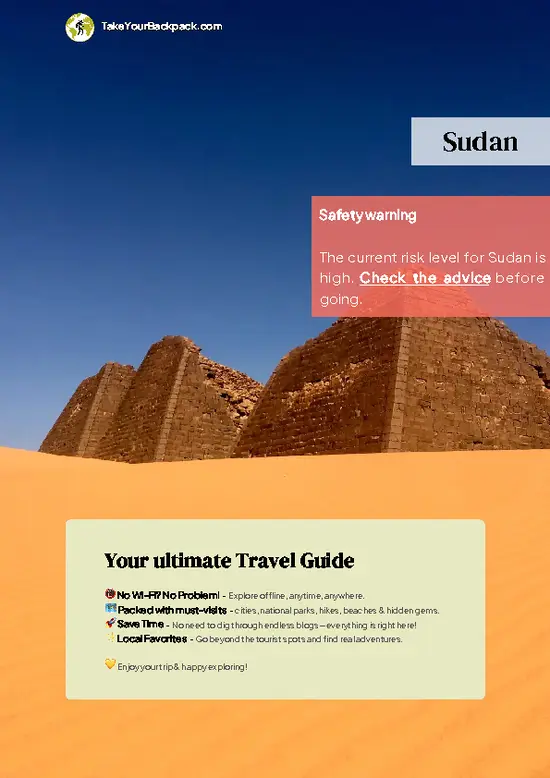
A visit to the Nubian Pyramids is a must. Just a three-hour drive from Ed Dueim, these ancient structures rise from the desert like sentinels of time. The golden sands and the stark blue sky create a surreal backdrop. Entry fees are minimal, around $5, making it a budget-friendly adventure. Aim for early morning or late afternoon to avoid the heat and catch the soft light on the pyramids. Many first-timers underestimate the sun; pack plenty of water and sunscreen.


Sudd Wetlands
The Sudd Wetlands are a hidden marvel. About two hours from Ed Dueim, this vast expanse of marshland is … read more 👉
Ed Dueim is a fantastic launchpad for exploring the rich tapestry of Sudan’s landscapes and cultures. With its strategic location, you can dive into some truly rewarding day trips.

Nubian Pyramids of Meroë
A visit to the Nubian Pyramids is a must. Just a three-hour drive from Ed Dueim, these ancient structures rise from the desert like sentinels of time. The golden sands and the stark blue sky create a surreal backdrop. Entry fees are minimal, around $5, making it a budget-friendly adventure. Aim for early morning or late afternoon to avoid the heat and catch the soft light on the pyramids. Many first-timers underestimate the sun; pack plenty of water and sunscreen.


Sudd Wetlands
The Sudd Wetlands are a hidden marvel. About two hours from Ed Dueim, this vast expanse of marshland is alive with the sounds of birds and the scent of wet earth. A guided boat tour costs around $15 and offers a unique perspective on the local ecosystem. The best time to visit is during the cooler months, from November to February. Don’t forget binoculars; spotting wildlife is a thrill, but many overlook this essential gear.


Khartoum City
Just a short drive of about 90 minutes, Khartoum offers a vibrant mix of history and modernity. Explore the confluence of the Blue and White Nile, and visit the National Museum for a glimpse into Sudan’s rich past. Budget around $10 for transport and entry fees. The best time to go is during the cooler mornings. First-timers often miss the local markets; don’t skip these for a taste of authentic Sudanese life.
Want to know what more Sudan offers?
The Sudan Travel Guide describes 72 highlights, from cities to national parks, from beaches to hikes

Get the Travel Guide -

🍲 FoodEating & Drinking in Ed Dueim

Ed Dueim’s food scene is a playground for anyone ready to dive into Sudanese flavors without fuss. The city’s signature dishes lean heavily on hearty staples like kisra, a tangy fermented flatbread that’s the backbone of many meals, paired with rich stews brimming with lentils, okra, or tender meat. Don’t miss out on tagine, a slow-cooked stew that’s a comforting, aromatic hug in a bowl.

Backpackers will find themselves drawn to the bustling markets and street food stalls, where the air is thick with the scent of spices and fresh bread baking over open flames. Casual eateries here aren’t about menus but about what’s fresh and popular that day—expect communal tables, lively chatter, and food served with a side of local warmth.

Drinking culture is simple but social. Water is king, but you’ll … read more 👉
Ed Dueim’s food scene is a playground for anyone ready to dive into Sudanese flavors without fuss. The city’s signature dishes lean heavily on hearty staples like kisra, a tangy fermented flatbread that’s the backbone of many meals, paired with rich stews brimming with lentils, okra, or tender meat. Don’t miss out on tagine, a slow-cooked stew that’s a comforting, aromatic hug in a bowl.

Backpackers will find themselves drawn to the bustling markets and street food stalls, where the air is thick with the scent of spices and fresh bread baking over open flames. Casual eateries here aren’t about menus but about what’s fresh and popular that day—expect communal tables, lively chatter, and food served with a side of local warmth.

Drinking culture is simple but social. Water is king, but you’ll also encounter sweet, spiced hibiscus tea served hot or cold, a refreshing ritual that invites pause and conversation. Sharing food and drink is a quiet nod to hospitality here—don’t be surprised if you’re invited to join in, a gesture that turns a meal into a memory.

🛡️ SafetyTraveler Safety Guide

Ed Dueim is generally safe, but staying aware enhances your experience. Stick to well-lit areas at night; the streets can feel quiet, and a little caution goes a long way. Solo travelers should blend in—dress modestly and engage with locals respectfully.

Watch for common scams, like inflated taxi fares; agree on a price beforehand. Street vendors can be persistent, but a polite “no, thank you” usually suffices. Embrace the local rhythm, and you’ll find the beauty of Ed Dueim unfolds with each thoughtful step.

Other Sudanese cities near Ed Dueim

Explore more nearby:

  • Rabak—Industrial zone, White Nile bridge, sugar refinery| 103 km away
  • Kosti—White Nile banks, river port, railway junction| 104 km away
  • Wad Madani—Gezira irrigation, cotton fields, university town| 141 km away

💡 Not sure where to go next?
Create a personalized itinerary for Sudan including Ed Dueim and the places that fit your trip.

Generate my itinerary

👉 Discover all cities

Or checkout all Sudan has to offer (think cities, towns, villages, national parks, hikes, beaches, festivals)
Country photo of Sudan

We 💚 feedbackFinal thoughts on visiting Ed Dueim

Ed Dueim offers a raw glimpse into Sudan’s heart, where the scent of spices wafts through bustling markets and the warmth of local smiles invites you in. Just be ready for the heat; it can be relentless. Embrace it, and the experience becomes unforgettable.

✈️ When did I visit Sudan?
Sudan I visited back in October 2017. I combined the trip with a visit to Ethiopia.

✍️ Help improve this page!
The information on this page is based on my own backpacking experience in Sudan, supplemented with up-to-date research and feedback from other travelers. Travel details can change, so if you notice anything outdated or incomplete, feel free to let me know.


🙋‍♂️ Give feedback

👋 Meet the founderWho’s Behind Take Your Backpack?

Johan, backpacker and founder of TakeYourBackpackHi, I’m Johan (Netherlands 🇳🇱), the creator of TakeYourBackpack. Over the past decade, I’ve backpacked through 80+ countries across six continents, gaining extensive experience with independent travel, long-term trips, and overland routes.

This site is built on a combination of firsthand travel experience and carefully curated insights from other backpackers. Many guides are based on places I’ve personally visited, while others bring together tips, observations, and practical advice shared by trusted travelers I’ve met along the way.

The goal is to provide realistic, experience-driven guidance — not generic itineraries — so you can explore destinations with better context, clearer expectations, and more confidence.

Get full Sudan guide •
Instant download • 72 highlights • Full Offline guide