v2.webp)
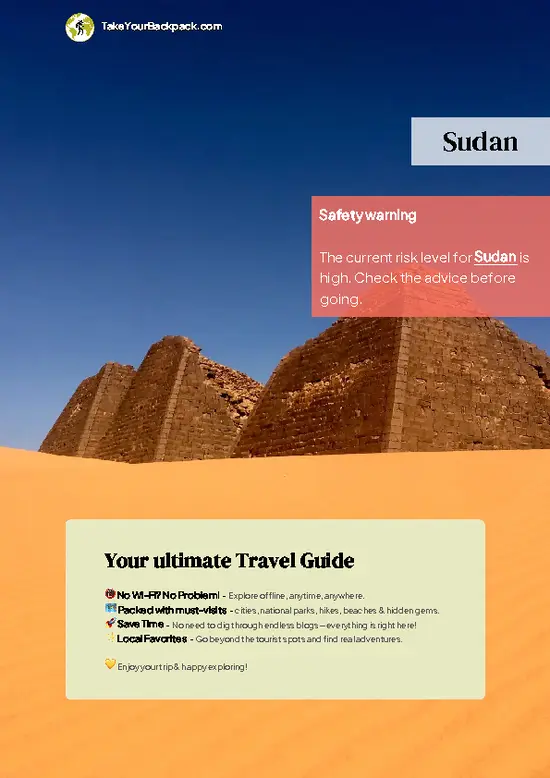
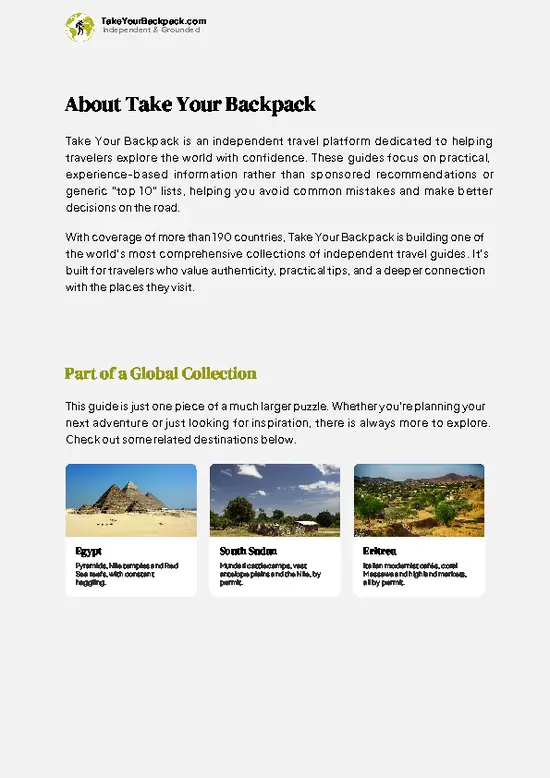
- White Nile corniche and riverside — The slow, lived-in heart of Kosti: shady walkways, fishermen, kids jumping into the Nile at dusk and great sunset photo spots. It’s where the city’s rhythm is easiest to read in one stroll.
- Kosti Bridge (White Nile bridge) — The long span that links Kosti to Rabak. A good place for river views, watching barge traffic and seeing how the Nile shapes daily life here — especially dramatic at sunrise.
- Main souq (central market) — A compact, noisy market selling fresh produce, spices, clothing and household goods. Great for cheap street food, practicing your bargaining and watching how locals shop.
- Fish market and boat landing — Early-morning auctions and the small fleet of dugout boats make this a lively, properly local scene. If you like food markets, you
- White Nile corniche and riverside — The slow, lived-in heart of Kosti: shady walkways, fishermen, kids jumping into the Nile at dusk and great sunset photo spots. It’s where the city’s rhythm is easiest to read in one stroll.
- Kosti Bridge (White Nile bridge) — The long span that links Kosti to Rabak. A good place for river views, watching barge traffic and seeing how the Nile shapes daily life here — especially dramatic at sunrise.
- Main souq (central market) — A compact, noisy market selling fresh produce, spices, clothing and household goods. Great for cheap street food, practicing your bargaining and watching how locals shop.
- Fish market and boat landing — Early-morning auctions and the small fleet of dugout boats make this a lively, properly local scene. If you like food markets, you can eat freshly grilled Nile fish nearby.
- Old railway station and goods yard — Kosti grew into a transport hub; the station and its warehouses still show that history. Good for curious travelers who like industrial-era architecture and the feel of an old logistics town.
- Merchant quarter / colonial-era streets — Walk a few blocks off the main roads and you’ll find older houses and façades left over from the town’s trading days. Not a museum, but real streets that tell Kosti’s commercial past.
- Central mosque (Friday mosque) — A focal point of community life; visiting outside prayer times shows the mosque’s role in daily routines and gives a window into local religious and social customs (observe local dress and etiquette).
- Riverside tea houses and cafés — Small, atmospheric cafés where people meet, sip strong Sudanese tea and watch the river. Perfect for people-watching and meeting locals without any fuss.
- Municipal park / river gardens — The town’s green spaces are simple but pleasant: shady spots, local families picnicking and kids playing. Good for a quiet break from the market bustle.
- Town cemetery and historic graves — A place that quietly records Kosti’s mixed past — merchant families, older colonial-era headstones and local memorials. It’s sobering, informative and often overlooked by visitors.
Spotted a mistake or missing something? Contact us.

 Best Backpacking
.jpg) Hi, I’m Johan (Netherlands 🇳🇱), the creator of TakeYourBackpack. Over the past 3 decades, I’ve backpacked through 90+ countries across six continents, gaining extensive experience with independent travel, long-term trips, and overland routes.
Hi, I’m Johan (Netherlands 🇳🇱), the creator of TakeYourBackpack. Over the past 3 decades, I’ve backpacked through 90+ countries across six continents, gaining extensive experience with independent travel, long-term trips, and overland routes.