
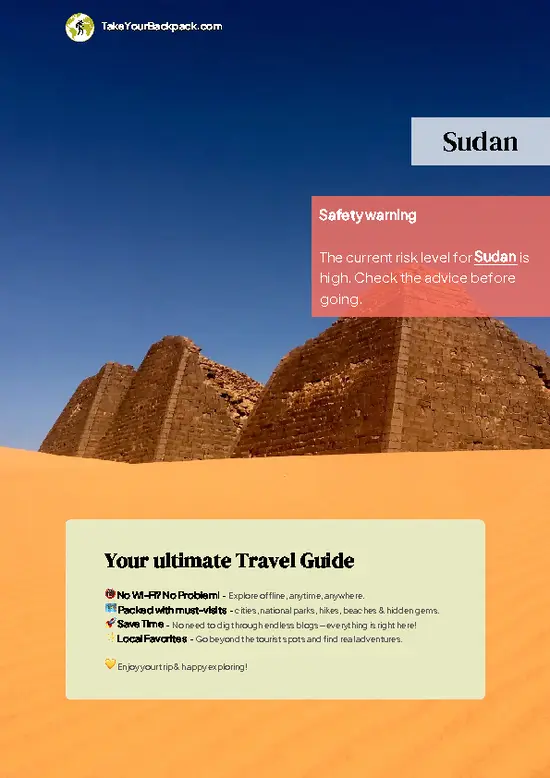
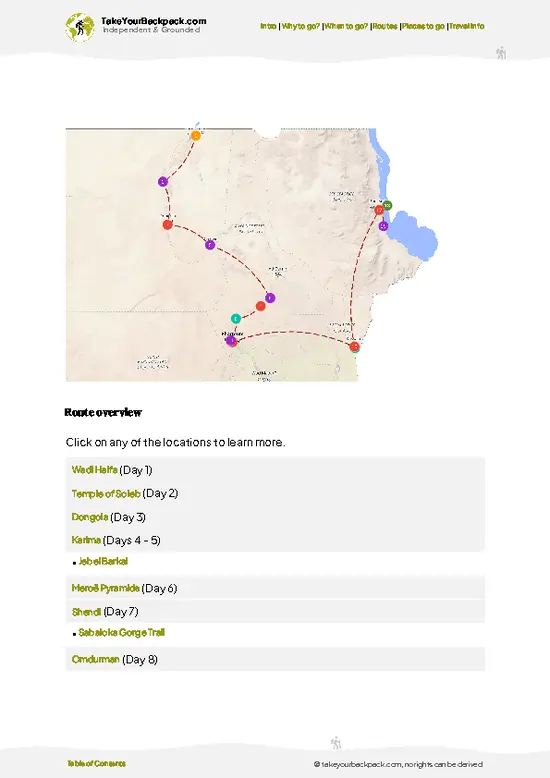
- White Nile riverbank and boat landing — The city lives on this stretch of the White Nile: boats, fishermen, river traffic and great people-watching. Walk the banks at sunset, hire a small wooden boat for an hour, or just sit with tea and watch the river life roll by.
- Kosti-Rabak bridge (the main crossing) — Short, functional and noisy, the bridge is a good place to see the flow of goods and people between Rabak and Kosti. It’s an everyday local landmark and offers photogenic river views if you like gritty, working-city scenes.
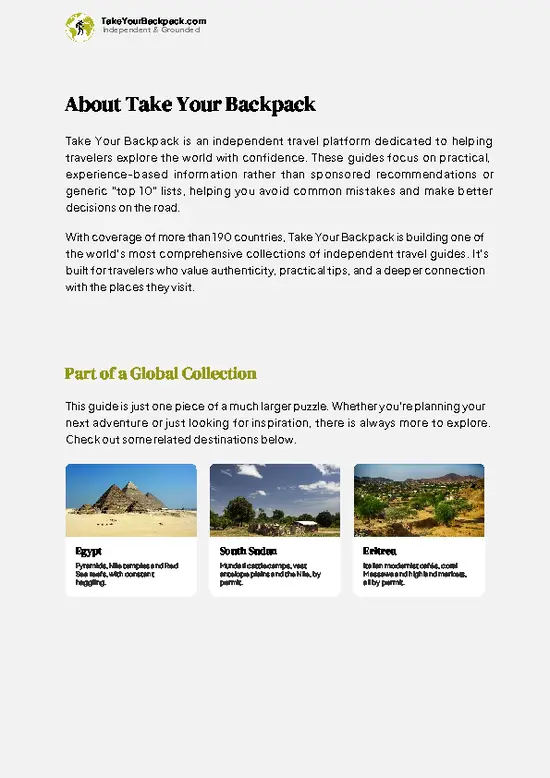
- Kenana Sugar complex (edge of town) — One of the region’s economic engines: huge mills, cane fields and irrigation channels. You can’t wander the factory floor unannounced, but seeing the scale from the perimeter and talking to locals about how the industry shapes
- White Nile riverbank and boat landing — The city lives on this stretch of the White Nile: boats, fishermen, river traffic and great people-watching. Walk the banks at sunset, hire a small wooden boat for an hour, or just sit with tea and watch the river life roll by.
- Kosti-Rabak bridge (the main crossing) — Short, functional and noisy, the bridge is a good place to see the flow of goods and people between Rabak and Kosti. It’s an everyday local landmark and offers photogenic river views if you like gritty, working-city scenes.
- Kenana Sugar complex (edge of town) — One of the region’s economic engines: huge mills, cane fields and irrigation channels. You can’t wander the factory floor unannounced, but seeing the scale from the perimeter and talking to locals about how the industry shapes life here is revealing.
- Rabak Central Market (souq) — Local produce, dried fish, spices, secondhand goods and street food stacked into a lively warren. This is where you’ll pick up bargains, practice your Arabic, and feel the pulse of daily life in town.
- Riverside fish market — Early-morning activity: fishermen land their catch, women sort and smoke fish, and traders haggle. It’s raw, sensory and a good place to sample fresh river fish or learn local preservation methods.
- Sugarcane fields and irrigation canals — Walkable from town edges, these long, geometrical fields tell the agricultural story of the area. Following a canal or a dirt track gives you a quiet, rural contrast to the industrial sights.
- Local livestock market — A proper cultural experience: traders, herders and animals (goats, sheep, cattle) changing hands. No frills, huge on atmosphere — best early morning on market day when the bargaining and animal inspections happen.
- Rabak riverside neighborhoods and tea houses — Small streets where neighbors gather at tea houses, sip Sudanese tea and swap news. Pop into a shop, try asida or a local snack, and you’ll get invited into real-life conversations more often than in tourist spots.
- Rabak ferry terminal and short-island hops — The ferry that shuttles people and goods is itself part of local life; short crossings to nearby river islands are doable and show you how communities use the Nile’s little islands for gardening and fishing.
- Industrial skyline viewpoints — Not glamorous, but the smokestacks, silos and lines of tanks on the city outskirts are emblematic of Rabak: a place shaped by river and industry. Climb a safe, elevated spot at dusk and watch the city’s lights and river reflections.
Spotted a mistake or missing something? Contact us.

 Best Backpacking
 Hi, I’m Johan (Netherlands 🇳🇱), the creator of TakeYourBackpack. Over the past 3 decades, I’ve backpacked through 90+ countries across six continents, gaining extensive experience with independent travel, long-term trips, and overland routes.