v2.webp)
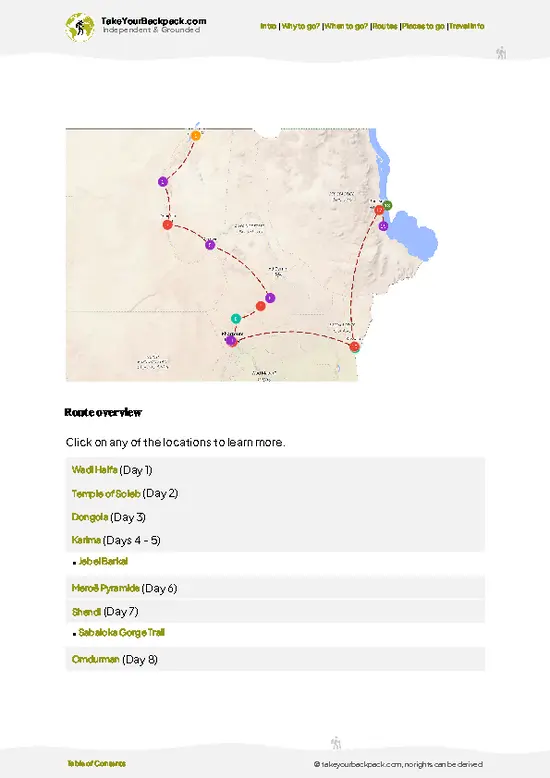
- Jebel Taka (Taka Mountain) — The city’s signature sandstone cliffs and terraces; climbable in a few hours and unbeatable for sunrise/sunset views over Kassala and the Gash floodplain. It’s where geology, local grazing life and great city panoramas meet.
- Khor al-Gash (the Gash River) and its palm groves — A green ribbon through an otherwise dry landscape: shady date palms, small farms and people working the land. Walking the riverbanks gives a real sense of how the city survives and breathes.
- Kassala Central Souq — Busy, colorful and honest: spices, fabrics, Beja embroidered clothing, household goods and street food. Great place to practice bargaining and watch daily urban life unfold.
- Old town / Italian-colonial quarter — Narrow alleys, painted facades and a handful of colonial-era houses.
- Jebel Taka (Taka Mountain) — The city’s signature sandstone cliffs and terraces; climbable in a few hours and unbeatable for sunrise/sunset views over Kassala and the Gash floodplain. It’s where geology, local grazing life and great city panoramas meet.
- Khor al-Gash (the Gash River) and its palm groves — A green ribbon through an otherwise dry landscape: shady date palms, small farms and people working the land. Walking the riverbanks gives a real sense of how the city survives and breathes.
- Kassala Central Souq — Busy, colorful and honest: spices, fabrics, Beja embroidered clothing, household goods and street food. Great place to practice bargaining and watch daily urban life unfold.
- Old town / Italian-colonial quarter — Narrow alleys, painted facades and a handful of colonial-era houses. It’s not a preserved museum; it’s lived-in architecture that tells the town’s layered history if you pay attention.
- Small regional museum — Modest on scale but valuable for context: ethnographic objects, photos and local history displays that help connect what you see in the streets with Kassala’s past. Opening hours can be erratic, so check locally.
- Beja neighborhoods and craft workshops — Walkable pockets of the city where you’ll find beadwork, traditional dressmakers and small-scale metal or leatherwork. These workshops are the best way to meet artisans and see craft traditions still alive.
- Historic railway area — The old station and its surroundings are atmospheric (and photo-worthy). Even if trains are sparse, the station speaks to Kassala’s role as a regional hub during the colonial era.
- Riverfront tea houses and cafés — Low-key social hubs where people meet, sip sweet mint tea and trade news. Great for people-watching and sampling local snacks; men and women’s spaces can differ, so be mindful and respectful.
- Main mosques and local Sufi shrines — Architecturally simple but socially important places. Visiting (outside prayer times and with appropriate dress/behavior) gives insight into religious life and local devotion practices.
- Produce & date markets (seasonal) — When the harvest is on, these markets explode with color and scent: dates, mangoes, vegetables and the small trade networks that feed the city. A visceral way to understand local foodways and economy.
Spotted a mistake or missing something? Contact us.

 Best Backpacking
.jpg) Hi, I’m Johan (Netherlands 🇳🇱), the creator of TakeYourBackpack. Over the past 3 decades, I’ve backpacked through 90+ countries across six continents, gaining extensive experience with independent travel, long-term trips, and overland routes.
Hi, I’m Johan (Netherlands 🇳🇱), the creator of TakeYourBackpack. Over the past 3 decades, I’ve backpacked through 90+ countries across six continents, gaining extensive experience with independent travel, long-term trips, and overland routes.