v2.webp)
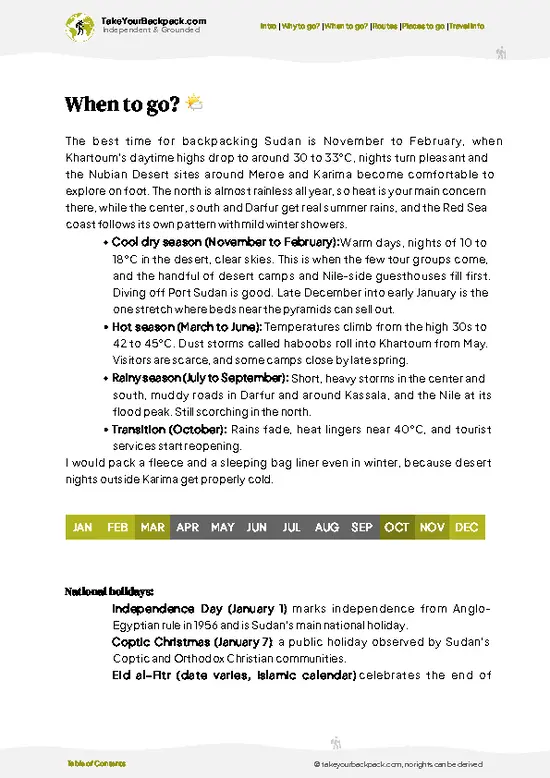
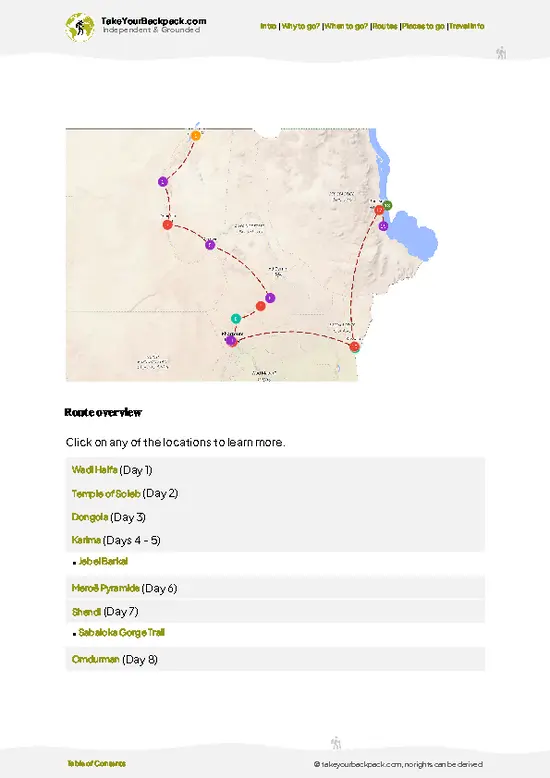
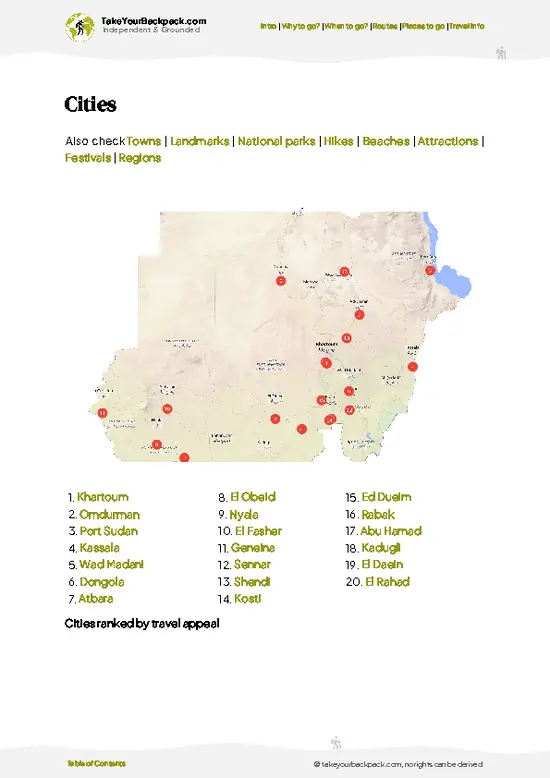
- Meeting of the Blue & White Nile (Al-Mogran / Confluence) — The single most visual thing in Khartoum: two different-coloured rivers coming together. Walk the small park and promenade at the tip of the peninsula for sunrise or sunset and to watch fishermen, boats and everyday Nile life.
- Tuti Island — A short bridge ride from central Khartoum and suddenly you’re in palm groves, small farms and slow-paced village life. Great for cycling, cheap local tea, and a very different, quieter Nile experience than the city banks.
- National Museum of Sudan — The main place to see Nubian, Meroitic and Pharaonic finds without travelling north. Even if some areas have limited access, the collections and the context for Sudan’s deep past make it worth checking the current opening status and visiting if you
- Meeting of the Blue & White Nile (Al-Mogran / Confluence) — The single most visual thing in Khartoum: two different-coloured rivers coming together. Walk the small park and promenade at the tip of the peninsula for sunrise or sunset and to watch fishermen, boats and everyday Nile life.
- Tuti Island — A short bridge ride from central Khartoum and suddenly you’re in palm groves, small farms and slow-paced village life. Great for cycling, cheap local tea, and a very different, quieter Nile experience than the city banks.
- National Museum of Sudan — The main place to see Nubian, Meroitic and Pharaonic finds without travelling north. Even if some areas have limited access, the collections and the context for Sudan’s deep past make it worth checking the current opening status and visiting if you can.
- University of Khartoum campus & botanical gardens — Old colonial buildings, shady trees and students playing football — a pleasant place to stroll, people-watch and feel Khartoum’s intellectual side. Small university museums and the green strip along the Nile are peaceful and photogenic.
- Khartoum War Cemetery & Gordon’s Memorial — A calm, green patch beside the city that tells a lot about the 19th-20th century history of Sudan and the British presence. Useful for a reflective walk and to see Commonwealth graves and memorial architecture up close.
- Nile Corniche & rooftop cafés — The long Nile promenade and the handful of rooftop cafés above it are the city’s social living room. Cheap tea, fresh air and some of the best sunset views without breaking the budget.
- Souq (Central market / local bazaars) — Markets in central Khartoum sell spices, dried goods, textiles and small household items. Not a polished tourist bazaar, but invaluable for people-watching, bargaining practice and tasting street-food snacks — bring cash and keep valuables tucked away.
- Republican Palace Museum (Presidential Palace complex) — If you can arrange access, this compact museum gives insight into the modern political history of Sudan: independence tokens, presidential gifts and the formal side of statecraft. Visits often need a short permission so ask ahead.
- Khartoum Club (historic Nile-side club) — A piece of colonial-era Khartoum with a shaded garden, old architecture and the slow elegance of another time. Many visitors can get in for a meal or drink; it’s a good stop for atmosphere and relaxed people-watching.
- Sudan National Theatre / local cultural spots — Not always busy with big shows, but when there’s a performance or exhibition it’s one of the best places to catch Sudanese music, dance or theatre and meet local artists. Check what’s on before you go; a small, lively cultural scene still survives.
Spotted a mistake or missing something? Contact us.

 Best Backpacking
.jpg) Hi, I’m Johan (Netherlands 🇳🇱), the creator of TakeYourBackpack. Over the past 3 decades, I’ve backpacked through 90+ countries across six continents, gaining extensive experience with independent travel, long-term trips, and overland routes.
Hi, I’m Johan (Netherlands 🇳🇱), the creator of TakeYourBackpack. Over the past 3 decades, I’ve backpacked through 90+ countries across six continents, gaining extensive experience with independent travel, long-term trips, and overland routes.