
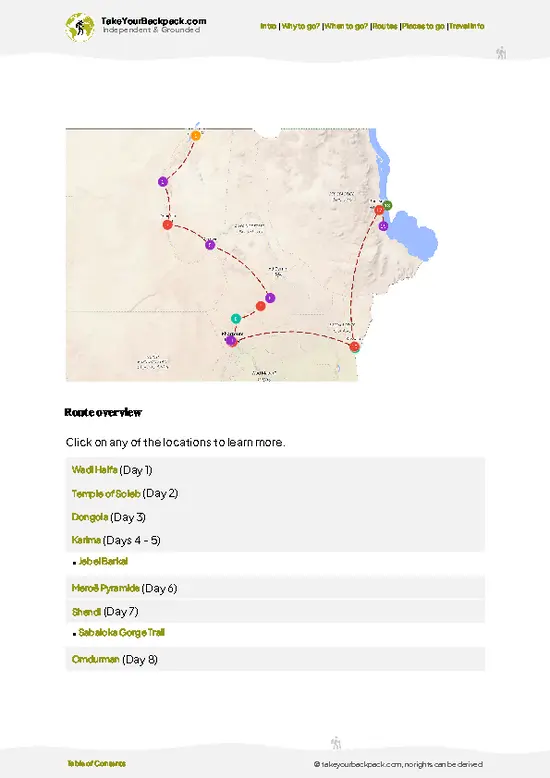
The Commonwealth Headstones: A Walk Through Names and Nations
Let’s cut through the Instagram haze: nobody comes to Khartoum War Cemetery for a selfie. You come for the rows of headstones, each carved with a name, a regiment, and a date that yanks you out of your own timeline. These aren’t just British or Sudanese names—look closer and you’ll spot Indian, South African, and even Caribbean soldiers. The sheer diversity is a gut punch. It’s a reminder that World War II’s reach was global, and that colonial history is written in stone, not hashtags.
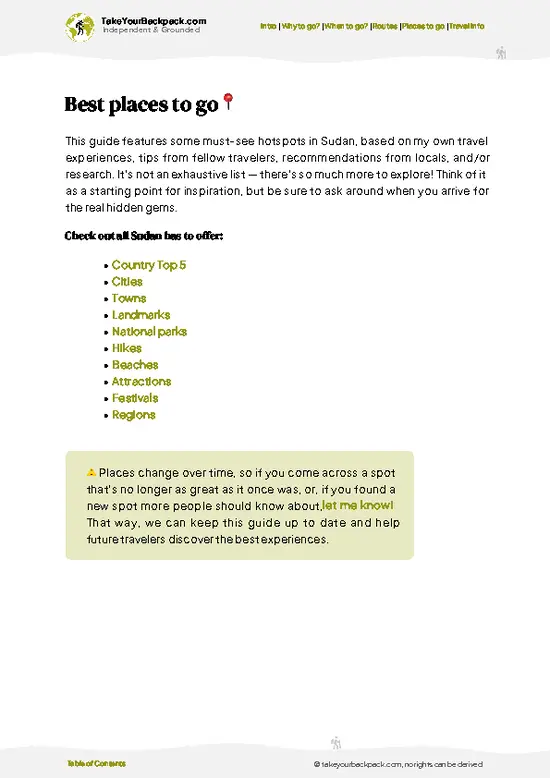
The Arabic and English Inscriptions: Two Worlds, One Story
Here’s where the cemetery quietly outclasses the usual war memorial: every headstone is inscribed in both English and Arabic. It’s not just translation—it’s a visual handshake between two … read more 👉
Let’s cut through the Instagram haze: nobody comes to Khartoum War Cemetery for a selfie. You come for the rows of headstones, each carved with a name, a regiment, and a date that yanks you out of your own timeline. These aren’t just British or Sudanese names—look closer and you’ll spot Indian, South African, and even Caribbean soldiers. The sheer diversity is a gut punch. It’s a reminder that World War II’s reach was global, and that colonial history is written in stone, not hashtags.
The Arabic and English Inscriptions: Two Worlds, One Story
Here’s where the cemetery quietly outclasses the usual war memorial: every headstone is inscribed in both English and Arabic. It’s not just translation—it’s a visual handshake between two … read more 👉
The Commonwealth Headstones: A Walk Through Names and Nations
Let’s cut through the Instagram haze: nobody comes to Khartoum War Cemetery for a selfie. You come for the rows of headstones, each carved with a name, a regiment, and a date that yanks you out of your own timeline. These aren’t just British or Sudanese names—look closer and you’ll spot Indian, South African, and even Caribbean soldiers. The sheer diversity is a gut punch. It’s a reminder that World War II’s reach was global, and that colonial history is written in stone, not hashtags.
The Arabic and English Inscriptions: Two Worlds, One Story
Here’s where the cemetery quietly outclasses the usual war memorial: every headstone is inscribed in both English and Arabic. It’s not just translation—it’s a visual handshake between two cultures, side by side in grief and memory. You don’t need to read both languages to feel the weight of that. It’s a rare, tactile symbol of Sudan’s role as crossroads, not just backdrop.
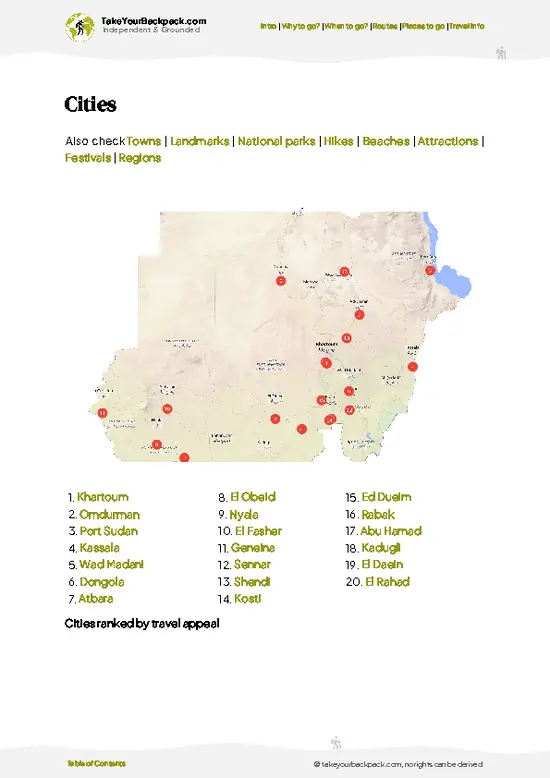
The Desert Silence: Soundtrack of the Real Khartoum
Forget the city’s chaos for a minute. Inside these gates, the only soundtrack is the wind and the occasional bird. No tour buses, no vendors, no TikTokers doing dances between graves. The silence isn’t just peaceful—it’s heavy, almost defiant, as if the place is daring you to actually feel something. If you want a place to think, or just to escape the relentless sensory overload of Khartoum, this is your oasis.
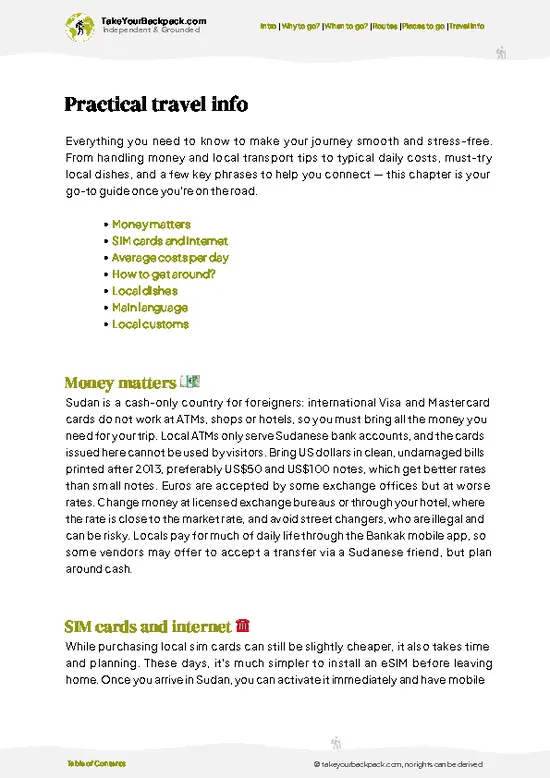
The Memorial to the Missing: Names Without Graves
This is the spot that’ll stick with you. There’s a wall dedicated to those whose bodies were never found—names, ranks, and nothing else. It’s stark, and it’s honest. No flowery language, just the brutal fact of absence. It’s a reminder that not every story has closure, and that some sacrifices are literally invisible. This one’s my personal favorite, because it’s the kind of raw truth you don’t get in most travel guides.
The Subtle Details: Local Life at the Edges
Watch for the caretakers—often Sudanese, tending the grounds with a quiet pride. Sometimes you’ll see kids playing soccer just outside the walls, or hear the call to prayer drifting over the cemetery. It’s a living reminder that history isn’t sealed off from the present. The contrast between the stillness inside and the pulse of Khartoum outside is the real magic here. It’s not staged, it’s not curated, and that’s exactly why it matters.
Let’s cut through the Instagram haze: nobody comes to Khartoum War Cemetery for a selfie. You come for the rows of headstones, each carved with a name, a regiment, and a date that yanks you out of your own timeline. These aren’t just British or Sudanese names—look closer and you’ll spot Indian, South African, and even Caribbean soldiers. The sheer diversity is a gut punch. It’s a reminder that World War II’s reach was global, and that colonial history is written in stone, not hashtags.
The Arabic and English Inscriptions: Two Worlds, One Story
Here’s where the cemetery quietly outclasses the usual war memorial: every headstone is inscribed in both English and Arabic. It’s not just translation—it’s a visual handshake between two cultures, side by side in grief and memory. You don’t need to read both languages to feel the weight of that. It’s a rare, tactile symbol of Sudan’s role as crossroads, not just backdrop.
The Desert Silence: Soundtrack of the Real Khartoum
Forget the city’s chaos for a minute. Inside these gates, the only soundtrack is the wind and the occasional bird. No tour buses, no vendors, no TikTokers doing dances between graves. The silence isn’t just peaceful—it’s heavy, almost defiant, as if the place is daring you to actually feel something. If you want a place to think, or just to escape the relentless sensory overload of Khartoum, this is your oasis.
The Memorial to the Missing: Names Without Graves
This is the spot that’ll stick with you. There’s a wall dedicated to those whose bodies were never found—names, ranks, and nothing else. It’s stark, and it’s honest. No flowery language, just the brutal fact of absence. It’s a reminder that not every story has closure, and that some sacrifices are literally invisible. This one’s my personal favorite, because it’s the kind of raw truth you don’t get in most travel guides.
The Subtle Details: Local Life at the Edges
Watch for the caretakers—often Sudanese, tending the grounds with a quiet pride. Sometimes you’ll see kids playing soccer just outside the walls, or hear the call to prayer drifting over the cemetery. It’s a living reminder that history isn’t sealed off from the present. The contrast between the stillness inside and the pulse of Khartoum outside is the real magic here. It’s not staged, it’s not curated, and that’s exactly why it matters.
Spotted a mistake or missing something? Contact us.
v2.webp)

Best Backpacking
Hi, I’m Johan (Netherlands 🇳🇱), the creator of TakeYourBackpack. Over the past decade, I’ve backpacked through 80+ countries across six continents, gaining extensive experience with independent travel, long-term trips, and overland routes.