v2.webp)
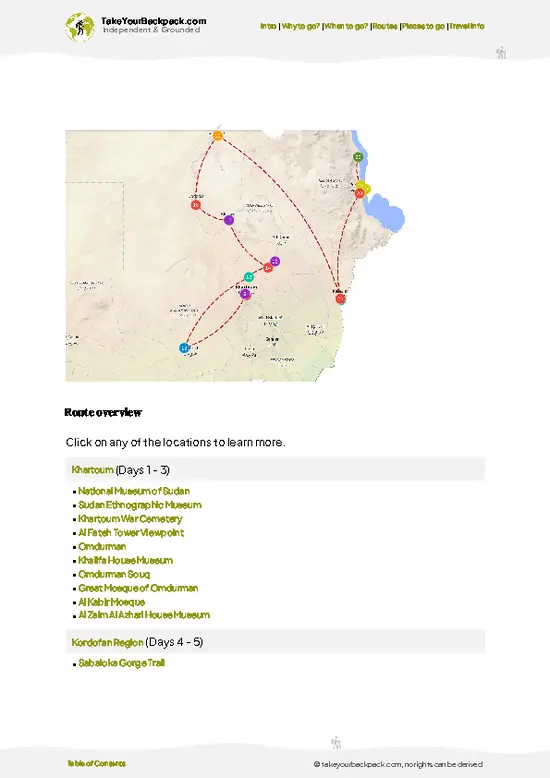
The Facade: A Monument to Resilience
Let’s cut through the Instagram filters: the exterior of Al Kabir Coptic Cathedral isn’t some delicate, fairy-tale confection. It’s a fortress of faith, built with the kind of muscular, sand-colored stone that shrugs off both the Saharan sun and the weight of history. The architecture is unapologetically bold—think Romanesque arches, thick columns, and a dome that looks like it could outlast a siege. This isn’t just a church; it’s a statement. The real magic is standing in front of it and realizing you’re looking at a symbol of Sudanese Christian endurance, not a tourist prop.
The Interior: Light, Shadow, and Silence
Step inside and the chaos of Khartoum’s streets drops away. The nave is cavernous, cool, and surprisingly spare—no gold-plated excess, just … read more 👉
Let’s cut through the Instagram filters: the exterior of Al Kabir Coptic Cathedral isn’t some delicate, fairy-tale confection. It’s a fortress of faith, built with the kind of muscular, sand-colored stone that shrugs off both the Saharan sun and the weight of history. The architecture is unapologetically bold—think Romanesque arches, thick columns, and a dome that looks like it could outlast a siege. This isn’t just a church; it’s a statement. The real magic is standing in front of it and realizing you’re looking at a symbol of Sudanese Christian endurance, not a tourist prop.
The Interior: Light, Shadow, and Silence
Step inside and the chaos of Khartoum’s streets drops away. The nave is cavernous, cool, and surprisingly spare—no gold-plated excess, just … read more 👉
The Facade: A Monument to Resilience
Let’s cut through the Instagram filters: the exterior of Al Kabir Coptic Cathedral isn’t some delicate, fairy-tale confection. It’s a fortress of faith, built with the kind of muscular, sand-colored stone that shrugs off both the Saharan sun and the weight of history. The architecture is unapologetically bold—think Romanesque arches, thick columns, and a dome that looks like it could outlast a siege. This isn’t just a church; it’s a statement. The real magic is standing in front of it and realizing you’re looking at a symbol of Sudanese Christian endurance, not a tourist prop.
The Interior: Light, Shadow, and Silence
Step inside and the chaos of Khartoum’s streets drops away. The nave is cavernous, cool, and surprisingly spare—no gold-plated excess, just honest stone and shafts of sunlight slicing through high windows. The air smells faintly of incense and old wood. It’s not about spectacle; it’s about atmosphere. If you’re lucky enough to catch a quiet moment, the silence here feels ancient, almost physical. This is where you feel the weight of centuries, not just see it.
The Iconostasis: Art with a Pulse
Forget the mass-produced icons you see in souvenir shops. The iconostasis here is the real deal: hand-painted, deeply expressive, and worn smooth by decades of worship. The faces of saints and martyrs aren’t generic—they’re raw, almost defiant. You don’t need to be religious to feel the emotional punch. This is Sudanese Coptic art at its most alive, and it’s a window into a community that’s survived against the odds.
The Community: Faith in Action
Here’s the part the travel brochures skip: the cathedral isn’t a museum, it’s a living hub. If you visit during a service, you’ll see a congregation that’s fiercely proud and welcoming, singing hymns in Arabic and Coptic. The energy is contagious. I’ve been to cathedrals that feel like mausoleums—this one feels like a heartbeat. If you want to understand Sudan beyond the headlines, stand in the back during a Sunday service and just watch. This is the soul of the place, and it’s my personal favorite.
The Courtyard: A Pause from the World
Step outside and you’ll find a shaded courtyard dotted with benches and old trees. It’s not manicured or Instagram-perfect, but it’s real—a place where families gather, kids play, and elders swap stories. It’s the kind of spot where you can catch your breath, sip sweet tea, and watch daily life unfold. In a city that rarely slows down, this is a rare pocket of calm.
Honest Crowd Report
You won’t be elbowing your way through selfie-stick armies here. Most visitors are locals, not tour groups. That means you get authenticity, but also a responsibility: dress respectfully, ask before taking photos, and remember you’re a guest in someone’s sacred space. The reward? A genuine connection, not just a photo op.
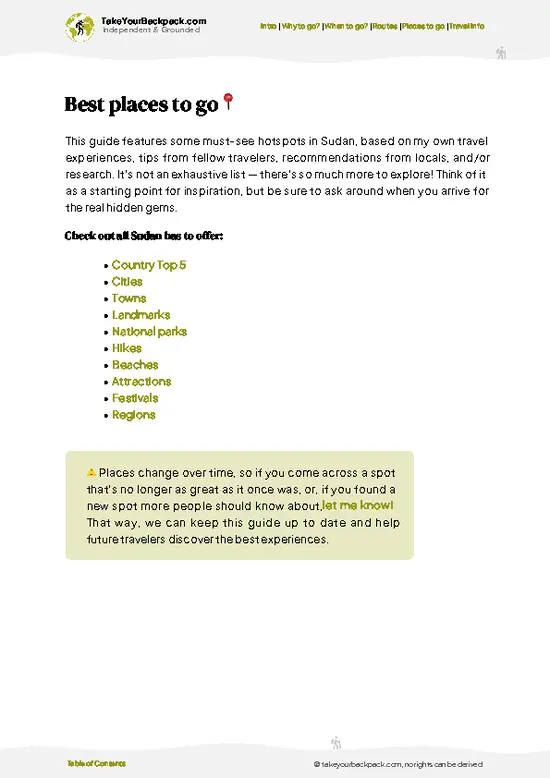
Let’s cut through the Instagram filters: the exterior of Al Kabir Coptic Cathedral isn’t some delicate, fairy-tale confection. It’s a fortress of faith, built with the kind of muscular, sand-colored stone that shrugs off both the Saharan sun and the weight of history. The architecture is unapologetically bold—think Romanesque arches, thick columns, and a dome that looks like it could outlast a siege. This isn’t just a church; it’s a statement. The real magic is standing in front of it and realizing you’re looking at a symbol of Sudanese Christian endurance, not a tourist prop.
The Interior: Light, Shadow, and Silence
Step inside and the chaos of Khartoum’s streets drops away. The nave is cavernous, cool, and surprisingly spare—no gold-plated excess, just honest stone and shafts of sunlight slicing through high windows. The air smells faintly of incense and old wood. It’s not about spectacle; it’s about atmosphere. If you’re lucky enough to catch a quiet moment, the silence here feels ancient, almost physical. This is where you feel the weight of centuries, not just see it.
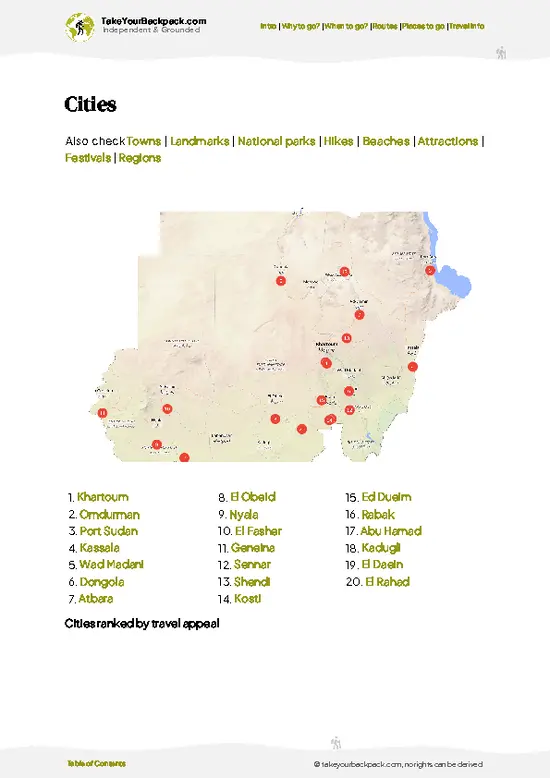
The Iconostasis: Art with a Pulse
Forget the mass-produced icons you see in souvenir shops. The iconostasis here is the real deal: hand-painted, deeply expressive, and worn smooth by decades of worship. The faces of saints and martyrs aren’t generic—they’re raw, almost defiant. You don’t need to be religious to feel the emotional punch. This is Sudanese Coptic art at its most alive, and it’s a window into a community that’s survived against the odds.
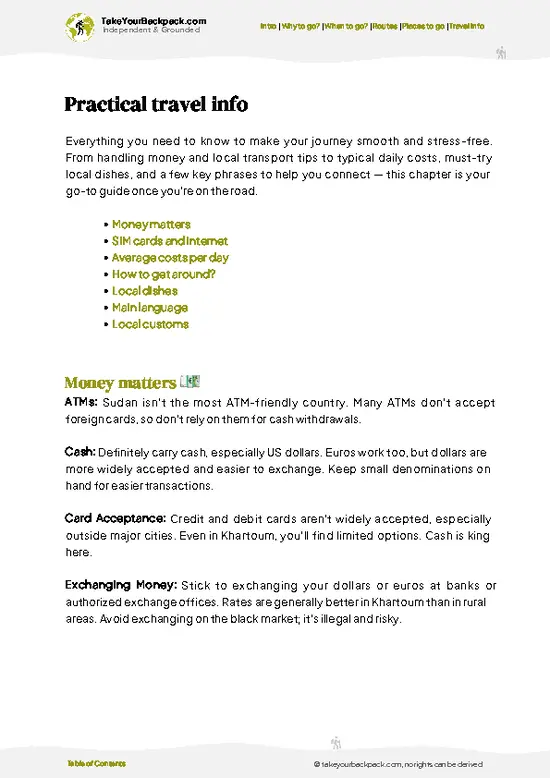
The Community: Faith in Action
Here’s the part the travel brochures skip: the cathedral isn’t a museum, it’s a living hub. If you visit during a service, you’ll see a congregation that’s fiercely proud and welcoming, singing hymns in Arabic and Coptic. The energy is contagious. I’ve been to cathedrals that feel like mausoleums—this one feels like a heartbeat. If you want to understand Sudan beyond the headlines, stand in the back during a Sunday service and just watch. This is the soul of the place, and it’s my personal favorite.
The Courtyard: A Pause from the World
Step outside and you’ll find a shaded courtyard dotted with benches and old trees. It’s not manicured or Instagram-perfect, but it’s real—a place where families gather, kids play, and elders swap stories. It’s the kind of spot where you can catch your breath, sip sweet tea, and watch daily life unfold. In a city that rarely slows down, this is a rare pocket of calm.
Honest Crowd Report
You won’t be elbowing your way through selfie-stick armies here. Most visitors are locals, not tour groups. That means you get authenticity, but also a responsibility: dress respectfully, ask before taking photos, and remember you’re a guest in someone’s sacred space. The reward? A genuine connection, not just a photo op.
Spotted a mistake or missing something? Contact us.

 Best Backpacking
.jpg) Hi, I’m Johan (Netherlands 🇳🇱), the creator of TakeYourBackpack. Over the past decade, I’ve backpacked through 80+ countries across six continents, gaining extensive experience with independent travel, long-term trips, and overland routes.
Hi, I’m Johan (Netherlands 🇳🇱), the creator of TakeYourBackpack. Over the past decade, I’ve backpacked through 80+ countries across six continents, gaining extensive experience with independent travel, long-term trips, and overland routes.