The Drum Makers’ Alley
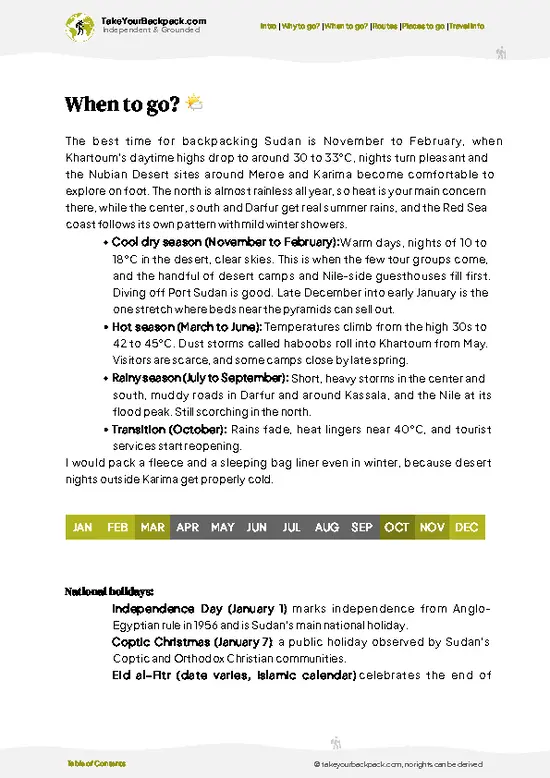
Skip the Instagram filters—this is the real soundtrack of Omdurman. Here, the air is thick with the thump and rattle of handmade drums. You’ll see craftsmen shaping goat skins and carving wood, not for show, but because this is how music is born in Sudan. The sellers will let you try the drums, and if you’re lucky, you’ll catch an impromptu jam session. It’s not a tourist performance; it’s the pulse of the city, and it’s loud, chaotic, and absolutely electric. This is my personal favorite—nothing else in the souq captures the raw, communal energy of Sudanese street life like this alley.
The Gold Market
Forget the sanitized jewelry shops you’ve seen elsewhere. Omdurman’s gold market is a maze of tiny stalls, each one stacked with bangles, necklaces, and wedding sets … read more 👉
Skip the Instagram filters—this is the real soundtrack of Omdurman. Here, the air is thick with the thump and rattle of handmade drums. You’ll see craftsmen shaping goat skins and carving wood, not for show, but because this is how music is born in Sudan. The sellers will let you try the drums, and if you’re lucky, you’ll catch an impromptu jam session. It’s not a tourist performance; it’s the pulse of the city, and it’s loud, chaotic, and absolutely electric. This is my personal favorite—nothing else in the souq captures the raw, communal energy of Sudanese street life like this alley.
The Gold Market
Forget the sanitized jewelry shops you’ve seen elsewhere. Omdurman’s gold market is a maze of tiny stalls, each one stacked with bangles, necklaces, and wedding sets … read more 👉
The Drum Makers’ Alley
Skip the Instagram filters—this is the real soundtrack of Omdurman. Here, the air is thick with the thump and rattle of handmade drums. You’ll see craftsmen shaping goat skins and carving wood, not for show, but because this is how music is born in Sudan. The sellers will let you try the drums, and if you’re lucky, you’ll catch an impromptu jam session. It’s not a tourist performance; it’s the pulse of the city, and it’s loud, chaotic, and absolutely electric. This is my personal favorite—nothing else in the souq captures the raw, communal energy of Sudanese street life like this alley.
The Gold Market
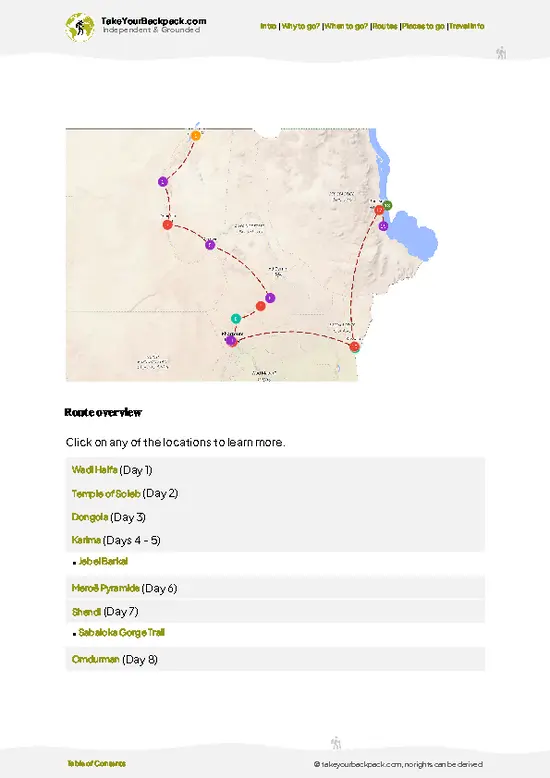
Forget the sanitized jewelry shops you’ve seen elsewhere. Omdurman’s gold market is a maze of tiny stalls, each one stacked with bangles, necklaces, and wedding sets that look like they belong in a sultan’s dowry. The bargaining is real—no price tags, just a dance of numbers and eyebrow raises. You’ll see families haggling over dowries, old men weighing gold on battered scales, and the occasional flash of a deal gone sour. It’s not cheap, but it’s pure theater, and the craftsmanship is the real deal—no mass-produced trinkets here.
The Spice Quarter
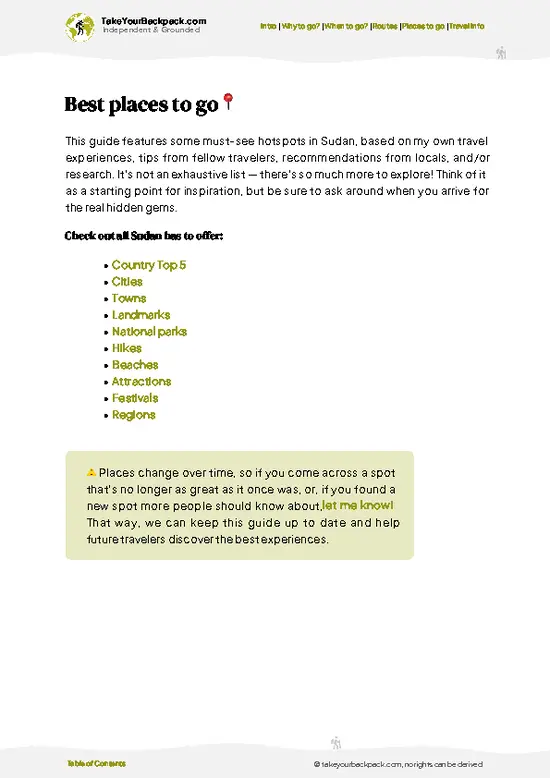
This is where your senses get hijacked. The air is heavy with cardamom, cinnamon, and the sharp tang of dried limes. Vendors scoop spices from burlap sacks, and you’ll see locals buying by the kilo, not the Instagram-friendly teaspoon. The colors are wild—deep reds, ochres, and greens—and the sellers will let you taste, sniff, and argue over the best blend for your tea or stew. It’s messy, loud, and unapologetically local. If you want to understand what Sudanese food actually tastes like, start here.
The Tea Ladies
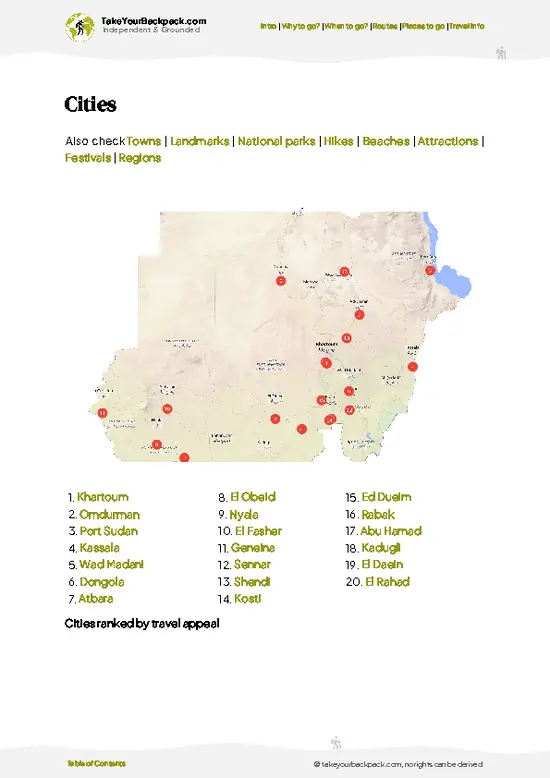
You’ll spot them by their low stools and battered kettles, brewing black tea thick with sugar and mint. These women are the unofficial social glue of the souq. Their tea is strong enough to wake the dead, and they’ll serve it with a side of gossip and sharp-eyed humor. Pull up a stool, order a glass, and you’ll get a crash course in Sudanese hospitality—no frills, no fuss, just the real thing.
Friday Evening Sufi Dancing (Hadra)
If you’re in Omdurman on a Friday, the souq spills over into the open spaces near the Hamid al-Nil Mosque, where Sufi dervishes whirl and chant in a trance-like celebration. This isn’t staged for tourists; it’s a living, breathing ritual that draws locals and pilgrims. The drumming, the singing, the hypnotic spinning—it’s raw, spiritual, and utterly unscripted. You’ll feel like you’ve stumbled into a secret, sacred world.
Skip the Instagram filters—this is the real soundtrack of Omdurman. Here, the air is thick with the thump and rattle of handmade drums. You’ll see craftsmen shaping goat skins and carving wood, not for show, but because this is how music is born in Sudan. The sellers will let you try the drums, and if you’re lucky, you’ll catch an impromptu jam session. It’s not a tourist performance; it’s the pulse of the city, and it’s loud, chaotic, and absolutely electric. This is my personal favorite—nothing else in the souq captures the raw, communal energy of Sudanese street life like this alley.
The Gold Market
Forget the sanitized jewelry shops you’ve seen elsewhere. Omdurman’s gold market is a maze of tiny stalls, each one stacked with bangles, necklaces, and wedding sets that look like they belong in a sultan’s dowry. The bargaining is real—no price tags, just a dance of numbers and eyebrow raises. You’ll see families haggling over dowries, old men weighing gold on battered scales, and the occasional flash of a deal gone sour. It’s not cheap, but it’s pure theater, and the craftsmanship is the real deal—no mass-produced trinkets here.
The Spice Quarter
This is where your senses get hijacked. The air is heavy with cardamom, cinnamon, and the sharp tang of dried limes. Vendors scoop spices from burlap sacks, and you’ll see locals buying by the kilo, not the Instagram-friendly teaspoon. The colors are wild—deep reds, ochres, and greens—and the sellers will let you taste, sniff, and argue over the best blend for your tea or stew. It’s messy, loud, and unapologetically local. If you want to understand what Sudanese food actually tastes like, start here.
The Tea Ladies
You’ll spot them by their low stools and battered kettles, brewing black tea thick with sugar and mint. These women are the unofficial social glue of the souq. Their tea is strong enough to wake the dead, and they’ll serve it with a side of gossip and sharp-eyed humor. Pull up a stool, order a glass, and you’ll get a crash course in Sudanese hospitality—no frills, no fuss, just the real thing.
Friday Evening Sufi Dancing (Hadra)
If you’re in Omdurman on a Friday, the souq spills over into the open spaces near the Hamid al-Nil Mosque, where Sufi dervishes whirl and chant in a trance-like celebration. This isn’t staged for tourists; it’s a living, breathing ritual that draws locals and pilgrims. The drumming, the singing, the hypnotic spinning—it’s raw, spiritual, and utterly unscripted. You’ll feel like you’ve stumbled into a secret, sacred world.
Spotted a mistake or missing something? Contact us.
v2.webp)

Best Backpacking
Hi, I’m Johan (Netherlands 🇳🇱), the creator of TakeYourBackpack. Over the past decade, I’ve backpacked through 80+ countries across six continents, gaining extensive experience with independent travel, long-term trips, and overland routes.