v2.webp)
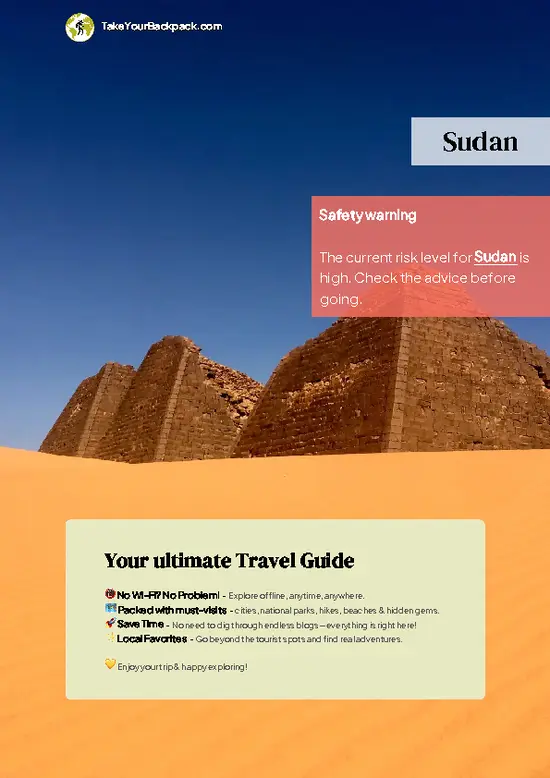
The Mahdi’s Bedroom
Forget the velvet ropes and sterile glass cases you find in most “historic homes.” The Khalifa House Museum lets you stand in the actual bedroom of the Mahdi—the man who toppled an empire and rewrote Sudanese history. The room is stripped-down, sun-bleached, and feels like it’s been left mid-story. You can almost hear the plotting and prayers that happened here. This isn’t a room for show; it’s a room that changed the fate of a nation. If you want to feel the pulse of Sudan’s revolutionary past, start here.
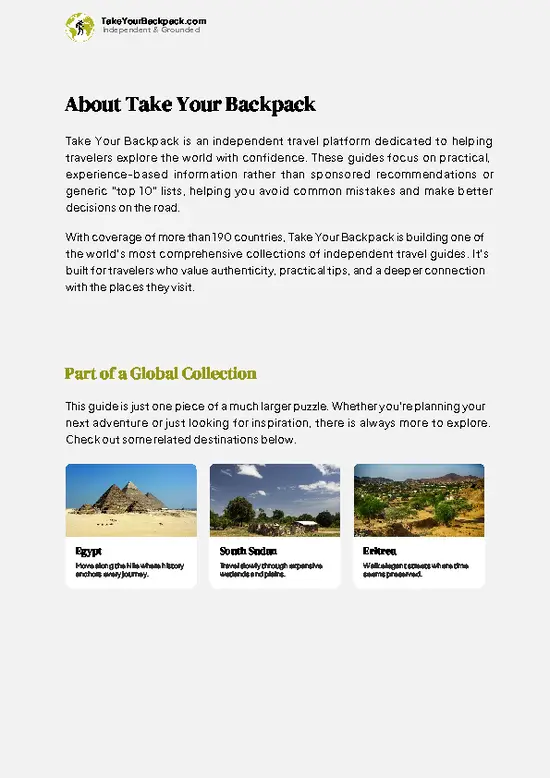
The Khalifa’s War Drum
This battered, oversized drum isn’t just a relic—it’s a survivor of the Mahdist wars. It thundered across battlefields, rallying fighters and terrifying colonial troops. The drum’s skin is cracked, its wood scarred, but it’s still imposing. You … read more 👉
Forget the velvet ropes and sterile glass cases you find in most “historic homes.” The Khalifa House Museum lets you stand in the actual bedroom of the Mahdi—the man who toppled an empire and rewrote Sudanese history. The room is stripped-down, sun-bleached, and feels like it’s been left mid-story. You can almost hear the plotting and prayers that happened here. This isn’t a room for show; it’s a room that changed the fate of a nation. If you want to feel the pulse of Sudan’s revolutionary past, start here.
The Khalifa’s War Drum
This battered, oversized drum isn’t just a relic—it’s a survivor of the Mahdist wars. It thundered across battlefields, rallying fighters and terrifying colonial troops. The drum’s skin is cracked, its wood scarred, but it’s still imposing. You … read more 👉
The Mahdi’s Bedroom
Forget the velvet ropes and sterile glass cases you find in most “historic homes.” The Khalifa House Museum lets you stand in the actual bedroom of the Mahdi—the man who toppled an empire and rewrote Sudanese history. The room is stripped-down, sun-bleached, and feels like it’s been left mid-story. You can almost hear the plotting and prayers that happened here. This isn’t a room for show; it’s a room that changed the fate of a nation. If you want to feel the pulse of Sudan’s revolutionary past, start here.
The Khalifa’s War Drum
This battered, oversized drum isn’t just a relic—it’s a survivor of the Mahdist wars. It thundered across battlefields, rallying fighters and terrifying colonial troops. The drum’s skin is cracked, its wood scarred, but it’s still imposing. You won’t find a more direct link to the chaos and charisma of the Mahdist movement. Stand next to it and you’ll understand why the British were so rattled.
Personal Effects of the Mahdi and Khalifa
Here’s where the Instagram crowd thins out. The museum’s collection of personal items—robes, swords, even the Mahdi’s prayer beads—are displayed with a kind of blunt honesty. No fancy lighting, no overblown captions. Just the real stuff, worn and used by the men who led a revolution. These aren’t props; they’re artifacts that still carry the weight of belief and bloodshed. If you’re tired of sanitized history, this is your antidote.
British-Era Prison Cells
The Khalifa House was more than a residence; it doubled as a fortress and, later, a prison. The cells are cramped, windowless, and brutally hot. There’s no attempt to soften the edges. You’ll feel the claustrophobia and desperation that must have haunted these walls. It’s a jarring contrast to the grand narratives outside, and it’s a necessary gut-check about the cost of empire and resistance.
The Rooftop View (Personal Favorite)
Climb the narrow stairs and you’ll get a view that’s worth every drop of sweat. The rooftop isn’t polished for tourists—there’s dust, there’s rust, and there’s a panorama of Omdurman that’s raw and real. You’ll see the sprawl of the city, the shimmer of the Nile, and the ghostly outline of the Mahdi’s tomb. It’s the kind of view that makes you feel like you’re standing at the crossroads of history, not just ticking off another sight. This is where the museum stops being a collection and starts being a living chapter of Sudan.
Handwritten Documents and Letters
If you’re a sucker for the texture of real history, don’t skip the display of original letters and decrees. The ink is faded, the Arabic script looping and urgent. These aren’t just bureaucratic leftovers—they’re the actual words that shaped the Mahdist state. There’s something electric about seeing the handwriting of people who changed the world, especially when it’s not behind bulletproof glass.
Forget the velvet ropes and sterile glass cases you find in most “historic homes.” The Khalifa House Museum lets you stand in the actual bedroom of the Mahdi—the man who toppled an empire and rewrote Sudanese history. The room is stripped-down, sun-bleached, and feels like it’s been left mid-story. You can almost hear the plotting and prayers that happened here. This isn’t a room for show; it’s a room that changed the fate of a nation. If you want to feel the pulse of Sudan’s revolutionary past, start here.
The Khalifa’s War Drum
This battered, oversized drum isn’t just a relic—it’s a survivor of the Mahdist wars. It thundered across battlefields, rallying fighters and terrifying colonial troops. The drum’s skin is cracked, its wood scarred, but it’s still imposing. You won’t find a more direct link to the chaos and charisma of the Mahdist movement. Stand next to it and you’ll understand why the British were so rattled.
Personal Effects of the Mahdi and Khalifa
Here’s where the Instagram crowd thins out. The museum’s collection of personal items—robes, swords, even the Mahdi’s prayer beads—are displayed with a kind of blunt honesty. No fancy lighting, no overblown captions. Just the real stuff, worn and used by the men who led a revolution. These aren’t props; they’re artifacts that still carry the weight of belief and bloodshed. If you’re tired of sanitized history, this is your antidote.
British-Era Prison Cells
The Khalifa House was more than a residence; it doubled as a fortress and, later, a prison. The cells are cramped, windowless, and brutally hot. There’s no attempt to soften the edges. You’ll feel the claustrophobia and desperation that must have haunted these walls. It’s a jarring contrast to the grand narratives outside, and it’s a necessary gut-check about the cost of empire and resistance.
The Rooftop View (Personal Favorite)
Climb the narrow stairs and you’ll get a view that’s worth every drop of sweat. The rooftop isn’t polished for tourists—there’s dust, there’s rust, and there’s a panorama of Omdurman that’s raw and real. You’ll see the sprawl of the city, the shimmer of the Nile, and the ghostly outline of the Mahdi’s tomb. It’s the kind of view that makes you feel like you’re standing at the crossroads of history, not just ticking off another sight. This is where the museum stops being a collection and starts being a living chapter of Sudan.
Handwritten Documents and Letters
If you’re a sucker for the texture of real history, don’t skip the display of original letters and decrees. The ink is faded, the Arabic script looping and urgent. These aren’t just bureaucratic leftovers—they’re the actual words that shaped the Mahdist state. There’s something electric about seeing the handwriting of people who changed the world, especially when it’s not behind bulletproof glass.
Spotted a mistake or missing something? Contact us.

 Best Backpacking
.jpg) Hi, I’m Johan (Netherlands 🇳🇱), the creator of TakeYourBackpack. Over the past decade, I’ve backpacked through 80+ countries across six continents, gaining extensive experience with independent travel, long-term trips, and overland routes.
Hi, I’m Johan (Netherlands 🇳🇱), the creator of TakeYourBackpack. Over the past decade, I’ve backpacked through 80+ countries across six continents, gaining extensive experience with independent travel, long-term trips, and overland routes.