v2.webp)
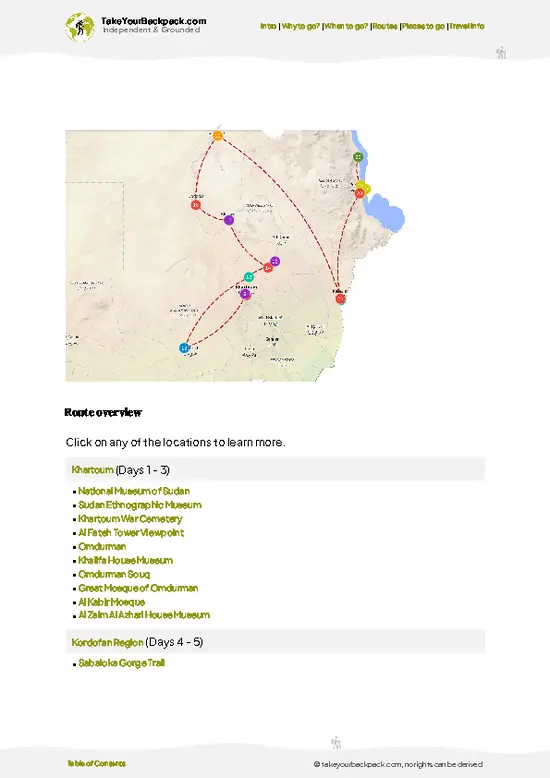
The Nubian Temples (Ground Floor, Outdoor Garden)
Let’s cut through the travel-brochure fog: the real showstopper here isn’t tucked behind glass, but standing bold in the museum’s garden. The National Museum of Sudan did something wild—when Lake Nasser threatened to swallow ancient Nubian temples, they moved them, stone by stone, to the museum grounds. You can walk right up to the Temple of Buhen or the Temple of Semna, brush your fingers over hieroglyphs that once faced the Nile, and feel the desert sun on your neck just like the priests did 3,500 years ago. No velvet ropes, no crowds jostling for selfies—just you, ancient stone, and the Sudanese sky. This is my personal favorite. It’s the closest you’ll get to time travel in Khartoum.
The Black Pharaohs’ Statues
Forget what you think you … read more 👉
Let’s cut through the travel-brochure fog: the real showstopper here isn’t tucked behind glass, but standing bold in the museum’s garden. The National Museum of Sudan did something wild—when Lake Nasser threatened to swallow ancient Nubian temples, they moved them, stone by stone, to the museum grounds. You can walk right up to the Temple of Buhen or the Temple of Semna, brush your fingers over hieroglyphs that once faced the Nile, and feel the desert sun on your neck just like the priests did 3,500 years ago. No velvet ropes, no crowds jostling for selfies—just you, ancient stone, and the Sudanese sky. This is my personal favorite. It’s the closest you’ll get to time travel in Khartoum.
The Black Pharaohs’ Statues
Forget what you think you … read more 👉
The Nubian Temples (Ground Floor, Outdoor Garden)
Let’s cut through the travel-brochure fog: the real showstopper here isn’t tucked behind glass, but standing bold in the museum’s garden. The National Museum of Sudan did something wild—when Lake Nasser threatened to swallow ancient Nubian temples, they moved them, stone by stone, to the museum grounds. You can walk right up to the Temple of Buhen or the Temple of Semna, brush your fingers over hieroglyphs that once faced the Nile, and feel the desert sun on your neck just like the priests did 3,500 years ago. No velvet ropes, no crowds jostling for selfies—just you, ancient stone, and the Sudanese sky. This is my personal favorite. It’s the closest you’ll get to time travel in Khartoum.
The Black Pharaohs’ Statues
Forget what you think you know about pharaohs. Sudan’s Kushite kings ruled Egypt as the 25th Dynasty, and their statues—towering, muscular, and unmistakably African—are the museum’s power move. These aren’t the sanitized, golden-boy pharaohs you see in Cairo. These are rulers who wore double crowns and stared down empires. The statues are battered but defiant, and standing in their shadow, you get a jolt of history that’s raw and unfiltered.
The Kerma Civilization Exhibit
Most travelers breeze past this, but that’s a rookie mistake. The Kerma display is a crash course in a civilization older than most of Egypt’s pyramids. You’ll see pottery that looks modern enough to eat your breakfast out of, and skulls with evidence of ancient surgery. The Kerma people were building cities while Europe was still in the Stone Age. The exhibit isn’t flashy, but it’s a quiet flex—proof that Sudan’s history isn’t just a footnote to Egypt’s.
Christian Frescoes from Faras
This is where the museum flips the script. Sudan wasn’t always Muslim, and the Christian frescoes rescued from Faras Cathedral are a riot of color and iconography. Saints with almond eyes, angels with Sudanese features, and a style that’s more Byzantine than Arab. It’s a visual reminder that Sudan’s story is layered, complicated, and refuses to fit in a single box.
The Meroitic Inscriptions and Artifacts
If you’re a codebreaker at heart, the Meroitic script will haunt you. It’s one of the world’s last undeciphered languages, and the museum has stelae and pottery covered in these mysterious glyphs. The artifacts themselves are beautiful, but it’s the sense of unsolved mystery that hooks you. You’re staring at a civilization’s diary, and nobody alive can read it. That’s real magic—no filter required.
Let’s cut through the travel-brochure fog: the real showstopper here isn’t tucked behind glass, but standing bold in the museum’s garden. The National Museum of Sudan did something wild—when Lake Nasser threatened to swallow ancient Nubian temples, they moved them, stone by stone, to the museum grounds. You can walk right up to the Temple of Buhen or the Temple of Semna, brush your fingers over hieroglyphs that once faced the Nile, and feel the desert sun on your neck just like the priests did 3,500 years ago. No velvet ropes, no crowds jostling for selfies—just you, ancient stone, and the Sudanese sky. This is my personal favorite. It’s the closest you’ll get to time travel in Khartoum.
The Black Pharaohs’ Statues
Forget what you think you know about pharaohs. Sudan’s Kushite kings ruled Egypt as the 25th Dynasty, and their statues—towering, muscular, and unmistakably African—are the museum’s power move. These aren’t the sanitized, golden-boy pharaohs you see in Cairo. These are rulers who wore double crowns and stared down empires. The statues are battered but defiant, and standing in their shadow, you get a jolt of history that’s raw and unfiltered.
The Kerma Civilization Exhibit
Most travelers breeze past this, but that’s a rookie mistake. The Kerma display is a crash course in a civilization older than most of Egypt’s pyramids. You’ll see pottery that looks modern enough to eat your breakfast out of, and skulls with evidence of ancient surgery. The Kerma people were building cities while Europe was still in the Stone Age. The exhibit isn’t flashy, but it’s a quiet flex—proof that Sudan’s history isn’t just a footnote to Egypt’s.
Christian Frescoes from Faras
This is where the museum flips the script. Sudan wasn’t always Muslim, and the Christian frescoes rescued from Faras Cathedral are a riot of color and iconography. Saints with almond eyes, angels with Sudanese features, and a style that’s more Byzantine than Arab. It’s a visual reminder that Sudan’s story is layered, complicated, and refuses to fit in a single box.
The Meroitic Inscriptions and Artifacts
If you’re a codebreaker at heart, the Meroitic script will haunt you. It’s one of the world’s last undeciphered languages, and the museum has stelae and pottery covered in these mysterious glyphs. The artifacts themselves are beautiful, but it’s the sense of unsolved mystery that hooks you. You’re staring at a civilization’s diary, and nobody alive can read it. That’s real magic—no filter required.
Spotted a mistake or missing something? Contact us.


 Best Backpacking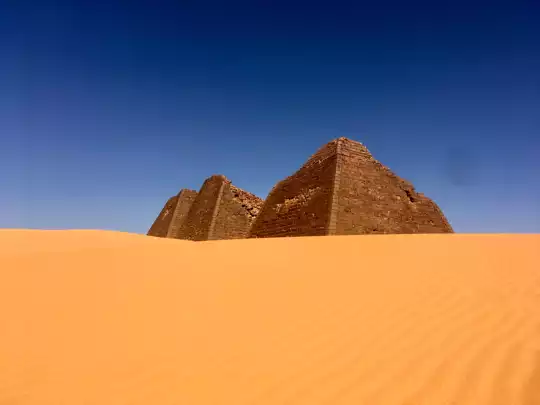
.jpg) Hi, I’m Johan (Netherlands 🇳🇱), the creator of TakeYourBackpack. Over the past decade, I’ve backpacked through 80+ countries across six continents, gaining extensive experience with independent travel, long-term trips, and overland routes.
Hi, I’m Johan (Netherlands 🇳🇱), the creator of TakeYourBackpack. Over the past decade, I’ve backpacked through 80+ countries across six continents, gaining extensive experience with independent travel, long-term trips, and overland routes.