×

Sudan🇸🇩 | townsTokerRed Sea foothills, cotton fields, Eritrean border | things to do and best time to go

Explore Abu JubaihaExplore Talodi

Backpacking in Toker
🌟 Highlighttown ranked #3
By Johan Kruseman 🇳🇱 | Updated September 3, 2026

Forget the idea that Toker is some bustling Red Sea resort or a Nile-side relic—this is a working Sudanese town, not a postcard backdrop. Toker sits in the far east of Sudan, tucked between the arid hills and the coastal plain, about an hour’s drive inland from Port Sudan. For backpackers, Toker is more pit stop than destination: a dusty, sun-bleached crossroads where the rhythm of daily life is slow, the market is the main event, and the air smells faintly of earth and livestock. The town’s real draw is its proximity to the Tokar Delta, a patchwork of green fields and birdlife that feels like a secret after the monotony of the desert highway. Don’t expect hostels or a buzzing café scene—accommodation is basic, and evenings are quiet, with locals gathering in tea stalls as the heat fades. Buses connect Toker to Port Sudan and Kassala, but schedules are loose and patience is essential. Costs are low, safety is typical for rural Sudan (cautious but not tense), and you’ll likely be the only foreigner in sight. Compared to Port Sudan’s port bustle or Kassala’s mountain drama, Toker is humble, practical, and refreshingly unhurried—a place to catch your breath, not chase the next thrill.

Discover everything you want to know in the 📖 Sudan Travel Guide.
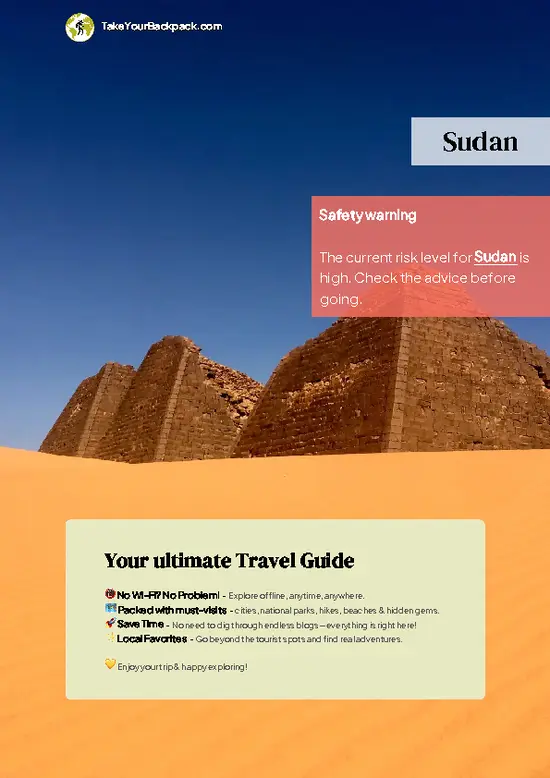
Safety warning

The current risk level for Sudan is high. Check the advice before going.


Get your Sudan guide
72 ranked highlights, routes & tips, works offline (291 pages)
Loading the map 🌍
CLICK TO FILTER
cities
towns
landmarks
national parks
hikes
beaches
attractions
festivals
regions
SHOW COUNTRY’S BESTSHOW ALL

✨ Why go?
Ranked #3 town in Sudan
Why visitors keep coming back

Backpackers flock to Toker for its strategic location along the route to stunning hikes and cultural sites. The walkable streets invite exploration, while small-scale guesthouses offer a cozy, friendly atmosphere. You can savor local dishes that burst with flavor, making meals a communal experience. Most travelers stay a few days, soaking in the laid-back vibe, perfect for slow travelers and solo adventurers. It’s not a party town; instead, it’s a place to recharge before heading to the nearby beaches or desert landscapes. If you appreciate a blend of culture and nature, Toker is your launchpad.
Want to include Toker in your Sudan route?
Create a personalized Sudan itinerary that includes Toker and the places that fit your trip — based on your travel style, budget, and available time. Get your route in seconds.

Generate my trip

💡 HighlightsMust-see experiences and standout moments

  • Tokar Delta (the agricultural plain) — The town sits at the head of a green coastal delta where small-scale irrigation turns salty shoreland into fields of sorghum, vegetables and date palms. Visiting gives a rare look at traditional Sudanese irrigation, seasonal farming rhythms, and excellent photo ops of patchwork fields against a Red Sea horizon.
  • Tokar town market — A lively, compact market where farmers and fishermen trade produce, dates and everyday goods. It’s the best place to sample fresh local food, watch bargaining in action, and get a direct feel for daily life in Tokar without any tourist gloss.
  • Date-palm groves and irrigation channels — Narrow lanes shaded by dense date palms and crossed by hand-worked irrigation channels. Walking these groves shows how water management shapes
read more 👉
  • Tokar Delta (the agricultural plain) — The town sits at the head of a green coastal delta where small-scale irrigation turns salty shoreland into fields of sorghum, vegetables and date palms. Visiting gives a rare look at traditional Sudanese irrigation, seasonal farming rhythms, and excellent photo ops of patchwork fields against a Red Sea horizon.
  • Tokar town market — A lively, compact market where farmers and fishermen trade produce, dates and everyday goods. It’s the best place to sample fresh local food, watch bargaining in action, and get a direct feel for daily life in Tokar without any tourist gloss.
  • Date-palm groves and irrigation channels — Narrow lanes shaded by dense date palms and crossed by hand-worked irrigation channels. Walking these groves shows how water management shapes life here; you can taste fresh dates and see traditional farming techniques up close.
Nearby day trips worth doing are the ruined island town of Suakin (my personal favorite for its labyrinthine Ottoman stonework), Port Sudan for diving and a livelier seaside city scene, and the Dungonab Bay Marine National Park for snorkeling and coastal wildlife.
Spotted a mistake or missing something? Contact us.
🏘️ NeighborhoodsUnderstanding the local layout

Toker, Sudan, is a vibrant crossroads where tradition meets the pulse of daily life. Here’s how to navigate its neighborhoods for the best backpacking experience:

Downtown Toker: This area buzzes with local markets and street vendors. It’s walkable, with affordable eats and shops. Perfect for short stays, you’ll soak in the local vibe while enjoying easy transport access to other parts of the city.

Al-Manshiya: A quieter residential zone, Al-Manshiya offers a more laid-back atmosphere. Ideal for longer stays, it’s less touristy, allowing you to connect with locals. The cost of living is lower here, but nightlife options are limited.

Khartoum Road: This bustling thoroughfare is great for nightlife. Bars and cafes line the street, making it lively after dark. It’s well-connected by public … read more 👉
Toker, Sudan, is a vibrant crossroads where tradition meets the pulse of daily life. Here’s how to navigate its neighborhoods for the best backpacking experience:

Downtown Toker: This area buzzes with local markets and street vendors. It’s walkable, with affordable eats and shops. Perfect for short stays, you’ll soak in the local vibe while enjoying easy transport access to other parts of the city.

Al-Manshiya: A quieter residential zone, Al-Manshiya offers a more laid-back atmosphere. Ideal for longer stays, it’s less touristy, allowing you to connect with locals. The cost of living is lower here, but nightlife options are limited.

Khartoum Road: This bustling thoroughfare is great for nightlife. Bars and cafes line the street, making it lively after dark. It’s well-connected by public transport, but can be noisy, so consider this for shorter visits.

⌛️ 1 dayHow to make the most of one day

Toker, Sudan, is a vibrant tapestry of culture and history, where the scent of spices mingles with the warm desert air. Start your morning at the bustling local market. The colors of fresh produce and the chatter of vendors create an electric atmosphere. Grab a traditional breakfast of ful medames—mashed fava beans drizzled with olive oil and served with warm bread.

In the afternoon, wander through the narrow streets of the Al-Mahdi neighborhood. This area is often overlooked by tourists but offers a genuine glimpse into daily life. Stop by a small café for a refreshing hibiscus tea, and chat with locals about their stories.

As the sun sets, head to the banks of the Nile. The golden light reflecting off the water is breathtaking. Enjoy a simple dinner at a riverside eatery, where grilled … read more 👉
Toker, Sudan, is a vibrant tapestry of culture and history, where the scent of spices mingles with the warm desert air. Start your morning at the bustling local market. The colors of fresh produce and the chatter of vendors create an electric atmosphere. Grab a traditional breakfast of ful medames—mashed fava beans drizzled with olive oil and served with warm bread.

In the afternoon, wander through the narrow streets of the Al-Mahdi neighborhood. This area is often overlooked by tourists but offers a genuine glimpse into daily life. Stop by a small café for a refreshing hibiscus tea, and chat with locals about their stories.

As the sun sets, head to the banks of the Nile. The golden light reflecting off the water is breathtaking. Enjoy a simple dinner at a riverside eatery, where grilled fish is the star. The day wraps up with the soothing sounds of the river, leaving you with a sense of connection to this unique place.
Turn your Toker visit into an Sudan adventure
Build a complete Sudan route with Toker, hidden gems, must-see destinations, and realistic travel times included.

Generate my trip

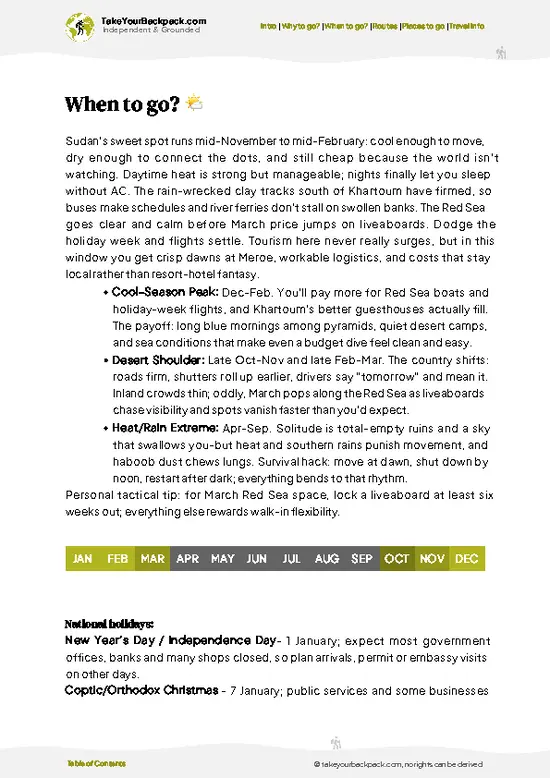
🌤️ When to go?When to go for the best experience


  • Weather: Toker’s climate is harshly hot and dry most of the year. The best window is between November and February when temperatures dip to a manageable 20-28°C (68-82°F), making trekking and exploring bearable rather than brutal.

  • Temperature: Outside the cooler months, daytime highs can soar above 40°C (104°F), turning every step into a test of endurance. Nights cool off but rarely below 20°C (68°F), so pack light layers for comfort.

  • Daylight Hours: Daylight is fairly consistent year-round, around 11-12 hours, but the cooler months offer softer morning and evening light—perfect for photography and avoiding the midday scorch.

  • Crowds: Tourist traffic is minimal year-round, but the cooler season sees a slight uptick as adventurous travelers seek relief from Sudan’s brutal heat. You’ll
read more 👉

  • Weather: Toker’s climate is harshly hot and dry most of the year. The best window is between November and February when temperatures dip to a manageable 20-28°C (68-82°F), making trekking and exploring bearable rather than brutal.

  • Temperature: Outside the cooler months, daytime highs can soar above 40°C (104°F), turning every step into a test of endurance. Nights cool off but rarely below 20°C (68°F), so pack light layers for comfort.

  • Daylight Hours: Daylight is fairly consistent year-round, around 11-12 hours, but the cooler months offer softer morning and evening light—perfect for photography and avoiding the midday scorch.

  • Crowds: Tourist traffic is minimal year-round, but the cooler season sees a slight uptick as adventurous travelers seek relief from Sudan’s brutal heat. You’ll still find plenty of solitude.

  • Seasonal Activities: November to February aligns with local festivals and market activity, adding cultural texture to your visit without the oppressive heat dulling your senses.

  • Price Fluctuations: Accommodation and transport prices remain steady, but booking during the cooler months ensures availability and better service as locals prepare for the influx.


Pro-tip: Arrive just before the cool season peaks to catch the transition—mornings crisp, days warming gently, and the town waking up from the heat’s hold. It’s the sweet spot where effort meets reward.


source: climatestotravel.comJANJanuary: excellent for travelingFEBFebruary: excellent for travelingMARMarch: good for travelingAPRApril: fair for travelingMAYMay: below average for travelingJUNJune: below average for travelingJULJuly: below average for travelingAUGAugust: below average for travelingSEPSeptember: fair for travelingOCTOctober: good for travelingNOVNovember: excellent for travelingDECDecember: excellent for traveling
when-to-go

✈️ The backpacker research shortcutSudan Travel Guide

An offline-friendly backpacking guide with optimized travel routes, ranked highlights, transport advice, and the best areas to stay.
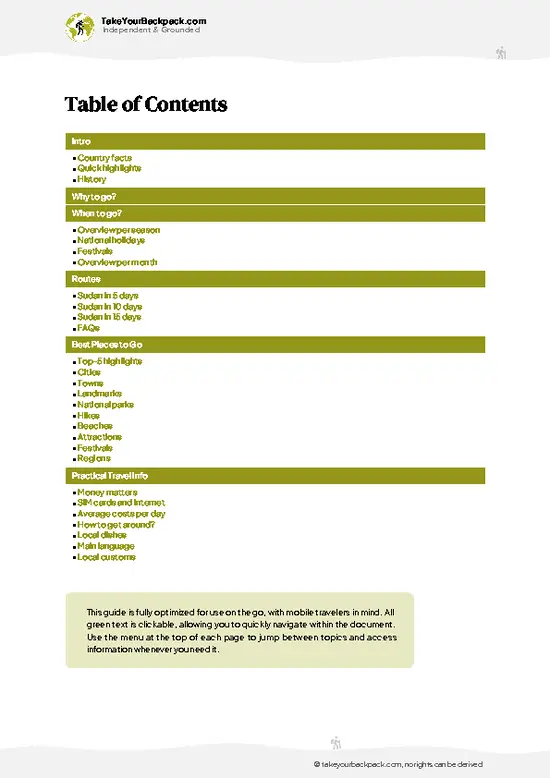
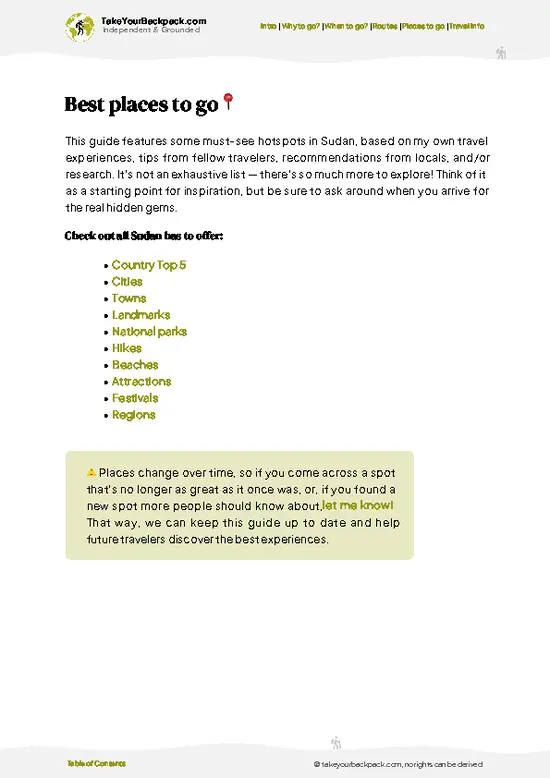
example page 0 from our offline Travel Guide for Sudan
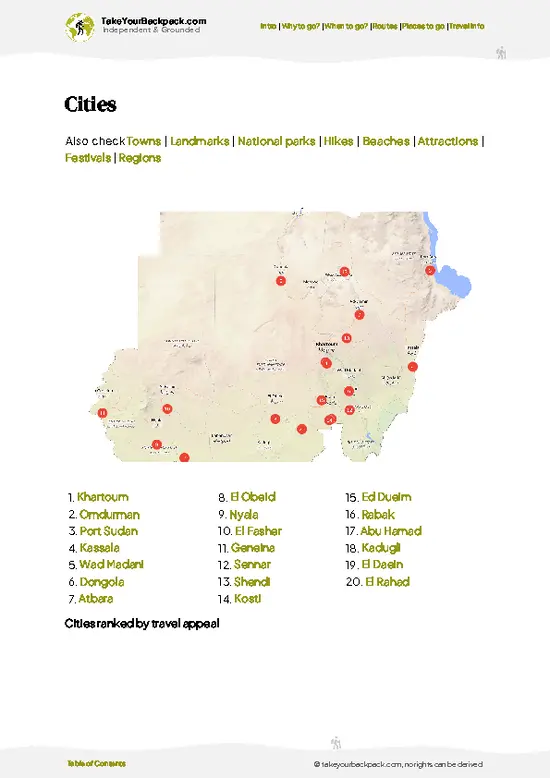
example page 1 from our offline Travel Guide for Sudan
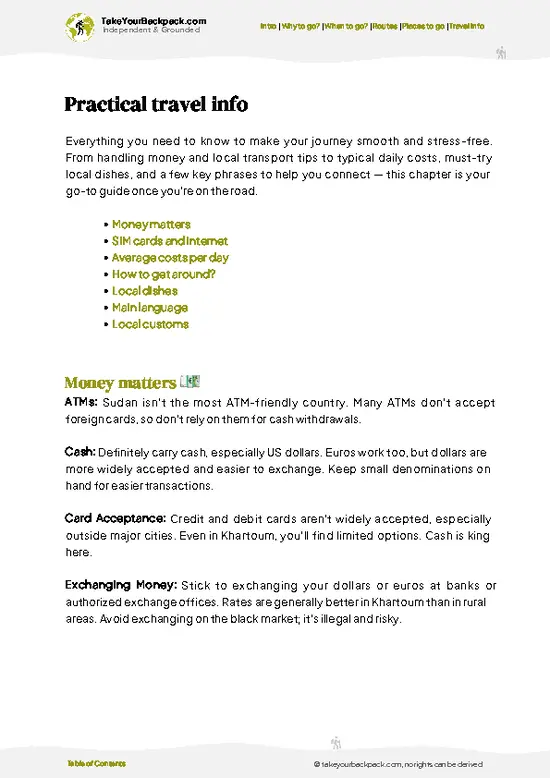
example page 2 from our offline Travel Guide for Sudan
example page 3 from our offline Travel Guide for Sudan
example page 4 from our offline Travel Guide for Sudan
example page 5 from our offline Travel Guide for Sudan
example page 6 from our offline Travel Guide for Sudan
example page 7 from our offline Travel Guide for Sudan
The digital guide (291 pages) contains:
72 highlights, ranked by travel appeal
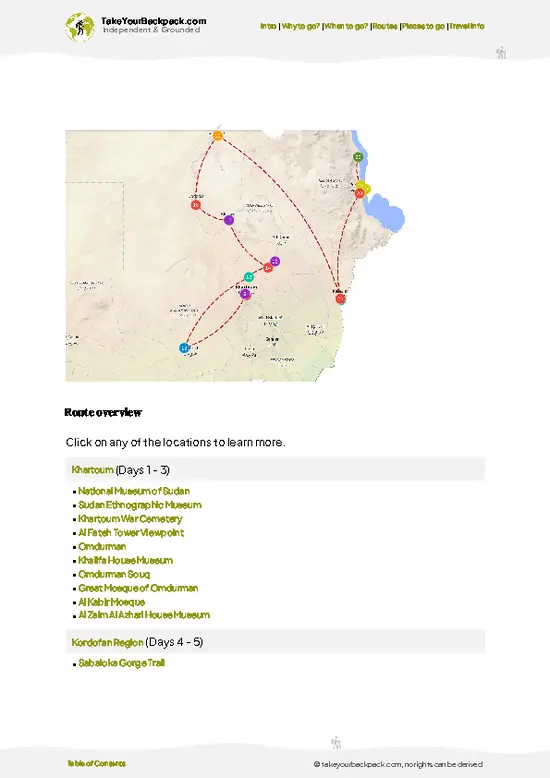
Optimized 5, 10 & 15-day travel routes
Cities, national parks, landmarks, beaches
How to get around
Offline-friendly for travel without Wi-Fi
👉 Click to see all 30+ guide features

📅 Plan smarter in minutes, not weeks
Month by month travel advice
Festivals & national holidays
Budget expectations

🗺️ Go to the right places, skip the overrated ones
Honest pros & cons of destinations
Top hikes, parks & viewpoints
Lesser-known places most travelers miss
Clear “worth it vs skip it” guidance

🛏️ Travel smoothly without rookie mistakes
Best areas to stay
Transport systems explained simply
Common scams & safety advice
SIM cards, money & practical tips

🌍 Understand the country, not just visit it
Culture & traditions
52 Essential phrases & customs
Festivals worth planning around
Traveler-friendly historical context
Insights that make places more meaningful

📱 Built for real travel conditions
Fully downloadable PDF
Works completely offline
Optimized for phone use
Useful in remote areas & buses
Everything in one place
Save weeks of stressful planning
Get instant access to your full guide. 30‑day money-back guarantee.
+ Add another guide for just US$7.80

By proceeding you agree to our terms.
Sent to your inbox immediately after payment • 100% Secure Checkout
Best Backpacking Travel Advisor 2025 tourism awardBest Backpacking
Travel Advisor
2025
What others say about Take Your Backpack Guides:
⭐⭐⭐⭐⭐
Fantastic, amazing amount of information!
⭐⭐⭐⭐⭐
My goodness this is amazing, it's what I've been looking for hats off too you!
⭐⭐⭐⭐⭐
I think this is absolutely BRILLIANT
⭐⭐⭐⭐
Very complete and informative. It's still missing places, but I gotta to commend you
⭐⭐⭐⭐⭐
This is truly amazing, thank you, can't wait to explore it with my kids!
⭐⭐⭐⭐⭐
Awesome resource, thank you!
⭐⭐⭐⭐⭐
This is amazing! Can't wait to explore the ones I haven't seen
⭐⭐⭐⭐
I love this! Well done, great idea.
⭐⭐⭐⭐⭐
Thanks for taking the time to make this gem!
⭐⭐⭐⭐⭐
This might be the best website I've ever seen.
⭐⭐⭐⭐⭐
Congratulations, and thank you so much for your work; it's incredibly valuable.
⭐⭐⭐⭐
In all seriousness I think you did a great job pointing out the important spots
⭐⭐⭐⭐⭐
10/10 very good
⭐⭐⭐⭐⭐
As someone who's only just starting to visit regularly this is awesome, thank you.
⭐⭐⭐⭐
Thank you very much! I'm going to visit my dad, it's going to be very useful!
⭐⭐⭐⭐⭐
This is really cool! We'll be travelling for the first time and this definitely come in handy.
⭐⭐⭐⭐⭐
You are now our minister of culture, congratulations 👨‍💼
⭐⭐⭐⭐⭐
Just wanted to tell you that this is a pearl! Going to follow your recommendations.
⭐⭐⭐⭐⭐
This is so cool. I'll definitely be using the resource for my travels soon.
⭐⭐⭐⭐⭐
This is very impressive! Good work.
⭐⭐⭐⭐⭐
This is an amazing and informative site. Very well done!

🛏️ Where to stay?Choosing the right base

In Toker, Sudan, the best spot for backpackers is the central district near the main market. This area hums with life from dawn till dusk—the scent of fresh spices mingling with the dry, sun-baked earth. It’s where you’ll find the most budget-friendly hostels, often simple but clean, with communal spaces that invite conversation. Staying here means you’re steps away from street vendors selling fresh bread and locals gathering over strong, sweet tea. It’s safe enough to wander after dark, thanks to the steady flow of people and the watchful eyes of shopkeepers.

Compared to the quieter, more residential … read more 👉
In Toker, Sudan, the best spot for backpackers is the central district near the main market. This area hums with life from dawn till dusk—the scent of fresh spices mingling with the dry, sun-baked earth. It’s where you’ll find the most budget-friendly hostels, often simple but clean, with communal spaces that invite conversation. Staying here means you’re steps away from street vendors selling fresh bread and locals gathering over strong, sweet tea. It’s safe enough to wander after dark, thanks to the steady flow of people and the watchful eyes of shopkeepers.

Compared to the quieter, more residential neighborhoods, this central hub offers a social pulse that solo travelers crave. You’ll bump into other backpackers swapping stories, making it easier to find company for day trips or evening strolls. The vibe is raw and authentic—no tourist bubble, just the real rhythm of Toker unfolding around you.

🚌 Getting aroundHow to get from A to B

Toker moves at its own rhythm—neither frantic nor sluggish, but a steady pulse that feels like the town’s heartbeat syncing with the dusty air and the distant calls of market vendors. The streets aren’t laid out like a clockwork machine; instead, they flow with a mix of planned stops and spontaneous detours. You’ll find that timing here is less about strict schedules and more about catching the right moment—like hopping on a bus just as the sun softens the edges of the day. The scent of fresh bread from corner bakeries mingles with the earthy aroma of the nearby fields, reminding you that every journey in Toker is as much about soaking in the atmosphere as it is about getting from A to B.


  • Walking: The most reliable and immersive way to navigate Toker. Streets are compact and pedestrian-friendly,
read more 👉
Toker moves at its own rhythm—neither frantic nor sluggish, but a steady pulse that feels like the town’s heartbeat syncing with the dusty air and the distant calls of market vendors. The streets aren’t laid out like a clockwork machine; instead, they flow with a mix of planned stops and spontaneous detours. You’ll find that timing here is less about strict schedules and more about catching the right moment—like hopping on a bus just as the sun softens the edges of the day. The scent of fresh bread from corner bakeries mingles with the earthy aroma of the nearby fields, reminding you that every journey in Toker is as much about soaking in the atmosphere as it is about getting from A to B.


  • Walking: The most reliable and immersive way to navigate Toker. Streets are compact and pedestrian-friendly, with most key spots reachable within 20 to 30 minutes on foot. Walking lets you catch the subtle shifts in light and sound that define the town’s character—plus, it’s free and flexible.


  • Minibus: These shared minibuses run from early morning around 6:30 AM until about 7 PM. Fares hover around a dollar or less, making them the budget traveler’s go-to for longer distances. They’re not the fastest—expect frequent stops and a bit of crowding—but they offer a genuine slice of local life and a chance to chat with residents.


  • Motorcycle Taxi (Boda Boda): For when you need speed and don’t mind a bit of wind in your face. Available all day and into the evening, prices are negotiable but generally affordable for short hops. They’re nimble enough to weave through traffic and get you to less accessible spots quickly, though safety gear is minimal.


  • Regular Bus: Larger buses connect Toker to nearby towns and the regional hub. They run on a looser schedule, often departing when full rather than on the hour, so patience is key. Tickets cost a few dollars, and the ride can be bumpy but offers a window into the broader landscape beyond town.

👛 Costs (as of 3 September 2026)Money, prices, and spending tips

Backpacking in Toker, Sudan, means embracing a raw, unfiltered experience where every dollar counts and every interaction feels genuine. Here’s how your daily expenses typically break down:
  • Dorm Accommodation: Expect basic guesthouses or small hostels with shared rooms. Prices hover around $5 to $10 per night. These places are simple—think a fan, a thin mattress, and a shared bathroom—but they put you right in the heart of town life.
  • Meals: Street food and local eateries dominate here. A filling meal of traditional Sudanese dishes like fuul or kisra with stew will cost between $2 and $4. If you opt for something more substantial or a small café, budget up to $6 per meal. Freshly brewed tea or coffee is cheap and ubiquitous, usually under $1.
  • Local Transport: Toker is small enough to explore
read more 👉
Backpacking in Toker, Sudan, means embracing a raw, unfiltered experience where every dollar counts and every interaction feels genuine. Here’s how your daily expenses typically break down:
  • Dorm Accommodation: Expect basic guesthouses or small hostels with shared rooms. Prices hover around $5 to $10 per night. These places are simple—think a fan, a thin mattress, and a shared bathroom—but they put you right in the heart of town life.
  • Meals: Street food and local eateries dominate here. A filling meal of traditional Sudanese dishes like fuul or kisra with stew will cost between $2 and $4. If you opt for something more substantial or a small café, budget up to $6 per meal. Freshly brewed tea or coffee is cheap and ubiquitous, usually under $1.
  • Local Transport: Toker is small enough to explore mostly on foot, but for longer trips or to nearby villages, shared minibuses or tuk-tuks run about $0.50 to $1 per ride. It’s a dirt-road town, so rides can be bumpy and slow, but they’re part of the authentic rhythm here.
  • Basic Activities/Entry Fees: There aren’t many formal tourist sites with entry fees in Toker. If you visit local markets or cultural spots, any fees are minimal—usually under $1. The real cost is time and curiosity, soaking in the atmosphere and chatting with locals.
  • Miscellaneous Expenses: Water, snacks, and small essentials like SIM cards or toiletries add up to around $1 to $3 daily. Bottled water is a must in this dry climate, and it’s cheap but essential for staying hydrated.

All told, you’re looking at roughly $10 to $20 per day to cover the essentials in Toker. It’s a place where the simplicity of life strips away the tourist gloss and leaves you with something more elemental. The modest costs reflect the town’s pace and scale, but they also open the door to a deeply grounded experience that’s about connection, not convenience.


source: sudan.gov.sd
⚠️ Prices can change and everyone travels differently, so take this as a rough guide. Hope it helps you plan your adventure!

🚌 Day tripsEasy escapes and nearby places

Toker, Sudan, is a backpacker’s dream base for exploring the rich tapestry of the region. With its vibrant local life and easy access to stunning landscapes, you’ll find day trips that are both rewarding and manageable.

Trip to the Pyramids of Meroë
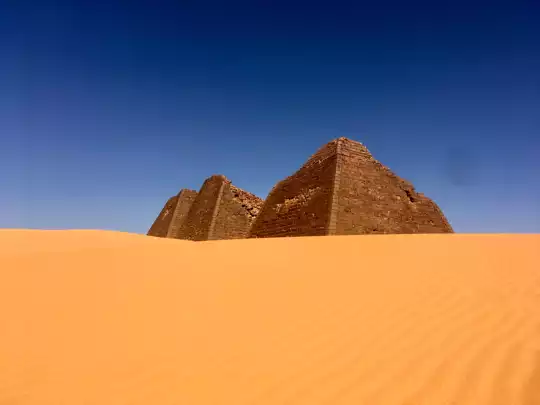
Just a few hours from Toker, the Pyramids of Meroë stand as a testament to ancient Nubian civilization. The journey takes about three hours by bus, costing around $5. The sight of these pyramids against the desert backdrop is breathtaking, especially at sunrise when the light dances on the sand. Many first-timers underestimate the heat; bring plenty of water and a wide-brimmed hat. The best time to visit is between November and February when temperatures are milder.


Visit to the Red Sea Coast
A day trip to the Red Sea coast offers a refreshing … read more 👉
Toker, Sudan, is a backpacker’s dream base for exploring the rich tapestry of the region. With its vibrant local life and easy access to stunning landscapes, you’ll find day trips that are both rewarding and manageable.

Trip to the Pyramids of Meroë
Just a few hours from Toker, the Pyramids of Meroë stand as a testament to ancient Nubian civilization. The journey takes about three hours by bus, costing around $5. The sight of these pyramids against the desert backdrop is breathtaking, especially at sunrise when the light dances on the sand. Many first-timers underestimate the heat; bring plenty of water and a wide-brimmed hat. The best time to visit is between November and February when temperatures are milder.


Visit to the Red Sea Coast
A day trip to the Red Sea coast offers a refreshing escape. It’s about a two-hour drive, and you can expect to spend around $10 for transport. The vibrant coral reefs are perfect for snorkeling, and the salty breeze is invigorating. Avoid the mistake of forgetting your gear; renting can be pricey. Late afternoon is ideal for a dip, as the sun softens and the water warms.
👉 Explore Red Sea Coast

Exploration of the Nubian Village
Head to a nearby Nubian village for an authentic cultural experience. It’s a short 30-minute ride, costing around $3. The colorful houses and friendly locals create an inviting atmosphere. Engage with the community, but remember to ask before taking photos. The best time to visit is during the morning when the village is bustling with activity.
Want to know what more Sudan offers?
The Sudan Travel Guide describes 72 highlights, from cities to national parks, from beaches to hikes

Get the Travel Guide -

🛡️ SafetyScams, Hazards, and Annoyances

Toker is generally safe, but staying aware is key. Stick to well-lit areas at night; the streets can feel quiet, and a little caution goes a long way. Solo travelers should blend in—avoid flashy gear and keep your phone tucked away.

Scams are rare, but be mindful of overly friendly locals who might steer you toward shops with inflated prices. Trust your instincts; if something feels off, it probably is. Carry yourself with confidence, and you’ll navigate Toker smoothly, soaking in its authentic charm without a hitch.

FAQCommon questions from travelers

Toker is primarily a stopover rather than a destination, known for its proximity to the Red Sea and as a gateway to the Suakin Archipelago. It offers limited tourist infrastructure and attractions, making it more suitable for travelers passing through or heading to nearby diving spots.
One day is generally sufficient to experience Toker, as the town itself is small and most visitors use it as a base for diving or boat trips to nearby islands. Staying longer is only necessary if you plan to explore the marine life or relax by the coast.
Yes, Toker can be visited as a day trip from Port Sudan, which is about 30 kilometers away. The journey takes roughly 45 minutes by car, making it feasible for a quick visit to the coast or to arrange diving excursions.
⚠️ Things can change over time, so always validate details locally before you go.

Other Sudanese towns near Toker

Explore more nearby:

  • Karima—Jebel Barkal, ancient temples, desert oasis
  • Wadi Halfa—Lake Nubia port, Egyptian border, ferry terminal
  • Abu Jubaiha—Kordofan woodlands, seasonal streams, rural markets

💡 Not sure where to go next?
Create a personalized itinerary for Sudan including Toker and the places that fit your trip.

Generate my itinerary

👉 Discover all towns

Or checkout all Sudan has to offer (think cities, towns, villages, national parks, hikes, beaches, festivals)
Country photo of Sudan

We 💚 feedbackIs it worth it?

Toker’s charm lies in its vibrant local markets, where the air is thick with spices and laughter. But be ready for the heat; it can be relentless. Embrace the sweat, and you’ll find the warmth of the people makes every drop worth it.

✈️ When did I visit Sudan?
Sudan I visited back in October 2017. I combined the trip with a visit to Ethiopia.

✍️ Help improve this page!
The information on this page is based on my own backpacking experience in Sudan, supplemented with up-to-date research and feedback from other travelers. Travel details can change, so if you notice anything outdated or incomplete, feel free to let me know.


🙋‍♂️ Give feedback

👋 Meet the founderWho’s Behind Take Your Backpack?

Johan, backpacker and founder of TakeYourBackpackHi, I’m Johan (Netherlands 🇳🇱), the creator of TakeYourBackpack. Over the past decade, I’ve backpacked through 80+ countries across six continents, gaining extensive experience with independent travel, long-term trips, and overland routes.

This site is built on a combination of firsthand travel experience and carefully curated insights from other backpackers. Many guides are based on places I’ve personally visited, while others bring together tips, observations, and practical advice shared by trusted travelers I’ve met along the way.

The goal is to provide realistic, experience-driven guidance — not generic itineraries — so you can explore destinations with better context, clearer expectations, and more confidence.

Get full Sudan guide •
Instant download • 72 highlights • Full Offline guide