×

Sudan🇸🇩 | townsAbu JubaihaKordofan woodlands, seasonal streams, rural markets | things to do and best time to go

Explore ZalingeiExplore Toker

Backpacking in Abu Jubaiha
👌 Worth visitingtown ranked #15
By Johan Kruseman 🇳🇱 | Updated June 8, 2026

You’re standing in Abu Jubaiha just after sunrise, the air still cool, dust swirling in gold light as a donkey cart rattles past. This is southeastern Sudan, deep in South Kordofan, where the town sits at the edge of the Nuba Mountains. Abu Jubaiha isn’t a destination for bucket-list sights; it’s a crossroads town, practical and raw, with a market that smells of groundnuts and woodsmoke, and streets that feel more like a gathering place than a tourist draw. It’s a useful stop for overlanders heading between Kosti and Kadugli, or for those chasing the region’s rugged landscapes. Expect basic transport—buses, battered pickups, maybe a shared taxi if you’re lucky—and little in the way of backpacker infrastructure. Evenings are slow, social only if you make the effort; you’ll likely be the only foreigner in town. Costs are low, but so is comfort. Compared to busier hubs like El Obeid, Abu Jubaiha is quieter, less polished, and more about the journey than the destination.

Discover everything you want to know in the 📖 Sudan Travel Guide.
Safety warning

The current risk level for Sudan is high. Check the advice before going.


Get your Sudan guide
72 ranked highlights, routes & tips, works offline (300 pages)
Loading the map 🌍
CLICK TO FILTER
cities
towns
landmarks
national parks
hikes
beaches
attractions
festivals
regions
SHOW COUNTRY’S BESTSHOW ALL

✨ Why go?
Ranked #15 town in Sudan
Why visitors keep coming back

Backpackers flock to Abu Jubaiha for its strategic location along the route to Sudan’s stunning hikes and cultural sites. The town serves as a convenient base, with small-scale hostels and guesthouses that offer a cozy atmosphere for weary travelers. Streets are walkable, inviting you to explore local food stalls where the aroma of spices fills the air. Here, you’ll find a mix of slow travelers and hikers, often lingering a few days to soak in the laid-back vibe. The social atmosphere is friendly but not overwhelming, making it perfect for solo adventurers or small groups looking to connect without the chaos of nightlife. It’s a place where the journey feels as rewarding as the destination.
Want to include Abu Jubaiha in your Sudan route?
Create a personalized Sudan itinerary that includes Abu Jubaiha and the places that fit your trip — based on your travel style, budget, and available time. Get your route in seconds.

Generate my trip

💡 HighlightsEssential experiences to have while visiting Abu Jubaiha

  1. Abu Jubaiha Souq (Central Market) — The town’s beating heart: a daily/weekly market where farmers sell sorghum, millet, vegetables and livestock, and where traders and locals meet. It’s the best spot to see daily life, sample street food, and pick up locally made goods.
  2. Central Friday Mosque (Jamiʿ al-Jumʿa) — The main mosque where the community gathers for Friday prayers and civic conversation. Visiting lets you observe local religious life and the rhythms that structure the town’s week.
  3. Traditional Nuba Craft Stalls — Small clusters of artisans and traders in and around the souq offering beadwork, woven goods, and simple wooden items from nearby Nuba villages. Good for seeing regional craftsmanship and buying authentic souvenirs directly from makers.
Nearby day trips worth doing are Kadugli … read more 👉
  1. Abu Jubaiha Souq (Central Market) — The town’s beating heart: a daily/weekly market where farmers sell sorghum, millet, vegetables and livestock, and where traders and locals meet. It’s the best spot to see daily life, sample street food, and pick up locally made goods.
  2. Central Friday Mosque (Jamiʿ al-Jumʿa) — The main mosque where the community gathers for Friday prayers and civic conversation. Visiting lets you observe local religious life and the rhythms that structure the town’s week.
  3. Traditional Nuba Craft Stalls — Small clusters of artisans and traders in and around the souq offering beadwork, woven goods, and simple wooden items from nearby Nuba villages. Good for seeing regional craftsmanship and buying authentic souvenirs directly from makers.
Nearby day trips worth doing are Kadugli (the South Kordofan state capital with larger markets and regional admin buildings), Dilling (another nearby market town), and the Nuba Mountains area around Kauda for village culture and landscapes — Kauda is my personal favorite.
Spotted a mistake or missing something? Contact us.

🏘️ NeighborhoodsKey areas and districts to know

Abu Jubaiha offers a unique blend of culture and practicality for backpackers. Each neighborhood has its own character, making it essential to choose wisely.

Downtown: This is the heartbeat of Abu Jubaiha. Bustling markets and street vendors fill the air with the scent of spices. It’s walkable, with affordable accommodations. Nightlife is low-key, perfect for those who prefer a quiet evening after a day of exploration. Great for short stays.

Al-Manshiya: A bit quieter, this area boasts local eateries and coffee shops. The vibe is relaxed, ideal for longer stays. Transport access is decent, with local buses connecting you to the rest of town. You’ll find a mix of budget and mid-range options here.

Al-Hawash: Known for its vibrant community feel, this neighborhood is lively but not overwhelming. … read more 👉
Abu Jubaiha offers a unique blend of culture and practicality for backpackers. Each neighborhood has its own character, making it essential to choose wisely.

Downtown: This is the heartbeat of Abu Jubaiha. Bustling markets and street vendors fill the air with the scent of spices. It’s walkable, with affordable accommodations. Nightlife is low-key, perfect for those who prefer a quiet evening after a day of exploration. Great for short stays.

Al-Manshiya: A bit quieter, this area boasts local eateries and coffee shops. The vibe is relaxed, ideal for longer stays. Transport access is decent, with local buses connecting you to the rest of town. You’ll find a mix of budget and mid-range options here.

Al-Hawash: Known for its vibrant community feel, this neighborhood is lively but not overwhelming. It’s a good spot for socializing, with a few bars and cafes. Walkability is decent, but you might want to use local transport for longer distances. Suitable for both short and extended visits.

⌛️ 1 dayWhat you can realistically do in a day

Abu Jubaiha, a town steeped in Sudanese culture, offers a glimpse into daily life far removed from the typical tourist trail. The air is thick with the scent of spices and the sounds of bustling markets, inviting you to explore its vibrant streets.

Start your morning at the local market, where vendors display colorful produce and handmade crafts. The early light casts a warm glow on the stalls, and the chatter of locals creates a lively atmosphere. Grab a fresh breakfast of ful medames—mashed fava beans seasoned with olive oil and spices—at a nearby café. It’s a hearty way to fuel your day.

In the afternoon, wander through the Al-Mahdi neighborhood. Here, you’ll find traditional mud-brick houses and friendly faces. Stop by the small, often-overlooked Al-Huda Mosque. Its intricate architecture … read more 👉
Abu Jubaiha, a town steeped in Sudanese culture, offers a glimpse into daily life far removed from the typical tourist trail. The air is thick with the scent of spices and the sounds of bustling markets, inviting you to explore its vibrant streets.

Start your morning at the local market, where vendors display colorful produce and handmade crafts. The early light casts a warm glow on the stalls, and the chatter of locals creates a lively atmosphere. Grab a fresh breakfast of ful medames—mashed fava beans seasoned with olive oil and spices—at a nearby café. It’s a hearty way to fuel your day.

In the afternoon, wander through the Al-Mahdi neighborhood. Here, you’ll find traditional mud-brick houses and friendly faces. Stop by the small, often-overlooked Al-Huda Mosque. Its intricate architecture and serene courtyard provide a peaceful respite. Take a moment to breathe in the jasmine-scented air and soak in the tranquility.

As evening approaches, head to the banks of the nearby river. The sunset paints the sky in hues of orange and pink, a perfect backdrop for reflection. Enjoy a simple dinner at a local eatery, where the flavors of Sudanese cuisine come alive.

This day in Abu Jubaiha isn’t just about sights; it’s about connecting with the heart of Sudan.
Turn your Abu Jubaiha visit into an Sudan adventure
Build a complete Sudan route with Abu Jubaiha, hidden gems, must-see destinations, and realistic travel times included.

Generate my trip

🌤️ When to go?Best time to visit Abu Jubaiha


  • Topic: Weather and Temperature: Abu Jubaiha’s climate swings sharply. From November to February, temperatures hover between 20-28°C (68-82°F), offering relief from the scorching heat of summer, which can soar past 40°C (104°F). This cooler window makes trekking and exploring far more comfortable.

  • Topic: Daylight Hours: Days are fairly consistent year-round, with roughly 11 to 12 hours of daylight. However, the cooler months bring softer, less harsh sunlight, making early mornings and late afternoons ideal for outdoor activities without frying your skin.

  • Topic: Crowds and Local Life: Tourism is minimal year-round, but visiting during the cooler season means locals are more active outdoors, markets buzz with fresh produce, and you catch authentic daily rhythms without the oppressive heat
read more 👉

  • Topic: Weather and Temperature: Abu Jubaiha’s climate swings sharply. From November to February, temperatures hover between 20-28°C (68-82°F), offering relief from the scorching heat of summer, which can soar past 40°C (104°F). This cooler window makes trekking and exploring far more comfortable.

  • Topic: Daylight Hours: Days are fairly consistent year-round, with roughly 11 to 12 hours of daylight. However, the cooler months bring softer, less harsh sunlight, making early mornings and late afternoons ideal for outdoor activities without frying your skin.

  • Topic: Crowds and Local Life: Tourism is minimal year-round, but visiting during the cooler season means locals are more active outdoors, markets buzz with fresh produce, and you catch authentic daily rhythms without the oppressive heat driving everyone indoors.

  • Topic: Seasonal Activities: The dry season (November to March) is prime for hiking and cultural visits. The rainy season (April to October) brings lush landscapes but also muddy trails and occasional travel disruptions, so plan accordingly if you want uninterrupted adventure.

  • Topic: Price Fluctuations: Prices for accommodation and guides tend to dip during the hotter months due to lower demand. However, the trade-off is enduring extreme heat and limited outdoor activity, so spending a bit more in the cooler months pays off in comfort and experience.


Pro-tip: Aim for late November to early February—cooler air, lively streets, and smooth trails combine to make Abu Jubaiha feel like a place you’ve earned, not just endured.


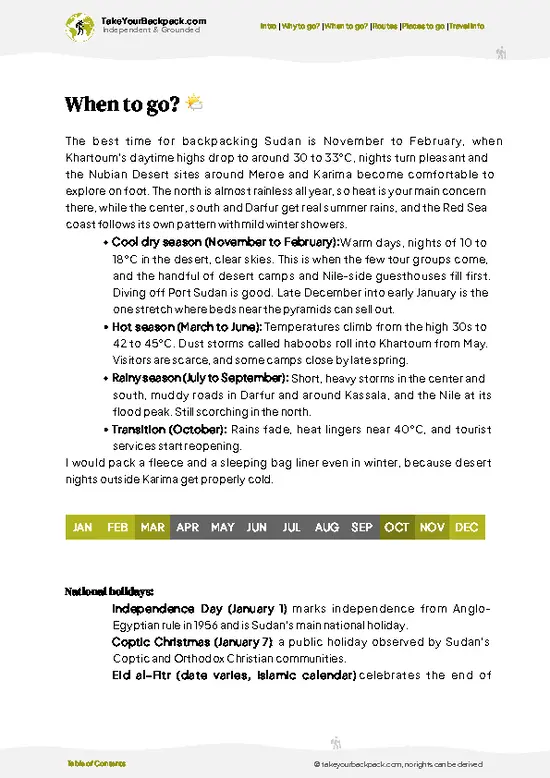
source: climatestotravel.comJANJanuary: excellent for travelingFEBFebruary: excellent for travelingMARMarch: highly recommended for travelingAPRApril: fair for travelingMAYMay: fair for travelingJUNJune: below average for travelingJULJuly: below average for travelingAUGAugust: below average for travelingSEPSeptember: fair for travelingOCTOctober: fair for travelingNOVNovember: highly recommended for travelingDECDecember: excellent for traveling
when-to-go

✈️ The backpacker research shortcutSudan Travel Guide

An offline-friendly backpacking guide with optimized travel routes, ranked highlights, transport advice, and the best areas to stay.
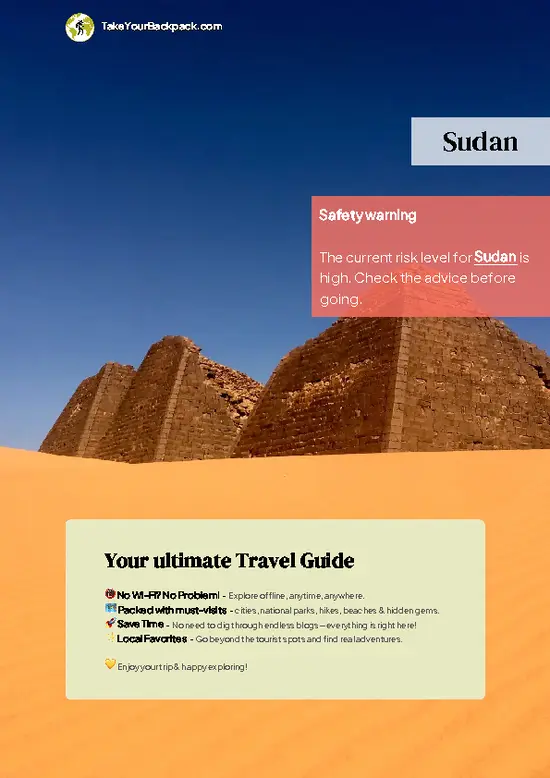
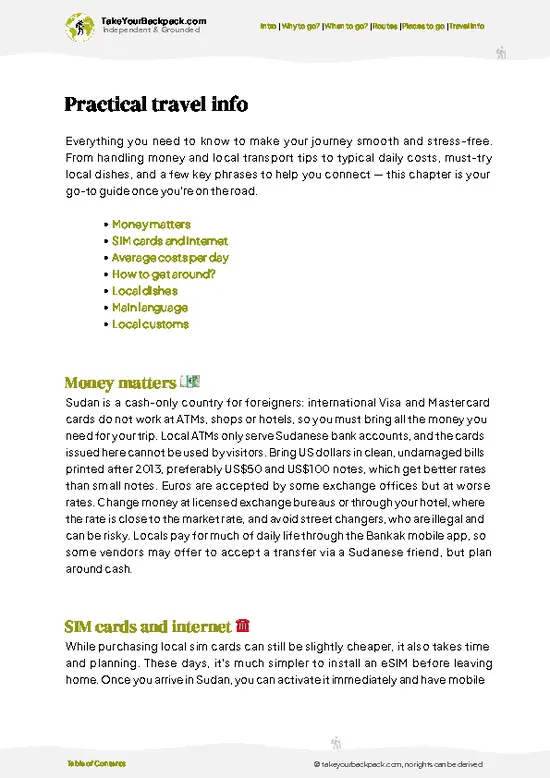
example page 0 from our offline Travel Guide for Sudan
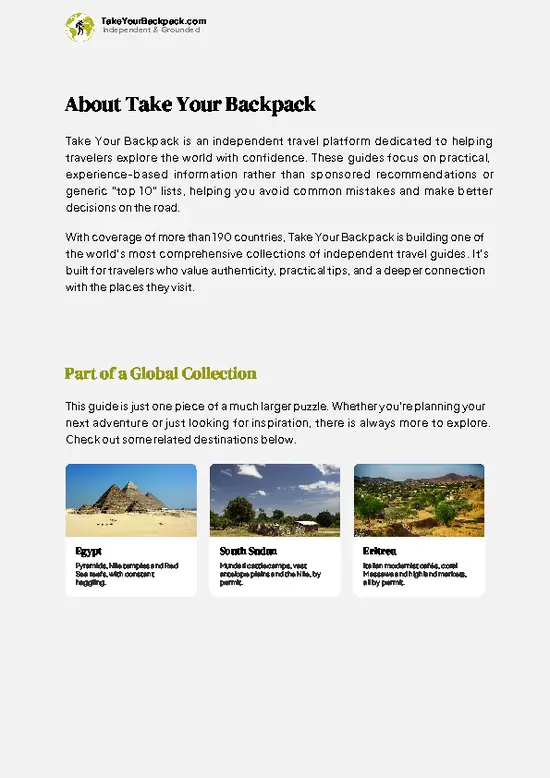
example page 1 from our offline Travel Guide for Sudan
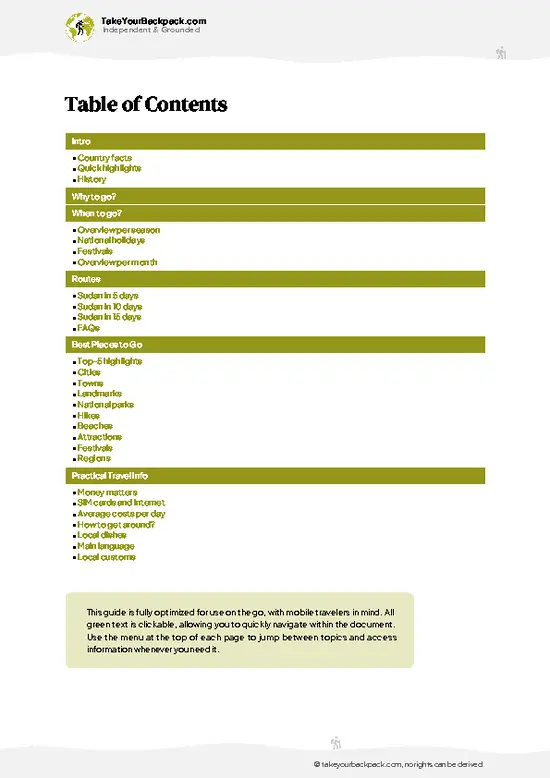
example page 2 from our offline Travel Guide for Sudan
example page 3 from our offline Travel Guide for Sudan
example page 4 from our offline Travel Guide for Sudan
example page 5 from our offline Travel Guide for Sudan
example page 6 from our offline Travel Guide for Sudan
example page 7 from our offline Travel Guide for Sudan
The digital guide (300 pages) contains:
72 highlights, ranked by travel appeal
Optimized 5, 10 & 15-day travel routes
Cities, national parks, landmarks, beaches
How to get around
Offline-friendly for travel without Wi-Fi
👉 Click to see all 30+ guide features

📅 Plan smarter in minutes, not weeks
Month by month travel advice
Festivals & national holidays
Budget expectations

🗺️ Go to the right places, skip the overrated ones
Honest pros & cons of destinations
Top hikes, parks & viewpoints
Lesser-known places most travelers miss
Clear “worth it vs skip it” guidance

🛏️ Travel smoothly without rookie mistakes
Best areas to stay
Transport systems explained simply
Common scams & safety advice
SIM cards, money & practical tips

🌍 Understand the country, not just visit it
Culture & traditions
52 Essential phrases & customs
Festivals worth planning around
Traveler-friendly historical context
Insights that make places more meaningful

📱 Built for real travel conditions
Fully downloadable PDF
Works completely offline
Optimized for phone use
Useful in remote areas & buses
Everything in one place
Save weeks of stressful planning
Get instant access to your full guide. 30‑day money-back guarantee.


By proceeding you agree to our terms.
Sent to your inbox immediately after payment • 100% Secure Checkout
Best Backpacking Travel Advisor 2025 tourism awardBest Backpacking
Travel Advisor
2025
What others say about Take Your Backpack Guides:
⭐⭐⭐⭐⭐
Fantastic, amazing amount of information!
⭐⭐⭐⭐⭐
My goodness this is amazing, it's what I've been looking for hats off too you!
⭐⭐⭐⭐⭐
I think this is absolutely BRILLIANT
⭐⭐⭐⭐
Very complete and informative. It's still missing places, but I gotta to commend you
⭐⭐⭐⭐⭐
This is truly amazing, thank you, can't wait to explore it with my kids!
⭐⭐⭐⭐⭐
Awesome resource, thank you!
⭐⭐⭐⭐⭐
This is amazing! Can't wait to explore the ones I haven't seen
⭐⭐⭐⭐
I love this! Well done, great idea.
⭐⭐⭐⭐⭐
Thanks for taking the time to make this gem!
⭐⭐⭐⭐⭐
This might be the best website I've ever seen.
⭐⭐⭐⭐⭐
Congratulations, and thank you so much for your work; it's incredibly valuable.
⭐⭐⭐⭐
In all seriousness I think you did a great job pointing out the important spots
⭐⭐⭐⭐⭐
10/10 very good
⭐⭐⭐⭐⭐
As someone who's only just starting to visit regularly this is awesome, thank you.
⭐⭐⭐⭐
Thank you very much! I'm going to visit my dad, it's going to be very useful!
⭐⭐⭐⭐⭐
This is really cool! We'll be travelling for the first time and this definitely come in handy.
⭐⭐⭐⭐⭐
You are now our minister of culture, congratulations 👨‍💼
⭐⭐⭐⭐⭐
Just wanted to tell you that this is a pearl! Going to follow your recommendations.
⭐⭐⭐⭐⭐
This is so cool. I'll definitely be using the resource for my travels soon.
⭐⭐⭐⭐⭐
This is very impressive! Good work.
⭐⭐⭐⭐⭐
This is an amazing and informative site. Very well done!

🛏️ Where to stay?How to pick the right area

In Abu Jubaiha, the best spot for backpackers is the central market district. It’s where the city hums with life—vendors shouting, spices scenting the air, and locals weaving through narrow streets. This area feels alive but not chaotic, offering a safe rhythm for solo travelers. You’ll find budget guesthouses tucked between cafés and small shops, making it easy to meet other travelers or locals over a cup of Sudanese coffee. Compared to the quieter residential zones, this neighborhood pulses with social energy without tipping into touristy noise. Staying here means you’re steps from daily life … read more 👉
In Abu Jubaiha, the best spot for backpackers is the central market district. It’s where the city hums with life—vendors shouting, spices scenting the air, and locals weaving through narrow streets. This area feels alive but not chaotic, offering a safe rhythm for solo travelers. You’ll find budget guesthouses tucked between cafés and small shops, making it easy to meet other travelers or locals over a cup of Sudanese coffee. Compared to the quieter residential zones, this neighborhood pulses with social energy without tipping into touristy noise. Staying here means you’re steps from daily life and the pulse of the town, not isolated in a sterile hotel zone. The vibe is gritty but welcoming, perfect for those who want to soak in the city’s character while keeping their wallet intact.

🚌 Getting aroundHow to get around Abu Jubaiha

Abu Jubaiha moves at its own rhythm—neither a frantic rush nor a slow crawl, but a steady pulse shaped by the sun’s arc and the calls of street vendors. The air carries a mix of dust and spices, and the streets hum with a blend of purposeful strides and casual chats. Time here isn’t dictated by clocks but by the flow of daily life: markets opening as the light softens, the afternoon lull when the heat presses down, and the evening stir when the town reawakens under a cooler sky. To navigate Abu Jubaiha like a local, you’ll want to sync with this natural cadence rather than fight it.


  • Walking: The most reliable and immersive way to get around. Streets are compact and often shaded by awnings or trees, making midday treks manageable if you pace yourself. Walking lets you catch the scent of
read more 👉
Abu Jubaiha moves at its own rhythm—neither a frantic rush nor a slow crawl, but a steady pulse shaped by the sun’s arc and the calls of street vendors. The air carries a mix of dust and spices, and the streets hum with a blend of purposeful strides and casual chats. Time here isn’t dictated by clocks but by the flow of daily life: markets opening as the light softens, the afternoon lull when the heat presses down, and the evening stir when the town reawakens under a cooler sky. To navigate Abu Jubaiha like a local, you’ll want to sync with this natural cadence rather than fight it.


  • Walking: The most reliable and immersive way to get around. Streets are compact and often shaded by awnings or trees, making midday treks manageable if you pace yourself. Walking lets you catch the scent of fresh bread from corner bakeries and the chatter spilling from open doorways.

  • Shared Minibuses: These are the town’s veins, running from dawn until dusk. Expect a fare under 1 USD, with no fixed schedule—buses leave when full, so timing is flexible but unpredictable. They’re cramped but fast, weaving through narrow alleys where larger vehicles can’t go.

  • Motorcycle Taxis: Ideal for short hops or when you’re pressed for time. Prices are negotiable but generally low; helmets aren’t always provided, so hold tight. The breeze cuts through the heat, and the quick bursts of speed offer a thrilling contrast to the town’s slower moments.

  • Bicycle Rentals: A budget-friendly option if you want to cover more ground without losing the street-level perspective. Early morning rides are best to avoid midday heat, and the terrain is mostly flat with occasional bumps—perfect for a steady, scenic cruise.

👛 Costs (as of 24 March 2025)Typical daily expenses

Backpacking in Abu Jubaiha, Sudan, is a raw, grounded experience where your budget stretches differently than in tourist-heavy spots. Here’s the real breakdown of daily costs to keep you moving without surprises.
  • Dorm Accommodation: Options are sparse and basic. Expect to pay around $5 to $10 per night for a simple guesthouse bed. These places often lack frills but provide a clean, safe spot to crash. Air conditioning is rare, so prepare for warm nights and open windows.
  • Meals: Food here is straightforward and filling. Street food and local eateries serve hearty meals for about $2 to $4 each. Think stews, flatbreads, and fresh fruit. If you want something more substantial or imported, prices can double, but sticking local keeps costs low and flavors authentic.
  • Local Transport: Transport
read more 👉
Backpacking in Abu Jubaiha, Sudan, is a raw, grounded experience where your budget stretches differently than in tourist-heavy spots. Here’s the real breakdown of daily costs to keep you moving without surprises.
  • Dorm Accommodation: Options are sparse and basic. Expect to pay around $5 to $10 per night for a simple guesthouse bed. These places often lack frills but provide a clean, safe spot to crash. Air conditioning is rare, so prepare for warm nights and open windows.
  • Meals: Food here is straightforward and filling. Street food and local eateries serve hearty meals for about $2 to $4 each. Think stews, flatbreads, and fresh fruit. If you want something more substantial or imported, prices can double, but sticking local keeps costs low and flavors authentic.
  • Local Transport: Transport is mostly informal—shared minibuses or tuk-tuks. A typical short ride costs around $0.50 to $1.50. For longer trips or private hires, budget up to $5. Walking is often the best way to soak in the town’s atmosphere and save cash.
  • Basic Activities/Entry Fees: Abu Jubaiha isn’t a tourist hotspot, so entry fees are minimal or nonexistent. Visiting local markets or cultural spots is usually free, but if you hire a guide or join a community event, expect to pay $2 to $5 as a courtesy or contribution.
  • Miscellaneous Expenses: This covers essentials like bottled water, snacks, or phone credit. Plan for about $1 to $3 daily. Water quality varies, so buying bottled water is a must, especially in the heat.

All told, you’re looking at roughly $10 to $25 per day to keep things smooth and comfortable in Abu Jubaiha. It’s a place where simplicity rules, and your budget reflects the straightforward pace of life. The payoff is in the unfiltered, everyday moments that make travel here feel like stepping into a different rhythm.


source: sudan.gov.sd
⚠️ Prices can change and everyone travels differently, so take this as a rough guide. Hope it helps you plan your adventure!

🚌 Day tripsExploring the surroundings

Abu Jubaiha is a fantastic launchpad for exploring Sudan’s hidden treasures. The town’s unique blend of culture and accessibility makes it a backpacker’s dream. Here are some day trips that will elevate your experience.

Kassala
A two-hour bus ride from Abu Jubaiha, Kassala is a feast for the senses. The vibrant market buzzes with life, and the scent of spices fills the air. Hike up to the Taka Mountains for panoramic views that make the effort worthwhile. Budget around $5 for transport and a few extra for snacks. The best time to visit is during the cooler months, from November to February. A common mistake? Underestimating the sun; bring plenty of water and a hat.
👉 Explore Kassala

Sennar
Just an hour away, Sennar offers a glimpse into Sudan’s agricultural heart. The lush fields and … read more 👉
Abu Jubaiha is a fantastic launchpad for exploring Sudan’s hidden treasures. The town’s unique blend of culture and accessibility makes it a backpacker’s dream. Here are some day trips that will elevate your experience.

Kassala
A two-hour bus ride from Abu Jubaiha, Kassala is a feast for the senses. The vibrant market buzzes with life, and the scent of spices fills the air. Hike up to the Taka Mountains for panoramic views that make the effort worthwhile. Budget around $5 for transport and a few extra for snacks. The best time to visit is during the cooler months, from November to February. A common mistake? Underestimating the sun; bring plenty of water and a hat.
👉 Explore Kassala

Sennar
Just an hour away, Sennar offers a glimpse into Sudan’s agricultural heart. The lush fields and the Blue Nile create a serene backdrop for a day of exploration. Visit the local farms and enjoy a traditional meal for about $10 total. The ideal time to go is early morning when the light dances on the water. Many first-timers miss the chance to interact with locals; don’t shy away from asking questions.
👉 Explore Sennar

Jebel Marra
For the adventurous, Jebel Marra is a must. It’s a bit of a trek—around three hours by bus—but the volcanic landscape is otherworldly. Expect to spend about $15 on transport and snacks. Late afternoon is perfect for catching the sunset over the craters. A rookie error? Not checking the weather; storms can roll in quickly, so plan accordingly.
Want to know what more Sudan offers?
The Sudan Travel Guide describes 72 highlights, from cities to national parks, from beaches to hikes

Get the Travel Guide -

🛡️ SafetyTraveler Safety Guide

Abu Jubaiha is generally safe, but staying aware enhances your experience. Stick to well-lit areas after dark; the streets can feel quiet, and a little caution goes a long way. Solo travelers should blend in—avoid flashy attire and keep your belongings close.

While scams aren’t rampant, be mindful of overly friendly locals who might steer you toward shops with inflated prices. A firm but polite “no, thank you” works wonders. Expect the occasional hassle from vendors, but a smile and a clear “not today” can defuse tension. Embrace the local rhythm, and you’ll find the charm in the everyday.

Other Sudanese towns near Abu Jubaiha

Explore more nearby:

  • Talodi—Nuba Mountains, mining legacy, remote villages| 164 km away
  • Karima—Jebel Barkal, ancient temples, desert oasis| 827 km away
  • Zalingei—Jebel Marra foothills, local crafts, regional center| 928 km away

💡 Not sure where to go next?
Create a personalized itinerary for Sudan including Abu Jubaiha and the places that fit your trip.

Generate my itinerary

👉 Discover all towns

Or checkout all Sudan has to offer (think cities, towns, villages, national parks, hikes, beaches, festivals)
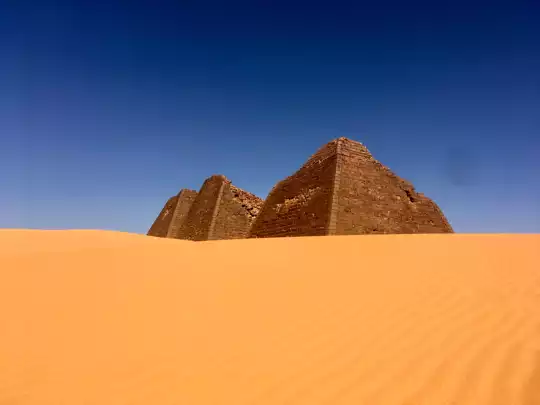
Country photo of Sudan

We 💚 feedbackParting advice and final tips

Abu Jubaiha offers a raw, unfiltered glimpse into Sudanese life. The vibrant local markets buzz with energy, and the aroma of spices fills the air, making every moment feel alive. But be ready for the heat; it can be relentless. Embrace the sweat, and you’ll find the warmth of the people more than makes up for it.

✈️ When did I visit Sudan?
Sudan I visited back in October 2017. I combined the trip with a visit to Ethiopia.

✍️ Help improve this page!
The information on this page is based on my own backpacking experience in Sudan, supplemented with up-to-date research and feedback from other travelers. Travel details can change, so if you notice anything outdated or incomplete, feel free to let me know.


🙋‍♂️ Give feedback

👋 Meet the founderWho’s Behind Take Your Backpack?

Johan, backpacker and founder of TakeYourBackpackHi, I’m Johan (Netherlands 🇳🇱), the creator of TakeYourBackpack. Over the past decade, I’ve backpacked through 80+ countries across six continents, gaining extensive experience with independent travel, long-term trips, and overland routes.

This site is built on a combination of firsthand travel experience and carefully curated insights from other backpackers. Many guides are based on places I’ve personally visited, while others bring together tips, observations, and practical advice shared by trusted travelers I’ve met along the way.

The goal is to provide realistic, experience-driven guidance — not generic itineraries — so you can explore destinations with better context, clearer expectations, and more confidence.

Get full Sudan guide •
Instant download • 72 highlights • Full Offline guide