v2.webp)
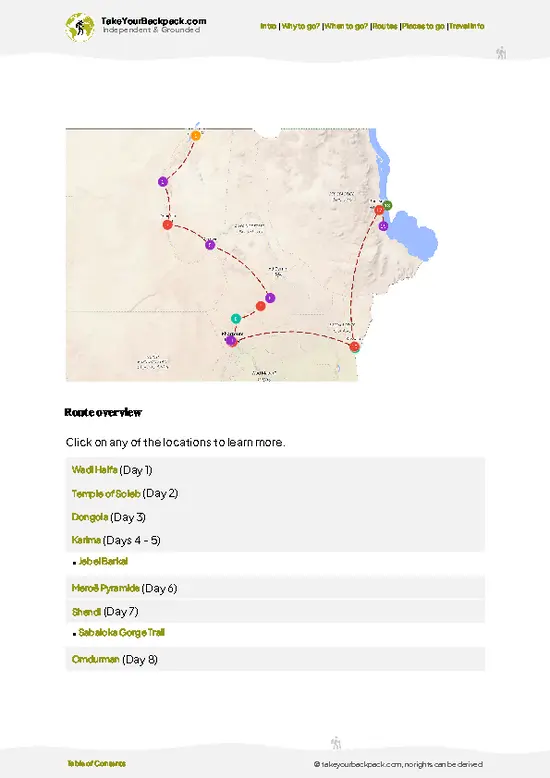
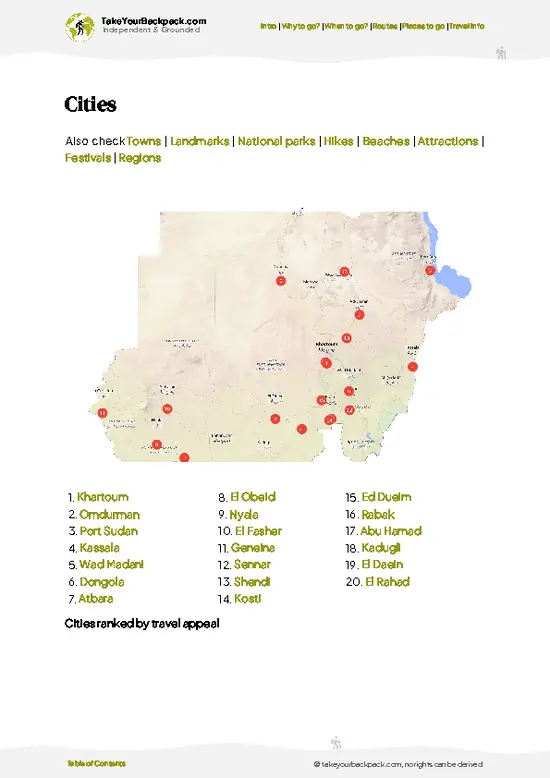
- Zalingei Central Souq (Grand Market) — The real heartbeat of the town: stalls of spices, vegetables, fabric bolts and second-hand gear. Go early, watch traders haggle, try a roadside snack, and let the jumble of colors and smells tell you more about daily life here than any museum could.
- Weekly Livestock Market — A loud, kinetic experience where goats, sheep and cattle change hands. It’s a working market (not staged for tourists), so you’ll learn how pastoral economies run in Darfur — how animals are judged, bargained and moved — and it’s great for photographs if you ask first.
- Central Mosque of Zalingei — More than architecture: a community hub. Visiting around prayer times (especially Friday) gives you a window into social rhythms; be respectful with dress and photography and you’ll
- Zalingei Central Souq (Grand Market) — The real heartbeat of the town: stalls of spices, vegetables, fabric bolts and second-hand gear. Go early, watch traders haggle, try a roadside snack, and let the jumble of colors and smells tell you more about daily life here than any museum could.
- Weekly Livestock Market — A loud, kinetic experience where goats, sheep and cattle change hands. It’s a working market (not staged for tourists), so you’ll learn how pastoral economies run in Darfur — how animals are judged, bargained and moved — and it’s great for photographs if you ask first.
- Central Mosque of Zalingei — More than architecture: a community hub. Visiting around prayer times (especially Friday) gives you a window into social rhythms; be respectful with dress and photography and you’ll find people friendly and curious.
- Zalingei University Campus — A compact campus where student life pulses: bookshops, impromptu debates, occasional cultural events. Hanging out here is the quickest way to talk to locals under thirty and get a fresher, on-the-ground perspective of the city.
- Zalingei Airstrip / Regional Airport — Small and practical, the airstrip is where the region connects to the outside. It’s interesting for watching logistics, local arrivals, and the steady flow of people and goods — plus it’s handy if you’re arriving by plane.
- Artisan Workshops around the Souq — Tiny leather, metal and woodworking shops tucked off the main market streets. Craftsmen still make saddles, knives and household gear the old way — excellent places to buy a lasting souvenir and watch skills passed down through generations.
- Old Wadi Neighborhoods and Mudbrick Streets — Walkable alleys with traditional mudbrick houses and the seasonal wadi cutting through the town. The light in late afternoon is beautiful, locals are relaxed, and the area gives a real feel for traditional Darfuri townscapes.
- Tea Houses / Kahwa Rows — Simple places where people meet to sip coffee or tea and trade news. They’re social classrooms: sit, listen, ask a few questions, and you’ll overhear stories that don’t make it into guidebooks.
- Municipal Sports Ground — Local football matches are loud, inexpensive and utterly local. Fans, kids and vendors gather in a friendly chaos — the best place to feel the town’s pulse and meet people without ceremony.
- Textiles & Traditional Clothing Market — Rows of vendors selling tobes, patterned cloth and tailoring services. Great for learning about regional dress, commissioning a simple garment, or picking up vivid fabrics you won’t find back home.
Spotted a mistake or missing something? Contact us.

 Best Backpacking
.jpg) Hi, I’m Johan (Netherlands 🇳🇱), the creator of TakeYourBackpack. Over the past 3 decades, I’ve backpacked through 90+ countries across six continents, gaining extensive experience with independent travel, long-term trips, and overland routes.
Hi, I’m Johan (Netherlands 🇳🇱), the creator of TakeYourBackpack. Over the past 3 decades, I’ve backpacked through 90+ countries across six continents, gaining extensive experience with independent travel, long-term trips, and overland routes.