×

Suriname🇸🇷 | regionsBoven Saramaccadense rainforest, Maroon villages, river crossings, remote settlements | things to do and best time to go

Explore Bigi PanExplore Albina

Backpacking in Boven Saramacca
🏆 Top pickregion ranked #1
By Johan Kruseman 🇳🇱 | Updated July 16, 2026

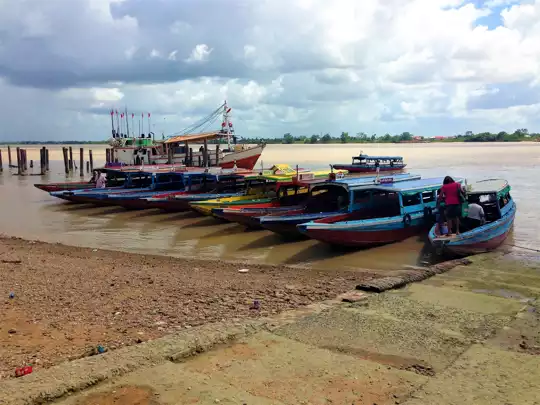
You land in Paramaribo and someone offers a cheap “day trip to the interior.” Here’s the fork in the road: do you burn money on a fast, comfy boat or small plane to Boven Saramacca, or crawl upriver in a slow pirogue that eats a full day but costs a fraction and drops you straight into village life? That choice matters, because in Boven Saramacca every extra hour you spend getting there usually buys you more authenticity and fewer other travelers in your photos.

Boven Saramacca sits along the upper Saramacca River in central Suriname, inland from the coast and well away from the Paramaribo–Brokopondo circuit. For backpackers, it’s raw and rewarding: Maroon villages, dense rainforest, river beaches in dry season, and nights where the loudest sound is the jungle. It’s cheaper once you arrive, but transport between villages is slow, irregular, and weather‑dependent. Compared with Brokopondo or Brownsberg, there’s less infrastructure, fewer tour groups, more real conversations, and more chances to get uncomfortable in the best possible way.

Discover everything you want to know in the 📖 Suriname Travel Guide.


Get your Suriname guide
43 ranked highlights, routes & tips, works offline (185 pages)
Loading the map 🌍
CLICK TO FILTER
cities
towns
villages
landmarks
national parks
hikes
beaches
attractions
festivals
regions
SHOW COUNTRY’S BESTSHOW ALL

✨ Why go?
Ranked #1 region in Suriname
What makes it a must-see region

In Boven Saramacca, Suriname, backpackers find a sweet spot where time, money, and comfort align beautifully. This region offers a variety of landscapes that keeps your adventure fresh. You can explore dense rainforests, winding rivers, and even savannahs without the hassle of constant relocation.

Imagine waking up to the sounds of nature, then hopping on a local boat to visit a nearby village. The transport flexibility here is a game changer. You can choose between shared taxis or boats, making it easy to navigate at your own pace. This means you can spend more time soaking in the culture and less time stressing over logistics.

What’s more, Boven Saramacca allows you to mix nature and culture seamlessly. You can hike through lush trails and then dive into local traditions, all while embracing … read more 👉
In Boven Saramacca, Suriname, backpackers find a sweet spot where time, money, and comfort align beautifully. This region offers a variety of landscapes that keeps your adventure fresh. You can explore dense rainforests, winding rivers, and even savannahs without the hassle of constant relocation.

Imagine waking up to the sounds of nature, then hopping on a local boat to visit a nearby village. The transport flexibility here is a game changer. You can choose between shared taxis or boats, making it easy to navigate at your own pace. This means you can spend more time soaking in the culture and less time stressing over logistics.

What’s more, Boven Saramacca allows you to mix nature and culture seamlessly. You can hike through lush trails and then dive into local traditions, all while embracing the beauty of slow travel. This approach not only enriches your experience but also deepens your connection to the land and its people.

So, if you’re looking for high-value experiences that don’t break the bank, Boven Saramacca is where you want to be.
Want to include Boven Saramacca in your Suriname route?
Create a personalized Suriname itinerary that includes Boven Saramacca and the places that fit your trip — based on your travel style, budget, and available time. Get your route in seconds.

Generate my trip

💡 HighlightsKey sights and experiences for travelers

  1. Nieuw Jacobkondre village — The de facto hub of Boven Saramacca and the best place to start: a working Matawai river village where you can arrange transport, stay in a simple homestay, buy freshly smoked fish, and watch river life unfold. It’s as close to “real” Matawai daily life as you’ll get without overstaying your welcome.
  2. Upper Saramacca River canoe run — A full-day (or multi-day) motorcanoe trip upstream through tight rainforest corridors, sandbanks and small rapids. The scenery changes constantly and the slow river travel is the main attraction: people fishing from dugouts, river turtles sunning on logs, and pockets of quiet you won’t find on the coast.
  3. Matawai cassava-processing demo & cooking with a family — Hands-on and delicious: watch and help turn bitter cassava into bread
read more 👉
  1. Nieuw Jacobkondre village — The de facto hub of Boven Saramacca and the best place to start: a working Matawai river village where you can arrange transport, stay in a simple homestay, buy freshly smoked fish, and watch river life unfold. It’s as close to “real” Matawai daily life as you’ll get without overstaying your welcome.
  2. Upper Saramacca River canoe run — A full-day (or multi-day) motorcanoe trip upstream through tight rainforest corridors, sandbanks and small rapids. The scenery changes constantly and the slow river travel is the main attraction: people fishing from dugouts, river turtles sunning on logs, and pockets of quiet you won’t find on the coast.
  3. Matawai cassava-processing demo & cooking with a family — Hands-on and delicious: watch and help turn bitter cassava into bread and cassava paste, then eat what you helped make. It’s a sensory dive into everyday survival skills that are central to food and identity here. (Hidden gem — usually arranged locally rather than sold as a tour.)
  4. River oxbow lagoons and camping beaches — Small crescent beaches and oxbow lakes off the main channel make perfect overnight campsites. Night sounds are unreal: poto-poto frogs, howler monkeys, and the river breathing. There’s nothing staged about these spots — just pure off-grid nature.
  5. Village craft bench: wood carving & basketry — Meet the folks who carve paddles, ladles, and ritual objects or weave sturdy baskets from local palms. Pieces are utilitarian, not tourist tat, and you’ll often buy directly from the maker. Great for seeing traditional techniques up close. (Hidden gem — many of these workshops are tiny family operations away from main trails.)
  6. Medicinal-plant walk with an elder — A short guided walk with a local elder who points out plants used for fevers, wounds, and traditional treatments. Practical, local knowledge that rarely leaves the river communities — educational and respectful if you follow local rules and ask first. (Hidden gem — not widely advertised, ask at the village for a guide.)
  7. Seasonal fish camps and smokehouses — Join a family at their seasonal fishing camp to see traditional netting, trap setting and the river-smoking process. You’ll learn why smoked fish is a staple and how preservation shaped settlement patterns along the Saramacca.
  8. Bird and primate watching at the river bends — The bends and small tributaries are excellent for spotting parrots, kingfishers, toucans and troops of monkeys at dawn. Guides from the villages know the best hides and call points — bring binoculars and mosquito repellent.
  9. Traditional music evenings and communal gatherings — When there’s a local party, funeral or ceremony, the music and singing are communal and raw — drums, call-and-response and storytelling. Respectful attendance (ask permission, dress modestly) gives you a window into social life that staged performances can’t match.
  10. Quiet tributary hikes to seasonal pools and small falls — Short hikes from the river lead to little waterfalls, clear pools and limestone outcrops that locals use for bathing and cooling off. They’re small and easily missed by outsiders, but perfect for a private swim and a break from boat travel.
Spotted a mistake or missing something? Contact us.

⌛️ 5 daysA smart one-week plan

Day 1: Paramaribo
Start your journey in Paramaribo, the capital. This city is your launchpad, where you’ll gather supplies and get a feel for Suriname’s culture. Spend the day exploring the historic district, with its wooden colonial buildings and vibrant markets. Grab a bite at a local eatery—try the pom, a traditional dish. The transport options here are plentiful, but don’t rush; soak in the atmosphere. You’ll need to be well-prepared for the next leg.

Day 2: Paramaribo to Boven Saramacca
Hit the road early. The journey to Boven Saramacca is a mix of bus and boat, taking about six hours. This is where the adventure begins. The winding rivers and lush landscapes will keep you engaged. The transport system is a bit of a puzzle, but that’s part of the charm. Embrace the local vibe; chat … read more 👉
Day 1: Paramaribo
Start your journey in Paramaribo, the capital. This city is your launchpad, where you’ll gather supplies and get a feel for Suriname’s culture. Spend the day exploring the historic district, with its wooden colonial buildings and vibrant markets. Grab a bite at a local eatery—try the pom, a traditional dish. The transport options here are plentiful, but don’t rush; soak in the atmosphere. You’ll need to be well-prepared for the next leg.

Day 2: Paramaribo to Boven Saramacca
Hit the road early. The journey to Boven Saramacca is a mix of bus and boat, taking about six hours. This is where the adventure begins. The winding rivers and lush landscapes will keep you engaged. The transport system is a bit of a puzzle, but that’s part of the charm. Embrace the local vibe; chat with fellow travelers and locals. This is your first taste of the region’s rhythm.

Day 3: Boven Saramacca Exploration
Now you’re in the heart of it. Spend the day hiking through the rainforest. The trails are well-marked, and the wildlife is abundant. Look for the elusive jaguar or colorful birds. This is where you really connect with the land. The pace is slower here, allowing you to breathe and appreciate the surroundings.

Day 4: Off-Path Reward: Kabalebo River
Take a detour to the Kabalebo River. It’s a bit of a trek, but the serene beauty is worth it. Rent a canoe and paddle through the mangroves. You’ll find tranquility and maybe even some hidden waterfalls. This is a chance to escape the crowds and feel like a true explorer.

Day 5: Return to Paramaribo
Head back to Paramaribo, but take your time. Stop at roadside stands for fresh fruit and local snacks. Reflect on your journey and the connections you’ve made. This day is about savoring the experience and preparing for your next adventure.

The must-do day? Day 3 in Boven Saramacca. It’s where you truly immerse yourself in Suriname’s natural beauty and culture, making it the highlight of your trip.
Turn your Boven Saramacca visit into an Suriname adventure
Build a complete Suriname route with Boven Saramacca, hidden gems, must-see destinations, and realistic travel times included.

Generate my trip

🌤️ When to go?Choosing the right time of year


  • Weather: The dry season from August to November is your golden window. Rainfall drops sharply, making trails in Boven Saramacca manageable and the rivers less swollen. Avoid the heavy rains of the wet season (December to July) unless you’re into mud wrestling and mosquito marathons.

  • Temperature: Expect a steady 24-31°C (75-88°F) year-round. The dry season feels a bit cooler and less sticky, which is a blessing when you’re hauling a pack through jungle paths.

  • Daylight Hours: Suriname sits near the equator, so daylight stays consistent—about 12 hours daily. Early mornings and late afternoons are your best bet for trekking to dodge the midday heat and catch wildlife activity.

  • Crowds: Boven Saramacca is off the beaten path, so crowds are minimal year-round. But during the dry season,
read more 👉

  • Weather: The dry season from August to November is your golden window. Rainfall drops sharply, making trails in Boven Saramacca manageable and the rivers less swollen. Avoid the heavy rains of the wet season (December to July) unless you’re into mud wrestling and mosquito marathons.

  • Temperature: Expect a steady 24-31°C (75-88°F) year-round. The dry season feels a bit cooler and less sticky, which is a blessing when you’re hauling a pack through jungle paths.

  • Daylight Hours: Suriname sits near the equator, so daylight stays consistent—about 12 hours daily. Early mornings and late afternoons are your best bet for trekking to dodge the midday heat and catch wildlife activity.

  • Crowds: Boven Saramacca is off the beaten path, so crowds are minimal year-round. But during the dry season, you’ll find a few more adventurers, which means better chances to swap stories and share local tips.

  • Seasonal Activities: The dry months open up river navigation and fishing opportunities. Local communities hold cultural events around this time, offering a peek into indigenous life that’s worth timing your visit for.

  • Price Fluctuations: Expect slightly higher costs in the dry season due to demand, but it’s a trade-off for accessibility and comfort. The wet season offers cheaper rates but comes with logistical headaches and fewer options.


Pro-tip: Book your trip for late August or early September to catch the sweet spot—dry trails, fewer bugs, and local festivals lighting up the jungle nights.


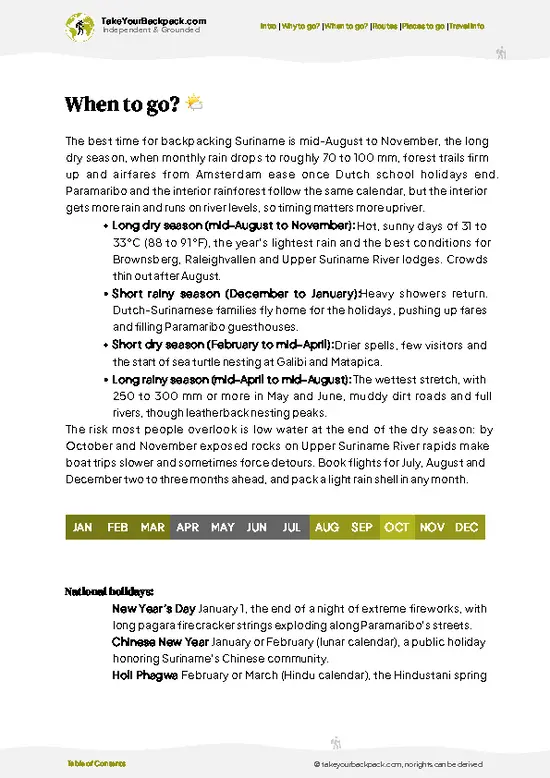
source: climatestotravel.comJANJanuary: below average for travelingFEBFebruary: below average for travelingMARMarch: below average for travelingAPRApril: fair for travelingMAYMay: fair for travelingJUNJune: fair for travelingJULJuly: fair for travelingAUGAugust: excellent for travelingSEPSeptember: excellent for travelingOCTOctober: highly recommended for travelingNOVNovember: highly recommended for travelingDECDecember: below average for traveling
when-to-go

✈️ The backpacker research shortcutSuriname Travel Guide

An offline-friendly backpacking guide with optimized travel routes, ranked highlights, transport advice, and the best areas to stay.
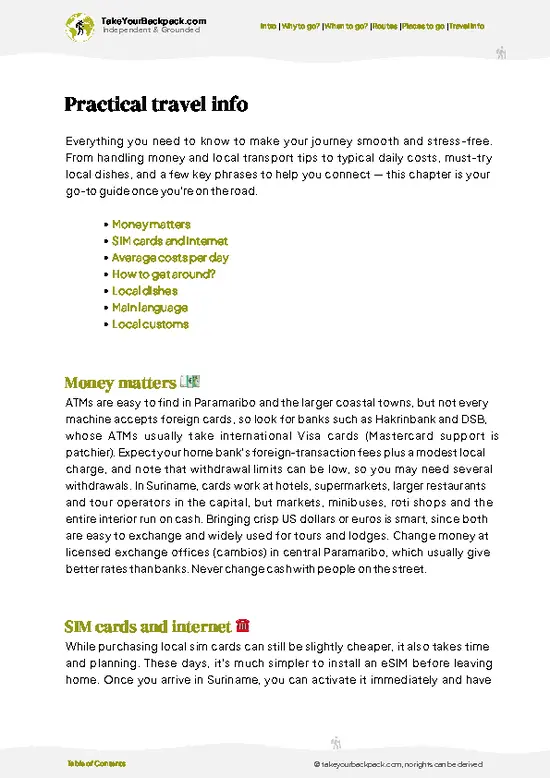
example page 0 from our offline Travel Guide for Suriname
example page 1 from our offline Travel Guide for Suriname
example page 2 from our offline Travel Guide for Suriname
example page 3 from our offline Travel Guide for Suriname
example page 4 from our offline Travel Guide for Suriname
example page 5 from our offline Travel Guide for Suriname
example page 6 from our offline Travel Guide for Suriname
example page 7 from our offline Travel Guide for Suriname
The digital guide (185 pages) contains:
43 highlights, ranked by travel appeal
Optimized 5, 10 & 15-day travel routes
Cities, national parks, landmarks, beaches
How to get around
Offline-friendly for travel without Wi-Fi
👉 Click to see all 30+ guide features

📅 Plan smarter in minutes, not weeks
Month by month travel advice
Festivals & national holidays
Budget expectations

🗺️ Go to the right places, skip the overrated ones
Honest pros & cons of destinations
Top hikes, parks & viewpoints
Lesser-known places most travelers miss
Clear “worth it vs skip it” guidance

🛏️ Travel smoothly without rookie mistakes
Best areas to stay
Transport systems explained simply
Common scams & safety advice
SIM cards, money & practical tips

🌍 Understand the country, not just visit it
Culture & traditions
52 Essential phrases & customs
Festivals worth planning around
Traveler-friendly historical context
Insights that make places more meaningful

📱 Built for real travel conditions
Fully downloadable PDF
Works completely offline
Optimized for phone use
Useful in remote areas & buses
Everything in one place
Save weeks of stressful planning
Get instant access to your full guide. 30‑day money-back guarantee.


By proceeding you agree to our terms.
Sent to your inbox immediately after payment • 100% Secure Checkout
Best Backpacking Travel Advisor 2025 tourism awardBest Backpacking
Travel Advisor
2025
What others say about Take Your Backpack Guides:
⭐⭐⭐⭐⭐
Fantastic, amazing amount of information!
⭐⭐⭐⭐⭐
My goodness this is amazing, it's what I've been looking for hats off too you!
⭐⭐⭐⭐⭐
I think this is absolutely BRILLIANT
⭐⭐⭐⭐
Very complete and informative. It's still missing places, but I gotta to commend you
⭐⭐⭐⭐⭐
This is truly amazing, thank you, can't wait to explore it with my kids!
⭐⭐⭐⭐⭐
Awesome resource, thank you!
⭐⭐⭐⭐⭐
This is amazing! Can't wait to explore the ones I haven't seen
⭐⭐⭐⭐
I love this! Well done, great idea.
⭐⭐⭐⭐⭐
Thanks for taking the time to make this gem!
⭐⭐⭐⭐⭐
This might be the best website I've ever seen.
⭐⭐⭐⭐⭐
Congratulations, and thank you so much for your work; it's incredibly valuable.
⭐⭐⭐⭐
In all seriousness I think you did a great job pointing out the important spots
⭐⭐⭐⭐⭐
10/10 very good
⭐⭐⭐⭐⭐
As someone who's only just starting to visit regularly this is awesome, thank you.
⭐⭐⭐⭐
Thank you very much! I'm going to visit my dad, it's going to be very useful!
⭐⭐⭐⭐⭐
This is really cool! We'll be travelling for the first time and this definitely come in handy.
⭐⭐⭐⭐⭐
You are now our minister of culture, congratulations 👨‍💼
⭐⭐⭐⭐⭐
Just wanted to tell you that this is a pearl! Going to follow your recommendations.
⭐⭐⭐⭐⭐
This is so cool. I'll definitely be using the resource for my travels soon.
⭐⭐⭐⭐⭐
This is very impressive! Good work.
⭐⭐⭐⭐⭐
This is an amazing and informative site. Very well done!

🛏️ Where to stay?Where staying makes the most sense

In the heart of Boven Saramacca, you’ll find a few spots that are pure gold for backpackers. First up, Jodensavanne. This historic village isn’t just a place to crash; it’s a living museum. You’ll meet fellow travelers while exploring the remnants of a Jewish settlement. The vibe is laid-back, and the stories shared around a campfire are priceless.

Next, consider Brownsweg. It’s a hub for adventurers heading to the nearby jungle. The community here is welcoming, and you’ll find plenty of opportunities to connect with locals and other backpackers. The riverside views are a bonus, perfect for unwinding … read more 👉
In the heart of Boven Saramacca, you’ll find a few spots that are pure gold for backpackers. First up, Jodensavanne. This historic village isn’t just a place to crash; it’s a living museum. You’ll meet fellow travelers while exploring the remnants of a Jewish settlement. The vibe is laid-back, and the stories shared around a campfire are priceless.

Next, consider Brownsweg. It’s a hub for adventurers heading to the nearby jungle. The community here is welcoming, and you’ll find plenty of opportunities to connect with locals and other backpackers. The riverside views are a bonus, perfect for unwinding after a day of exploration.

Don’t overlook Boven Saramacca itself. It’s not just a transit point; it’s a chance to immerse yourself in local life. Markets buzz with energy, and you can snag fresh produce while chatting with vendors. This area is safe and offers a genuine slice of Surinamese culture.

Timing is key. Visit during the dry season for easier access to trails and activities. Embrace the local pace; it’s all about the journey, not just the destination. Choose wisely, and you’ll walk away with experiences that linger long after you’ve left.

🚌 Getting aroundGetting around like a local

Boven Saramacca is a wild dance of spontaneity and rhythm, where schedules are more like suggestions than rules. Picture this: you’re standing on a dirt road, the air thick with humidity, and the sound of distant laughter mingles with the rustle of palm leaves. Here, transport isn’t just about getting from point A to B; it’s an adventure in itself. You’ll find that the locals embrace a kind of chaotic intuition, where the next ride might show up any minute or take its sweet time. This isn’t a place for the rigid planner; it’s for the traveler who thrives on the unexpected, ready to hop on a bus or a boat when the moment feels right.


  • Minibus: These colorful, cramped rides are the lifeblood of local transport. They run from early morning until around 6 PM, costing about $1-2 for short distances.
read more 👉
Boven Saramacca is a wild dance of spontaneity and rhythm, where schedules are more like suggestions than rules. Picture this: you’re standing on a dirt road, the air thick with humidity, and the sound of distant laughter mingles with the rustle of palm leaves. Here, transport isn’t just about getting from point A to B; it’s an adventure in itself. You’ll find that the locals embrace a kind of chaotic intuition, where the next ride might show up any minute or take its sweet time. This isn’t a place for the rigid planner; it’s for the traveler who thrives on the unexpected, ready to hop on a bus or a boat when the moment feels right.


  • Minibus: These colorful, cramped rides are the lifeblood of local transport. They run from early morning until around 6 PM, costing about $1-2 for short distances. Expect a bumpy ride, but you’ll get a real taste of local life as you squeeze in with friendly faces.


  • Motorbike Taxi: For a quick escape, hop on the back of a motorbike. Prices range from $3 to $10 depending on distance. They’re fast and can weave through traffic like a pro, but hold on tight; it’s a thrilling ride. Just be sure to negotiate the fare upfront.


  • Boat Taxi: If you’re heading to the river or nearby villages, the boat taxis are essential. They operate from dawn until dusk, with fares around $5-15 depending on the destination. The ride offers stunning views of the lush landscape, but be prepared for some splashes along the way.


  • Car Rentals: For those who prefer a bit more control, renting a car can cost around $40-60 per day. It’s a comfortable option, but fuel prices can add up. Plus, navigating the roads can be an adventure of its own, so keep your wits about you.


  • Bicycle Rentals: For the eco-conscious traveler, renting a bike is a fantastic way to explore. Prices hover around $5-10 per day. You’ll get to see the region at your own pace, but be ready for some serious sweat in the tropical heat.


Master tactical tip: Always ask locals about the best times to catch a ride. They know the unspoken rhythms of the region better than any schedule. Timing your travels with their insights can save you hours and lead to unexpected encounters. Embrace the flow, and you’ll find Boven Saramacca’s charm unfolds in the most delightful ways.

🍲 FoodLocal Cuisine & Drinks

In Boven Saramacca, food is a vibrant celebration of culture. You can’t miss the pom, a savory dish made from seasoned chicken and root vegetables, baked under a layer of golden, crispy plantain. The suru fish, often grilled to perfection, carries the smoky essence of the river. Pair these with a refreshing sorrel drink, a tangy concoction that dances on your palate.

For a true local experience, hit the markets. The air is thick with the scent of spices and fresh produce. Vendors serve up street food like kibbeling—fried fish bites that are crispy on the outside and tender within. Grab a plate and enjoy it while mingling with locals; it’s where the real stories unfold.

Dining here is casual and communal. Expect to share tables and engage in lively conversations. Don’t be surprised if someone … read more 👉
In Boven Saramacca, food is a vibrant celebration of culture. You can’t miss the pom, a savory dish made from seasoned chicken and root vegetables, baked under a layer of golden, crispy plantain. The suru fish, often grilled to perfection, carries the smoky essence of the river. Pair these with a refreshing sorrel drink, a tangy concoction that dances on your palate.

For a true local experience, hit the markets. The air is thick with the scent of spices and fresh produce. Vendors serve up street food like kibbeling—fried fish bites that are crispy on the outside and tender within. Grab a plate and enjoy it while mingling with locals; it’s where the real stories unfold.

Dining here is casual and communal. Expect to share tables and engage in lively conversations. Don’t be surprised if someone offers you a taste of their food; it’s a sign of hospitality. When it comes to etiquette, just relax. Eating with your hands is common, especially with dishes like roti.

So, dive in! The flavors of Boven Saramacca are waiting to be savored, and every bite tells a story.

Other destinations worth considering

Boven Saramacca isn’t the only highlight in Suriname. Explore all what Suriname has to offer.
Country photo of Suriname

We 💚 feedbackWhat to keep in mind

Boven Saramacca feels like stepping into a living postcard. The river’s pulse and the lush greenery wrap around you, but don’t underestimate the heat—stay hydrated and pace yourself. The best surprise? The locals’ warmth; they’ll share stories that make you feel like family. Just a heads-up: the roads can be rough, so embrace the bumps. It’s all part of the adventure. Trust me, the moments you’ll collect here are worth every ounce of effort.

✍️ Help improve this page!
The information on this page is based on in-depth research, insights shared by experienced travelers, and feedback from the local travel community in Suriname. While every effort is made to keep the information accurate and current, conditions can change — so if you spot anything incorrect or outdated, please get in touch.


🙋‍♂️ Give feedback

👋 Meet the founderWho’s Behind Take Your Backpack?

Johan, backpacker and founder of TakeYourBackpackHi, I’m Johan (Netherlands 🇳🇱), the creator of TakeYourBackpack. Over the past decade, I’ve backpacked through 80+ countries across six continents, gaining extensive experience with independent travel, long-term trips, and overland routes.

This site is built on a combination of firsthand travel experience and carefully curated insights from other backpackers. Many guides are based on places I’ve personally visited, while others bring together tips, observations, and practical advice shared by trusted travelers I’ve met along the way.

The goal is to provide realistic, experience-driven guidance — not generic itineraries — so you can explore destinations with better context, clearer expectations, and more confidence.

Get full Suriname guide •
Instant download • 43 highlights • Full Offline guide