×

Suriname🇸🇷 | townsDomburgRiverside market, weekend stalls, Suriname River views | things to do and best time to go

Explore AlbinaExplore Wageningen

Backpacking in Domburg
🌟 Highlighttown ranked #2
By Johan Kruseman 🇳🇱 | Updated September 4, 2026

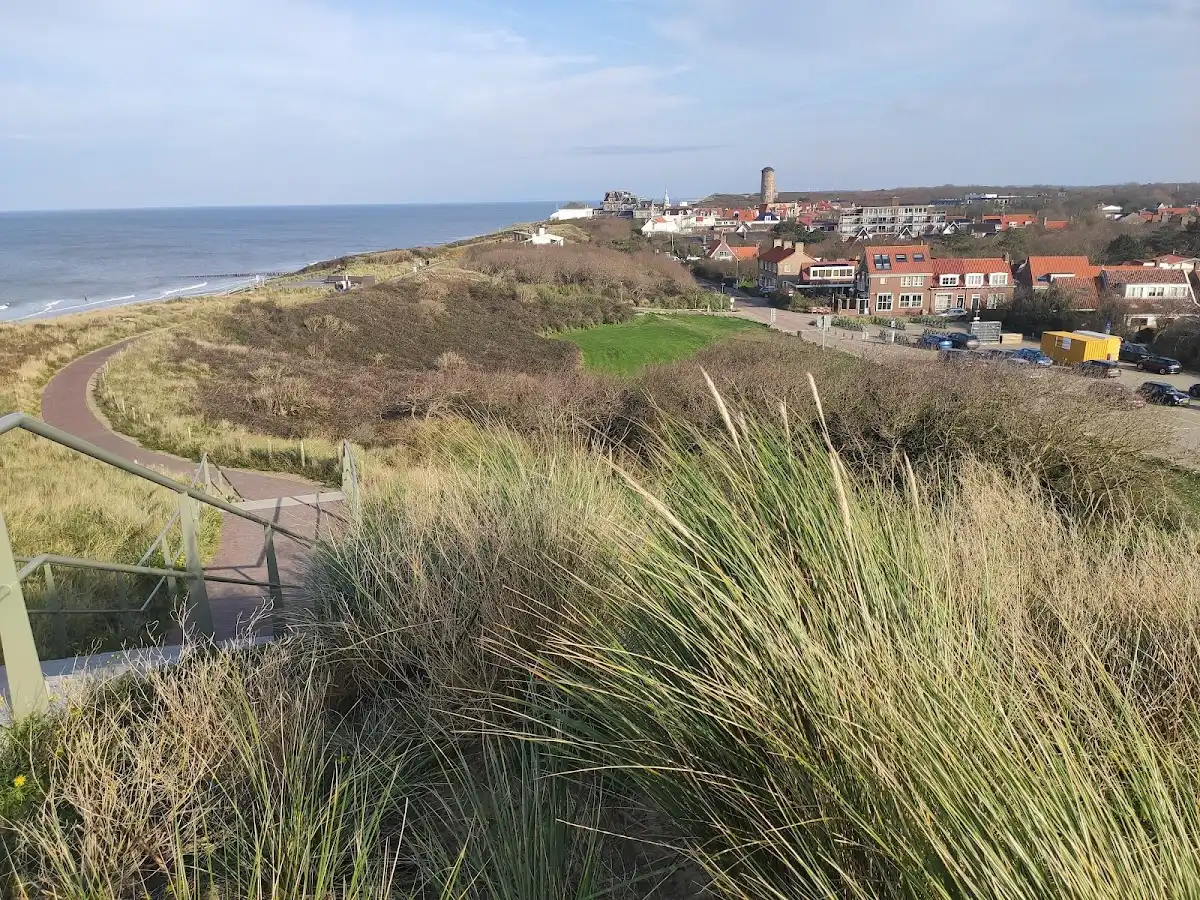
Domburg is not for anyone chasing big-city buzz, bar crawls, or a checklist of sights. It’s a small riverside town on the Suriname River, just south of Paramaribo, and it feels exactly like that: humid air, slow afternoons, the smell of river mud and street food smoke drifting together. For backpackers, the payoff is calm and access. It works best as a soft landing from Paramaribo or a base for nearby plantations and river trips, not as a standalone “destination.” You can reach it by local bus or shared taxi in under an hour, then walk most of what matters. Nights are quiet, social life is more plastic-chair bars than hostels, and you’ll meet more locals than travelers. It’s cheaper and more relaxed than Paramaribo, safer-feeling after dark, and useful if you like low-key, real-life Suriname between bigger adventures.

Discover everything you want to know in the 📖 Suriname Travel Guide.


Get your Suriname guide
43 ranked highlights, routes & tips, works offline (185 pages)
Loading the map 🌍
CLICK TO FILTER
cities
towns
villages
landmarks
national parks
hikes
beaches
attractions
festivals
regions
SHOW COUNTRY’S BESTSHOW ALL

✨ Why go?
Ranked #2 town in Suriname
What makes it a must-see town

Domburg in Suriname is a backpacker’s haven that strikes a balance between convenience and charm. Nestled along the coast, it serves as a gateway to nearby hikes and cultural sites. The walkable streets invite you to explore, with small-scale hostels and guesthouses that feel like home. You’ll find local food stalls serving up fresh catch and tropical fruits, filling the air with enticing aromas.

Most travelers stay a few days, soaking in the laid-back vibe. It’s a place where slow travelers and solo adventurers can connect over shared meals or swap stories in the common areas. The atmosphere is friendly, yet not overwhelming, making it easy to find your rhythm.

If you’re a hiker or someone who enjoys the quiet of nature, Domburg offers a perfect base. You can recharge after a day of exploration … read more 👉
Domburg in Suriname is a backpacker’s haven that strikes a balance between convenience and charm. Nestled along the coast, it serves as a gateway to nearby hikes and cultural sites. The walkable streets invite you to explore, with small-scale hostels and guesthouses that feel like home. You’ll find local food stalls serving up fresh catch and tropical fruits, filling the air with enticing aromas.

Most travelers stay a few days, soaking in the laid-back vibe. It’s a place where slow travelers and solo adventurers can connect over shared meals or swap stories in the common areas. The atmosphere is friendly, yet not overwhelming, making it easy to find your rhythm.

If you’re a hiker or someone who enjoys the quiet of nature, Domburg offers a perfect base. You can recharge after a day of exploration or simply enjoy the tranquility of the beach. This town isn’t just a stop; it’s a chance to embrace the essence of Suriname.
Want to include Domburg in your Suriname route?
Create a personalized Suriname itinerary that includes Domburg and the places that fit your trip — based on your travel style, budget, and available time. Get your route in seconds.

Generate my trip

💡 HighlightsThe experiences that define the visit

  1. Plantation Domburg remnants — Walkable traces of the 18th-19th century plantation that gave the town its name: scattered old foundations, palm-lined lanes and a handful of preserved structures that give a real sense of the town’s colonial agrarian origins.
  2. Domburg central market — A lively, small-town market where locals buy produce, fish and household goods; great for sampling street food, watching daily life and picking up fresh fruits or snacks on a budget.
  3. Main Church of Domburg — The town’s principal church building, an active community landmark where services and local events are held; it’s worth a quick visit for the stained glass, local atmosphere and to see how faith shapes village life.
  4. Old Domburg cemetery — A compact, weathered graveyard with tombstones and memorials that
read more 👉
  1. Plantation Domburg remnants — Walkable traces of the 18th-19th century plantation that gave the town its name: scattered old foundations, palm-lined lanes and a handful of preserved structures that give a real sense of the town’s colonial agrarian origins.
  2. Domburg central market — A lively, small-town market where locals buy produce, fish and household goods; great for sampling street food, watching daily life and picking up fresh fruits or snacks on a budget.
  3. Main Church of Domburg — The town’s principal church building, an active community landmark where services and local events are held; it’s worth a quick visit for the stained glass, local atmosphere and to see how faith shapes village life.
  4. Old Domburg cemetery — A compact, weathered graveyard with tombstones and memorials that reflect the town’s mixed cultural and historical threads; it’s quietly interesting for anyone who pays attention to local genealogy and history.
  5. Domburg market street and small-business strip — A short stretch of shops, food stalls and craft sellers where everyday commerce happens; good for cheap meals, buying basic supplies and experiencing the town’s tempo without tourist gloss.
  6. Riverside / green fringe near Domburg — The low-lying green edges and small waterways outside the immediate center offer easy walking, birdwatching and a sense of Surinamese rural life just minutes from town.
A few real, visitable highlights just outside Domburg that make perfect day trips: Paramaribo’s historic city center (UNESCO core), the plantation areas along the Commewijne River, and the mangrove-lined river walks and village communities a short drive away.
Spotted a mistake or missing something? Contact us.

Things to do near Domburg

Ratings based on Tripadvisor reviews. When you book through this link, you support our work at no extra cost to you.

🏘️ NeighborhoodsNeighborhood guide to Domburg

Domburg, a small coastal town in Suriname, offers a unique blend of tranquility and local culture, perfect for backpackers seeking both relaxation and adventure.

Domburg Beach
This area is the heart of the town, where the ocean breeze mingles with the scent of grilled fish from nearby shacks. The vibe is laid-back, ideal for sunbathers and surfers alike. Accommodations range from budget hostels to mid-range guesthouses, making it suitable for both short and longer stays. Walkability is high; everything is within a few minutes’ stroll. While nightlife is low-key, you can find a few bars that come alive on weekends.

The Village Center
Here, you’ll find local markets and eateries buzzing with life. The atmosphere is vibrant, filled with the sounds of vendors and the aroma of street food. … read more 👉
Domburg, a small coastal town in Suriname, offers a unique blend of tranquility and local culture, perfect for backpackers seeking both relaxation and adventure.

Domburg Beach
This area is the heart of the town, where the ocean breeze mingles with the scent of grilled fish from nearby shacks. The vibe is laid-back, ideal for sunbathers and surfers alike. Accommodations range from budget hostels to mid-range guesthouses, making it suitable for both short and longer stays. Walkability is high; everything is within a few minutes’ stroll. While nightlife is low-key, you can find a few bars that come alive on weekends.

The Village Center
Here, you’ll find local markets and eateries buzzing with life. The atmosphere is vibrant, filled with the sounds of vendors and the aroma of street food. This area is budget-friendly, perfect for backpackers looking to stretch their dollars. It’s walkable, but public transport is readily available for longer excursions. Ideal for short stays, the center offers a taste of local life without overwhelming you.

The Nature Reserve
Just outside the main town, this area is a haven for eco-enthusiasts. The lush greenery and wildlife provide a stark contrast to the beach vibe. It’s less walkable, requiring transport to access trails, but the payoff is worth it. Perfect for longer stays, this area allows for deeper exploration of Suriname’s natural beauty.

⌛️ 1 day1-day itinerary for Domburg

Domburg, a quaint town in Suriname, offers a slice of life that feels both untouched and vibrant. With its rich history and close-knit community, you’ll find a blend of colonial architecture and lush greenery that invites exploration. The air is thick with the scent of tropical flowers, and the sound of laughter from locals fills the streets.

Start your morning at the local market, where the colors of fresh produce pop against the backdrop of wooden stalls. Engage with vendors selling everything from ripe mangoes to handmade crafts. Grab a breakfast of roti and curry from a nearby stand; the spices will awaken your senses and fuel your day.

After breakfast, stroll through the historic neighborhood of Domburg. The architecture tells stories of a bygone era, with charming wooden houses and … read more 👉
Domburg, a quaint town in Suriname, offers a slice of life that feels both untouched and vibrant. With its rich history and close-knit community, you’ll find a blend of colonial architecture and lush greenery that invites exploration. The air is thick with the scent of tropical flowers, and the sound of laughter from locals fills the streets.

Start your morning at the local market, where the colors of fresh produce pop against the backdrop of wooden stalls. Engage with vendors selling everything from ripe mangoes to handmade crafts. Grab a breakfast of roti and curry from a nearby stand; the spices will awaken your senses and fuel your day.

After breakfast, stroll through the historic neighborhood of Domburg. The architecture tells stories of a bygone era, with charming wooden houses and vibrant murals. Make your way to the nearby Fort Domburg, a lesser-known site that offers a glimpse into Suriname’s colonial past. The fort’s walls, weathered yet proud, provide a perfect spot for photos and reflection.

As the sun climbs higher, head to the beach. The soft sand and gentle waves create a serene atmosphere. You can rent a kayak or simply lounge under a palm tree, soaking in the sun and the sound of the ocean. The locals often gather here, so don’t hesitate to join in on a game of beach soccer or share stories with friendly faces.

As evening approaches, wander into the heart of Domburg for dinner. Look for a small eatery serving traditional Surinamese dishes. The flavors are bold, with a mix of influences that reflect the town’s diverse heritage.

Finish your day by watching the sunset from the beach. The sky transforms into a canvas of oranges and purples, a perfect end to a day spent immersing yourself in the soul of Domburg.
Turn your Domburg visit into an Suriname adventure
Build a complete Suriname route with Domburg, hidden gems, must-see destinations, and realistic travel times included.

Generate my trip

🌤️ When to go?Weather, crowds, and seasonal trade-offs


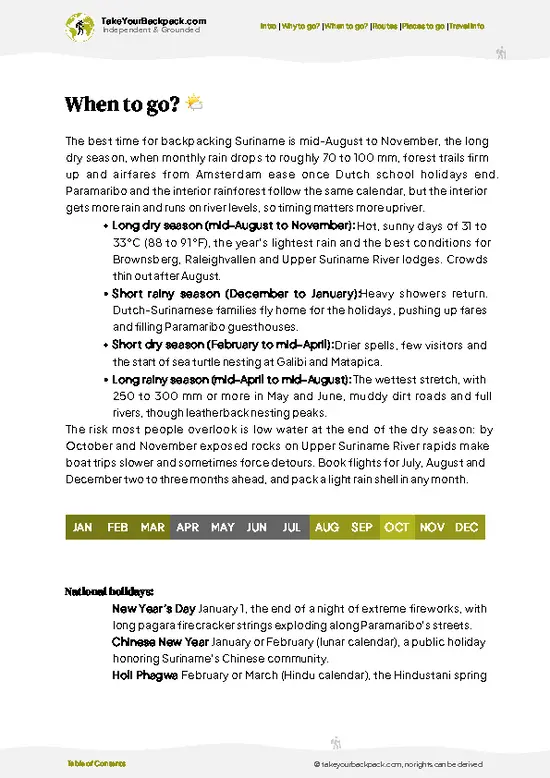
  • Topic: Weather — Domburg’s dry season from August to November is your best bet. Expect less humidity and minimal rain, making trails and beaches more accessible without the sticky, relentless dampness that dominates the wet season.

  • Topic: Temperature — Temperatures hover between 24°C and 31°C (75°F to 88°F) year-round, but the dry season feels cooler and more breathable. The wet season’s heat can feel oppressive, especially when combined with high humidity.

  • Topic: Daylight Hours — Near the equator, daylight stays steady around 12 hours daily. This consistency means you can plan hikes and explorations without worrying about early sunsets cutting your day short.

  • Topic: Crowds — The dry season draws more local tourists and some international visitors, but Domburg remains low-key compared
read more 👉

  • Topic: Weather — Domburg’s dry season from August to November is your best bet. Expect less humidity and minimal rain, making trails and beaches more accessible without the sticky, relentless dampness that dominates the wet season.

  • Topic: Temperature — Temperatures hover between 24°C and 31°C (75°F to 88°F) year-round, but the dry season feels cooler and more breathable. The wet season’s heat can feel oppressive, especially when combined with high humidity.

  • Topic: Daylight Hours — Near the equator, daylight stays steady around 12 hours daily. This consistency means you can plan hikes and explorations without worrying about early sunsets cutting your day short.

  • Topic: Crowds — The dry season draws more local tourists and some international visitors, but Domburg remains low-key compared to Suriname’s capital. You’ll find a lively atmosphere without the crush of peak-season crowds.

  • Topic: Seasonal Activities — Festivals and cultural events often align with the dry months, adding layers of local flavor. Plus, clearer skies mean better conditions for birdwatching and river excursions.

  • Topic: Price Fluctuations — Accommodation and tours tend to be pricier in the dry season due to demand. Booking ahead can secure better rates, while the wet season offers bargains if you’re flexible and prepared for rain.


Pro-tip: Aim for early dry season visits—August to September—when the air is fresh, prices haven’t peaked, and the town is waking up from the wet season’s lull.


source: climatestotravel.comJANJanuary: fair for travelingFEBFebruary: fair for travelingMARMarch: fair for travelingAPRApril: fair for travelingMAYMay: fair for travelingJUNJune: good for travelingJULJuly: good for travelingAUGAugust: excellent for travelingSEPSeptember: excellent for travelingOCTOctober: highly recommended for travelingNOVNovember: highly recommended for travelingDECDecember: fair for traveling
suriname-city-domburg
© Google |

✈️ The backpacker research shortcutSuriname Travel Guide

An offline-friendly backpacking guide with optimized travel routes, ranked highlights, transport advice, and the best areas to stay.
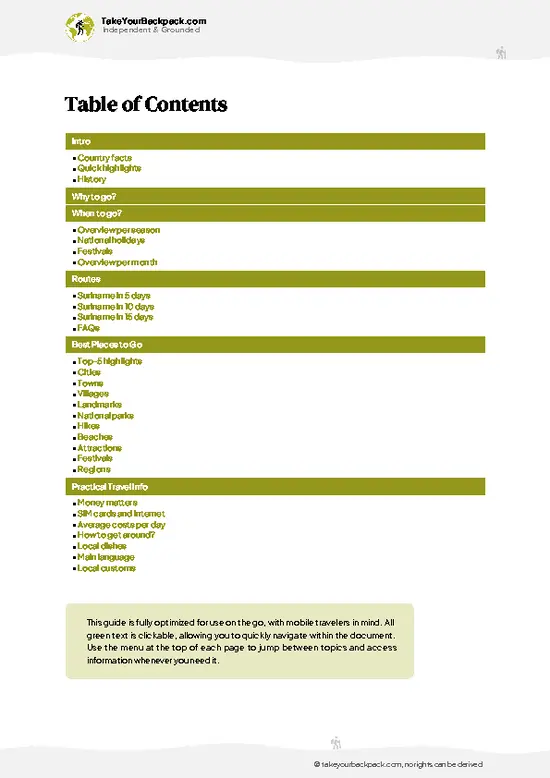
example page 0 from our offline Travel Guide for Suriname
example page 1 from our offline Travel Guide for Suriname
example page 2 from our offline Travel Guide for Suriname
example page 3 from our offline Travel Guide for Suriname
example page 4 from our offline Travel Guide for Suriname
example page 5 from our offline Travel Guide for Suriname
example page 6 from our offline Travel Guide for Suriname
example page 7 from our offline Travel Guide for Suriname
The digital guide (185 pages) contains:
43 highlights, ranked by travel appeal
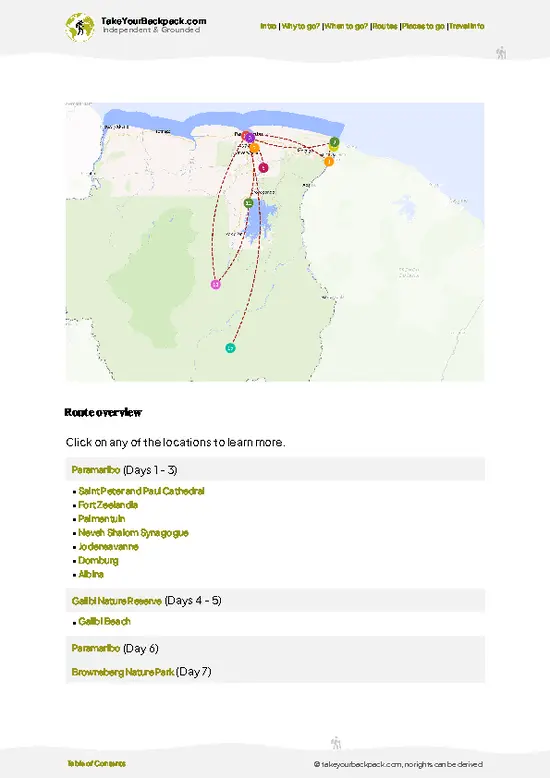
Optimized 5, 10 & 15-day travel routes
Cities, national parks, landmarks, beaches
How to get around
Offline-friendly for travel without Wi-Fi
👉 Click to see all 30+ guide features

📅 Plan smarter in minutes, not weeks
Month by month travel advice
Festivals & national holidays
Budget expectations

🗺️ Go to the right places, skip the overrated ones
Honest pros & cons of destinations
Top hikes, parks & viewpoints
Lesser-known places most travelers miss
Clear “worth it vs skip it” guidance

🛏️ Travel smoothly without rookie mistakes
Best areas to stay
Transport systems explained simply
Common scams & safety advice
SIM cards, money & practical tips

🌍 Understand the country, not just visit it
Culture & traditions
52 Essential phrases & customs
Festivals worth planning around
Traveler-friendly historical context
Insights that make places more meaningful

📱 Built for real travel conditions
Fully downloadable PDF
Works completely offline
Optimized for phone use
Useful in remote areas & buses
Everything in one place
Save weeks of stressful planning
Get instant access to your full guide. 30‑day money-back guarantee.
+ Add another guide for just US$7.80

By proceeding you agree to our terms.
Sent to your inbox immediately after payment • 100% Secure Checkout
Best Backpacking Travel Advisor 2025 tourism awardBest Backpacking
Travel Advisor
2025
What others say about Take Your Backpack Guides:
⭐⭐⭐⭐⭐
Fantastic, amazing amount of information!
⭐⭐⭐⭐⭐
My goodness this is amazing, it's what I've been looking for hats off too you!
⭐⭐⭐⭐⭐
I think this is absolutely BRILLIANT
⭐⭐⭐⭐
Very complete and informative. It's still missing places, but I gotta to commend you
⭐⭐⭐⭐⭐
This is truly amazing, thank you, can't wait to explore it with my kids!
⭐⭐⭐⭐⭐
Awesome resource, thank you!
⭐⭐⭐⭐⭐
This is amazing! Can't wait to explore the ones I haven't seen
⭐⭐⭐⭐
I love this! Well done, great idea.
⭐⭐⭐⭐⭐
Thanks for taking the time to make this gem!
⭐⭐⭐⭐⭐
This might be the best website I've ever seen.
⭐⭐⭐⭐⭐
Congratulations, and thank you so much for your work; it's incredibly valuable.
⭐⭐⭐⭐
In all seriousness I think you did a great job pointing out the important spots
⭐⭐⭐⭐⭐
10/10 very good
⭐⭐⭐⭐⭐
As someone who's only just starting to visit regularly this is awesome, thank you.
⭐⭐⭐⭐
Thank you very much! I'm going to visit my dad, it's going to be very useful!
⭐⭐⭐⭐⭐
This is really cool! We'll be travelling for the first time and this definitely come in handy.
⭐⭐⭐⭐⭐
You are now our minister of culture, congratulations 👨‍💼
⭐⭐⭐⭐⭐
Just wanted to tell you that this is a pearl! Going to follow your recommendations.
⭐⭐⭐⭐⭐
This is so cool. I'll definitely be using the resource for my travels soon.
⭐⭐⭐⭐⭐
This is very impressive! Good work.
⭐⭐⭐⭐⭐
This is an amazing and informative site. Very well done!

🛏️ Where to stay?Best areas to stay in Suriname

Domburg’s backpacker sweet spot is the area around the central market and the main street that runs through town. This neighborhood hums with local life—vendors calling out, the scent of fresh produce mixing with the earthy tang of rain-soaked pavement. It’s where you’ll find the most budget-friendly hostels, often small, family-run spots that feel more like a friend’s guesthouse than a sterile dorm. Staying here means you’re plugged into the pulse of Domburg, with easy access to street food stalls and the chance to swap stories with other solo travelers over a cold drink.

Compared to the quieter … read more 👉
Domburg’s backpacker sweet spot is the area around the central market and the main street that runs through town. This neighborhood hums with local life—vendors calling out, the scent of fresh produce mixing with the earthy tang of rain-soaked pavement. It’s where you’ll find the most budget-friendly hostels, often small, family-run spots that feel more like a friend’s guesthouse than a sterile dorm. Staying here means you’re plugged into the pulse of Domburg, with easy access to street food stalls and the chance to swap stories with other solo travelers over a cold drink.

Compared to the quieter residential zones on the outskirts, this central area is safer after dark because there’s always someone around. The streets are well-lit, and the local shopkeepers keep an eye out for newcomers. Plus, the social vibe is unbeatable—hostels here often organize group outings to nearby nature spots or cultural events, making it easier to break the ice. If you want to skip the isolation of more remote lodgings and dive straight into the town’s rhythm, this is your base. It’s not polished or touristy, but that’s exactly why it feels authentic and welcoming.

🚌 Getting aroundMoving around without the hassle

Domburg moves at the pace of the tides—steady, predictable, but with a laid-back rhythm that invites you to slow down and breathe in the salty air. The town’s charm isn’t in a frantic rush but in the gentle ebb and flow of daily life, where the scent of seaweed and fresh bread mingles in the morning light. Here, schedules exist but feel more like friendly suggestions than strict rules. You’ll find locals strolling the cobbled streets, bikes clattering over brick, and the occasional ferry horn cutting through the mist. Understanding this flow means you don’t just get from point A to B—you glide through the town’s atmosphere, making every step part of the experience.


  • Walking: Domburg is compact and flat, making walking the best way to soak in its character. Most key spots—from the beach
read more 👉
Domburg moves at the pace of the tides—steady, predictable, but with a laid-back rhythm that invites you to slow down and breathe in the salty air. The town’s charm isn’t in a frantic rush but in the gentle ebb and flow of daily life, where the scent of seaweed and fresh bread mingles in the morning light. Here, schedules exist but feel more like friendly suggestions than strict rules. You’ll find locals strolling the cobbled streets, bikes clattering over brick, and the occasional ferry horn cutting through the mist. Understanding this flow means you don’t just get from point A to B—you glide through the town’s atmosphere, making every step part of the experience.


  • Walking: Domburg is compact and flat, making walking the best way to soak in its character. Most key spots—from the beach to the historic center—are within 15 minutes on foot. Walking costs nothing, and the early morning light on the dunes is worth the extra time.


  • Bicycle Rental: Renting a bike is the classic Dutch move here. Rentals start around €10 per day, with shops opening by 9 a.m. and closing around 6 p.m. Cycling lets you cover more ground—like the nearby nature reserves—while still feeling the breeze and hearing the crunch of gravel under your tires.


  • Local Bus (Connexxion): The bus connects Domburg to nearby towns like Middelburg and Vlissingen. Buses run roughly every 30 minutes from early morning (around 6 a.m.) until late evening (around 10 p.m.). Tickets cost about €3-4 per ride. It’s slower than a bike but perfect for longer trips without the hassle of parking.


  • Taxi Services: Taxis are available but pricey—expect €15-20 for short rides within town. Use them sparingly, mainly for late-night returns or when carrying heavy gear. They’re reliable but don’t expect the spontaneity of a city cab; booking ahead is smart.


  • Ferry to Veere: A charming option for a day trip, the ferry runs seasonally with departures every hour from mid-morning to early evening. Tickets are around €5 one-way. It’s slower than the bus but offers a scenic break and a fresh perspective on the Zeeland coastline.

👛 Costs (as of 4 September 2026)How expensive it really is

Backpacking in Domburg, Suriname, offers a laid-back vibe with costs that reflect its small-town charm and limited tourist infrastructure. Here’s what you can expect to spend daily as an independent traveler.
  • Dorm Accommodation: Options are sparse, but basic guesthouses or hostels offer dorm beds around €10 to €15 per night. Expect simple rooms with essential amenities—think mosquito nets, a fan, and shared bathrooms. It’s not luxury, but it’s clean and functional.
  • Meals: Local eateries serve up hearty Surinamese dishes for about €3 to €6 per meal. Street food and small warungs are your best bet for budget-friendly, flavorful bites—rice, beans, fried fish, and fresh fruit. If you opt for a café or tourist spot, prices can creep up to €8 or €10.
  • Local Transport: Getting around Domburg is
read more 👉
Backpacking in Domburg, Suriname, offers a laid-back vibe with costs that reflect its small-town charm and limited tourist infrastructure. Here’s what you can expect to spend daily as an independent traveler.
  • Dorm Accommodation: Options are sparse, but basic guesthouses or hostels offer dorm beds around €10 to €15 per night. Expect simple rooms with essential amenities—think mosquito nets, a fan, and shared bathrooms. It’s not luxury, but it’s clean and functional.
  • Meals: Local eateries serve up hearty Surinamese dishes for about €3 to €6 per meal. Street food and small warungs are your best bet for budget-friendly, flavorful bites—rice, beans, fried fish, and fresh fruit. If you opt for a café or tourist spot, prices can creep up to €8 or €10.
  • Local Transport: Getting around Domburg is straightforward but limited. Shared minibuses or local buses cost roughly €0.50 to €1 per ride. For short distances, expect to pay around €1 to €2 for a moto-taxi. Renting a bike is another affordable option, usually around €5 to €7 per day.
  • Basic Activities/Entry Fees: Domburg’s main draws are natural—beaches, small nature reserves, and local markets. Entry fees are minimal or nonexistent, but guided tours or boat trips to nearby spots can run €10 to €20. Budget for occasional tips or small fees for local guides.
  • Miscellaneous Expenses: This covers essentials like bottled water (€0.50), snacks, occasional laundry (€3 to €5), and phone credit for local SIM cards (€5 to €10 for a decent data package). Small extras add up but stay manageable if you keep an eye on them.

All told, a realistic daily budget for backpacking in Domburg falls between €20 and €40. This range balances the basics with a few modest splurges, letting you soak in the atmosphere without stretching your wallet. The town’s simplicity means every euro goes further, especially when you embrace local rhythms and tastes.


source: surinametourism.com
⚠️ Prices can change and everyone travels differently, so take this as a rough guide. Hope it helps you plan your adventure!

🚌 Day tripsEasy escapes and nearby places

Domburg, Suriname, is a backpacker’s dream base for day trips, offering a blend of adventure and cultural immersion. The lush surroundings and vibrant local life make every outing feel like a mini-journey into the heart of Suriname.

1. Brownsberg Nature Park
Just a couple of hours from Domburg, Brownsberg is a paradise for nature lovers. The park features stunning waterfalls and hiking trails that wind through dense rainforest. Expect to pay around $5 for entry, plus transport costs. The best time to visit is during the dry season, from August to November, when trails are less muddy. A common mistake is underestimating the hike’s difficulty; wear sturdy shoes and bring plenty of water. The reward? A breathtaking view from the top that makes every step worth it.
👉 Explore Brownsberg Nature read more 👉
Domburg, Suriname, is a backpacker’s dream base for day trips, offering a blend of adventure and cultural immersion. The lush surroundings and vibrant local life make every outing feel like a mini-journey into the heart of Suriname.

1. Brownsberg Nature Park
Just a couple of hours from Domburg, Brownsberg is a paradise for nature lovers. The park features stunning waterfalls and hiking trails that wind through dense rainforest. Expect to pay around $5 for entry, plus transport costs. The best time to visit is during the dry season, from August to November, when trails are less muddy. A common mistake is underestimating the hike’s difficulty; wear sturdy shoes and bring plenty of water. The reward? A breathtaking view from the top that makes every step worth it.
👉 Explore Brownsberg Nature Park

2. Paramaribo
A day trip to Paramaribo, the capital, is a must. It’s about an hour and a half away by bus, costing around $3. The city’s colonial architecture and lively markets offer a rich cultural experience. Aim to visit on a Saturday when the Central Market is buzzing with local vendors. Don’t miss the chance to try some street food; the roti is a standout. First-timers often overlook the importance of timing; arriving early lets you soak in the atmosphere before it gets too crowded.
👉 Explore Paramaribo

3. Peperpot Nature Park
Only a short ride from Domburg, Peperpot is a hidden treasure. This former plantation turned nature reserve is perfect for a leisurely stroll. The entrance fee is minimal, around $2, and you can easily spend a few hours exploring. The best time to go is early morning when the wildlife is most active. Many backpackers miss the guided tours that provide insights into the flora and fauna; these are well worth the small extra cost.
👉 Explore Peperpot Nature Park

4. Fort Zeelandia
This historical site in Paramaribo is rich with stories of Suriname’s colonial past. It’s about an hour and a half from Domburg, with a bus fare of around $3. The fort’s museum offers a glimpse into the country’s history, and the views of the Suriname River are stunning. The best time to visit is during the late afternoon when the light casts a golden hue over the water. A common mistake is rushing through; take your time to absorb the atmosphere and enjoy a cold drink at the nearby café.
👉 Explore Fort Zeelandia
Want to know what more Suriname offers?
The Suriname Travel Guide describes 43 highlights, from cities to national parks, from beaches to hikes

Get the Travel Guide -

🛡️ SafetyStaying Safe: What Travelers Should Know

Domburg, Suriname, is generally safe, but a few practical tips can enhance your experience. The town’s laid-back vibe is inviting, yet staying aware is key. Stick to well-lit areas at night, especially if you’re solo. The beach is beautiful, but after sunset, it can feel a bit isolated.

Watch for the occasional overzealous vendor; they might try to upsell you on local crafts. A friendly smile and firm “no, thank you” usually do the trick.

Keep your belongings close, especially in crowded spots. While serious crime is rare, petty theft can happen. Use a crossbody bag for easy access and peace of mind.

Overall, embrace the local rhythm, engage with the community, and you’ll find Domburg to be a welcoming place. Just a little awareness goes a long way in making your adventure smooth and enjoyable.

FAQTraveler FAQ

Yes, Domburg is worth visiting for its historical sites and local culture, not just as a stopover. It offers a glimpse into Suriname's colonial past with landmarks like the old plantation houses. The town's small size makes it easy to explore in a relaxed manner.
Two days are sufficient to explore Domburg thoroughly. This allows time to visit key attractions such as the local museum and nearby nature spots without rushing. Staying overnight also gives a chance to experience the town's quiet evening atmosphere.
Yes, Domburg can be visited as a day trip from Paramaribo, which is about 30 kilometers away. The trip takes roughly 45 minutes by car or bus, making it convenient for a day visit. This option suits travelers with limited time who want to see historical sites outside the capital.
⚠️ Things can change over time, so always validate details locally before you go.

Other Surinamese towns near Domburg

Explore more nearby:

  • Albina—Marowijne River crossing, border town, ferry terminal| 113 km away
  • Totness—Coastal savanna, Saramacca River mouth, small settlements| 139 km away
  • Wageningen—Rice fields, agricultural station, canal grid| 177 km away

💡 Not sure where to go next?
Create a personalized itinerary for Suriname including Domburg and the places that fit your trip.

Generate my itinerary

👉 Discover all towns

Or checkout all Suriname has to offer (think cities, towns, villages, national parks, hikes, beaches, festivals)
Country photo of Suriname

We 💚 feedbackKey takeaways before you go

Domburg has a laid-back vibe that feels like a secret escape. The air is thick with the scent of salt and earth, a reminder of the coast and the lush jungle nearby. Don’t miss the local fish market at dawn; it’s a sensory overload of colors and sounds. Just a heads-up: the roads can be rough, so a sturdy vehicle is a must. Embrace the imperfections; they lead to the best stories. Trust me, you’ll leave with a piece of Domburg in your heart.

✍️ Help improve this page!
The information on this page is based on in-depth research, insights shared by experienced travelers, and feedback from the local travel community in Suriname. While every effort is made to keep the information accurate and current, conditions can change — so if you spot anything incorrect or outdated, please get in touch.


🙋‍♂️ Give feedback

👋 Meet the founderWho’s Behind Take Your Backpack?

Johan, backpacker and founder of TakeYourBackpackHi, I’m Johan (Netherlands 🇳🇱), the creator of TakeYourBackpack. Over the past decade, I’ve backpacked through 80+ countries across six continents, gaining extensive experience with independent travel, long-term trips, and overland routes.

This site is built on a combination of firsthand travel experience and carefully curated insights from other backpackers. Many guides are based on places I’ve personally visited, while others bring together tips, observations, and practical advice shared by trusted travelers I’ve met along the way.

The goal is to provide realistic, experience-driven guidance — not generic itineraries — so you can explore destinations with better context, clearer expectations, and more confidence.

Get full Suriname guide •
Instant download • 43 highlights • Full Offline guide