
×

Suriname🇸🇷 | festivalsMaroon DayAfro-Surinamese heritage, riverbank gatherings, drum ceremonies | things to do and best time to go

Explore Keti KotiExplore Owru Yari

Backpacking in Maroon Day
🌟 Highlightfestival ranked #3
By Johan Kruseman 🇳🇱 | Updated September 4, 2026

Maroon Day is not for travelers who want polished stages, tight schedules, and Instagram-perfect comfort. It’s loud, chaotic, and raw. That’s exactly why backpackers should go. You trade convenience for contact with living history. Maroon Day happens mainly in and around Paramaribo and Maroon communities along the upper Suriname River, with the capital acting as the main hub. The festival celebrates the freedom and culture of Suriname’s Maroon peoples, with pounding kawina and aleke rhythms, traditional drumming, call-and-response singing, and modern dancehall bleeding from speakers. Expect a local-heavy crowd: families in traditional dress, youth crews in football jerseys, a scattering of regional visitors, and a tiny handful of outsiders. The vibe is proud, crowded, and physical. It usually runs as a single main day with events spilling over the surrounding days, and it’s worth it if you want culture first, comfort second.

Discover everything you want to know in the 📖 Suriname Travel Guide.


Get your Suriname guide
43 ranked highlights, routes & tips, works offline (185 pages)
Loading the map 🌍
CLICK TO FILTER
cities
towns
villages
landmarks
national parks
hikes
beaches
attractions
festivals
regions
SHOW COUNTRY’S BESTSHOW ALL

✨ Why go?
Ranked #3 festival in Suriname
Why Maroon Day should be on your travel list

Backpackers flock to Suriname for Maroon Day because it’s a vibrant celebration of culture and community. This festival isn’t just an event; it’s a social energy powerhouse that pulls you into the heart of Surinamese heritage. Imagine dancing to live music, surrounded by locals who welcome you like family. You’re not just a spectator; you’re part of a temporary community that thrives on shared joy.

Planning your route around Maroon Day means you’re diving deep into cultural immersion. It’s a chance to taste authentic dishes, hear stories passed down through generations, and witness traditional rituals that are rarely seen by outsiders. Plus, it’s incredibly affordable compared to similar festivals worldwide, allowing you to stretch your budget for other adventures.

Integrating Maroon Day … read more 👉
Backpackers flock to Suriname for Maroon Day because it’s a vibrant celebration of culture and community. This festival isn’t just an event; it’s a social energy powerhouse that pulls you into the heart of Surinamese heritage. Imagine dancing to live music, surrounded by locals who welcome you like family. You’re not just a spectator; you’re part of a temporary community that thrives on shared joy.

Planning your route around Maroon Day means you’re diving deep into cultural immersion. It’s a chance to taste authentic dishes, hear stories passed down through generations, and witness traditional rituals that are rarely seen by outsiders. Plus, it’s incredibly affordable compared to similar festivals worldwide, allowing you to stretch your budget for other adventures.

Integrating Maroon Day into your travel plans is a smart move. It serves as a catalyst for exploring the lush jungles and vibrant towns of Suriname. You’ll leave with more than just memories; you’ll carry the spirit of the festival with you, fueling your journey ahead.
Want to include Maroon Day in your Suriname route?
Create a personalized Suriname itinerary that includes Maroon Day and the places that fit your trip — based on your travel style, budget, and available time. Get your route in seconds.

Generate my trip

💡 HighlightsThe experiences that define the visit

  • Raw drumming, singing and communal dancing — The heartbeat of Maroon Day is percussion: layered drums, hand-claps and call-and-response vocals that pull everyone into the circle. It’s not a staged show but a communal exchange, so the rhythms change with the dancers and the elders’ cues. Expect infectious polyrhythms you won’t hear in the tourist circuit.
  • Ancestral ceremonies and oral storytelling — Elders lead short rites, libations and public storytelling that link today’s celebrations to escape, survival and lineage. It’s intimate and heavy with meaning; you’ll hear local histories and myths delivered in the voices of people who live them. Those moments make the festival feel like living history, not a performance.
  • River processions and village pageantry — Many Maroon communities are
read more 👉
  • Raw drumming, singing and communal dancing — The heartbeat of Maroon Day is percussion: layered drums, hand-claps and call-and-response vocals that pull everyone into the circle. It’s not a staged show but a communal exchange, so the rhythms change with the dancers and the elders’ cues. Expect infectious polyrhythms you won’t hear in the tourist circuit.
  • Ancestral ceremonies and oral storytelling — Elders lead short rites, libations and public storytelling that link today’s celebrations to escape, survival and lineage. It’s intimate and heavy with meaning; you’ll hear local histories and myths delivered in the voices of people who live them. Those moments make the festival feel like living history, not a performance.
  • River processions and village pageantry — Many Maroon communities are built along rivers, so celebrations often spill onto the water with decorated dugout canoes and waterfront gatherings. The vibe is rustic and festive at once: a parade of boats, villagers in full regalia, kids running around, and music bouncing off the riverbanks. It’s a great way to see how culture and landscape are inseparable here.
  • Hearty, local Maroon food and communal feasts — Expect cassava-based staples (like traditional cassava bread), smoked fish and one-pot stews made with locally foraged greens and spices. Meals are served family-style and often shared with visitors; eating here is both practical and ceremonial. The flavors are simple, smoky and rooted in the interior’s ingredients.
  • Handmade crafts, dress and living traditions — You’ll see distinctive clothing, beadwork, basketry and woodcarvings that are made for use, not mass production. Buying something directly supports artisans and gives a tangible connection to techniques passed down generations. The pride in craft and ceremonial dress is visible everywhere — bracelets, woven bags, carved tools — and it tells stories about identity and belonging.
Spotted a mistake or missing something? Contact us.

🌤️ When to go?When is the celebration of Maroon Day?


  • Topic: Weather – Maroon Day falls in October, right at the tail end of Suriname’s rainy season. Expect humidity and frequent showers, with temperatures hovering between 24°C and 31°C (75°F to 88°F). Pack a lightweight rain jacket and quick-dry gear to stay nimble.

  • Topic: Temperature – Days stay warm, but evenings can dip slightly cooler, around 23°C (73°F). This means layering is smart—think breathable shirts by day, a light fleece or long sleeves by night.

  • Topic: Daylight Hours – Suriname sits near the equator, so daylight stays steady at about 12 hours. You’ll have plenty of time to dive into festival events and explore the surrounding jungle without racing the sunset.

  • Topic: Crowds – The festival draws locals and adventurous travelers alike, but it’s not overrun. Arriving early
read more 👉

  • Topic: Weather – Maroon Day falls in October, right at the tail end of Suriname’s rainy season. Expect humidity and frequent showers, with temperatures hovering between 24°C and 31°C (75°F to 88°F). Pack a lightweight rain jacket and quick-dry gear to stay nimble.

  • Topic: Temperature – Days stay warm, but evenings can dip slightly cooler, around 23°C (73°F). This means layering is smart—think breathable shirts by day, a light fleece or long sleeves by night.

  • Topic: Daylight Hours – Suriname sits near the equator, so daylight stays steady at about 12 hours. You’ll have plenty of time to dive into festival events and explore the surrounding jungle without racing the sunset.

  • Topic: Crowds – The festival draws locals and adventurous travelers alike, but it’s not overrun. Arriving early in October means you’ll catch the buzz before the peak tourist season kicks in around November.

  • Topic: Seasonal Activities – October’s mix of rain and sun keeps the jungle lush, perfect for combining Maroon Day with hikes or river trips. Just plan for muddy trails and occasional downpours.

  • Topic: Price Fluctuations – Accommodation and transport prices remain reasonable before the high season. Booking early locks in better rates and avoids last-minute surges as the festival nears.


Pro-tip: Time your trip for early October to dodge the worst rains, enjoy manageable crowds, and stretch your budget—this way, you keep your energy for the festival’s pulse, not the weather’s tantrums.


source: climatestotravel.comJANJanuary: not recommended for travelingFEBFebruary: not recommended for travelingMARMarch: not recommended for travelingAPRApril: not recommended for travelingMAYMay: not recommended for travelingJUNJune: not recommended for travelingJULJuly: not recommended for travelingAUGAugust: not recommended for travelingSEPSeptember: not recommended for travelingOCTOctober: excellent for travelingNOVNovember: not recommended for travelingDECDecember: not recommended for traveling

✈️ The backpacker research shortcutSuriname Travel Guide

An offline-friendly backpacking guide with optimized travel routes, ranked highlights, transport advice, and the best areas to stay.
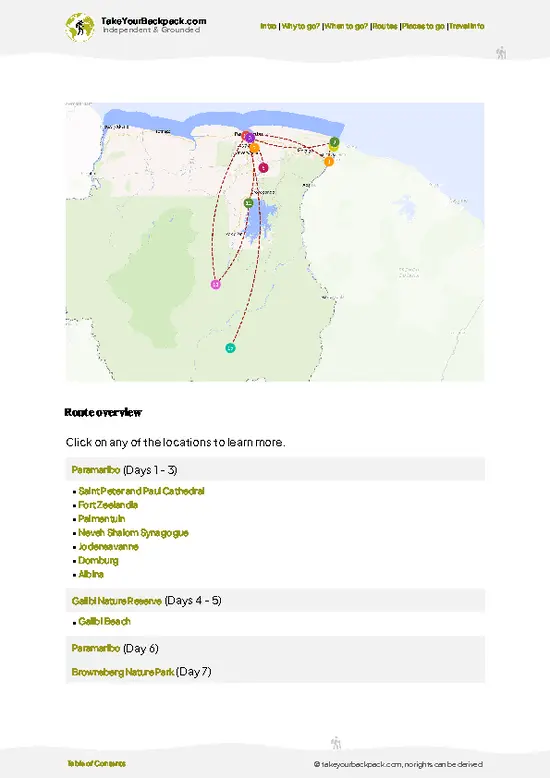
example page 0 from our offline Travel Guide for Suriname
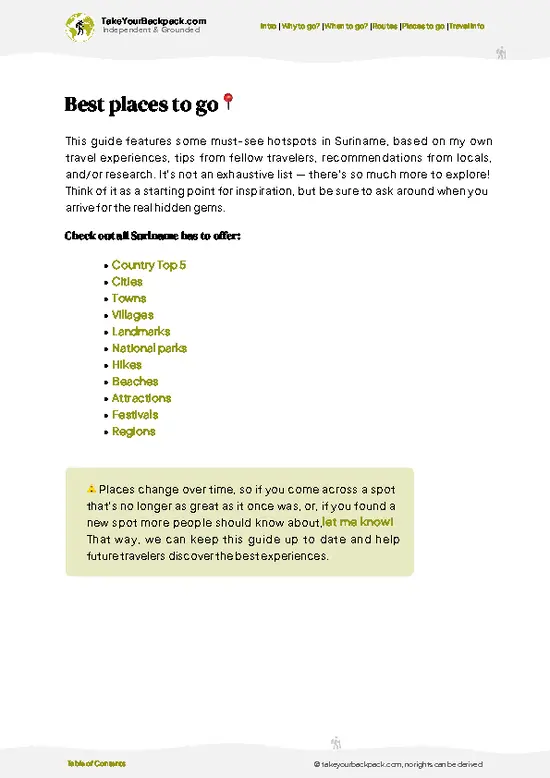
example page 1 from our offline Travel Guide for Suriname
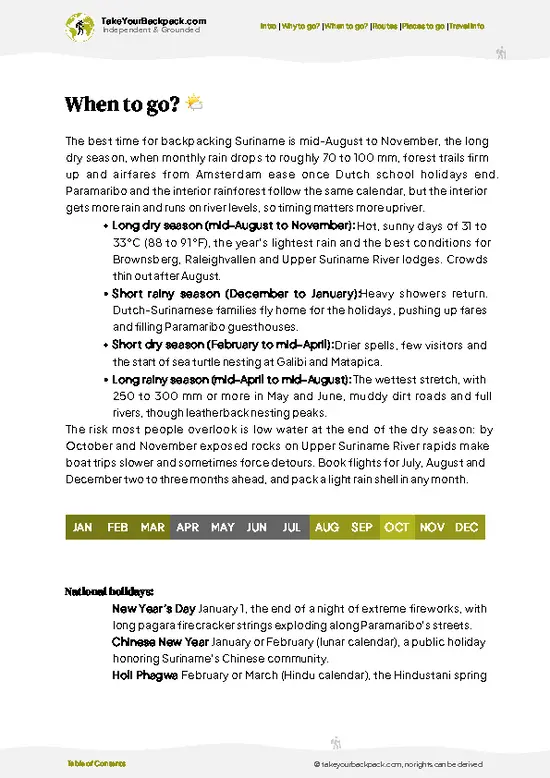
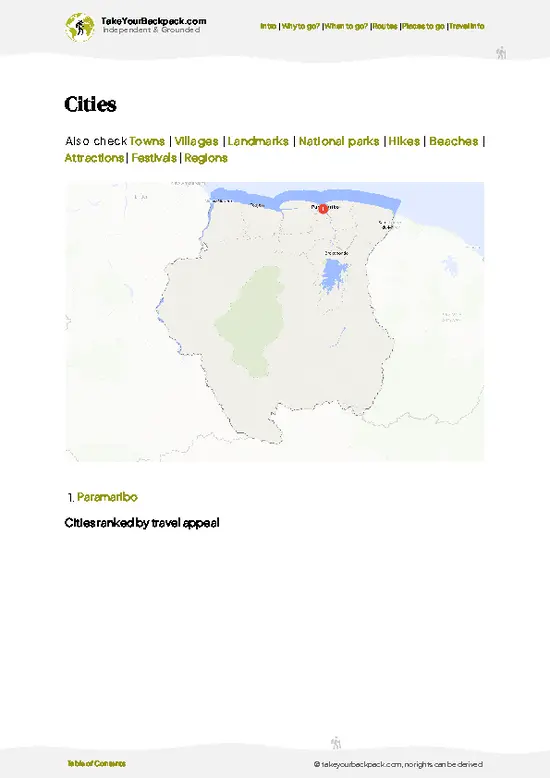
example page 2 from our offline Travel Guide for Suriname
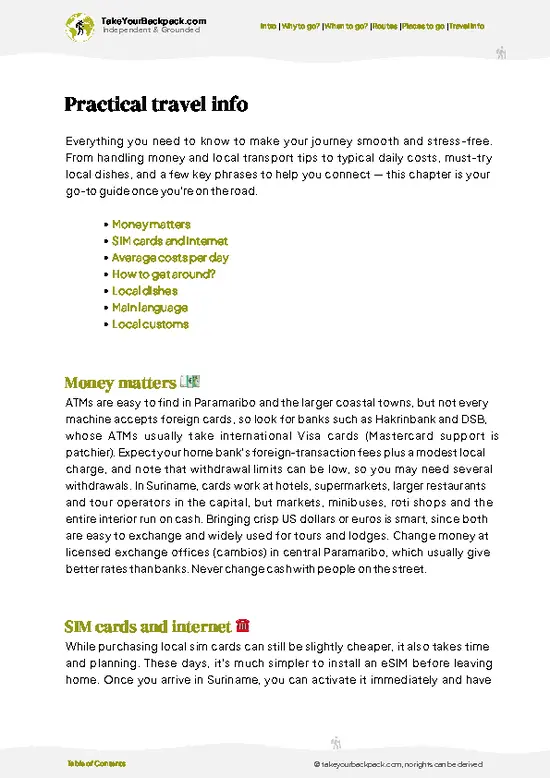
example page 3 from our offline Travel Guide for Suriname
example page 4 from our offline Travel Guide for Suriname
example page 5 from our offline Travel Guide for Suriname
example page 6 from our offline Travel Guide for Suriname
example page 7 from our offline Travel Guide for Suriname
The digital guide (185 pages) contains:
43 highlights, ranked by travel appeal
Optimized 5, 10 & 15-day travel routes
Cities, national parks, landmarks, beaches
How to get around
Offline-friendly for travel without Wi-Fi
👉 Click to see all 30+ guide features

📅 Plan smarter in minutes, not weeks
Month by month travel advice
Festivals & national holidays
Budget expectations

🗺️ Go to the right places, skip the overrated ones
Honest pros & cons of destinations
Top hikes, parks & viewpoints
Lesser-known places most travelers miss
Clear “worth it vs skip it” guidance

🛏️ Travel smoothly without rookie mistakes
Best areas to stay
Transport systems explained simply
Common scams & safety advice
SIM cards, money & practical tips

🌍 Understand the country, not just visit it
Culture & traditions
52 Essential phrases & customs
Festivals worth planning around
Traveler-friendly historical context
Insights that make places more meaningful

📱 Built for real travel conditions
Fully downloadable PDF
Works completely offline
Optimized for phone use
Useful in remote areas & buses
Everything in one place
Save weeks of stressful planning
Get instant access to your full guide. 30‑day money-back guarantee.
+ Add another guide for just R$44.25

By proceeding you agree to our terms.
Sent to your inbox immediately after payment • 100% Secure Checkout
Best Backpacking Travel Advisor 2025 tourism awardBest Backpacking
Travel Advisor
2025
What others say about Take Your Backpack Guides:
⭐⭐⭐⭐⭐
Fantastic, amazing amount of information!
⭐⭐⭐⭐⭐
My goodness this is amazing, it's what I've been looking for hats off too you!
⭐⭐⭐⭐⭐
I think this is absolutely BRILLIANT
⭐⭐⭐⭐
Very complete and informative. It's still missing places, but I gotta to commend you
⭐⭐⭐⭐⭐
This is truly amazing, thank you, can't wait to explore it with my kids!
⭐⭐⭐⭐⭐
Awesome resource, thank you!
⭐⭐⭐⭐⭐
This is amazing! Can't wait to explore the ones I haven't seen
⭐⭐⭐⭐
I love this! Well done, great idea.
⭐⭐⭐⭐⭐
Thanks for taking the time to make this gem!
⭐⭐⭐⭐⭐
This might be the best website I've ever seen.
⭐⭐⭐⭐⭐
Congratulations, and thank you so much for your work; it's incredibly valuable.
⭐⭐⭐⭐
In all seriousness I think you did a great job pointing out the important spots
⭐⭐⭐⭐⭐
10/10 very good
⭐⭐⭐⭐⭐
As someone who's only just starting to visit regularly this is awesome, thank you.
⭐⭐⭐⭐
Thank you very much! I'm going to visit my dad, it's going to be very useful!
⭐⭐⭐⭐⭐
This is really cool! We'll be travelling for the first time and this definitely come in handy.
⭐⭐⭐⭐⭐
You are now our minister of culture, congratulations 👨‍💼
⭐⭐⭐⭐⭐
Just wanted to tell you that this is a pearl! Going to follow your recommendations.
⭐⭐⭐⭐⭐
This is so cool. I'll definitely be using the resource for my travels soon.
⭐⭐⭐⭐⭐
This is very impressive! Good work.
⭐⭐⭐⭐⭐
This is an amazing and informative site. Very well done!

🛏️ Where to stay?How to pick the right area

When you’re gearing up for Maroon Day in Suriname, the right base can make all the difference. Head to Paramaribo, the capital, where the energy pulses with life. This city is a melting pot of cultures, and you’ll find plenty of budget-friendly spots that welcome solo travelers and backpackers alike.

Stay near the historic district. The streets buzz with music and laughter, and you’re just a stone’s throw from the festival’s heart. Look for areas around the waterfront; the vibe is social, and you’ll meet fellow adventurers over local dishes.

Don’t overlook the neighborhoods like the vibrant … read more 👉
When you’re gearing up for Maroon Day in Suriname, the right base can make all the difference. Head to Paramaribo, the capital, where the energy pulses with life. This city is a melting pot of cultures, and you’ll find plenty of budget-friendly spots that welcome solo travelers and backpackers alike.

Stay near the historic district. The streets buzz with music and laughter, and you’re just a stone’s throw from the festival’s heart. Look for areas around the waterfront; the vibe is social, and you’ll meet fellow adventurers over local dishes.

Don’t overlook the neighborhoods like the vibrant Torarica or the laid-back area around the Central Market. These spots are safe, with a mix of locals and travelers, making it easy to connect.

Keep an eye out for communal spaces; they’re goldmines for tips and stories. The key is to choose places that foster interaction. You want to be where the action is, but also where you can recharge after a day of festivities. This way, you preserve your energy and budget for the moments that truly matter.

👛 Costs (as of 4 September 2026)Typical daily expenses

Maroon Day in Suriname is a vibrant celebration, but navigating the costs can be tricky. Here’s a breakdown to keep your budget intact while you soak in the festivities.
  • Festival Tickets: Expect to pay around $10 to $20 for entry. Prices can vary based on the specific events or performances you want to catch. Some activities might be free, but don’t miss out on the ones that require a ticket for the full experience.
  • Accommodation: Budget options start at about $15 per night for hostels or guesthouses. Mid-range hotels can range from $40 to $80. Book early, as places fill up fast during the festival. Consider staying a bit outside the main area to save some cash.
  • Local Transport: Public transport is your friend here. Buses and shared taxis are affordable, usually costing between $1 and $5 for
read more 👉
Maroon Day in Suriname is a vibrant celebration, but navigating the costs can be tricky. Here’s a breakdown to keep your budget intact while you soak in the festivities.
  • Festival Tickets: Expect to pay around $10 to $20 for entry. Prices can vary based on the specific events or performances you want to catch. Some activities might be free, but don’t miss out on the ones that require a ticket for the full experience.
  • Accommodation: Budget options start at about $15 per night for hostels or guesthouses. Mid-range hotels can range from $40 to $80. Book early, as places fill up fast during the festival. Consider staying a bit outside the main area to save some cash.
  • Local Transport: Public transport is your friend here. Buses and shared taxis are affordable, usually costing between $1 and $5 for short trips. If you’re planning to explore further, budget around $10 to $15 for a day of travel. Renting a bike can also be a fun and economical way to get around.
  • Food & Drinks: Street food is a must-try and will only set you back about $2 to $5 per meal. If you prefer dining in restaurants, expect to pay around $10 to $20 for a decent meal. Don’t forget to budget for drinks; local beers are around $2, while fresh juices can be about $1.50.
  • Miscellaneous Expenses: Always good to have a buffer. Set aside $20 to $50 for souvenirs, tips, or unexpected costs. This will help you enjoy the festival without worrying about running out of cash.

Keep these figures in mind, and you’ll be ready to dive into the heart of Maroon Day without breaking the bank.


source: surinametourism.com
⚠️ Prices can change and everyone travels differently, so take this as a rough guide. Hope it helps you plan your adventure!

🍲 FoodEating & Drinking in Maroon Day

At Suriname’s Maroon Day, the food scene is a vibrant tapestry of flavors that tells the story of the Maroon culture. You’ll find festival stalls brimming with local specialties like pom, a savory baked dish made from cassava and chicken, and srefidensi, a hearty fish stew that warms the soul. Don’t miss out on bami, a noodle dish that’s a staple here, often served with spicy sambal that packs a punch.

For drinks, grab a fresh coconut or try sorrel juice, a tangy, refreshing beverage that’s perfect for the tropical heat. If you’re feeling adventurous, seek out punch, a local concoction that might just have you dancing with joy.

Etiquette is key at this festival. Expect to share your food, as it’s a communal experience. Lines can get long, so be patient and enjoy the buzz of anticipation. … read more 👉
At Suriname’s Maroon Day, the food scene is a vibrant tapestry of flavors that tells the story of the Maroon culture. You’ll find festival stalls brimming with local specialties like pom, a savory baked dish made from cassava and chicken, and srefidensi, a hearty fish stew that warms the soul. Don’t miss out on bami, a noodle dish that’s a staple here, often served with spicy sambal that packs a punch.

For drinks, grab a fresh coconut or try sorrel juice, a tangy, refreshing beverage that’s perfect for the tropical heat. If you’re feeling adventurous, seek out punch, a local concoction that might just have you dancing with joy.

Etiquette is key at this festival. Expect to share your food, as it’s a communal experience. Lines can get long, so be patient and enjoy the buzz of anticipation. Cash is king here; many stalls don’t accept cards, so stock up before diving into the feast. Serving sizes can be generous, so consider sharing dishes to sample more flavors without overdoing it. Embrace the chaos, savor every bite, and let the spirit of Maroon Day fuel your adventure!

FAQFrequently asked questions about Maroon Day

Maroon Day takes place annually on October 10th. It is a one-day celebration commemorating the Maroon people's history and culture in Suriname.
Attendance to Maroon Day is generally free of charge. Costs may arise if you choose to purchase food, crafts, or participate in paid activities during the event.
No, you do not need tickets in advance to attend Maroon Day. It is an open public event, accessible to all without prior registration or ticket purchase.
⚠️ Things can change over time, so always validate details locally before you go.

Other Surinamese festivals near Maroon Day

Explore more nearby:

  • Keti Koti—emancipation remembrance, Creole music, street parades
  • Holi Phagwa—colored powder, Hindu rituals, joyful processions
  • Surifesta—December festivities, open-air concerts, food stalls

💡 Not sure where to go next?
Create a personalized itinerary for Suriname including Maroon Day and the places that fit your trip.

Generate my itinerary

👉 Discover all festivals

Or checkout all Suriname has to offer (think cities, towns, villages, national parks, hikes, beaches, festivals)
Country photo of Suriname

We 💚 feedbackFinal thoughts on celebrating the Maroon Day

Maroon Day in Suriname is electric. The rhythm of drums pulls you in, and the vibrant colors of traditional attire pop against the lush backdrop. Expect to be swept up in the dance and culture, but don’t underestimate the heat—stay hydrated and pace yourself. The best surprise? The communal spirit; everyone’s welcome to join in. Just remember, some events might have hidden costs, so keep a few extra coins handy. It’s all about savoring the experience, not just the sights.

✍️ Help improve this page!
The information on this page is based on in-depth research, insights shared by experienced travelers, and feedback from the local travel community in Suriname. While every effort is made to keep the information accurate and current, conditions can change — so if you spot anything incorrect or outdated, please get in touch.


🙋‍♂️ Give feedback

👋 Meet the founderWho’s Behind Take Your Backpack?

Johan, backpacker and founder of TakeYourBackpackHi, I’m Johan (Netherlands 🇳🇱), the creator of TakeYourBackpack. Over the past decade, I’ve backpacked through 80+ countries across six continents, gaining extensive experience with independent travel, long-term trips, and overland routes.

This site is built on a combination of firsthand travel experience and carefully curated insights from other backpackers. Many guides are based on places I’ve personally visited, while others bring together tips, observations, and practical advice shared by trusted travelers I’ve met along the way.

The goal is to provide realistic, experience-driven guidance — not generic itineraries — so you can explore destinations with better context, clearer expectations, and more confidence.

Get full Suriname guide •
Instant download • 43 highlights • Full Offline guide