×

Suriname🇸🇷 | best festivalsWhere to Find the 7 Best festivals in Suriname

Suriname’s festivals pulse with the heartbeat of its diverse culture, offering a vibrant tapestry of experiences that reflect the country’s rich heritage. From the Carnival in Paramaribo, where the streets explode with color and rhythm, to the Kawina Festival in the interior, each event showcases unique traditions and local flavors. Timing is crucial; festivals often align with the dry season, making travel easier and safer for backpackers. Choosing the right festival can transform your journey, affecting everything from the crowds you encounter to your budget and the depth of your cultural immersion. Embrace the local vibe, and let the energy of Suriname’s celebrations guide your adventure.

By Johan Kruseman 🇳🇱 | Updated April 16, 2026
Explore the best regions in Suriname

Why go?Understanding Their Importance

Festivals in Suriname pulse with a unique blend of cultural heritage and community spirit. They reflect the country’s rich tapestry of ethnicities, including Indigenous, African, Asian, and European influences. This diversity creates a vibrant atmosphere, where each festival tells a story of resilience and celebration. Unlike many countries, Suriname’s festivals often emphasize local traditions over commercialism, allowing travelers to experience authentic cultural expressions.

Timing is crucial. Many festivals align with the seasonal rhythms of the tropics, often coinciding with harvests or religious observances. This means that while the weather can be humid and unpredictable, the energy is palpable, with locals fully engaged in the festivities. However, the heat can be intense, and travelers … read more 👉
Festivals in Suriname pulse with a unique blend of cultural heritage and community spirit. They reflect the country’s rich tapestry of ethnicities, including Indigenous, African, Asian, and European influences. This diversity creates a vibrant atmosphere, where each festival tells a story of resilience and celebration. Unlike many countries, Suriname’s festivals often emphasize local traditions over commercialism, allowing travelers to experience authentic cultural expressions.

Timing is crucial. Many festivals align with the seasonal rhythms of the tropics, often coinciding with harvests or religious observances. This means that while the weather can be humid and unpredictable, the energy is palpable, with locals fully engaged in the festivities. However, the heat can be intense, and travelers should prepare for long days filled with activity.

Accessibility can be a double-edged sword. While major festivals attract crowds, leading to a lively atmosphere, they can also mean higher costs and logistical challenges. Smaller, less crowded events may offer deeper immersion but require more effort to reach. Understanding these trade-offs is essential for maximizing the experience.

Suriname’s geographic isolation adds another layer. While it may take time to get there, the reward is a genuine connection to a culture that thrives on community and celebration. This makes the journey worthwhile, as the festivals become a window into the heart of Surinamese life.
Behind the Scenes of Selection
The list of best festivals in Suriname is created based on energy, traditions, crowd experience, activities, and overall excitement. If you feel a festival is missing in this list, please let us know.

When to go?Optimal Periods for Travel

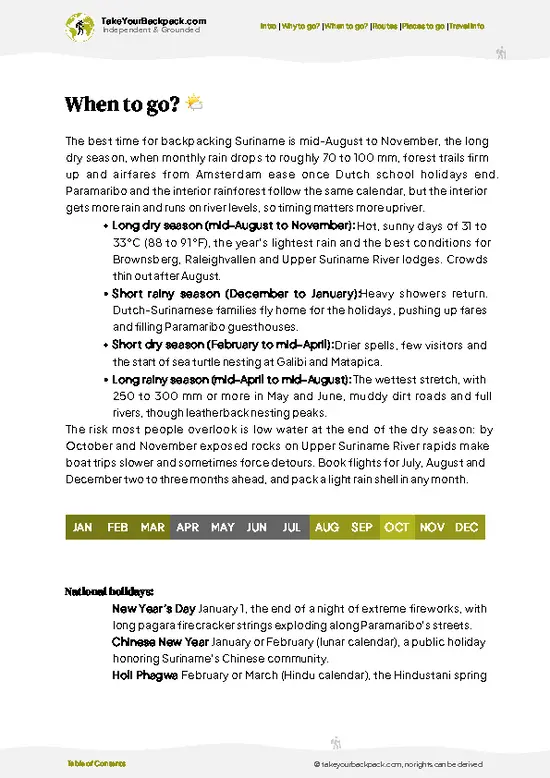
Seasonality plays a crucial role in the festival landscape of Suriname. The country experiences a tropical climate, characterized by a wet season and a dry season. The wet season, typically from December to July, brings heavy rains and humidity, which can dampen outdoor festivities. However, this is also when many vibrant cultural celebrations occur, showcasing the resilience and spirit of the local communities.

Optimal months for experiencing festivals generally fall between February and May. This period often sees a mix of lively events and manageable weather, with the humidity not yet at its peak. The dry season, from August to November, offers clearer skies and more comfortable temperatures, but fewer festivals take place, leading to a quieter atmosphere.

Shoulder seasons present a … read more 👉
Seasonality plays a crucial role in the festival landscape of Suriname. The country experiences a tropical climate, characterized by a wet season and a dry season. The wet season, typically from December to July, brings heavy rains and humidity, which can dampen outdoor festivities. However, this is also when many vibrant cultural celebrations occur, showcasing the resilience and spirit of the local communities.

Optimal months for experiencing festivals generally fall between February and May. This period often sees a mix of lively events and manageable weather, with the humidity not yet at its peak. The dry season, from August to November, offers clearer skies and more comfortable temperatures, but fewer festivals take place, leading to a quieter atmosphere.

Shoulder seasons present a unique opportunity. Traveling just before or after peak festival times can mean fewer crowds and lower costs. However, this may also result in a less immersive experience, as some events may be scaled back or absent altogether.

Peak periods can lead to increased accommodation prices and larger crowds, which might detract from the authenticity of the experience. Balancing the energy of bustling celebrations with the tranquility of quieter times is essential for planning a rewarding visit.

festival hoppingOptimizing Your Multi-Stop Itinerary

Festival Routing Logic
To experience the best of Suriname’s festivals, start by clustering events regionally. The capital, Paramaribo, is a natural hub. Begin here with the vibrant Javanese Festival in early June, then head to the Maroon Festival in the interior, typically in July. This sequence minimizes travel time and maximizes cultural immersion.

Timing and Pacing
Allocate at least two days for each major festival. This allows for exploration and recovery. Festivals can be intense, with crowds and activities that drain energy quickly. Factor in travel time between locations; a drive from Paramaribo to the interior can take several hours, so plan accordingly.

Common Planning Mistakes
Avoid cramming too many events into a short timeframe. This leads to fatigue and missed experiences. … read more 👉
Festival Routing Logic
To experience the best of Suriname’s festivals, start by clustering events regionally. The capital, Paramaribo, is a natural hub. Begin here with the vibrant Javanese Festival in early June, then head to the Maroon Festival in the interior, typically in July. This sequence minimizes travel time and maximizes cultural immersion.

Timing and Pacing
Allocate at least two days for each major festival. This allows for exploration and recovery. Festivals can be intense, with crowds and activities that drain energy quickly. Factor in travel time between locations; a drive from Paramaribo to the interior can take several hours, so plan accordingly.

Common Planning Mistakes
Avoid cramming too many events into a short timeframe. This leads to fatigue and missed experiences. Instead, prioritize quality over quantity. Some travelers rush through festivals, only to find they’ve lost the essence of the celebration.

Trade-offs and Constraints
Consider budget versus comfort. While public transport is cheaper, it can be slow and crowded. Renting a vehicle offers flexibility but comes with higher costs. Balance the effort of travel with the reward of deeper cultural engagement. Flexibility is key; be prepared to adjust plans based on local conditions or festival schedules.

The ListTop festivals of Suriname

1 Keti Koti

emancipation remembrance, Creole music, street parades

Join locals in commemorating the end of slavery with processions, heartfelt speeches, and a blend of traditional Surinamese dishes shared in public spaces.

2 Holi Phagwa

colored powder, Hindu rituals, joyful processions

Take part in exuberant celebrations as communities gather to throw colored powders, share sweets, and mark the arrival of spring with music and dance.

3 Maroon Day

Afro-Surinamese heritage, riverbank gatherings, drum ceremonies

Experience the pride of Maroon communities through ancestral rituals, storytelling, and communal feasts held in villages along the Suriname River.

4 Surifesta

December festivities, open-air concerts, food stalls

Witness a month-long series of cultural events, live performances, and culinary pop-ups that transform downtown Paramaribo into a nightly meeting point.

5 Owru Yari

New Year’s Eve, fireworks, street parties

Celebrate the year’s end as Paramaribo erupts with firecrackers, open-air concerts, and spontaneous gatherings that spill into every corner of the city.

6 Avondvierdaagse

evening walks, group costumes, citywide routes

Join thousands walking through Paramaribo’s streets in themed outfits, passing cheering crowds and snack stalls during this four-night urban trek.

7 Javanese Independence Day

Javanese dance, traditional costumes, community feasts

Observe Suriname’s Javanese population honoring their roots with folk performances, culinary specialties, and displays of cultural pride in local neighborhoods.

Loading the map 🌍

Expert viewInsights from Locals and Experts

Energy

Suriname’s festivals pulse with the heart of its diverse culture. Expect a vibrant mix of Afro-Surinamese, Indigenous, and Javanese influences, each festival a unique expression of identity. The energy is infectious, drawing locals and travelers alike into a whirlwind of music, dance, and culinary delights. The best approach? Aim to experience at least three major festivals during your visit. This gives you a taste of the variety without overwhelming your senses or your schedule.

Seasonal Timing

Timing is everything. Most festivals align with the dry season, from August to November, when the weather is more forgiving. The Surinamese Carnival in February is a riot of color and rhythm, but it can be sweltering. Expect crowds that can feel like a sea of bodies, so prepare for the … read more 👉
Energy

Suriname’s festivals pulse with the heart of its diverse culture. Expect a vibrant mix of Afro-Surinamese, Indigenous, and Javanese influences, each festival a unique expression of identity. The energy is infectious, drawing locals and travelers alike into a whirlwind of music, dance, and culinary delights. The best approach? Aim to experience at least three major festivals during your visit. This gives you a taste of the variety without overwhelming your senses or your schedule.

Seasonal Timing

Timing is everything. Most festivals align with the dry season, from August to November, when the weather is more forgiving. The Surinamese Carnival in February is a riot of color and rhythm, but it can be sweltering. Expect crowds that can feel like a sea of bodies, so prepare for the heat and the hustle. If you prefer a more intimate experience, consider the smaller celebrations that pop up throughout the year, like the Javanese New Year in April. These events offer a more personal connection to local traditions but may require more effort to find.

Cultural Context

Understanding the cultural backdrop enhances your experience. Festivals often celebrate historical events or religious observances, so take a moment to learn about their significance. For instance, the Keti Koti Festival in July commemorates the abolition of slavery and is marked by poignant ceremonies and lively parades. Engaging with locals can deepen your appreciation, but be respectful; some events carry heavy emotional weight.

Crowd Management

Crowds can be both exhilarating and exhausting. Major festivals attract thousands, so plan your accommodations well in advance. Consider staying a bit outside the main hub to escape the chaos while still being close enough to join in. Arrive early to snag a good spot for viewing parades or performances. If you’re not a fan of large crowds, aim for the smaller, community-driven events. They often feature local artisans and food vendors, giving you a taste of authentic Surinamese life without the overwhelming throngs.

Budget and Comfort

Festivals can vary widely in cost. While many events are free, food and drink can add up quickly. Street food is a must-try, but be mindful of hygiene. Look for busy stalls; they’re often the safest bet. If you’re splurging, consider a local restaurant for a sit-down meal to recharge. Accommodations during festival times can be pricier, so book early or be flexible with your lodging options. Camping might be an option at some events, but check local regulations and safety concerns first.

Safety and Cultural Considerations

Safety is paramount. While Suriname is generally safe, be aware of your surroundings, especially in crowded areas. Keep your belongings secure and avoid displaying valuables. Engage with locals, but be mindful of cultural norms. Some festivals may have specific dress codes or traditions that require respect. For example, during religious ceremonies, modest attire is appreciated.

In summary, the festivals of Suriname offer a rich tapestry of experiences, each with its own flavor and rhythm. By planning strategically, respecting local customs, and embracing the energy of the crowd, you’ll find that the effort pays off in unforgettable moments and connections.

✈️ The backpacker research shortcutSuriname Travel Guide

An offline-friendly backpacking guide with optimized travel routes, ranked highlights, transport advice, and the best areas to stay.
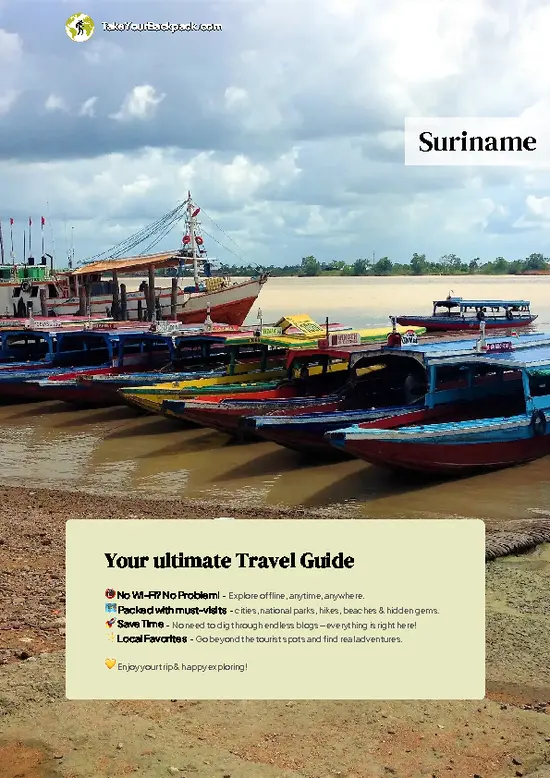
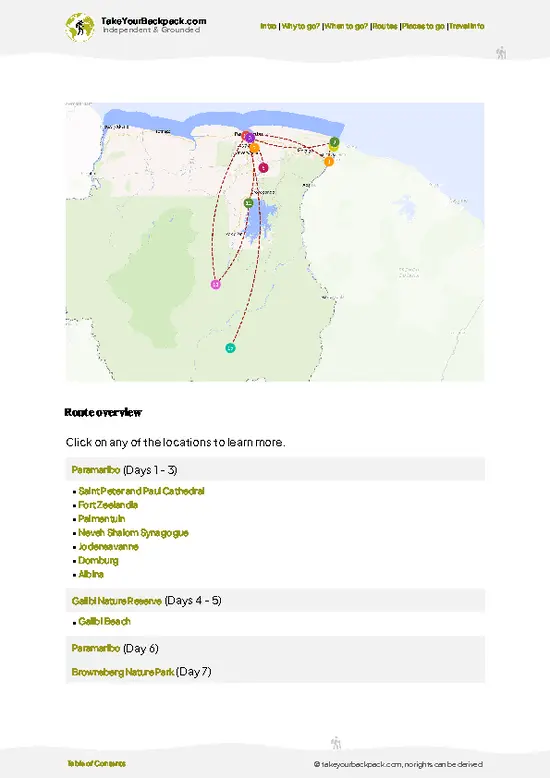
example page 0 from our offline Travel Guide for Suriname
example page 1 from our offline Travel Guide for Suriname
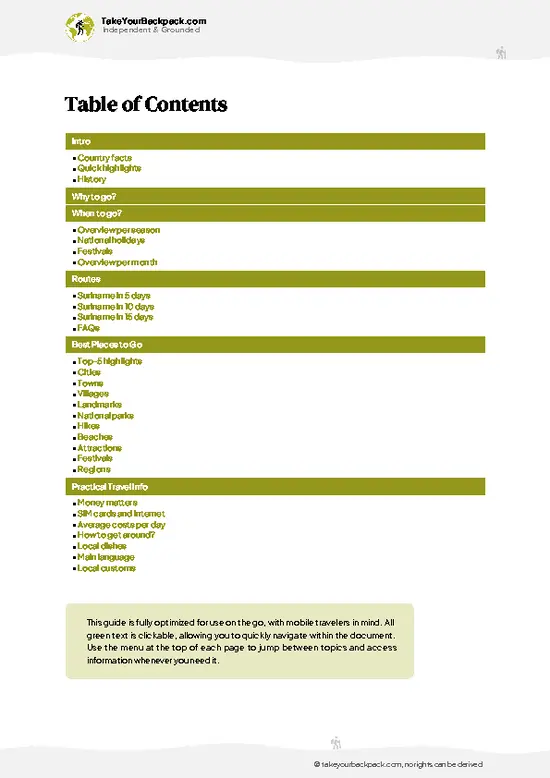
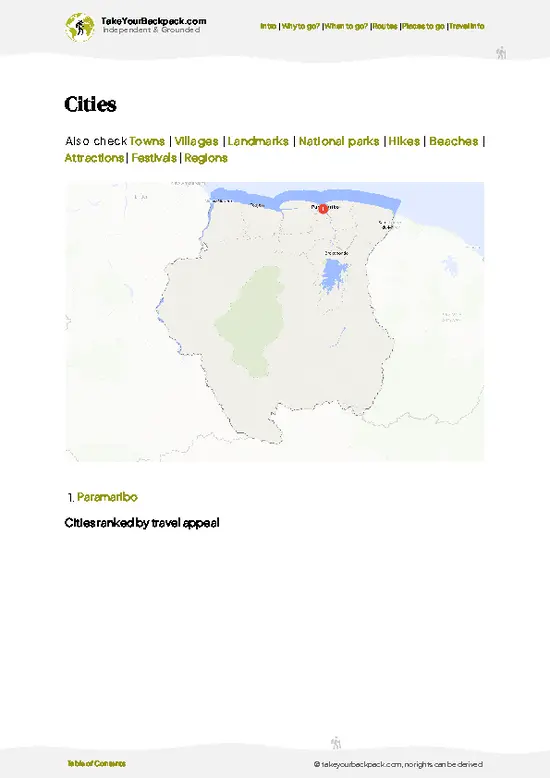
example page 2 from our offline Travel Guide for Suriname
example page 3 from our offline Travel Guide for Suriname
example page 4 from our offline Travel Guide for Suriname
example page 5 from our offline Travel Guide for Suriname
example page 6 from our offline Travel Guide for Suriname
example page 7 from our offline Travel Guide for Suriname
The digital guide (185 pages) contains:
43 highlights, ranked by travel appeal
Optimized 5, 10 & 15-day travel routes
Cities, national parks, landmarks, beaches
How to get around
Offline-friendly for travel without Wi-Fi
👉 Click to see all 30+ guide features

📅 Plan smarter in minutes, not weeks
Month by month travel advice
Festivals & national holidays
Budget expectations

🗺️ Go to the right places, skip the overrated ones
Honest pros & cons of destinations
Top hikes, parks & viewpoints
Lesser-known places most travelers miss
Clear “worth it vs skip it” guidance

🛏️ Travel smoothly without rookie mistakes
Best areas to stay
Transport systems explained simply
Common scams & safety advice
SIM cards, money & practical tips

🌍 Understand the country, not just visit it
Culture & traditions
52 Essential phrases & customs
Festivals worth planning around
Traveler-friendly historical context
Insights that make places more meaningful

📱 Built for real travel conditions
Fully downloadable PDF
Works completely offline
Optimized for phone use
Useful in remote areas & buses
Everything in one place
Save weeks of stressful planning
Get instant access to your full guide. 30‑day money-back guarantee.


By proceeding you agree to our terms.
Sent to your inbox immediately after payment • 100% Secure Checkout
Best Backpacking Travel Advisor 2025 tourism awardBest Backpacking
Travel Advisor
2025
What others say about Take Your Backpack Guides:
⭐⭐⭐⭐⭐
Fantastic, amazing amount of information!
⭐⭐⭐⭐⭐
My goodness this is amazing, it's what I've been looking for hats off too you!
⭐⭐⭐⭐⭐
I think this is absolutely BRILLIANT
⭐⭐⭐⭐
Very complete and informative. It's still missing places, but I gotta to commend you
⭐⭐⭐⭐⭐
This is truly amazing, thank you, can't wait to explore it with my kids!
⭐⭐⭐⭐⭐
Awesome resource, thank you!
⭐⭐⭐⭐⭐
This is amazing! Can't wait to explore the ones I haven't seen
⭐⭐⭐⭐
I love this! Well done, great idea.
⭐⭐⭐⭐⭐
Thanks for taking the time to make this gem!
⭐⭐⭐⭐⭐
This might be the best website I've ever seen.
⭐⭐⭐⭐⭐
Congratulations, and thank you so much for your work; it's incredibly valuable.
⭐⭐⭐⭐
In all seriousness I think you did a great job pointing out the important spots
⭐⭐⭐⭐⭐
10/10 very good
⭐⭐⭐⭐⭐
As someone who's only just starting to visit regularly this is awesome, thank you.
⭐⭐⭐⭐
Thank you very much! I'm going to visit my dad, it's going to be very useful!
⭐⭐⭐⭐⭐
This is really cool! We'll be travelling for the first time and this definitely come in handy.
⭐⭐⭐⭐⭐
You are now our minister of culture, congratulations 👨‍💼
⭐⭐⭐⭐⭐
Just wanted to tell you that this is a pearl! Going to follow your recommendations.
⭐⭐⭐⭐⭐
This is so cool. I'll definitely be using the resource for my travels soon.
⭐⭐⭐⭐⭐
This is very impressive! Good work.
⭐⭐⭐⭐⭐
This is an amazing and informative site. Very well done!

🛏️ Where to stay?Where to Stay: Suriname Edition

Yes — Suriname has hostels and budget accommodation, concentrated in Paramaribo (the capital) with a handful of basic guesthouses and eco-lodges near major nature sites.
Base in Central Paramaribo or the Waterkant for the most hostels and easy access to historic sites, restaurants and nightlife but expect noise and take standard petty‑theft precautions; choose the Palmentuin/park area for quieter streets and nearby museums with fewer budget options; Meerzorg/Lelydorp gives lower prices and commuter links across the river but limited evening amenities; remote eco-lodges near Brownsberg or Galibi are ideal for wildlife yet need advance booking, costly transport and very basic facilities.

If you … read more 👉
Yes — Suriname has hostels and budget accommodation, concentrated in Paramaribo (the capital) with a handful of basic guesthouses and eco-lodges near major nature sites.
Base in Central Paramaribo or the Waterkant for the most hostels and easy access to historic sites, restaurants and nightlife but expect noise and take standard petty‑theft precautions; choose the Palmentuin/park area for quieter streets and nearby museums with fewer budget options; Meerzorg/Lelydorp gives lower prices and commuter links across the river but limited evening amenities; remote eco-lodges near Brownsberg or Galibi are ideal for wildlife yet need advance booking, costly transport and very basic facilities.

If you enjoy meeting fellow travelers, consider choosing hostels with high ratings for atmosphere. On the other hand, if you prefer having your own space, a hotel might be a better option.

SurinameExplore Beyond This Category

👋 Meet the founderWho’s Behind Take Your Backpack?

Johan, backpacker and founder of TakeYourBackpackHi, I’m Johan (Netherlands 🇳🇱), the creator of TakeYourBackpack. Over the past decade, I’ve backpacked through 80+ countries across six continents, gaining extensive experience with independent travel, long-term trips, and overland routes.

This site is built on a combination of firsthand travel experience and carefully curated insights from other backpackers. Many guides are based on places I’ve personally visited, while others bring together tips, observations, and practical advice shared by trusted travelers I’ve met along the way.

The goal is to provide realistic, experience-driven guidance — not generic itineraries — so you can explore destinations with better context, clearer expectations, and more confidence.

Get full Suriname guide •
Instant download • 43 highlights • Full Offline guide