
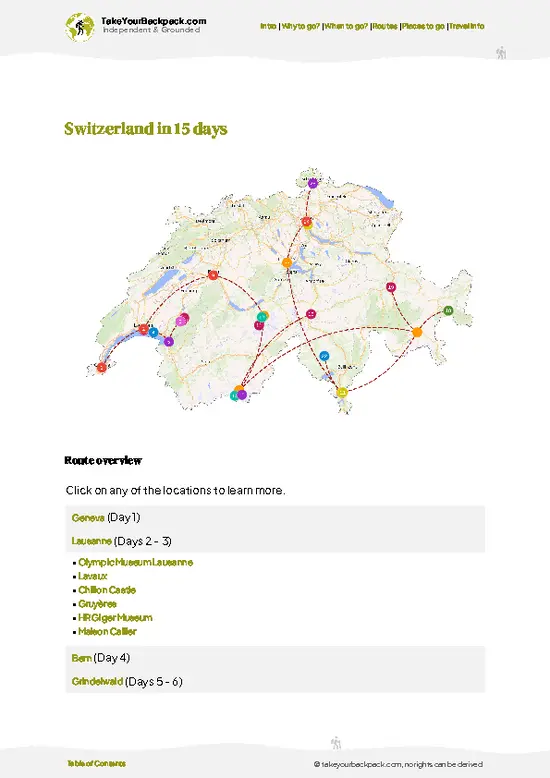
The Building Itself
Let’s get real: most “art museums in beautiful settings” are just code for “you’ll see a tree through a window if you squint.” Not here. Renzo Piano’s Fondation Beyeler is a masterclass in how architecture can amplify art. The glass walls don’t just let in light—they drag the outside in, so you’re never sure if you’re in a gallery or a greenhouse. The way the building floats between the water lily pond and the rolling Swiss countryside is a flex. Even if you’re not an architecture nerd, you’ll catch yourself staring at the ceiling or the view as much as the art.
The Permanent Collection
This isn’t one of those “we have a Picasso in the basement” situations. The Beyeler’s permanent collection is a greatest-hits playlist of 20th-century art, and it’s all killer, no filler. … read more 👉
The Building Itself
Let’s get real: most “art museums in beautiful settings” are just code for “you’ll see a tree through a window if you squint.” Not here. Renzo Piano’s Fondation Beyeler is a masterclass in how architecture can amplify art. The glass walls don’t just let in light—they drag the outside in, so you’re never sure if you’re in a gallery or a greenhouse. The way the building floats between the water lily pond and the rolling Swiss countryside is a flex. Even if you’re not an architecture nerd, you’ll catch yourself staring at the ceiling or the view as much as the art.
The Permanent Collection
This isn’t one of those “we have a Picasso in the basement” situations. The Beyeler’s permanent collection is a greatest-hits playlist of 20th-century art, and it’s all killer, no filler. You’ll see Monet, Cézanne, Rothko, Giacometti, and Bacon—works that actually matter, not just the leftovers. The curation is tight: each piece feels handpicked for maximum impact, and the galleries are spaced so you can actually breathe. No elbowing through crowds to glimpse a postage-stamp-sized masterpiece.
The Temporary Exhibitions
Here’s where the Instagram crowd gets it wrong. They show up for a selfie with a famous painting, but the real action is in the rotating exhibitions. The Beyeler doesn’t play it safe—they’ve hosted blockbuster retrospectives (think: Basquiat, Louise Bourgeois) and wild, immersive installations that make you question what “museum” even means. If you catch a major show here, you’ll see why art-world insiders treat this place like a pilgrimage.
The Park and Outdoor Sculptures
You’re not just allowed to wander the grounds—you’re encouraged. The park is dotted with sculptures by the likes of Calder and Ellsworth Kelly, and the landscaping is so intentional it feels like a living extension of the galleries. On a sunny day, the outdoor spaces are where the museum’s magic really hits: you can sprawl on the grass, sketch, or just watch the light change over the pond. It’s the rare museum where you’ll want to linger outside as much as in.
The Water Lily Pond
Monet’s water lilies are inside, but the pond outside is its own showstopper. It’s not just a nod to Impressionism—it’s a living artwork, with frogs, dragonflies, and the occasional heron. Sit here at dusk and you’ll get why artists obsess over light. This is my personal favorite spot: it’s the antidote to museum fatigue, and the closest thing to a meditative reset you’ll find in the Swiss art world.
The Museum Shop
Skip the generic mugs and tote bags. The Beyeler shop is curated with the same eye as the galleries—think limited-edition prints, design books you’ll actually want to read, and objects that feel like souvenirs from an artist’s studio, not an airport kiosk. If you want to bring home something that won’t end up in a junk drawer, this is the place.
Spotted a mistake or missing something? Contact us.
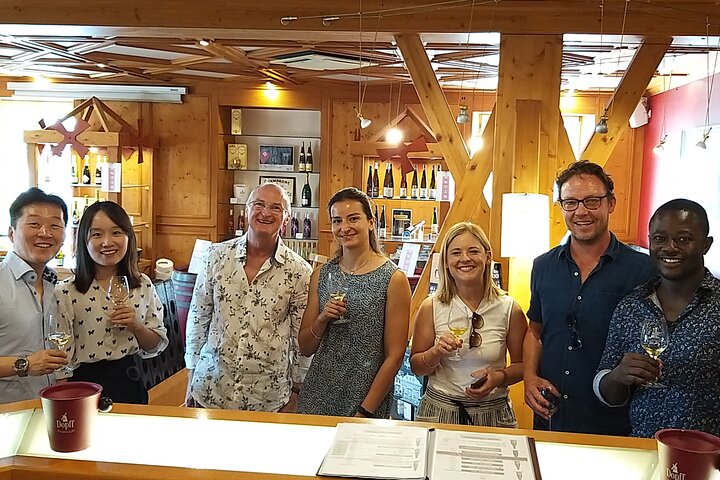
Alsace wine tour and medieval villages. Small group guided tour

Homemade Italian Pizza & Focaccia Experience with a Local Family

The natural wonders of Switzerland: private tour from Basel (1 day)

Basel pick up and Zurich Luzern or Bern or Mountain experience

Alsace's Villages, Colmar and Castle Private Car Tour for 1-6

Mount Titlis Glacier World Private Day Tour from Basel

Best of Bernese Oberland from Basel

Homemade Italian Lasagna Experience with a Local Family

From Basel: Thun Day Trip by Train with Lake Cruise & Cheese


 Best Backpacking
 Hi, I’m Johan (Netherlands 🇳🇱), the creator of TakeYourBackpack. Over the past 3 decades, I’ve backpacked through 90+ countries across six continents, gaining extensive experience with independent travel, long-term trips, and overland routes.