v2.webp)
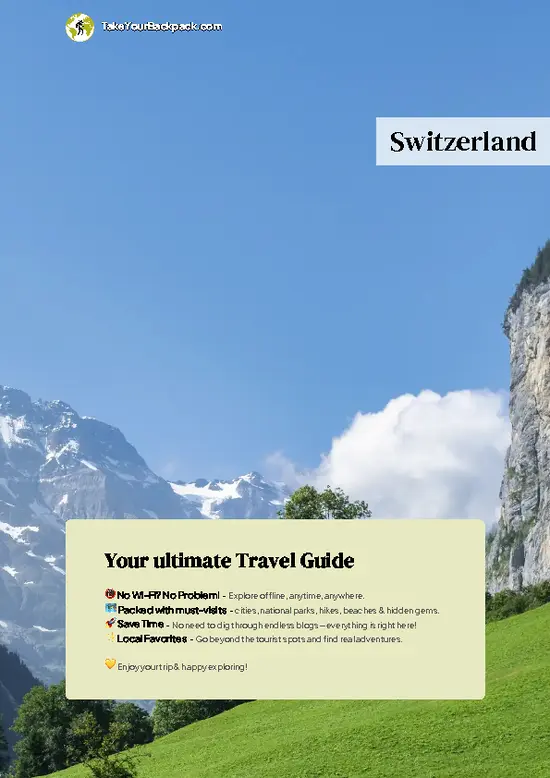
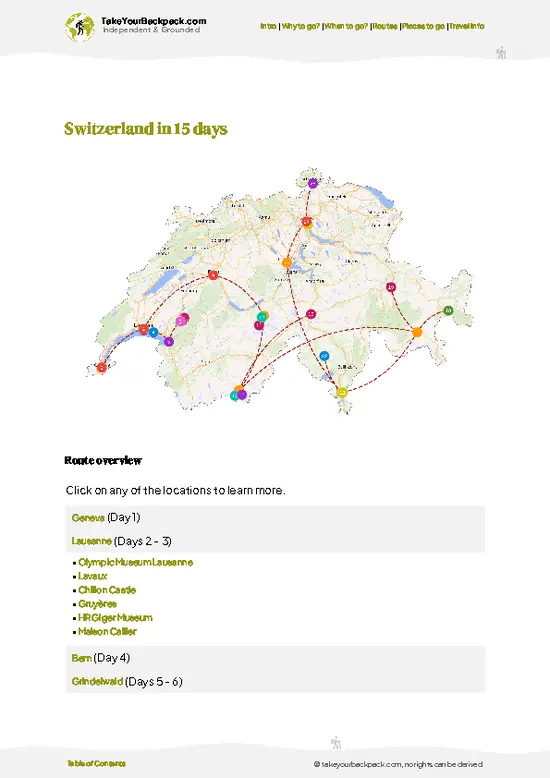
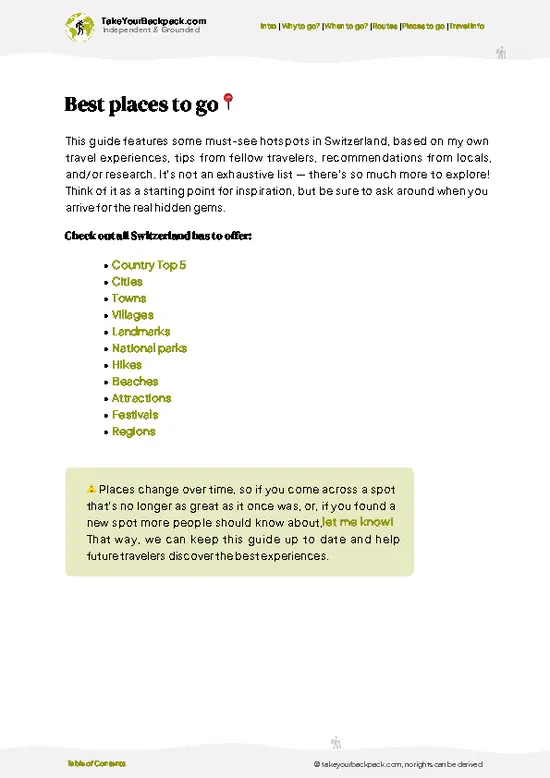
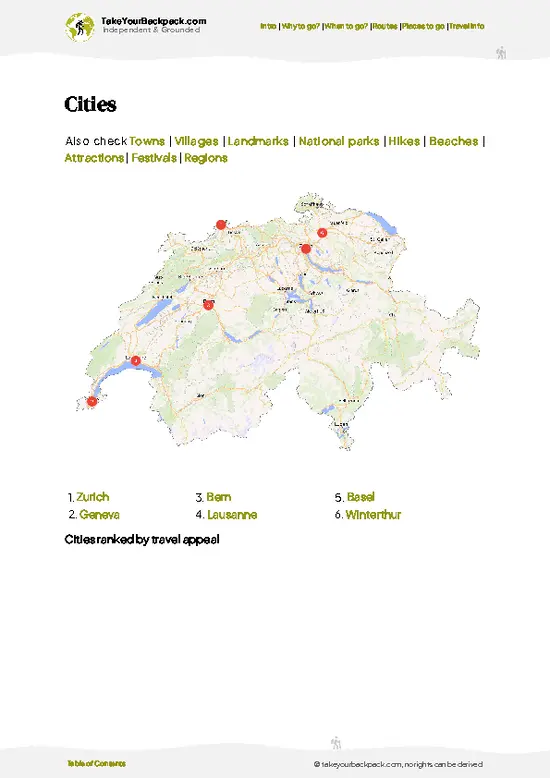
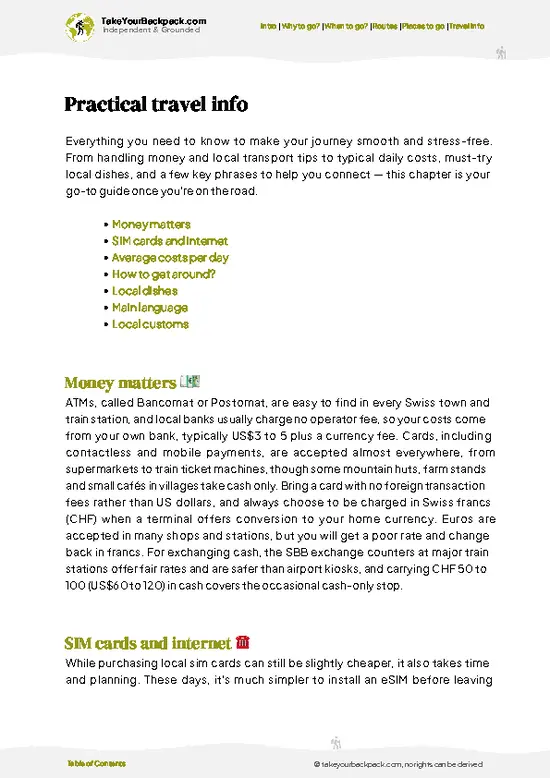
1. The Giacometti Collection
Forget the Instagrammed marble halls and focus on the raw, wiry intensity of Alberto Giacometti’s sculptures. These aren’t just statues—they’re existential lightning rods. The elongated figures, all bone and tension, look like they’ve been stretched by the anxieties of the 20th century. You don’t just see them; you feel them staring back, daring you to blink first. If you want art that punches through the polite silence of most museums, this is it.
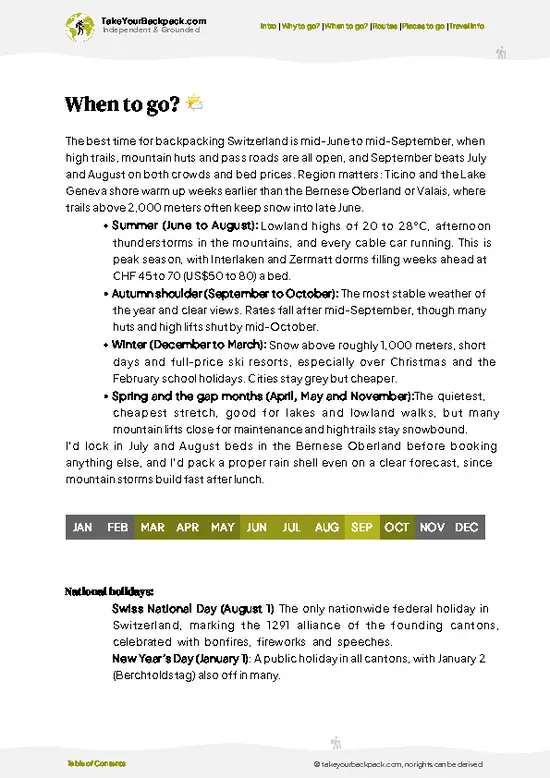
2. The Chagall Windows
Yes, Marc Chagall’s stained glass at Fraumünster gets all the social media love, but his paintings here are where the real magic happens. The colors are so saturated they almost hum. Chagall’s dreamlike scenes—floating lovers, blue horses, biblical fever dreams—are a reminder that art can be both … read more 👉
Forget the Instagrammed marble halls and focus on the raw, wiry intensity of Alberto Giacometti’s sculptures. These aren’t just statues—they’re existential lightning rods. The elongated figures, all bone and tension, look like they’ve been stretched by the anxieties of the 20th century. You don’t just see them; you feel them staring back, daring you to blink first. If you want art that punches through the polite silence of most museums, this is it.
2. The Chagall Windows
Yes, Marc Chagall’s stained glass at Fraumünster gets all the social media love, but his paintings here are where the real magic happens. The colors are so saturated they almost hum. Chagall’s dreamlike scenes—floating lovers, blue horses, biblical fever dreams—are a reminder that art can be both … read more 👉
1. The Giacometti Collection
Forget the Instagrammed marble halls and focus on the raw, wiry intensity of Alberto Giacometti’s sculptures. These aren’t just statues—they’re existential lightning rods. The elongated figures, all bone and tension, look like they’ve been stretched by the anxieties of the 20th century. You don’t just see them; you feel them staring back, daring you to blink first. If you want art that punches through the polite silence of most museums, this is it.
2. The Chagall Windows
Yes, Marc Chagall’s stained glass at Fraumünster gets all the social media love, but his paintings here are where the real magic happens. The colors are so saturated they almost hum. Chagall’s dreamlike scenes—floating lovers, blue horses, biblical fever dreams—are a reminder that art can be both deeply spiritual and totally bonkers. You’ll walk out seeing the world in a different palette.
3. The Swiss Modernists
Here’s where Kunsthaus Zürich flexes its local muscle. Don’t expect the usual parade of French Impressionists (though you’ll find a few). Instead, you get a crash course in Swiss avant-garde: Hodler’s hypnotic landscapes, Vallotton’s razor-sharp social scenes, and the Dadaists who basically invented artistic trolling. It’s a reminder that Switzerland isn’t just about chocolate and neutrality—it’s about risk, rebellion, and the kind of weirdness that never makes it onto a souvenir mug.
4. The Monet Water Lilies
You’ve seen Monet’s water lilies on a thousand calendars, but standing in front of the real thing is a different animal. The scale, the brushwork, the way the colors shift as you move—none of that translates to a phone screen. Kunsthaus Zürich owns one of the largest Water Lily panels outside France, and it’s hung with enough breathing room to let you get lost in it. This is the Monet experience for people who think they’re immune to Monet.
5. The Bührle Collection
Controversial? Absolutely. But if you want to see blockbuster names—Van Gogh, Cézanne, Manet, Picasso—this is where they’re hiding. The backstory is complicated (spoils of war, restitution debates), but the art is undeniable. The Bührle rooms are a crash course in European painting, and the tension in the air is part of the experience. You’re not just looking at pretty pictures; you’re wrestling with history.
6. The Extension Building (Personal Favorite)
This is where the museum drops the old-world pretense and gets playful. The David Chipperfield-designed extension is all clean lines, natural light, and wide-open spaces. It’s a relief after the labyrinth of the old building. The new galleries are built for big, bold contemporary works—think installations you can walk through, not just stare at. There’s a café that actually serves good coffee (rare for a museum), and the vibe is more “creative playground” than “do not touch.” If you want to feel the pulse of Zürich’s art scene right now, this is where it’s beating.
Forget the Instagrammed marble halls and focus on the raw, wiry intensity of Alberto Giacometti’s sculptures. These aren’t just statues—they’re existential lightning rods. The elongated figures, all bone and tension, look like they’ve been stretched by the anxieties of the 20th century. You don’t just see them; you feel them staring back, daring you to blink first. If you want art that punches through the polite silence of most museums, this is it.
2. The Chagall Windows
Yes, Marc Chagall’s stained glass at Fraumünster gets all the social media love, but his paintings here are where the real magic happens. The colors are so saturated they almost hum. Chagall’s dreamlike scenes—floating lovers, blue horses, biblical fever dreams—are a reminder that art can be both deeply spiritual and totally bonkers. You’ll walk out seeing the world in a different palette.
3. The Swiss Modernists
Here’s where Kunsthaus Zürich flexes its local muscle. Don’t expect the usual parade of French Impressionists (though you’ll find a few). Instead, you get a crash course in Swiss avant-garde: Hodler’s hypnotic landscapes, Vallotton’s razor-sharp social scenes, and the Dadaists who basically invented artistic trolling. It’s a reminder that Switzerland isn’t just about chocolate and neutrality—it’s about risk, rebellion, and the kind of weirdness that never makes it onto a souvenir mug.
4. The Monet Water Lilies
You’ve seen Monet’s water lilies on a thousand calendars, but standing in front of the real thing is a different animal. The scale, the brushwork, the way the colors shift as you move—none of that translates to a phone screen. Kunsthaus Zürich owns one of the largest Water Lily panels outside France, and it’s hung with enough breathing room to let you get lost in it. This is the Monet experience for people who think they’re immune to Monet.
5. The Bührle Collection
Controversial? Absolutely. But if you want to see blockbuster names—Van Gogh, Cézanne, Manet, Picasso—this is where they’re hiding. The backstory is complicated (spoils of war, restitution debates), but the art is undeniable. The Bührle rooms are a crash course in European painting, and the tension in the air is part of the experience. You’re not just looking at pretty pictures; you’re wrestling with history.
6. The Extension Building (Personal Favorite)
This is where the museum drops the old-world pretense and gets playful. The David Chipperfield-designed extension is all clean lines, natural light, and wide-open spaces. It’s a relief after the labyrinth of the old building. The new galleries are built for big, bold contemporary works—think installations you can walk through, not just stare at. There’s a café that actually serves good coffee (rare for a museum), and the vibe is more “creative playground” than “do not touch.” If you want to feel the pulse of Zürich’s art scene right now, this is where it’s beating.
Spotted a mistake or missing something? Contact us.

The Grand Switzerland Private Tour (5 days)

À Maurice Watch Workshop in Zurich

Private Tour Lauterbrunnen Interlaken Mürren Swiss Alps

Appenzell Farm Experience from Zurich & Alpine Panorama

Natural Wonders of Switzerland: Private Day Tour from Zurich

Full Day Luxury Private Tour in Swiss ALPS

Swiss Alps and Waterfalls Private Tour from Zurich

Swiss Alps panorama Tour with private guide from Zurich

Zurich: Private Day Trip to Lucerne and Interlaken


 Best Backpacking
.jpg) Hi, I’m Johan (Netherlands 🇳🇱), the creator of TakeYourBackpack. Over the past 3 decades, I’ve backpacked through 90+ countries across six continents, gaining extensive experience with independent travel, long-term trips, and overland routes.
Hi, I’m Johan (Netherlands 🇳🇱), the creator of TakeYourBackpack. Over the past 3 decades, I’ve backpacked through 90+ countries across six continents, gaining extensive experience with independent travel, long-term trips, and overland routes.