

The Grand Veranda: The Social Stage of Zanzibar
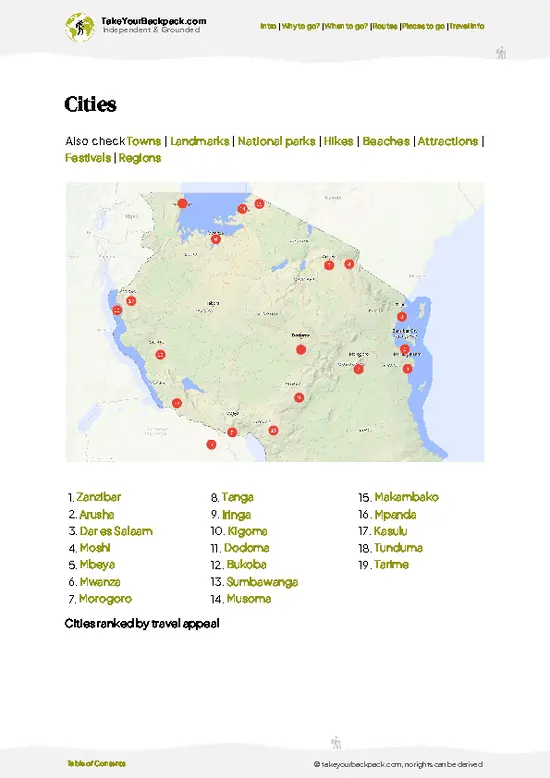
Forget the filtered photos—standing on the House of Wonders’ sweeping front veranda is a lesson in real-world spectacle. This isn’t just a balcony; it’s a stage where sultans once watched parades and where you, right now, can watch the pulse of Stone Town unfold. The view is a living diorama: battered dhows gliding into the harbor, the call to prayer drifting over the rooftops, and the daily choreography of locals and travelers. It’s the best seat in the house for people-watching and feeling the heartbeat of Zanzibar, no matter how many selfie sticks are in the crowd.
The Clock Tower: Zanzibar’s Answer to Big Ben (Sort Of)
You’ll spot the clock tower from blocks away, but up close, it’s a different animal. This isn’t some pristine, polished monument—it’s … read more 👉
Forget the filtered photos—standing on the House of Wonders’ sweeping front veranda is a lesson in real-world spectacle. This isn’t just a balcony; it’s a stage where sultans once watched parades and where you, right now, can watch the pulse of Stone Town unfold. The view is a living diorama: battered dhows gliding into the harbor, the call to prayer drifting over the rooftops, and the daily choreography of locals and travelers. It’s the best seat in the house for people-watching and feeling the heartbeat of Zanzibar, no matter how many selfie sticks are in the crowd.
The Clock Tower: Zanzibar’s Answer to Big Ben (Sort Of)
You’ll spot the clock tower from blocks away, but up close, it’s a different animal. This isn’t some pristine, polished monument—it’s … read more 👉
The Grand Veranda: The Social Stage of Zanzibar
Forget the filtered photos—standing on the House of Wonders’ sweeping front veranda is a lesson in real-world spectacle. This isn’t just a balcony; it’s a stage where sultans once watched parades and where you, right now, can watch the pulse of Stone Town unfold. The view is a living diorama: battered dhows gliding into the harbor, the call to prayer drifting over the rooftops, and the daily choreography of locals and travelers. It’s the best seat in the house for people-watching and feeling the heartbeat of Zanzibar, no matter how many selfie sticks are in the crowd.
The Clock Tower: Zanzibar’s Answer to Big Ben (Sort Of)
You’ll spot the clock tower from blocks away, but up close, it’s a different animal. This isn’t some pristine, polished monument—it’s a weathered, slightly lopsided relic that’s been keeping time (or trying to) since 1883. The clock’s stubborn tick is a reminder that Zanzibar’s history isn’t frozen in amber; it’s alive, imperfect, and still moving. If you’re lucky enough to hear it chime, you’ll get a sense of how the island’s rhythms have been measured for generations.
Swahili Doors: The Real Story Carved in Wood
Instagram loves a good door, but these aren’t just pretty backdrops. The House of Wonders’ massive Swahili doors are a crash course in Zanzibar’s tangled history—Persian, Arab, Indian, and African influences all carved into one slab of teak. Look for the brass studs (a nod to Indian design, originally meant to repel war elephants—yes, really) and the swirling calligraphy. Each detail is a coded message about power, faith, and trade. Stand here long enough and you’ll realize: the doors are more honest storytellers than any guidebook.
The Museum of History and Culture: Zanzibar’s Greatest Hits (and Misses)
The exhibits are a mixed bag—some dusty, some dazzling—but the real entertainment is in the details. You’ll find clove chests, ceremonial kangas, and the kind of battered, salt-stained navigation tools that make you want to sign up for a life at sea. Skip the glass cases if you must, but don’t miss the room dedicated to the dhow trade. It’s a crash course in how Zanzibar became the crossroads of the Indian Ocean, and it’s more gripping than any influencer’s travel vlog.
The Iron Skeleton: Africa’s First Elevator (and the Bones of Empire)
Here’s the plot twist: the House of Wonders was the first building in East Africa to have electricity and an elevator. The elevator shaft is still there, a rusted-out monument to Victorian swagger. It’s not working (and hasn’t for decades), but the ironwork is a reminder that this place was once the cutting edge of colonial ambition. It’s a little eerie, a little awe-inspiring, and a lot more interesting than any airbrushed travel brochure will admit.
Forget the filtered photos—standing on the House of Wonders’ sweeping front veranda is a lesson in real-world spectacle. This isn’t just a balcony; it’s a stage where sultans once watched parades and where you, right now, can watch the pulse of Stone Town unfold. The view is a living diorama: battered dhows gliding into the harbor, the call to prayer drifting over the rooftops, and the daily choreography of locals and travelers. It’s the best seat in the house for people-watching and feeling the heartbeat of Zanzibar, no matter how many selfie sticks are in the crowd.
The Clock Tower: Zanzibar’s Answer to Big Ben (Sort Of)
You’ll spot the clock tower from blocks away, but up close, it’s a different animal. This isn’t some pristine, polished monument—it’s a weathered, slightly lopsided relic that’s been keeping time (or trying to) since 1883. The clock’s stubborn tick is a reminder that Zanzibar’s history isn’t frozen in amber; it’s alive, imperfect, and still moving. If you’re lucky enough to hear it chime, you’ll get a sense of how the island’s rhythms have been measured for generations.
Swahili Doors: The Real Story Carved in Wood
Instagram loves a good door, but these aren’t just pretty backdrops. The House of Wonders’ massive Swahili doors are a crash course in Zanzibar’s tangled history—Persian, Arab, Indian, and African influences all carved into one slab of teak. Look for the brass studs (a nod to Indian design, originally meant to repel war elephants—yes, really) and the swirling calligraphy. Each detail is a coded message about power, faith, and trade. Stand here long enough and you’ll realize: the doors are more honest storytellers than any guidebook.
The Museum of History and Culture: Zanzibar’s Greatest Hits (and Misses)
The exhibits are a mixed bag—some dusty, some dazzling—but the real entertainment is in the details. You’ll find clove chests, ceremonial kangas, and the kind of battered, salt-stained navigation tools that make you want to sign up for a life at sea. Skip the glass cases if you must, but don’t miss the room dedicated to the dhow trade. It’s a crash course in how Zanzibar became the crossroads of the Indian Ocean, and it’s more gripping than any influencer’s travel vlog.
The Iron Skeleton: Africa’s First Elevator (and the Bones of Empire)
Here’s the plot twist: the House of Wonders was the first building in East Africa to have electricity and an elevator. The elevator shaft is still there, a rusted-out monument to Victorian swagger. It’s not working (and hasn’t for decades), but the ironwork is a reminder that this place was once the cutting edge of colonial ambition. It’s a little eerie, a little awe-inspiring, and a lot more interesting than any airbrushed travel brochure will admit.
Spotted a mistake or missing something? Contact us.
v2.webp)


Best Backpacking
Hi, I’m Johan (Netherlands 🇳🇱), the creator of TakeYourBackpack. Over the past decade, I’ve backpacked through 80+ countries across six continents, gaining extensive experience with independent travel, long-term trips, and overland routes.