×

Tanzania🇹🇿 | best attractionsDiscover the 10 Best attractions Across Tanzania

Tanzania’s best attractions unfold across vast, contrasting landscapes—from the sweeping plains of the Serengeti to the lush slopes of Kilimanjaro and the turquoise shores of Zanzibar. These sites aren’t just points on a map; they demand choices that shape your entire trip. Backpacking here means weighing time against comfort and money in a way unique to Tanzania’s infrastructure and climate. The dry season opens up wildlife viewing but crowds spike, pushing budgets and altering the vibe. Meanwhile, the rainy months offer solitude and lush scenery but complicate travel logistics and safety on unpaved roads. Northern circuit parks deliver classic safari thrills with relatively easy access, while southern and western parks offer raw, less-touristed encounters that require more effort but reward with deeper cultural immersion. Coastal attractions blend relaxation with Swahili culture but come with their own seasonal rhythms and cost considerations. Understanding these trade-offs lets you tailor your journey, ensuring every step aligns with your style, budget, and appetite for adventure.

By Johan Kruseman 🇳🇱 | Updated May 4, 2026
Explore the best festivals in Tanzania

Why go?Why Travelers Love These Spots

Why These Attractions Matter

Tanzania’s attractions demand a deliberate reckoning with trade-offs that shape the entire travel experience. The country’s vast landscapes and rich cultural fabric offer encounters that are rare elsewhere, but accessing them often requires balancing time, money, and comfort in ways that redefine what “value” means on the road. Unlike destinations where attractions cluster tightly and infrastructure supports rapid transit, Tanzania’s highlights are spread across immense, sometimes rugged terrain. This means travelers must accept longer travel times or opt for costly air transfers to reach the heart of its natural and cultural wonders. The payoff is immersion in environments where the physical journey itself becomes part of the reward, not just the endpoint.

Tanzania’s … read more 👉
Why These Attractions Matter

Tanzania’s attractions demand a deliberate reckoning with trade-offs that shape the entire travel experience. The country’s vast landscapes and rich cultural fabric offer encounters that are rare elsewhere, but accessing them often requires balancing time, money, and comfort in ways that redefine what “value” means on the road. Unlike destinations where attractions cluster tightly and infrastructure supports rapid transit, Tanzania’s highlights are spread across immense, sometimes rugged terrain. This means travelers must accept longer travel times or opt for costly air transfers to reach the heart of its natural and cultural wonders. The payoff is immersion in environments where the physical journey itself becomes part of the reward, not just the endpoint.

Tanzania’s unique position straddling the equator and featuring diverse ecosystems—from savannahs to highlands—creates a climate and geography that shape the character of its attractions. The seasonal rhythms dictate when certain experiences are possible or optimal, forcing travelers to weigh timing against availability and comfort. Infrastructure outside major hubs remains basic, which can limit convenience but amplifies authenticity and connection to place. This trade-off challenges visitors to decide if they prioritize ease or depth, often sacrificing immediate comfort for encounters that linger in memory.

Culturally and historically, Tanzania’s attractions are embedded in communities where traditions remain vibrant but are not always tailored for mass tourism. This means engaging with these experiences often requires patience and openness to slower, less polished interactions. The result is a richer, more nuanced understanding of the country’s heritage, but it demands a willingness to navigate language barriers, limited amenities, and sometimes unpredictable conditions.

Ultimately, Tanzania’s attractions matter because they force travelers to confront what they value most: the thrill of discovery through effort and adaptation, or the convenience of packaged tourism. Recognizing these trade-offs upfront empowers travelers to craft journeys that resonate deeply, making every sacrifice part of the story rather than a regret.
Our Approach to Ranking
The list of best attractions in Tanzania is created based on cultural significance or entertainment value. If you feel a attraction is missing in this list, please let us know.

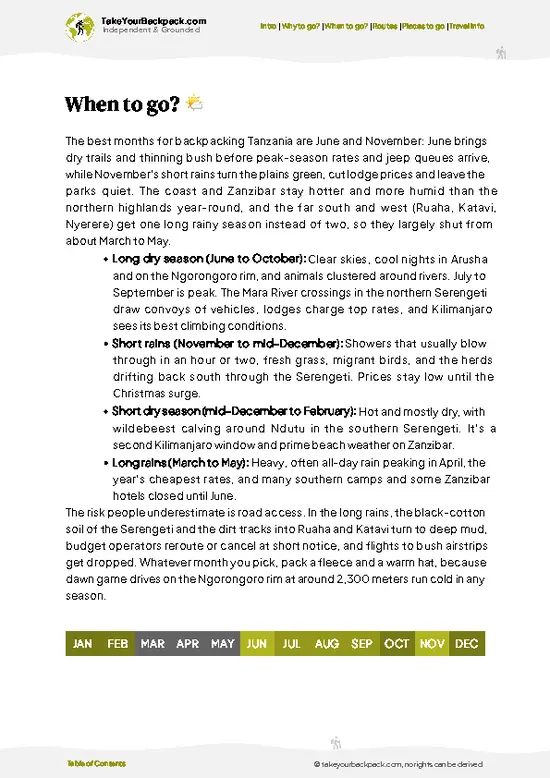
When to go?Seasonal Guide to Visiting

Seasonal Rhythms Shape Every Step

Tanzania’s attractions pulse with the rhythm of its seasons, and timing your visit means choosing your trade-offs between weather, crowds, and costs. The country swings between two main seasons: the dry and the wet, each rewriting the landscape and wildlife behavior in ways that directly impact your experience.

Dry Season: Clarity and Concentration

The dry months bring clear skies and parched earth, forcing wildlife to cluster around shrinking water sources. This concentration makes spotting animals more straightforward and predictable, turning safaris into a focused hunt for iconic scenes. The weather is generally stable, with warm days and cool nights, ideal for long hours outdoors. However, this clarity comes at a price: popular routes fill up, driving … read more 👉

Seasonal Rhythms Shape Every Step

Tanzania’s attractions pulse with the rhythm of its seasons, and timing your visit means choosing your trade-offs between weather, crowds, and costs. The country swings between two main seasons: the dry and the wet, each rewriting the landscape and wildlife behavior in ways that directly impact your experience.

Dry Season: Clarity and Concentration

The dry months bring clear skies and parched earth, forcing wildlife to cluster around shrinking water sources. This concentration makes spotting animals more straightforward and predictable, turning safaris into a focused hunt for iconic scenes. The weather is generally stable, with warm days and cool nights, ideal for long hours outdoors. However, this clarity comes at a price: popular routes fill up, driving up costs and crowd levels. If you crave comfort and convenience, this is the window to aim for, but expect to share the spotlight with other travelers.

Wet Season: Lushness and Low Crowds

The rains transform Tanzania into a green, vibrant canvas. Wildlife disperses across the landscape, making sightings less predictable but rewarding for those who relish the thrill of the chase. The wet season softens the dust and cools the air, but it also complicates travel logistics—roads can become challenging, and some areas might be temporarily inaccessible. Prices dip, and the crowds thin, offering a quieter, more intimate connection with nature. This season demands flexibility and a willingness to embrace the unpredictable.

Shoulder Seasons: The Balancing Act

The periods bridging dry and wet seasons offer a blend of both worlds. Wildlife is still visible, though less concentrated, and the landscape begins its transformation. Crowds thin out, and prices moderate, presenting a sweet spot for travelers who want to dodge extremes. Weather can be variable—expect occasional showers mixed with sunny spells—so packing for both conditions is essential. These windows reward those who accept a bit of uncertainty in exchange for better value and fewer tourists.

Trade-Offs to Weigh

Choosing when to visit Tanzania means balancing your appetite for wildlife encounters against your tolerance for crowds, weather challenges, and budget constraints. The dry season delivers predictability and spectacle but demands early booking and a higher spend. The wet season offers solitude and lush scenery but requires patience and adaptability. Shoulder seasons invite a middle ground, blending opportunity with compromise. Understanding these trade-offs lets you tailor your trip to what matters most—whether that’s comfort, cost, or the raw thrill of discovery.

attraction hoppingOptimizing Your Multi-Stop Itinerary

Mapping Your Route: Clusters and Flow

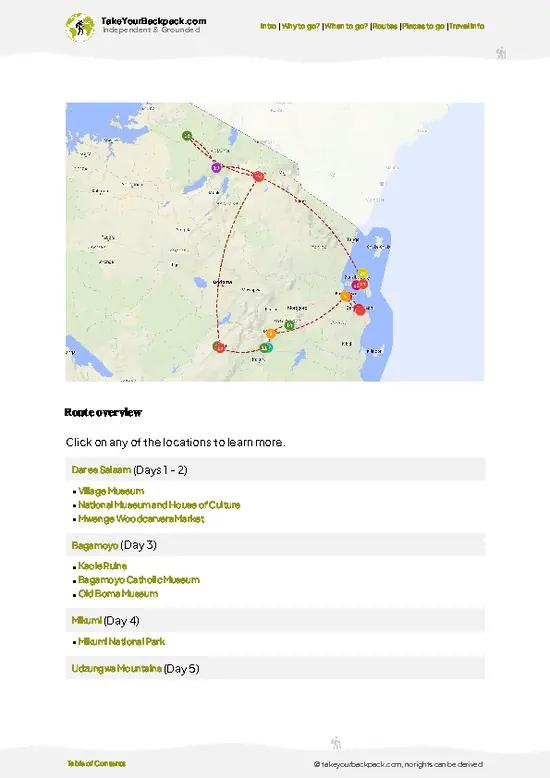
Tanzania’s attractions naturally group into regions—coastal, northern safari circuit, and the southern highlands. Tackling one cluster at a time minimizes wasted hours on the road and maximizes immersion. Start with the northern circuit if wildlife is your priority; it’s the most accessible and offers a logical loop connecting Serengeti, Ngorongoro, and Tarangire. From there, pivot south or east depending on your interests. The key is to move in a sweeping arc rather than zigzagging, which burns time and energy.

Timing Your Stops: Depth vs. Pace

Expect to spend at least two full days in major parks to catch the rhythm of animal behavior and avoid the tourist rush at dawn and dusk. Cultural or coastal stops can be shorter—one to two days—unless you’re … read more 👉

Mapping Your Route: Clusters and Flow

Tanzania’s attractions naturally group into regions—coastal, northern safari circuit, and the southern highlands. Tackling one cluster at a time minimizes wasted hours on the road and maximizes immersion. Start with the northern circuit if wildlife is your priority; it’s the most accessible and offers a logical loop connecting Serengeti, Ngorongoro, and Tarangire. From there, pivot south or east depending on your interests. The key is to move in a sweeping arc rather than zigzagging, which burns time and energy.

Timing Your Stops: Depth vs. Pace

Expect to spend at least two full days in major parks to catch the rhythm of animal behavior and avoid the tourist rush at dawn and dusk. Cultural or coastal stops can be shorter—one to two days—unless you’re diving deep into local life or beach relaxation. Rushing through multiple parks in a week might check boxes but sacrifices the slow, rewarding moments that make Tanzania unforgettable. Balance is critical: too fast, and you miss the soul; too slow, and your budget or stamina might buckle.

Common Pitfalls: Overreach and Underplanning

Trying to cram the entire country into a single trip is a classic trap. The distances are deceptive—roads can be rough, and flights, while faster, add cost and logistical complexity. Another mistake is underestimating transition times between regions, especially when switching from safari to beach or highlands. Overpacking your itinerary leaves little room for unexpected discoveries or rest, turning adventure into exhaustion.

Trade-Offs: Speed, Comfort, and Cost

Flying between hubs saves time but hikes your budget and reduces spontaneous detours. Overland travel offers richer scenery and flexibility but demands patience and stamina. Budget travelers may sacrifice comfort for authenticity, opting for local transport and simpler lodgings, while those prioritizing ease might invest in private transfers and mid-range lodges. Each choice reshapes your experience—decide what matters most: the thrill of the journey, the luxury of downtime, or the depth of cultural connection.

Strategic Flexibility

Build your plan with breathing room. Allow extra days for weather delays, wildlife unpredictability, or a sudden invitation to a local event. Flexibility turns constraints into opportunities. The best trips in Tanzania aren’t just about ticking off landmarks—they’re about embracing the country’s vastness and variety on your own terms.

The ListMust-Visit attractions in Tanzania

1 House of Wonders

Zanzibar landmark, ceremonial halls, Swahili culture

Ascend grand staircases and view ceremonial spaces that reflect the fusion of local traditions and imported influences in Stone Town’s history.

2 Old Slave Market & Anglican Cathedral

underground chambers, abolition memorials, stained glass

Descend into former holding cells and stand beneath memorials that confront the realities of Zanzibar’s slave trade and its abolition.

3 Palace Museum

royal apartments, sultan’s relics, period furnishings

Step through preserved rooms filled with personal effects and decorative arts that reveal the private lives of Zanzibar’s former rulers.

4 Old Fort

stone battlements, open-air amphitheater, market stalls

Stroll through thick-walled courtyards and browse local crafts in a centuries-old fortress that now hosts cultural events and performances.

5 Kaole Ruins

coral stone tombs, ancient mosque, coastal archaeology

Walk among centuries-old ruins where early settlements and Islamic architecture reveal the region’s maritime and trading past.

6 Hamamni Persian Baths

stone chambers, 19th-century architecture, bathing rituals

Wander through vaulted corridors and tiled rooms that reveal the social customs and architectural ingenuity of Zanzibar’s sultanic era.

7 Maruhubi Palace Ruins

royal residence, collapsed columns, sultan’s gardens

Survey the remnants of a 19th-century palace complex, where scattered columns and garden layouts hint at former royal grandeur.

8 Mtoni Palace Ruins

early sultanate, crumbling walls, riverside setting

Explore the overgrown remains of Zanzibar’s oldest palace, set beside a tidal creek and marked by weathered stonework.

9 National Museum and House of Culture

prehistoric fossils, ethnographic displays, colonial artifacts

View fossil discoveries, cultural objects, and historical collections that chart Tanzania’s natural and social evolution from ancient times.

10 Bagamoyo Catholic Museum

missionary heritage, coastal relics, religious artifacts

Step inside a preserved mission building to discover the intersection of faith, education, and colonial influence along Tanzania’s historic coast.

11 Village Museum

traditional homesteads, rural crafts, live dance

Walk among reconstructed dwellings and observe daily activities that reflect the lifestyles and customs of Tanzania’s rural communities.

12 Cultural Heritage Centre

African art, gemstone galleries, craft collections

Browse an extensive array of regional art, rare minerals, and traditional crafts that showcase the continent’s creative diversity and craftsmanship.

13 Mwenge Woodcarvers Market

hand-carved sculptures, open-air stalls, Makonde art

Browse intricate woodwork and observe artisans at work in a bustling market dedicated to traditional and contemporary carving styles.

14 Tinga Tinga Arts Cooperative Society

colorful paintings, artist collective, urban gallery

Watch painters at work and browse vivid canvases that define a distinctive Tanzanian art movement rooted in playful imagery and bold color.

15 Nafasi Art Space

artist studios, contemporary installations, creative workshops

Experience a dynamic arts hub where resident artists produce and exhibit experimental works in a collaborative, evolving environment.

16 Old Boma Museum

German colonial building, Swahili interiors, coastal history

Tour restored rooms and period exhibits that document the layered histories of Dar es Salaam’s early administrative center.

17 Princess Salme Museum

personal letters, women’s history, cross-cultural narratives

Read correspondence and view memorabilia that illuminate the life of a pioneering Zanzibari princess and her journey across continents.

18 Nyerere Cultural Centre

performance venue, traditional music, dance showcases

Attend live performances and cultural demonstrations that highlight Tanzania’s musical heritage and diverse performing arts traditions.

Think you know Tanzania?

Prove you’re a true local — uncover 8 lesser-known attractions in Tanzania that locals tend to keep to themselves.
Loading the map 🌍

Expert viewInsights from Locals and Experts

Balancing Time, Money, and Comfort in Tanzania


Tanzania’s vastness demands respect. You can’t sprint through its best attractions without sacrificing something crucial—whether it’s time, money, or comfort. The country’s scale and infrastructure mean every choice you make echoes through your entire trip. Expect to juggle these three factors deliberately, because trying to maximize all three at once is a recipe for frustration.

How Many Attractions to Take On


Less is more here. I recommend zeroing in on two to four major attractions to explore deeply rather than skimming the surface of many. Tanzania’s roads are often rough, distances long, and travel times unpredictable. Trying to cram in too many sites turns your journey into a logistical headache, draining your energy and budget without … read more 👉

Balancing Time, Money, and Comfort in Tanzania


Tanzania’s vastness demands respect. You can’t sprint through its best attractions without sacrificing something crucial—whether it’s time, money, or comfort. The country’s scale and infrastructure mean every choice you make echoes through your entire trip. Expect to juggle these three factors deliberately, because trying to maximize all three at once is a recipe for frustration.

How Many Attractions to Take On


Less is more here. I recommend zeroing in on two to four major attractions to explore deeply rather than skimming the surface of many. Tanzania’s roads are often rough, distances long, and travel times unpredictable. Trying to cram in too many sites turns your journey into a logistical headache, draining your energy and budget without delivering the payoff. Focus on quality over quantity. This approach lets you savor the experience, absorb local culture, and avoid the burnout that comes with constant transit.

Time: The Long Haul Reality


Traveling between attractions can eat up hours, sometimes entire days. Roads outside urban centers are frequently unpaved and bumpy, so a short distance on the map can translate into a slow, dusty ride. Factor in unexpected delays—weather, vehicle issues, or local events. If you’re on a tight schedule, prioritize fewer stops and plan for buffer time. Rushing through Tanzania’s highlights means missing the subtle rhythms of daily life and the chance to connect with the environment. The trade-off here is clear: squeezing in more attractions costs you the immersive moments that make the trip memorable.

Money: Where to Spend and Where to Save


Tanzania offers a broad spectrum of costs, but the price tag often reflects the level of comfort and convenience. High-end lodges and guided safaris deliver ease and safety but come at a premium. Budget travelers can find affordable guesthouses and local transport, but this requires more patience and flexibility. The real trade-off is between splurging on comfort to save time and hassle or embracing a leaner budget that demands more effort and adaptability. Remember, spending more doesn’t guarantee a better experience if it means rushing or missing the cultural nuances that budget options often reveal.

Comfort: The Hidden Currency


Comfort isn’t just about plush beds or air conditioning; it’s about how your body and mind handle the journey. Tanzania’s climate varies widely—from humid coastal zones to cooler highlands—so pack and plan accordingly. Long drives on rough roads can wear you down physically and mentally. If you prioritize comfort, expect to pay more for reliable transport and better accommodations, which can reduce travel fatigue and enhance your overall experience. But if you’re chasing raw adventure, be ready to embrace discomfort as part of the story. The key is to know your limits and balance them against your desire to explore.

Regional Variation and Cultural Context


Tanzania’s attractions don’t exist in a vacuum; they’re embedded in diverse cultural landscapes and ecosystems. The northern regions, for example, have more developed tourism infrastructure but also higher prices and more tourists. Southern and western areas offer fewer crowds and a more authentic feel but require more effort to reach and navigate. Understanding these regional differences helps you set realistic expectations for travel times, costs, and the kind of interactions you’ll have with local communities. Engaging respectfully with culture means adjusting your pace and approach—sometimes slowing down to listen and observe rather than rushing to the next highlight.

Safety and Practical Considerations


Safety in Tanzania is generally manageable with common-sense precautions, but the country’s size and infrastructure mean you need to plan carefully. Night travel outside major centers is risky due to poor road conditions and limited lighting. Health considerations, like malaria risk, vary by region and season, so prepare accordingly. Language barriers can slow you down, especially in rural areas where English is less common. These factors all feed into the trade-offs between comfort and cost, and between time and safety. Prioritize daytime travel and reliable transport options, even if it means spending more or seeing fewer places.

Planning with Purpose


The smartest trips in Tanzania come from intentional planning that respects these trade-offs. Start by deciding what matters most to you—whether it’s wildlife viewing, cultural immersion, or landscape photography—and then align your itinerary around that. Don’t chase every “must-see” on a checklist; instead, choose a handful of experiences that fit your time, budget, and comfort thresholds. Factor in travel days as part of the experience, not just transit. This mindset turns the journey itself into a rewarding challenge, where the physical effort of getting there deepens your connection to the place.

Final Thought


Tanzania demands a traveler’s patience and curiosity. It’s not a place for ticking boxes quickly but for leaning into the trade-offs that shape your adventure. When you accept that time, money, and comfort are in constant negotiation, you unlock the real value of the trip—moments that stay with you long after the dust settles.

✈️ The backpacker research shortcutTanzania Travel Guide

An offline-friendly backpacking guide with optimized travel routes, ranked highlights, transport advice, and the best areas to stay.
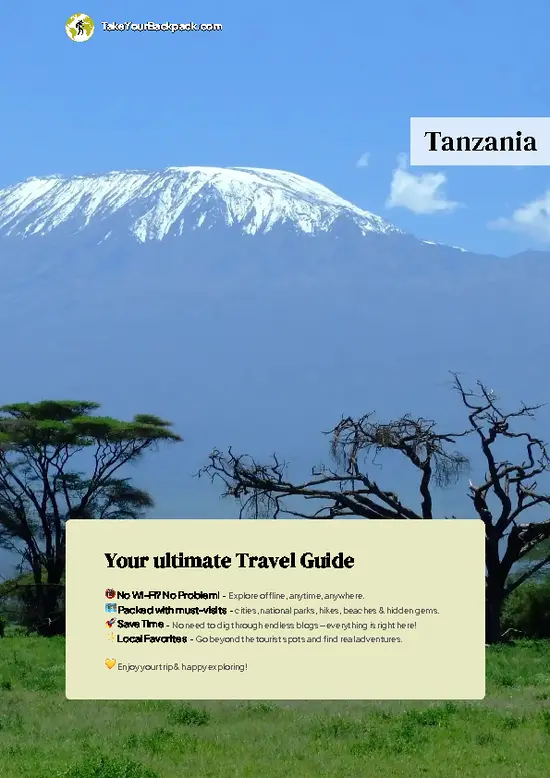
example page 0 from our offline Travel Guide for Tanzaniaexample page 1 from our offline Travel Guide for Tanzaniaexample page 2 from our offline Travel Guide for Tanzaniaexample page 3 from our offline Travel Guide for Tanzaniaexample page 4 from our offline Travel Guide for Tanzaniaexample page 5 from our offline Travel Guide for Tanzania
The digital guide (327 pages) contains:
100 highlights, ranked by travel appeal
Optimized 7, 14 & 21-day travel routes
Best neighborhoods to stay
How to get around
Offline-friendly for travel without Wi-Fi
👉 See all 30+ guide features

📅 Plan smarter in minutes, not weeks
Month by month travel advice
Festivals & national holidays
Budget expectations

🗺️ Go to the right places, skip the overrated ones
Honest pros & cons of destinations
Top hikes, parks & viewpoints
Lesser-known places most travelers miss
Clear “worth it vs skip it” guidance

🛏️ Travel smoothly without rookie mistakes
Best areas to stay
Transport systems explained simply
Common scams & safety advice
SIM cards, money & practical tips

🌍 Understand the country, not just visit it
Culture & traditions
52 Essential phrases & customs
Festivals worth planning around
Traveler-friendly historical context
Insights that make places more meaningful

📱 Built for real travel conditions
Fully downloadable PDF
Works completely offline
Optimized for phone use
Useful in remote areas & buses
Everything in one place
Save weeks of stressful planning
Get instant access to the full guide directly. 30-day money-back guarantee.


Sent to your inbox immediately after payment • 100% Secure Checkout
Best Backpacking Travel Advisor 2025 tourism awardBest Backpacking
Travel Advisor
2025
What others say about Take Your Backpack Guides:
⭐⭐⭐⭐⭐
Fantastic, amazing amount of information!
⭐⭐⭐⭐⭐
My goodness this is amazing, it's what I've been looking for hats off too you!
⭐⭐⭐⭐⭐
I think this is absolutely BRILLIANT
⭐⭐⭐⭐
Very complete and informative. It's still missing places, but I gotta to commend you
⭐⭐⭐⭐⭐
This is truly amazing, thank you, can't wait to explore it with my kids!
⭐⭐⭐⭐⭐
Awesome resource, thank you!
⭐⭐⭐⭐⭐
This is amazing! Can't wait to explore the ones I haven't seen
⭐⭐⭐⭐
I love this! Well done, great idea.
⭐⭐⭐⭐⭐
Thanks for taking the time to make this gem!
⭐⭐⭐⭐⭐
This might be the best website I've ever seen.
⭐⭐⭐⭐⭐
Congratulations, and thank you so much for your work; it's incredibly valuable.
⭐⭐⭐⭐
In all seriousness I think you did a great job pointing out the important spots
⭐⭐⭐⭐⭐
10/10 very good
⭐⭐⭐⭐⭐
As someone who's only just starting to visit regularly this is awesome, thank you.
⭐⭐⭐⭐
Thank you very much! I'm going to visit my dad, it's going to be very useful!
⭐⭐⭐⭐⭐
This is really cool! We'll be travelling for the first time and this definitely come in handy.
⭐⭐⭐⭐⭐
You are now our minister of culture, congratulations 👨‍💼
⭐⭐⭐⭐⭐
Just wanted to tell you that this is a pearl! Going to follow your recommendations.
⭐⭐⭐⭐⭐
This is so cool. I'll definitely be using the resource for my travels soon.
⭐⭐⭐⭐⭐
This is very impressive! Good work.
⭐⭐⭐⭐⭐
This is an amazing and informative site. Very well done!

🛏️ Where to stay?Top Places to Consider Staying

Yes — hostels and budget accommodation are common across Tanzania, especially in Dar es Salaam (city centre and Msasani/Oysterbay), Arusha and Moshi (Kilimanjaro gateway), and on Zanzibar in Stone Town, Nungwi and Paje.
Dar gives easy transport links and nightlife but has heavy traffic and mixed neighbourhood safety; Arusha and Moshi put you closest to safaris and Kilimanjaro with quieter streets and basic services; Stone Town is best for ferries and historic access but has cramped, noisy alleys, while Nungwi is beach-party lively and Paje is windier and more chilled for kitesurfing.
Expect basic standards, book dorms well in advance for high season, bring a mosquito net and padlock, and … read more 👉
Yes — hostels and budget accommodation are common across Tanzania, especially in Dar es Salaam (city centre and Msasani/Oysterbay), Arusha and Moshi (Kilimanjaro gateway), and on Zanzibar in Stone Town, Nungwi and Paje.
Dar gives easy transport links and nightlife but has heavy traffic and mixed neighbourhood safety; Arusha and Moshi put you closest to safaris and Kilimanjaro with quieter streets and basic services; Stone Town is best for ferries and historic access but has cramped, noisy alleys, while Nungwi is beach-party lively and Paje is windier and more chilled for kitesurfing.
Expect basic standards, book dorms well in advance for high season, bring a mosquito net and padlock, and prioritise places near ferry terminals or park gates to avoid expensive transfers.

If you enjoy meeting fellow travelers, consider choosing hostels with high ratings for atmosphere. On the other hand, if you prefer having your own space, a hotel might be a better option.

TanzaniaMore Places Across Tanzania

👋 Meet the founderWho’s Behind Take Your Backpack?

Johan, backpacker and founder of TakeYourBackpackHi, I’m Johan (Netherlands 🇳🇱), the creator of TakeYourBackpack. Over the past decade, I’ve backpacked through 80+ countries across six continents, gaining extensive experience with independent travel, long-term trips, and overland routes.

This site is built on a combination of firsthand travel experience and carefully curated insights from other backpackers. Many guides are based on places I’ve personally visited, while others bring together tips, observations, and practical advice shared by trusted travelers I’ve met along the way.

The goal is to provide realistic, experience-driven guidance — not generic itineraries — so you can explore destinations with better context, clearer expectations, and more confidence.

Get Full Country Guide |
Instant download • 100 highlights • Full Offline guide