
×

Tanzania🇹🇿 | attractionsPalace MuseumSultans' reception rooms, royal bedrooms, Salme exhibit, seafront balconies | things to do and best time to go

Explore Old Slave Market & Anglican CathedralExplore Hamamni Persian Baths

Backpacking in Palace Museum
🏆 Top pickattraction ranked #4
By Johan Kruseman 🇳🇱 | Updated October 22, 2026

Palace Museum (Beit el-Sahel, the “Palace of the Coast”) is the sultans’ old waterfront home, and it throws open the story of Zanzibar’s Omani rulers room by room. What travelers overlook is the setting: it stands right on the Stone Town seafront, so you can pair it with the harbor stroll in minutes. It sits in Zanzibar City, in the Tanzanian archipelago off the mainland, a short walk north of the Old Fort. Here is how it works. Tickets are sold at the door in US dollars or shillings, because the museum is government-run, so carry small bills and skip the hunt for card machines. Rooms are cramped and labels are sparse, so hire a guide at the gate for the context. Crowds stay thin outside cruise-ship days. Expect faded grandeur, not polish. History lovers and curious wanderers will relish it. Anyone wanting interactive displays or a long visit will feel shortchanged.

Discover everything you want to know in the 📖 Tanzania Travel Guide.


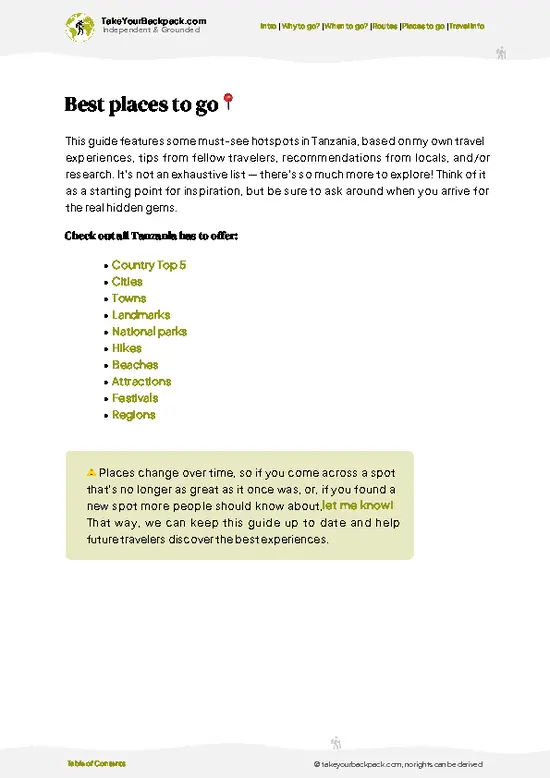
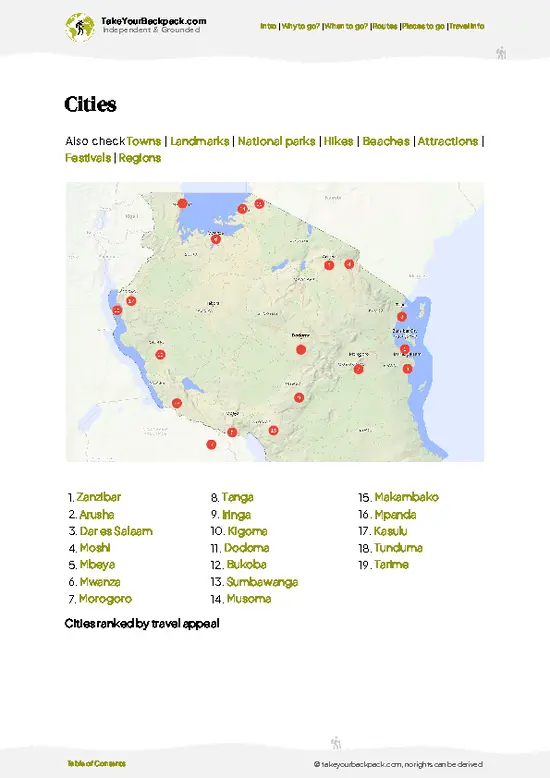
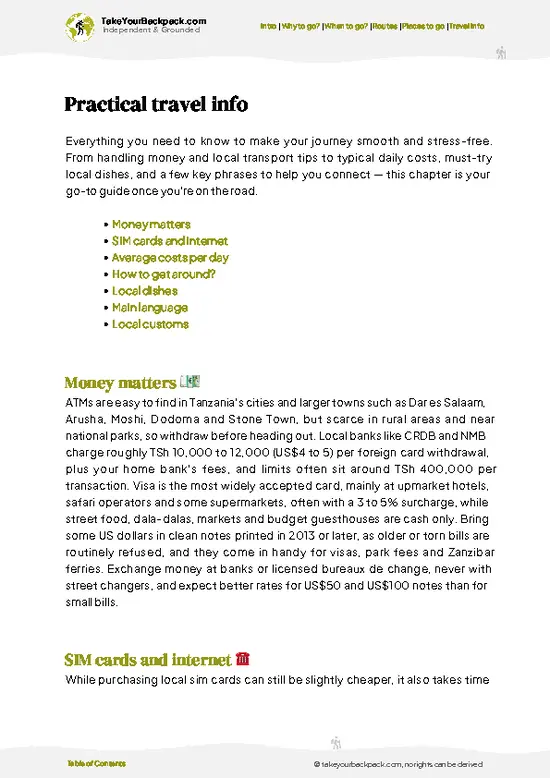
example page 0 from our offline Travel Guide for Tanzania
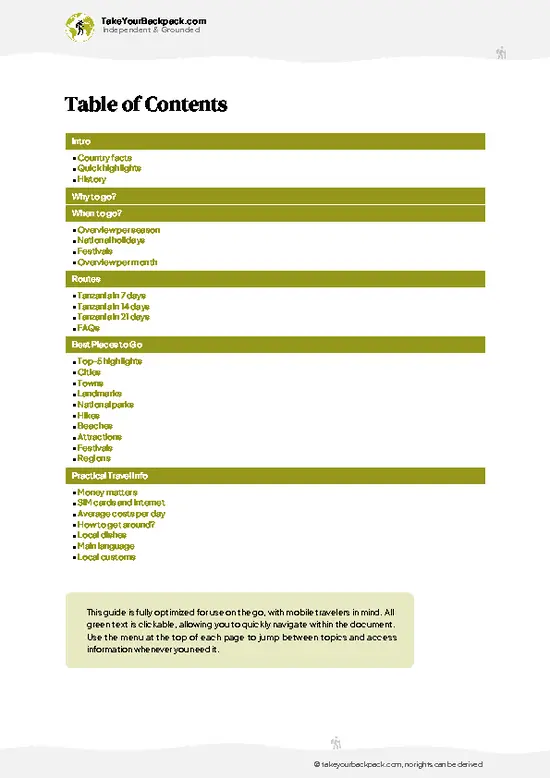
example page 1 from our offline Travel Guide for Tanzania
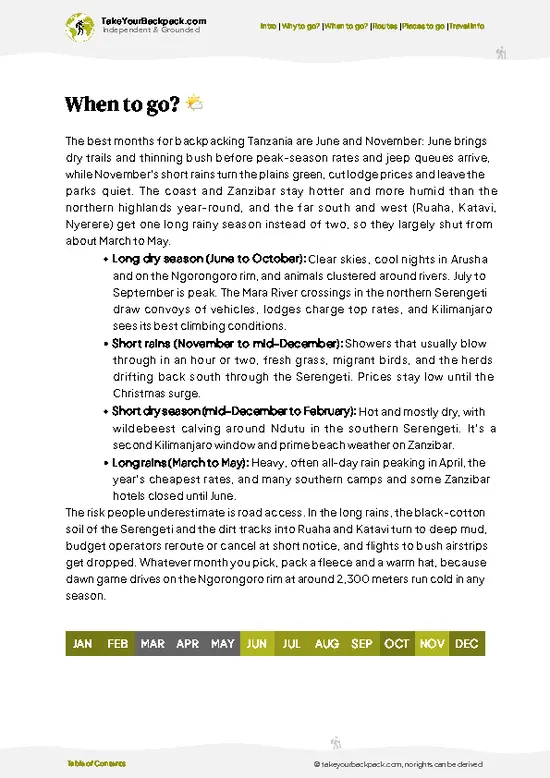
example page 2 from our offline Travel Guide for Tanzania
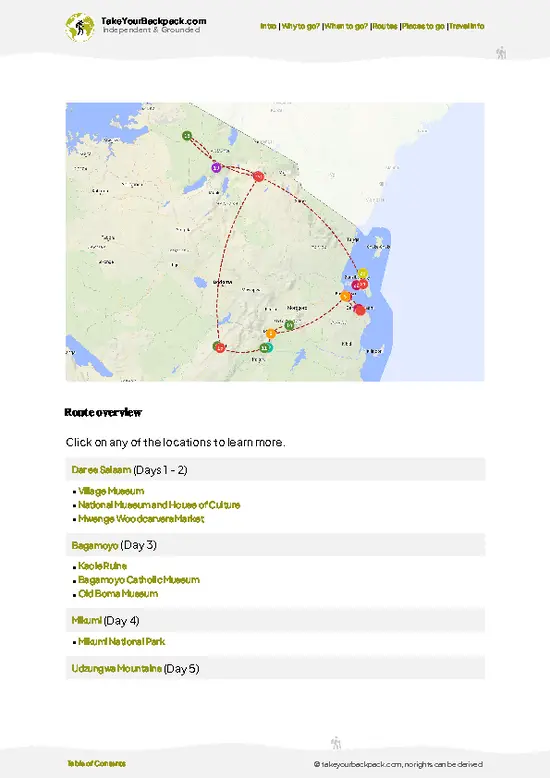
example page 3 from our offline Travel Guide for Tanzania
example page 4 from our offline Travel Guide for Tanzania
example page 5 from our offline Travel Guide for Tanzania
example page 6 from our offline Travel Guide for Tanzania
example page 7 from our offline Travel Guide for Tanzania
Loading the map 🌍
CLICK TO FILTER
cities
towns
landmarks
national parks
hikes
beaches
attractions
festivals
regions
SHOW COUNTRY’S BESTSHOW ALL

✨ Why go?
Ranked #4 attraction in Tanzania
Why Palace Museum should be on your travel list

Palace Museum is the clearest window into the Omani sultanate that ran the Indian Ocean spice and ivory trade from Zanzibar. Walk its rooms and you see how that power looked in daily life: carved furniture, ceremonial gear and family portraits that put faces to names you have only read in guidebooks. Nowhere else in Stone Town makes the sultans feel so close, and the building itself, with its wide balconies facing the water, says plenty before you read a single label.

The second reason is context for everything else you do on the island. Once you know the Sultan Barghash era and the 1964 revolution that ended the monarchy, the carved doors, the Old Fort and the Forodhani waterfront stop being pretty backdrops and start making sense. It also sits on a compact route, so you need only an hour … read more 👉
Palace Museum is the clearest window into the Omani sultanate that ran the Indian Ocean spice and ivory trade from Zanzibar. Walk its rooms and you see how that power looked in daily life: carved furniture, ceremonial gear and family portraits that put faces to names you have only read in guidebooks. Nowhere else in Stone Town makes the sultans feel so close, and the building itself, with its wide balconies facing the water, says plenty before you read a single label.

The second reason is context for everything else you do on the island. Once you know the Sultan Barghash era and the 1964 revolution that ended the monarchy, the carved doors, the Old Fort and the Forodhani waterfront stop being pretty backdrops and start making sense. It also sits on a compact route, so you need only an hour or so. For the price of a modest ticket, it turns a walking day into a story you can follow.

💡 HighlightsKey sights and experiences for travelers

  1. Sultans’ Reception Rooms: Ornate chambers where the rulers received guests, with heavy wooden furniture, chandeliers and Omani-influenced decor that show how they wished to be seen.
  2. Sultan Said bin Sultan Displays: Exhibits on the ruler who moved the Omani capital to Zanzibar and built the clove economy that shaped the island.
  3. Princess Salme Exhibit: The story of the sultan’s daughter who eloped with a German merchant and wrote memoirs, one of the most human tales in the building.
  4. Royal Bedrooms and Bathrooms: Private quarters with period beds and fittings, offering a glimpse of domestic life behind the ceremony.
  5. Ceremonial Objects and Royal Portraits: Cases of regalia, clothing and photographs that tie the dynasty to specific faces and eras.
  6. Upper Balconies and Waterfront Views: Open verandas
… read more 👉
  1. Sultans’ Reception Rooms: Ornate chambers where the rulers received guests, with heavy wooden furniture, chandeliers and Omani-influenced decor that show how they wished to be seen.
  2. Sultan Said bin Sultan Displays: Exhibits on the ruler who moved the Omani capital to Zanzibar and built the clove economy that shaped the island.
  3. Princess Salme Exhibit: The story of the sultan’s daughter who eloped with a German merchant and wrote memoirs, one of the most human tales in the building.
  4. Royal Bedrooms and Bathrooms: Private quarters with period beds and fittings, offering a glimpse of domestic life behind the ceremony.
  5. Ceremonial Objects and Royal Portraits: Cases of regalia, clothing and photographs that tie the dynasty to specific faces and eras.
  6. Upper Balconies and Waterfront Views: Open verandas looking over the harbor, where dhows still cross the water, ideal for photos and a breather.
  7. Palace Exterior and Seafront Facade: The white, balconied front is worth a slow look from the street, especially for its scale beside the neighboring buildings.
Palace Museum pairs easily with the nearby Old Fort in one morning, followed by an evening at Forodhani Gardens.
Spotted a mistake or missing something? Contact us.

🌤️ When to go?Best time to visit Palace Museum

  • June to October: Zanzibar’s drier, cooler stretch, with daytime highs of 27 to 30°C (81 to 86°F) and a sea breeze along the Stone Town waterfront where the Palace Museum stands. Crowds and flight and bed prices peak in July and August, plus around Christmas.
  • December to February: Hot and humid at 30 to 33°C (86 to 91°F). Rain comes in short bursts, and the galleries stay cool inside thick coral-stone walls. Prices climb sharply for the holidays.
  • March to May (long rains): Heavy downpours, 26 to 30°C (79 to 86°F), and the thickest humidity. Many guesthouses cut rates, and you will often have the museum rooms nearly to yourself, though some boat services slow down.
  • November: Short rains arrive in brief afternoon showers, with fewer visitors and lower prices than December.
Go in the morning, since … read more 👉
  • June to October: Zanzibar’s drier, cooler stretch, with daytime highs of 27 to 30°C (81 to 86°F) and a sea breeze along the Stone Town waterfront where the Palace Museum stands. Crowds and flight and bed prices peak in July and August, plus around Christmas.
  • December to February: Hot and humid at 30 to 33°C (86 to 91°F). Rain comes in short bursts, and the galleries stay cool inside thick coral-stone walls. Prices climb sharply for the holidays.
  • March to May (long rains): Heavy downpours, 26 to 30°C (79 to 86°F), and the thickest humidity. Many guesthouses cut rates, and you will often have the museum rooms nearly to yourself, though some boat services slow down.
  • November: Short rains arrive in brief afternoon showers, with fewer visitors and lower prices than December.
Go in the morning, since the museum is open from early in the day and tour groups arrive from late morning. Daylight runs roughly 11.5 to 12.5 hours across the year.


source: climatestotravel.comJANJanuary: fair for travelingFEBFebruary: fair for travelingMARMarch: below average for travelingAPRApril: below average for travelingMAYMay: fair for travelingJUNJune: highly recommended for travelingJULJuly: good for travelingAUGAugust: good for travelingSEPSeptember: highly recommended for travelingOCTOctober: highly recommended for travelingNOVNovember: fair for travelingDECDecember: fair for traveling
when-to-go

✈️ The backpacker research shortcutTanzania Travel Guide

An offline-friendly backpacking guide with optimized travel routes, ranked highlights, transport advice, and the best areas to stay.
example page 0 from our offline Travel Guide for Tanzania
example page 1 from our offline Travel Guide for Tanzania
example page 2 from our offline Travel Guide for Tanzania
example page 3 from our offline Travel Guide for Tanzania
example page 4 from our offline Travel Guide for Tanzania
example page 5 from our offline Travel Guide for Tanzania
example page 6 from our offline Travel Guide for Tanzania
example page 7 from our offline Travel Guide for Tanzania
The digital guide (396 pages) contains:
✅ 103 highlights, ranked by travel appeal
✅ Optimized 7, 14 & 21-day travel routes
✅ Cities, national parks, landmarks, beaches
✅ How to get around
✅ Offline-friendly for travel without Wi-Fi
👉 Click to see all 30+ guide features

📅 Plan smarter in minutes, not weeks
✅ Month by month travel advice
✅ Festivals & national holidays
✅ Budget expectations

🗺️ Go to the right places, skip the overrated ones
✅ Honest pros & cons of destinations
✅ Top hikes, parks & viewpoints
✅ Lesser-known places most travelers miss
✅ Clear “worth it vs skip it” guidance

🛏️ Travel smoothly without rookie mistakes
✅ Best areas to stay
✅ Transport systems explained simply
✅ Common scams & safety advice
✅ SIM cards, money & practical tips

🌍 Understand the country, not just visit it
✅ Culture & traditions
✅ 52 Essential phrases & customs
✅ Festivals worth planning around
✅ Traveler-friendly historical context
✅ Insights that make places more meaningful

📱 Built for real travel conditions
✅ Fully downloadable PDF
✅ Works completely offline
✅ Optimized for phone use
✅ Useful in remote areas & buses
✅ Everything in one place
Stop searching, start planning
Get instant access to your full guide. 30‑day money-back guarantee.
+ Add another guide for just

By proceeding you agree to our terms.
Sent to your inbox immediately after payment • 100% Secure Checkout
Best Backpacking Travel Advisor 2025 tourism awardBest Backpacking
Travel Advisor
2025
What others say about Take Your Backpack Guides:
⭐⭐⭐⭐⭐
Fantastic, amazing amount of information!
⭐⭐⭐⭐⭐
My goodness this is amazing, it's what I've been looking for hats off too you!
⭐⭐⭐⭐⭐
I think this is absolutely BRILLIANT
⭐⭐⭐⭐
Very complete and informative. It's still missing places, but I gotta to commend you
⭐⭐⭐⭐⭐
This is truly amazing, thank you, can't wait to explore it with my kids!
⭐⭐⭐⭐⭐
Awesome resource, thank you!
⭐⭐⭐⭐⭐
This is amazing! Can't wait to explore the ones I haven't seen
⭐⭐⭐⭐
I love this! Well done, great idea.
⭐⭐⭐⭐⭐
Thanks for taking the time to make this gem!
⭐⭐⭐⭐⭐
This might be the best website I've ever seen.
⭐⭐⭐⭐⭐
Congratulations, and thank you so much for your work; it's incredibly valuable.
⭐⭐⭐⭐
In all seriousness I think you did a great job pointing out the important spots
⭐⭐⭐⭐⭐
10/10 very good
⭐⭐⭐⭐⭐
As someone who's only just starting to visit regularly this is awesome, thank you.
⭐⭐⭐⭐
Thank you very much! I'm going to visit my dad, it's going to be very useful!
⭐⭐⭐⭐⭐
This is really cool! We'll be travelling for the first time and this definitely come in handy.
⭐⭐⭐⭐⭐
You are now our minister of culture, congratulations 👨‍💼
⭐⭐⭐⭐⭐
Just wanted to tell you that this is a pearl! Going to follow your recommendations.
⭐⭐⭐⭐⭐
This is so cool. I'll definitely be using the resource for my travels soon.
⭐⭐⭐⭐⭐
This is very impressive! Good work.
⭐⭐⭐⭐⭐
This is an amazing and informative site. Very well done!

🛏️ Where to stay?How to pick the right area

Stone Town is where you want to be, and the northern and central lanes around Forodhani Gardens put the Palace Museum within a 5 to 10 minute walk. Dorm beds in this area run about US$10 to 20 a night, and private rooms in basic guesthouses US$25 to 45.
The streets between Forodhani and Shangani are the most social. Rooftop terraces fill with solo travelers at sunset, and the night food market in Forodhani is steps away, so you can meet people over cheap grilled seafood. Evenings here are lively and well lit, and walking back in a group is easy.
The Mkunazini and Hurumzi quarters, a little inland, … read more 👉
Stone Town is where you want to be, and the northern and central lanes around Forodhani Gardens put the Palace Museum within a 5 to 10 minute walk. Dorm beds in this area run about US$10 to 20 a night, and private rooms in basic guesthouses US$25 to 45.
The streets between Forodhani and Shangani are the most social. Rooftop terraces fill with solo travelers at sunset, and the night food market in Forodhani is steps away, so you can meet people over cheap grilled seafood. Evenings here are lively and well lit, and walking back in a group is easy.
The Mkunazini and Hurumzi quarters, a little inland, are quieter and more local. You hear the call to prayer from several mosques, the guesthouses are small and family-run, and prices drop by a few dollars. The lanes are a maze, so save your hostel’s location on an offline map before dark.
Nungwi and Kendwa on the north coast are better for beach parties, but they sit about 1 to 1.5 hours away by minibus, which makes a museum visit a full day trip. For a short stay, Stone Town is far more practical.

👛 Costs (as of 22 October 2026)What things cost and how to budget

Palace Museum costs most backpackers about US$31 to 80 a day in Stone Town, with the entry ticket itself around US$5 to 10. The museum, also called Beit al-Sahel, sits on the Forodhani seafront, and foreign visitors pay in US dollars or Tanzanian shillings.
CategoryBudget RangeLocal Reality
Entrance ticketUS$5 to 10Foreigners pay a higher rate than residents. Payment is at the ticket desk, and cards are not always accepted.
GuideUS$0 to 10Optional. Wall labels explain the sultans’ rooms, and a guide adds family stories.
Accommodation (high season)US$10 to 25A dorm bed in Stone Town. Private rooms cost US$25 to 45.
Accommodation (low season)US$8 to 18Rates fall during the March to May rains.
FoodUS$6 to 15Forodhani night market skewers and Zanzibar mix cost US$2 to 6. Café meals cost US$6 to 12.
Local
… read more 👉
Palace Museum costs most backpackers about US$31 to 80 a day in Stone Town, with the entry ticket itself around US$5 to 10. The museum, also called Beit al-Sahel, sits on the Forodhani seafront, and foreign visitors pay in US dollars or Tanzanian shillings.
CategoryBudget RangeLocal Reality
Entrance ticketUS$5 to 10Foreigners pay a higher rate than residents. Payment is at the ticket desk, and cards are not always accepted.
GuideUS$0 to 10Optional. Wall labels explain the sultans’ rooms, and a guide adds family stories.
Accommodation (high season)US$10 to 25A dorm bed in Stone Town. Private rooms cost US$25 to 45.
Accommodation (low season)US$8 to 18Rates fall during the March to May rains.
FoodUS$6 to 15Forodhani night market skewers and Zanzibar mix cost US$2 to 6. Café meals cost US$6 to 12.
Local transportUS$0 to 5The museum is walkable from most guesthouses. A short taxi ride costs US$3 to 5, and a dala-dala costs well under US$1.
Other sights nearbyUS$5 to 15House of Wonders, the Old Fort and spice or walking tours add to the day.
Total Daily BudgetUS$31 to 80Roughly US$55 for a typical day.
⚠️ Prices can change and everyone travels differently, so take this as a rough guide. Hope it helps you plan your adventure!

FAQTraveler FAQ

Palace Museum takes about 1 to 1.5 hours to see properly, since it has three floors of sultans’ rooms, furniture and photographs. Pair it with the nearby House of Wonders and the Old Fort and you fill a comfortable half day. Allow a bit more if you hire a guide.
For most backpackers, Palace Museum is good value at roughly US$5 to 10. You see the rooms of the Omani sultans’ family, including the Princess Salme exhibit, and learn the history of the 19th-century sultanate. It is less impressive if you only want exterior photos, since the building is visible free from the Forodhani seafront.
Palace Museum sits on the Stone Town waterfront beside Forodhani Gardens, so you can walk there in 5 to 15 minutes from most guesthouses. From Zanzibar airport, a taxi takes about 15 to 20 minutes and costs US$10 to 20. Ferries from Dar es Salaam take 2 to 2.5 hours and cost roughly US$35 to 50, and Stone Town’s port is a 10 minute walk away.
⚠️ Things can change over time, so always validate details locally before you go.

Other Tanzanian attractions near Palace Museum

Explore more nearby:

  • House of Wonders—Clock tower, cast-iron verandas, rooftop balcony, wooden dhow| 0 km away
  • Princess Salme Museum—Salme's house, guided rooms, royal portraits, memoir display| 0 km away
  • Old Fort—Coral ramparts, craft courtyard, amphitheater, old cannons| 0 km away

💡 Not sure where to go next?
Create a personalized itinerary for Tanzania including Palace Museum and the places that fit your trip.

Generate my itinerary

👉 Discover all attractions

Or checkout all Tanzania has to offer (think cities, towns, villages, national parks, hikes, beaches, festivals)
Country photo of Tanzania

We 💚 feedbackIs it worth it?

Palace Museum works best in the early morning, soon after opening, when the rooms are quiet and the harbor light comes through the balconies softly. Avoid midday heat in the stuffy interior, and bring small bills for the ticket. I would hire the guide at the door, since the labels only go so far.

✍️ Help improve this page!
The information on this page is based on in-depth research, insights shared by experienced travelers, and feedback from the local travel community in Tanzania. While every effort is made to keep the information accurate and current, conditions can change — so if you spot anything incorrect or outdated, please get in touch.


🙋‍♂️ Give feedback

👋 Meet the founderWho’s Behind Take Your Backpack?

Johan, backpacker and founder of TakeYourBackpackHi, I’m Johan (Netherlands 🇳🇱), the creator of TakeYourBackpack. Over the past 3 decades, I’ve backpacked through 90+ countries across six continents, gaining extensive experience with independent travel, long-term trips, and overland routes.

This site is built on a combination of firsthand travel experience and carefully curated insights from other backpackers. Many guides are based on places I’ve personally visited, while others bring together tips, observations, and practical advice shared by trusted travelers I’ve met along the way.

The goal is to provide realistic, experience-driven guidance — not generic itineraries — so you can explore destinations with better context, clearer expectations, and more confidence.