




The 13th-Century Mosques: Stone, Coral, and Silence
Forget the Instagrammed arches and moody black-and-white edits. The real thrill here is standing inside a mosque built from coral rag and lime mortar, with sunlight slanting through ancient doorways. These aren’t just ruins—they’re the bones of a Swahili civilization that traded with Persia and Arabia before most of Europe knew Zanzibar existed. The main mosque’s mihrab (prayer niche) is still intact, and if you catch it alone, you’ll feel the centuries pressing in. No velvet ropes, no glass cases—just you and the echo of barefoot worshippers from 700 years ago.
The Tombs: Carved Pillars and Unanswered Questions
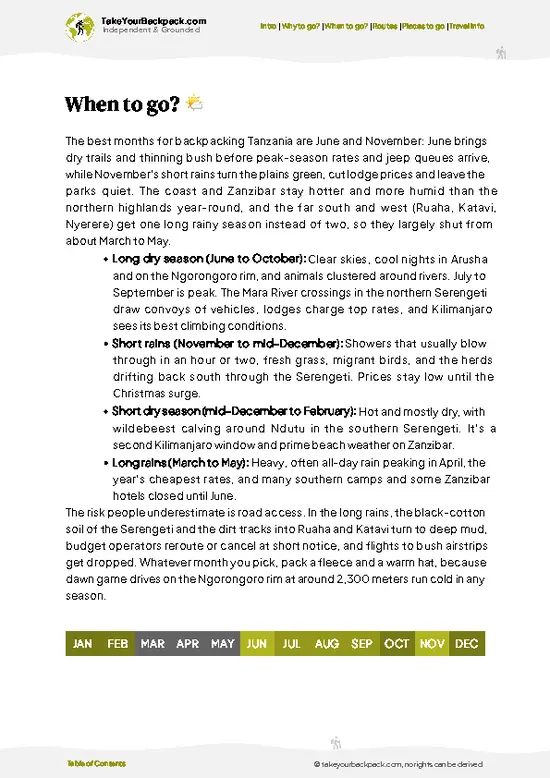
Kaole’s pillar tombs are the real showstoppers. Some are capped with cylindrical columns, others with domes, all weathered by salt … read more 👉
Forget the Instagrammed arches and moody black-and-white edits. The real thrill here is standing inside a mosque built from coral rag and lime mortar, with sunlight slanting through ancient doorways. These aren’t just ruins—they’re the bones of a Swahili civilization that traded with Persia and Arabia before most of Europe knew Zanzibar existed. The main mosque’s mihrab (prayer niche) is still intact, and if you catch it alone, you’ll feel the centuries pressing in. No velvet ropes, no glass cases—just you and the echo of barefoot worshippers from 700 years ago.
The Tombs: Carved Pillars and Unanswered Questions
Kaole’s pillar tombs are the real showstoppers. Some are capped with cylindrical columns, others with domes, all weathered by salt … read more 👉
The 13th-Century Mosques: Stone, Coral, and Silence
Forget the Instagrammed arches and moody black-and-white edits. The real thrill here is standing inside a mosque built from coral rag and lime mortar, with sunlight slanting through ancient doorways. These aren’t just ruins—they’re the bones of a Swahili civilization that traded with Persia and Arabia before most of Europe knew Zanzibar existed. The main mosque’s mihrab (prayer niche) is still intact, and if you catch it alone, you’ll feel the centuries pressing in. No velvet ropes, no glass cases—just you and the echo of barefoot worshippers from 700 years ago.
The Tombs: Carved Pillars and Unanswered Questions
Kaole’s pillar tombs are the real showstoppers. Some are capped with cylindrical columns, others with domes, all weathered by salt and time. These aren’t generic graves—they’re status symbols, built for sultans and local elites. The inscriptions are mostly lost, but the architecture is pure Swahili, with hints of Persian influence. If you’re a fan of unsolved mysteries, this is your playground. The best part? You can walk right up, run your fingers over the coral, and imagine the funerals that once drew half the coast to this spot.
The Baobab Tree: The Living Witness
There’s a baobab here that’s older than most countries. It’s not just a tree—it’s a living landmark, gnarled and massive, with roots that look like they’re swallowing the ruins whole. Locals say it’s over 800 years old. Sit in its shade and you’re sharing space with every traveler, trader, and storyteller who’s ever passed through Kaole. No filter needed; this is the kind of presence that makes you put your phone away.
The Mangrove Walk: Where Ruins Meet the Sea
Most people miss this: the ruins back right onto a tangle of mangroves and tidal flats. At low tide, you can wander out and watch fiddler crabs scuttle across the mud, with the Indian Ocean glinting in the distance. It’s a reminder that Kaole was a port before Bagamoyo even existed. The blend of crumbling stone and living coastline is a rare, cinematic collision—nature and history in one frame.
The Absence of Crowds: Your Own Slice of History
Here’s the honest truth: Kaole doesn’t draw busloads of tourists. You’ll probably have the place to yourself, or share it with a handful of curious locals. No touts, no staged performances, no pressure to buy anything. It’s just you, the ruins, and the sound of wind in the baobabs. If you want to feel like an explorer instead of a customer, this is your spot.
Forget the Instagrammed arches and moody black-and-white edits. The real thrill here is standing inside a mosque built from coral rag and lime mortar, with sunlight slanting through ancient doorways. These aren’t just ruins—they’re the bones of a Swahili civilization that traded with Persia and Arabia before most of Europe knew Zanzibar existed. The main mosque’s mihrab (prayer niche) is still intact, and if you catch it alone, you’ll feel the centuries pressing in. No velvet ropes, no glass cases—just you and the echo of barefoot worshippers from 700 years ago.
The Tombs: Carved Pillars and Unanswered Questions
Kaole’s pillar tombs are the real showstoppers. Some are capped with cylindrical columns, others with domes, all weathered by salt and time. These aren’t generic graves—they’re status symbols, built for sultans and local elites. The inscriptions are mostly lost, but the architecture is pure Swahili, with hints of Persian influence. If you’re a fan of unsolved mysteries, this is your playground. The best part? You can walk right up, run your fingers over the coral, and imagine the funerals that once drew half the coast to this spot.
The Baobab Tree: The Living Witness
There’s a baobab here that’s older than most countries. It’s not just a tree—it’s a living landmark, gnarled and massive, with roots that look like they’re swallowing the ruins whole. Locals say it’s over 800 years old. Sit in its shade and you’re sharing space with every traveler, trader, and storyteller who’s ever passed through Kaole. No filter needed; this is the kind of presence that makes you put your phone away.
The Mangrove Walk: Where Ruins Meet the Sea
Most people miss this: the ruins back right onto a tangle of mangroves and tidal flats. At low tide, you can wander out and watch fiddler crabs scuttle across the mud, with the Indian Ocean glinting in the distance. It’s a reminder that Kaole was a port before Bagamoyo even existed. The blend of crumbling stone and living coastline is a rare, cinematic collision—nature and history in one frame.
The Absence of Crowds: Your Own Slice of History
Here’s the honest truth: Kaole doesn’t draw busloads of tourists. You’ll probably have the place to yourself, or share it with a handful of curious locals. No touts, no staged performances, no pressure to buy anything. It’s just you, the ruins, and the sound of wind in the baobabs. If you want to feel like an explorer instead of a customer, this is your spot.
Spotted a mistake or missing something? Contact us.
v2.webp)


Best Backpacking
Hi, I’m Johan (Netherlands 🇳🇱), the creator of TakeYourBackpack. Over the past decade, I’ve backpacked through 80+ countries across six continents, gaining extensive experience with independent travel, long-term trips, and overland routes.