×

Tanzania🇹🇿 | national parksKatavi National ParkKatuma hippo pools, Katisunga Plain, buffalo herds, ranger walks | things to do and best time to go

Explore Udzungwa MountainsExplore Mahale Mountains National Park

Backpacking in Katavi
🌟 Highlightnational park ranked #10
By Johan Kruseman 🇳🇱 | Updated October 22, 2026

Hippos pack the Katuma River and the Katisunga Plain in the dry season, and the grunting rises from the mud pools all day. That is Katavi National Park, in western Tanzania, southwest of Lake Tanganyika's Mpanda area. You will crunch across open floodplain, stalk riverbeds on foot with a ranger, and watch buffalo herds in the hundreds roll past your tent. The cost of this wildness is distance: the roads are rough, the flights are small, and flat walking tracks are few. Crowds? Almost none, so every lion pride or crocodile bank feels like yours. Compared with Serengeti, Katavi has a fraction of the vehicles, which means more silence and more surprise.

Discover everything you want to know in the 📖 Tanzania Travel Guide.


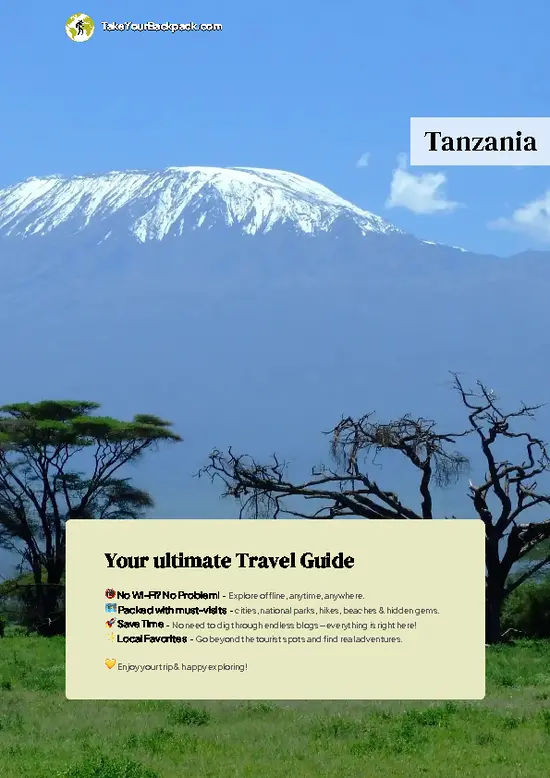
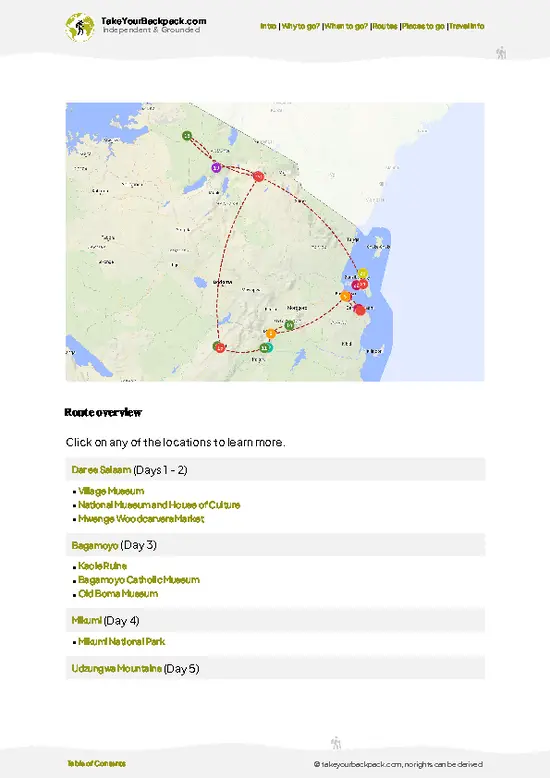
example page 0 from our offline Travel Guide for Tanzania
example page 1 from our offline Travel Guide for Tanzania
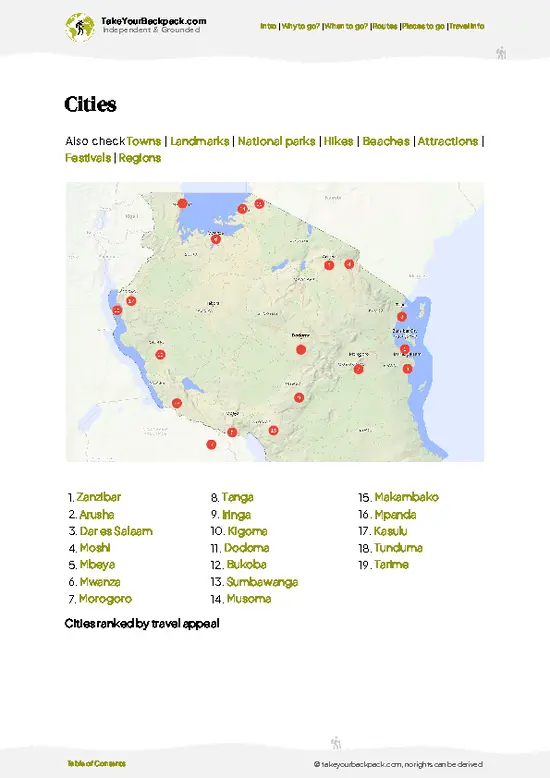
example page 2 from our offline Travel Guide for Tanzania
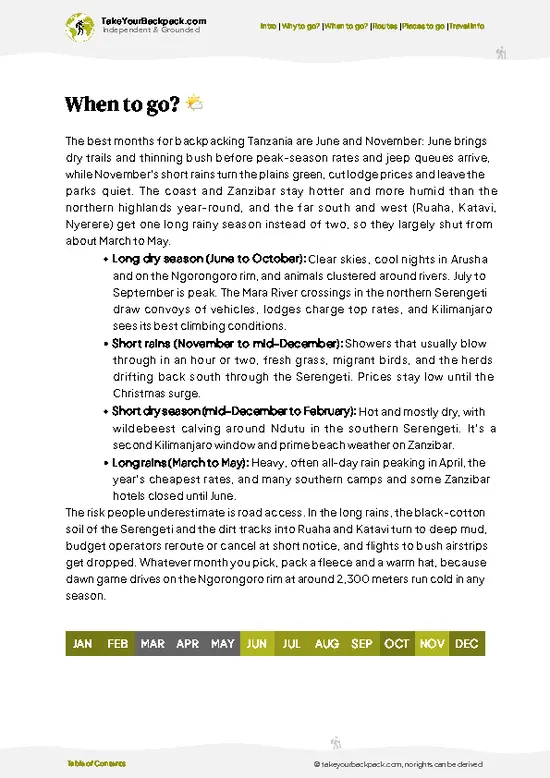
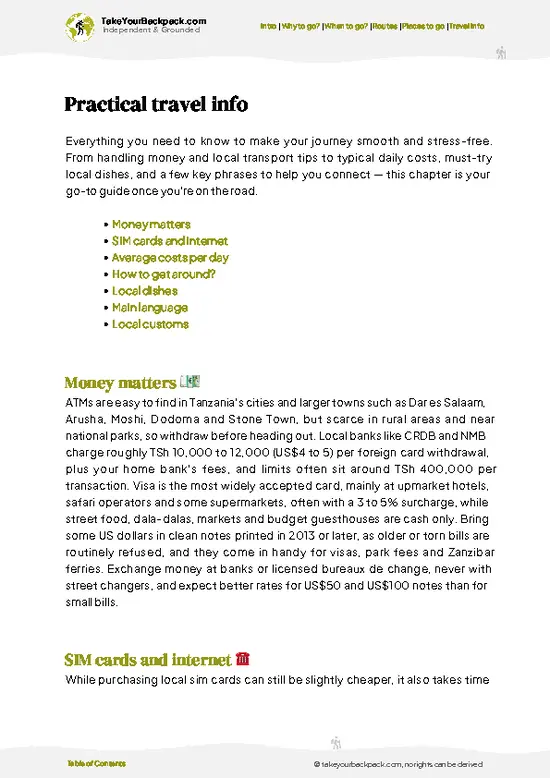
example page 3 from our offline Travel Guide for Tanzania
example page 4 from our offline Travel Guide for Tanzania
example page 5 from our offline Travel Guide for Tanzania
example page 6 from our offline Travel Guide for Tanzania
example page 7 from our offline Travel Guide for Tanzania
Loading the map 🌍
CLICK TO FILTER
cities
towns
landmarks
national parks
hikes
beaches
attractions
festivals
regions
SHOW COUNTRY’S BESTSHOW ALL

✨ Why go?
Ranked #10 national park in Tanzania
The unique appeal for travelers

Katavi National Park suits backpackers who want wild Africa without a convoy of safari vehicles. Walking is allowed with an armed ranger, so you can trace the Katuma River on foot and stand a respectful distance from a pod of hippos, a view no minibus window gives you. The Katisunga Plain stretches as an open grassland where buffalo, zebra, topi and roan antelope gather in the dry months, easy to read without a guide's running commentary. Independent travelers also like how basic it stays: you can pitch a tent at public campsites near the ranger post and spend long, quiet hours watching rather than ticking boxes. Tours exist, but the park rewards those who plan their own days and accept the slow pace of the west.

💡 HighlightsKey sights and experiences for travelers

  1. Katuma River hippo pools: In the dry season hundreds of hippos crowd the shrinking pools, wallowing, yawning and fighting in the mud. The sound alone is worth the trip.
  2. Katisunga Plain: A wide seasonal floodplain where huge buffalo herds, zebra, giraffe and topi graze in open view, with lions often nearby.
  3. Chada Plain: A quieter grassland with a ring of woodland, good for elephants, roan antelope and sable, and wonderfully empty.
  4. Lake Chada: A seasonal lake where waterbirds gather when it holds water, and game comes to drink along the shore.
  5. Lake Katavi: A shallow seasonal lake in the wetter months, rich in birdlife including pelicans, storks and herons, with crocodiles along the edges.
  6. Walking safari with a ranger: Leave the vehicle and follow animal trails along the riverbanks, noticing tracks,
… read more 👉
  1. Katuma River hippo pools: In the dry season hundreds of hippos crowd the shrinking pools, wallowing, yawning and fighting in the mud. The sound alone is worth the trip.
  2. Katisunga Plain: A wide seasonal floodplain where huge buffalo herds, zebra, giraffe and topi graze in open view, with lions often nearby.
  3. Chada Plain: A quieter grassland with a ring of woodland, good for elephants, roan antelope and sable, and wonderfully empty.
  4. Lake Chada: A seasonal lake where waterbirds gather when it holds water, and game comes to drink along the shore.
  5. Lake Katavi: A shallow seasonal lake in the wetter months, rich in birdlife including pelicans, storks and herons, with crocodiles along the edges.
  6. Walking safari with a ranger: Leave the vehicle and follow animal trails along the riverbanks, noticing tracks, dung and the smell of the bush at eye level.
  7. Crocodile and lion encounters at the river: Big Nile crocodiles lurk in the muddy river while lion prides often rest in the shade of nearby trees, so keep your eyes open on every bend.
At Katavi National Park, the walking safari with a ranger is the cheapest way to see the park's wildlife, since you pay only a modest ranger fee on top of the entry ticket.
Spotted a mistake or missing something? Contact us.

🌤️ When to go?Best time to explore Katavi

  • Dry Season (June to October): Grass thins, animals crowd the Katuma River and Lake Katavi floodplain, and hippo pods pack into shrinking pools. Days reach 28 to 34°C (82 to 93°F), nights drop to 12 to 16°C (54 to 61°F). Lodges charge peak rates and book out in August.
  • Short Rains (November to December): Storms arrive in the afternoon, roads soften, and birdlife surges. Highs sit at 30 to 35°C (86 to 95°F). Prices dip.
  • Long Rains (January to April): Lush, empty, and often cut off by flooded tracks. Many camps close. Expect 25 to 30°C (77 to 86°F).
  • Shoulder (May): Roads dry out, green hangs on, and crowds stay thin.
Daylight runs about 11.5 to 12.5 hours across the year. Aim for late June to September if you want the most wildlife and the easiest driving.

source: climatestotravel.comJANJanuary: good for travelingFEBFebruary: good for travelingMARMarch: good for travelingAPRApril: good for travelingMAYMay: good for travelingJUNJune: highly recommended for travelingJULJuly: excellent for travelingAUGAugust: excellent for travelingSEPSeptember: excellent for travelingOCTOctober: highly recommended for travelingNOVNovember: good for travelingDECDecember: good for traveling
when-to-go

✈️ The backpacker research shortcutTanzania Travel Guide

An offline-friendly backpacking guide with optimized travel routes, ranked highlights, transport advice, and the best areas to stay.
example page 0 from our offline Travel Guide for Tanzania
example page 1 from our offline Travel Guide for Tanzania
example page 2 from our offline Travel Guide for Tanzania
example page 3 from our offline Travel Guide for Tanzania
example page 4 from our offline Travel Guide for Tanzania
example page 5 from our offline Travel Guide for Tanzania
example page 6 from our offline Travel Guide for Tanzania
example page 7 from our offline Travel Guide for Tanzania
The digital guide (396 pages) contains:
✅ 103 highlights, ranked by travel appeal
✅ Optimized 7, 14 & 21-day travel routes
✅ Cities, national parks, landmarks, beaches
✅ How to get around
✅ Offline-friendly for travel without Wi-Fi
👉 Click to see all 30+ guide features

📅 Plan smarter in minutes, not weeks
✅ Month by month travel advice
✅ Festivals & national holidays
✅ Budget expectations

🗺️ Go to the right places, skip the overrated ones
✅ Honest pros & cons of destinations
✅ Top hikes, parks & viewpoints
✅ Lesser-known places most travelers miss
✅ Clear “worth it vs skip it” guidance

🛏️ Travel smoothly without rookie mistakes
✅ Best areas to stay
✅ Transport systems explained simply
✅ Common scams & safety advice
✅ SIM cards, money & practical tips

🌍 Understand the country, not just visit it
✅ Culture & traditions
✅ 52 Essential phrases & customs
✅ Festivals worth planning around
✅ Traveler-friendly historical context
✅ Insights that make places more meaningful

📱 Built for real travel conditions
✅ Fully downloadable PDF
✅ Works completely offline
✅ Optimized for phone use
✅ Useful in remote areas & buses
✅ Everything in one place
Stop searching, start planning
Get instant access to your full guide. 30‑day money-back guarantee.
+ Add another guide for just

By proceeding you agree to our terms.
Sent to your inbox immediately after payment • 100% Secure Checkout
Best Backpacking Travel Advisor 2025 tourism awardBest Backpacking
Travel Advisor
2025
What others say about Take Your Backpack Guides:
⭐⭐⭐⭐⭐
Fantastic, amazing amount of information!
⭐⭐⭐⭐⭐
My goodness this is amazing, it's what I've been looking for hats off too you!
⭐⭐⭐⭐⭐
I think this is absolutely BRILLIANT
⭐⭐⭐⭐
Very complete and informative. It's still missing places, but I gotta to commend you
⭐⭐⭐⭐⭐
This is truly amazing, thank you, can't wait to explore it with my kids!
⭐⭐⭐⭐⭐
Awesome resource, thank you!
⭐⭐⭐⭐⭐
This is amazing! Can't wait to explore the ones I haven't seen
⭐⭐⭐⭐
I love this! Well done, great idea.
⭐⭐⭐⭐⭐
Thanks for taking the time to make this gem!
⭐⭐⭐⭐⭐
This might be the best website I've ever seen.
⭐⭐⭐⭐⭐
Congratulations, and thank you so much for your work; it's incredibly valuable.
⭐⭐⭐⭐
In all seriousness I think you did a great job pointing out the important spots
⭐⭐⭐⭐⭐
10/10 very good
⭐⭐⭐⭐⭐
As someone who's only just starting to visit regularly this is awesome, thank you.
⭐⭐⭐⭐
Thank you very much! I'm going to visit my dad, it's going to be very useful!
⭐⭐⭐⭐⭐
This is really cool! We'll be travelling for the first time and this definitely come in handy.
⭐⭐⭐⭐⭐
You are now our minister of culture, congratulations 👨‍💼
⭐⭐⭐⭐⭐
Just wanted to tell you that this is a pearl! Going to follow your recommendations.
⭐⭐⭐⭐⭐
This is so cool. I'll definitely be using the resource for my travels soon.
⭐⭐⭐⭐⭐
This is very impressive! Good work.
⭐⭐⭐⭐⭐
This is an amazing and informative site. Very well done!

🛏️ Where to stay?Best areas to stay in Tanzania

Inside the park, you can sleep at the public campsites near Ikuu Ranger Post (about US$30 per person per night, bring everything) or at tented camps such as Katuma Bush Lodge, Katavi Wildlife Camp and Chada Katavi. The camps run about US$250 to 600 per person with meals, so budget travelers lean on camping or the ranger-post hostel-style rooms near park headquarters. Camping gear can be arranged through safari operators from Mpanda or Arusha.

The nearest town is Mpanda, roughly 35 to 40 kilometers north of the park gate, with basic guesthouses at US$8 to 20 a night, a market for supplies and … read more 👉
Inside the park, you can sleep at the public campsites near Ikuu Ranger Post (about US$30 per person per night, bring everything) or at tented camps such as Katuma Bush Lodge, Katavi Wildlife Camp and Chada Katavi. The camps run about US$250 to 600 per person with meals, so budget travelers lean on camping or the ranger-post hostel-style rooms near park headquarters. Camping gear can be arranged through safari operators from Mpanda or Arusha.

The nearest town is Mpanda, roughly 35 to 40 kilometers north of the park gate, with basic guesthouses at US$8 to 20 a night, a market for supplies and a bus link from Tabora, Kigoma and Sumbawanga. Few backpackers stay long here; most arrive by road or charter flight and sleep inside or at the edge of the park. Stock up on food, water and cash in Mpanda, since options near the gate are thin.

👛 Costs (as of 22 October 2026)How expensive it really is

Katavi National Park costs about US$106 to 125 per day for a backpacker who camps and self-caters. That figure assumes a high-season visit with a shared vehicle.
CategoryBudget RangeLocal Reality
Park entranceUS$30 to 35Per adult per 24 hours for non-residents, paid by card at the gate; children pay less.
CampingUS$30 (high season), US$20 to 25 (low season)Public campsites near Ikuu with basic facilities; you carry your own gear.
Guesthouse in MpandaUS$8 to 20Simple rooms with fans and a shared or private bathroom.
Local transportUS$8 to 20Minibus or bus from Mpanda toward the gate; hiring a vehicle with driver is far higher.
Ranger escortUS$20 to 25Required for walks, with a flat per-walk fee.
Food and suppliesUS$10 to 15Market food in Mpanda; bring everything for the park, including water.
Total
… read more 👉
Katavi National Park costs about US$106 to 125 per day for a backpacker who camps and self-caters. That figure assumes a high-season visit with a shared vehicle.
CategoryBudget RangeLocal Reality
Park entranceUS$30 to 35Per adult per 24 hours for non-residents, paid by card at the gate; children pay less.
CampingUS$30 (high season), US$20 to 25 (low season)Public campsites near Ikuu with basic facilities; you carry your own gear.
Guesthouse in MpandaUS$8 to 20Simple rooms with fans and a shared or private bathroom.
Local transportUS$8 to 20Minibus or bus from Mpanda toward the gate; hiring a vehicle with driver is far higher.
Ranger escortUS$20 to 25Required for walks, with a flat per-walk fee.
Food and suppliesUS$10 to 15Market food in Mpanda; bring everything for the park, including water.
Total Daily BudgetUS$106 to 125Based on high-season camping with entry and ranger fees.


source: tanzaniaparks.go.tz
⚠️ Prices can change and everyone travels differently, so take this as a rough guide. Hope it helps you plan your adventure!

🥾 TrailsScenic routes and wildlife spotting in Katavi

Katavi National Park is a place for ranger-led walks and short drives, not marked hiking circuits, so you build each day around water and animals. The ground is mostly flat floodplain, dry savanna and miombo woodland, with soft sand along riverbeds and tall grass in the wet months.
  • Katuma River walk: Starts near the ranger post and follows the riverbank for two to four hours, easy but hot, with close views of hippos, crocodiles and birds.
  • Katisunga Plain walk: A flat, open route of roughly three hours across short grass, easy underfoot, good for buffalo, zebra and giraffe from a safe distance.
  • Woodland
… read more 👉
Katavi National Park is a place for ranger-led walks and short drives, not marked hiking circuits, so you build each day around water and animals. The ground is mostly flat floodplain, dry savanna and miombo woodland, with soft sand along riverbeds and tall grass in the wet months.
  • Katuma River walk: Starts near the ranger post and follows the riverbank for two to four hours, easy but hot, with close views of hippos, crocodiles and birds.
  • Katisunga Plain walk: A flat, open route of roughly three hours across short grass, easy underfoot, good for buffalo, zebra and giraffe from a safe distance.
  • Woodland walk: A slower, shadier hike of two to three hours through miombo trees, looking for tracks, sable and roan antelope, with moderate effort.
  • Lake Chada walk: A longer outing of half a day over open plain toward the lake, easy to moderate, best in the dry season with birdlife and elephants.
Rangers carry rifles and decide the route, and you must stay close behind them. Bring water, a hat and sturdy shoes, as shade is scarce on the plains. Reaching the park means a long drive over unpaved roads or a small charter flight, and public transport stops well short of the gate, so most people arrange a ride from Mpanda. The park is quiet even in peak season, and you pay an entrance fee in US dollars at the gate plus a ranger fee for each walk.
⚠️ Hiking info can sometimes be outdated or inaccurate. Before you hit the trail, check the latest conditions with locals. If you do spot anything that's off, I'd love to hear from you, so I can update it for fellow travelers.

🛡️ SafetyScams, Hazards, and Annoyances

Katavi is remote and lightly visited, so the real risks are logistical rather than criminal. Hippos and buffalo are the animals that matter: keep well away from river edges at dusk, never walk between a hippo and the water, and give lone buffalo bulls a wide berth. Elephants, lions and the occasional leopard roam near camps, so stay inside the tent after dark and walk only with an armed ranger, which park rules require. Midday heat in the dry season is intense, so carry at least 3 liters of water per person. Tsetse flies bite hard in woodland; wear neutral colors and long sleeves. Malaria is present, so take prophylaxis. Roads wash out in the rains, and help is far, so carry a spare tire and extra fuel.

FAQTraveler FAQ

Plan on three to four days for Katavi National Park, since the road or flight in eats up a full day each way. That gives you two full days of game drives and walks around the Katuma River, Chada Katavi plain and Lake Katavi. A short two-day trip works only if you fly in on a charter from Arusha or Ruaha.
Visiting Katavi National Park without your own car is possible but slow. Buses run to Mpanda from Tabora (about 8 to 10 hours on a partly unpaved route) and Kigoma, and from Mpanda you can hire a 4x4 and driver for the 35 to 40 kilometers to the gate. Light-aircraft charters from Arusha, Ruaha and Mahale also land at park airstrips, though they cost far more.
Yes, Katavi National Park charges an entrance fee of roughly US$30 to 35 per adult per 24 hours for foreign visitors, payable by card at the gate, with lower rates for children. Camping adds about US$30 per person per night, and walking safaris need a ranger escort for roughly US$20 to 25. No separate permit is required beyond these park fees.
⚠️ Things can change over time, so always validate details locally before you go.

Other Tanzanian national parks near Katavi

Explore more nearby:


💡 Not sure where to go next?
Create a personalized itinerary for Tanzania including Katavi and the places that fit your trip.

Generate my itinerary

👉 Discover all national parks

Or checkout all Tanzania has to offer (think cities, towns, villages, national parks, hikes, beaches, festivals)
Country photo of Tanzania

We 💚 feedbackIs it worth it?

Katavi National Park hides its best show in plain sight: the grunting hippos at dusk, when the pools turn loud and the air cools. Skip the midday drive and sit by the river with binoculars instead. I would pack a headlamp, a thermos and plenty of patience.

✍️ Help improve this page!
The information on this page is based on in-depth research, insights shared by experienced travelers, and feedback from the local travel community in Tanzania. While every effort is made to keep the information accurate and current, conditions can change — so if you spot anything incorrect or outdated, please get in touch.


🙋‍♂️ Give feedback

👋 Meet the founderWho’s Behind Take Your Backpack?

Johan, backpacker and founder of TakeYourBackpackHi, I’m Johan (Netherlands 🇳🇱), the creator of TakeYourBackpack. Over the past 3 decades, I’ve backpacked through 90+ countries across six continents, gaining extensive experience with independent travel, long-term trips, and overland routes.

This site is built on a combination of firsthand travel experience and carefully curated insights from other backpackers. Many guides are based on places I’ve personally visited, while others bring together tips, observations, and practical advice shared by trusted travelers I’ve met along the way.

The goal is to provide realistic, experience-driven guidance — not generic itineraries — so you can explore destinations with better context, clearer expectations, and more confidence.