

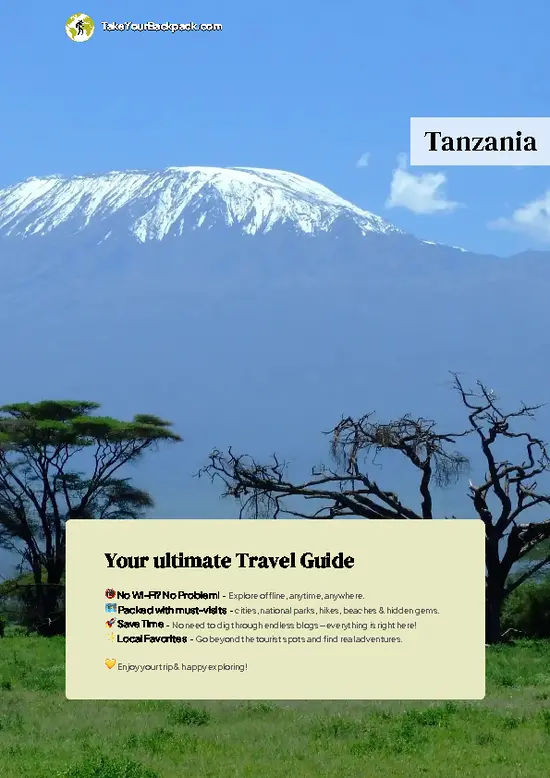
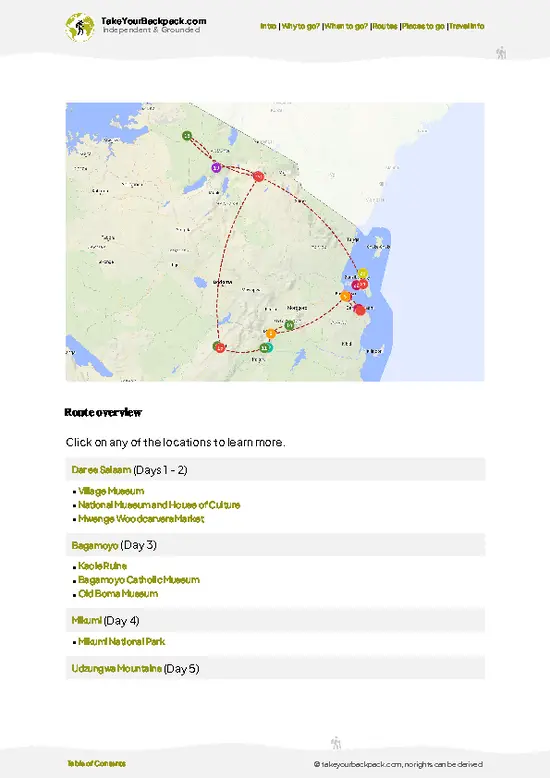
- Uhuru Peak (the Summit) — Africa’s highest point (about 5,895 m) and the obvious draw: that surreal sunrise above the clouds, the sense of achievement at the “roof of Africa,” and wide panoramas you won’t forget. It’s tough to get there, but that’s part of why it’s special.
- Kibo Crater and the Crater Rim — a raw, volcanic landscape right beneath the summit with steaming fumaroles and rocky, moonlike ground. Standing on the rim gives you a direct look into the mountain’s volcanic heart and reminds you this isn’t just a mountain — it’s a giant volcano.
- Glaciers and Icefields — the shrinking ice on Kibo is striking because it exists near the equator; those blue icebands are remnants of ancient glaciers and a vivid, visible example of climate change in action.
- Shira Plateau — a high, open
- Uhuru Peak (the Summit) — Africa’s highest point (about 5,895 m) and the obvious draw: that surreal sunrise above the clouds, the sense of achievement at the “roof of Africa,” and wide panoramas you won’t forget. It’s tough to get there, but that’s part of why it’s special.
- Kibo Crater and the Crater Rim — a raw, volcanic landscape right beneath the summit with steaming fumaroles and rocky, moonlike ground. Standing on the rim gives you a direct look into the mountain’s volcanic heart and reminds you this isn’t just a mountain — it’s a giant volcano.
- Glaciers and Icefields — the shrinking ice on Kibo is striking because it exists near the equator; those blue icebands are remnants of ancient glaciers and a vivid, visible example of climate change in action.
- Shira Plateau — a high, open moorland that feels enormous and oddly remote; early in treks you get sweeping views of Kibo and Mawenzi and a peaceful, windswept landscape that’s unlike any typical mountain trail.
- Mawenzi’s Jagged Spires — the dramatic, serrated companion peak to Kibo. It’s visually stunning from many viewpoints and offers a tougher, rockier character for climbers who want something harder and more technical.
- Rainforest and Lower Slopes — the lush, cloud-forested belt at the mountain’s base is full of birds, colobus monkeys, waterfalls and giant trees. It’s part of Kilimanjaro National Park (a UNESCO site) and a gentle reminder that the mountain contains several distinct ecosystems stacked on top of each other.
- Chagga Culture and Coffee Terraces — the communities that live around Kilimanjaro have shaped the slopes for centuries: terraced farms, local coffee farms you can visit, and a living mountain culture. Chats with guides or a short village visit add human history to the landscape.
Spotted a mistake or missing something? Contact us.

Private Kilimanjaro Hike 7 Day Lemosho Route

8-Day Essence of Tanzania Safari – Luxury Experience

Joining Kilimanjaro one day hike experience by KILITA SAFARIS

Kilimanjaro climb, Marangu route (6-day)

8 Days Kilimanjaro Hike via Lemosho Route

7 Days Machame route - Kilimanjaro

Rau Forest Nature Walk (One Trip - One Tree)

6 Days Machame route Kilimanjaro climbing

7-Day Magical Tanzania Safari -Premium High End Package

 Best Backpacking

 Hi, I’m Johan (Netherlands 🇳🇱), the creator of TakeYourBackpack. Over the past 3 decades, I’ve backpacked through 90+ countries across six continents, gaining extensive experience with independent travel, long-term trips, and overland routes.