×

Tanzania🇹🇿 | landmarksNgorongoro Cratercaldera floor, dense wildlife, soda lake, Maasai presence | things to do and best time to go

Explore KilimanjaroExplore Serengeti Migration

Backpacking in Ngorongoro Crater
👍 Recommendedunique site ranked #3
By Johan Kruseman 🇳🇱 | Updated September 3, 2026

If you’re coming to Ngorongoro Crater just to tick off “the world’s densest concentration of big game” from your safari bucket list, you’re missing the point—and you’ll be sharing that view with a convoy of Land Cruisers, engines idling for the same lion shot. Yes, the wildlife is wild, and yes, the price tag is steep—this is not a secret. But what actually matters here is the sense of scale: you’re standing inside the collapsed mouth of an ancient volcano, ringed by misty walls, with Maasai herders moving cattle along the rim as they have for centuries. Ngorongoro sits in northern Tanzania, just west of Arusha, and it’s both a UNESCO World Heritage site and a living, breathing crossroads of nature and culture. The crater’s beauty is raw, but so is the reality—crowds, strict park rules, and a cost that’ll make your wallet wince. Still, if you want to see where the wild and the human have coexisted for millennia, this is the real magic.

Discover everything you want to know in the 📖 Tanzania Travel Guide.
Loading the map 🌍
CLICK TO FILTER
cities
towns
landmarks
national parks
hikes
beaches
attractions
festivals
SHOW COUNTRY’S BESTSHOW ALL

✨ Why go?
Ranked #3 unique site in Tanzania
Why visitors keep coming back

Ngorongoro Crater isn’t just another pretty picture for your Instagram feed; it’s a living ecosystem that demands your attention. Yes, it can get crowded. Tour buses roll in, and the selfie sticks are out. But here’s the kicker: the wildlife is unparalleled. You’re not just checking off a box; you’re witnessing lions, elephants, and rhinos in their natural habitat, all within a stunning caldera that’s a UNESCO World Heritage Site.

The cost? It’s reasonable for what you get. A day pass is a fraction of what you’d spend on a fancy dinner back home, and it’s a small price for the chance to see the “Big Five” in one spot. Plus, it fits perfectly into a broader route through Tanzania. Pair it with a trek in Serengeti National Park or a visit to Lake Manyara.

The real magic lies in the authentic read more 👉
Ngorongoro Crater isn’t just another pretty picture for your Instagram feed; it’s a living ecosystem that demands your attention. Yes, it can get crowded. Tour buses roll in, and the selfie sticks are out. But here’s the kicker: the wildlife is unparalleled. You’re not just checking off a box; you’re witnessing lions, elephants, and rhinos in their natural habitat, all within a stunning caldera that’s a UNESCO World Heritage Site.

The cost? It’s reasonable for what you get. A day pass is a fraction of what you’d spend on a fancy dinner back home, and it’s a small price for the chance to see the “Big Five” in one spot. Plus, it fits perfectly into a broader route through Tanzania. Pair it with a trek in Serengeti National Park or a visit to Lake Manyara.

The real magic lies in the authentic experiences. Spend a night in a nearby village, share a meal with locals, and soak in their stories. That’s where the true value is. Ngorongoro isn’t just a destination; it’s a gateway to understanding the heart of Tanzania.
Want to include Ngorongoro Crater in your Tanzania route?
Create a personalized Tanzania itinerary that includes Ngorongoro Crater and the places that fit your trip — based on your travel style, budget, and available time. Get your route in seconds.

Generate my trip

💡 HighlightsPlaces and moments you shouldn't skip

  1. The collapsed volcanic caldera itself — A nearly intact, 600-metre-deep crater floor the size of a small city; the scale and symmetry of the caldera make it a rare geological showpiece and the reason the whole place hosts its unique ecosystem.
  2. Insane wildlife density (including the Big Five) — Because of the enclosed topography and varied habitats, you can see lions, buffalo, elephants, leopards and even black rhinos in a single day more reliably than in many open savannas.
  3. Black rhino conservation hotspot — Ngorongoro is one of the few places where critically endangered black rhinos persist in a protected, monitored population — seeing signs or a rhino here feels like witnessing conservation working.
  4. Lake Magadi and the flamingo spectacles — A shallow soda lake on the crater floor that
read more 👉
  1. The collapsed volcanic caldera itself — A nearly intact, 600-metre-deep crater floor the size of a small city; the scale and symmetry of the caldera make it a rare geological showpiece and the reason the whole place hosts its unique ecosystem.
  2. Insane wildlife density (including the Big Five) — Because of the enclosed topography and varied habitats, you can see lions, buffalo, elephants, leopards and even black rhinos in a single day more reliably than in many open savannas.
  3. Black rhino conservation hotspot — Ngorongoro is one of the few places where critically endangered black rhinos persist in a protected, monitored population — seeing signs or a rhino here feels like witnessing conservation working.
  4. Lake Magadi and the flamingo spectacles — A shallow soda lake on the crater floor that attracts clouds of pink flamingos when conditions are right; the contrast of pale soda flats, bright birds and surrounding green slopes is great for photos.
  5. Lerai Forest and elephant gatherings — A patch of acacia woodland where elephants and giraffes often feed and linger; it’s one of the best microhabitats inside the crater for close, shaded wildlife viewing.
  6. Crater rim viewpoints and sunrise/sunset vistas — The rim offers sweeping panoramas over the caldera and the Rift Valley beyond; early morning or late afternoon light transforms the floor into layers of color and wildlife activity.
  7. Cultural landscape & human-evolution context (Ngorongoro Conservation Area) — The crater sits inside a UNESCO World Heritage area where Maasai pastoralists still live and graze, and where sites like nearby Olduvai Gorge (a short drive out) tie the place to early human fossils and archaeological history.
Spotted a mistake or missing something? Contact us.

Things to do near Ngorongoro Crater

Ratings based on Tripadvisor reviews. When you book through this link, you support our work at no extra cost to you.

🌤️ When to go?When to go for the best experience


  • Weather: Ngorongoro Crater’s climate swings between wet and dry seasons. The dry months from June to October bring clear skies and dusty trails, perfect for game viewing. The wet season, November to May, means lush greenery but slippery roads and fewer animals visible.

  • Temperature: Expect chilly mornings around 7°C (45°F) in the dry season, warming to 23°C (73°F) by afternoon. Wet season temps hover between 15°C (59°F) and 25°C (77°F), but humidity can make it feel warmer.

  • Daylight Hours: Roughly 12 hours year-round, with sunrise around 6:30 AM and sunset near 6:30 PM. Early starts are non-negotiable to catch the best wildlife action and avoid midday heat.

  • Crowds: Peak tourist season aligns with dry months, especially July and August, when safari vehicles cluster around watering holes.
read more 👉

  • Weather: Ngorongoro Crater’s climate swings between wet and dry seasons. The dry months from June to October bring clear skies and dusty trails, perfect for game viewing. The wet season, November to May, means lush greenery but slippery roads and fewer animals visible.

  • Temperature: Expect chilly mornings around 7°C (45°F) in the dry season, warming to 23°C (73°F) by afternoon. Wet season temps hover between 15°C (59°F) and 25°C (77°F), but humidity can make it feel warmer.

  • Daylight Hours: Roughly 12 hours year-round, with sunrise around 6:30 AM and sunset near 6:30 PM. Early starts are non-negotiable to catch the best wildlife action and avoid midday heat.

  • Crowds: Peak tourist season aligns with dry months, especially July and August, when safari vehicles cluster around watering holes. The crater can feel like a parking lot. Shoulder seasons offer fewer people and more breathing room.

  • Seasonal Activities: Dry season is prime for spotting predators and large herds. Wet season brings newborn animals and migratory birds, but expect muddy trails and occasional park closures.

  • Price Fluctuations: Safari costs spike during dry season and holidays, with park fees and lodging doubling compared to off-peak months. Budget backpackers can save by visiting in the shoulder or wet seasons, accepting trade-offs in comfort and access.


Pro-tip: Aim for late May or early June—just before the dry rush—when the crater is waking up from rains, crowds are thin, and prices haven’t hit their peak yet.


source: climatestotravel.comJANJanuary: fair for travelingFEBFebruary: fair for travelingMARMarch: fair for travelingAPRApril: fair for travelingMAYMay: good for travelingJUNJune: highly recommended for travelingJULJuly: highly recommended for travelingAUGAugust: highly recommended for travelingSEPSeptember: excellent for travelingOCTOctober: excellent for travelingNOVNovember: fair for travelingDECDecember: fair for traveling
when-to-go

✈️ The backpacker research shortcutTanzania Travel Guide

An offline-friendly backpacking guide with optimized travel routes, ranked highlights, transport advice, and the best areas to stay.
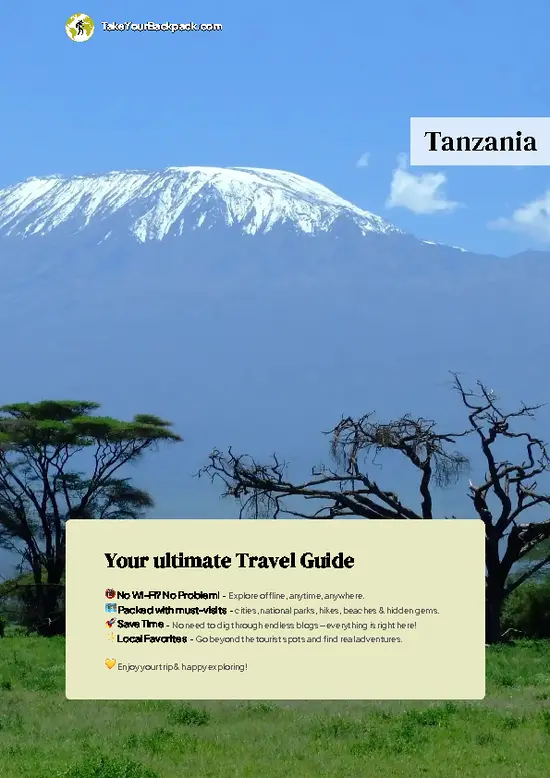
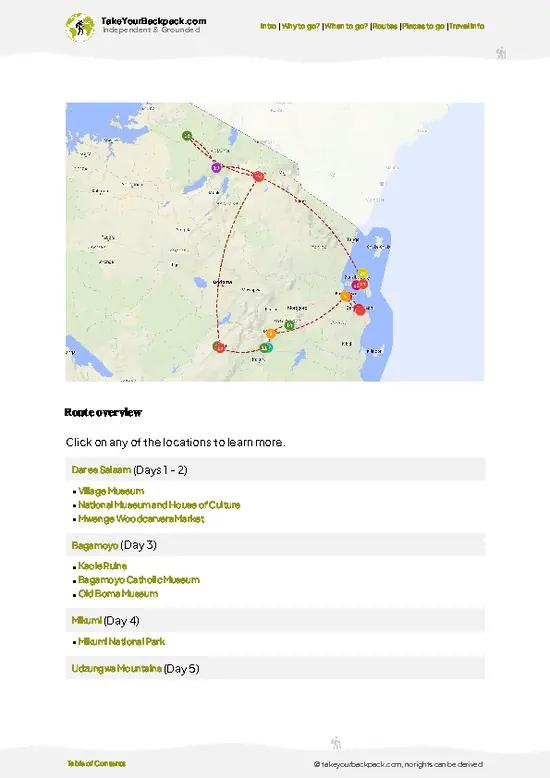
example page 0 from our offline Travel Guide for Tanzania
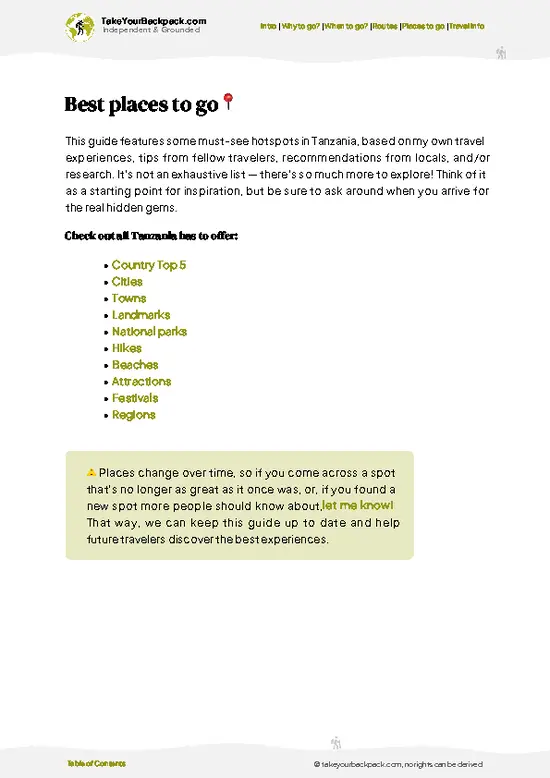
example page 1 from our offline Travel Guide for Tanzania
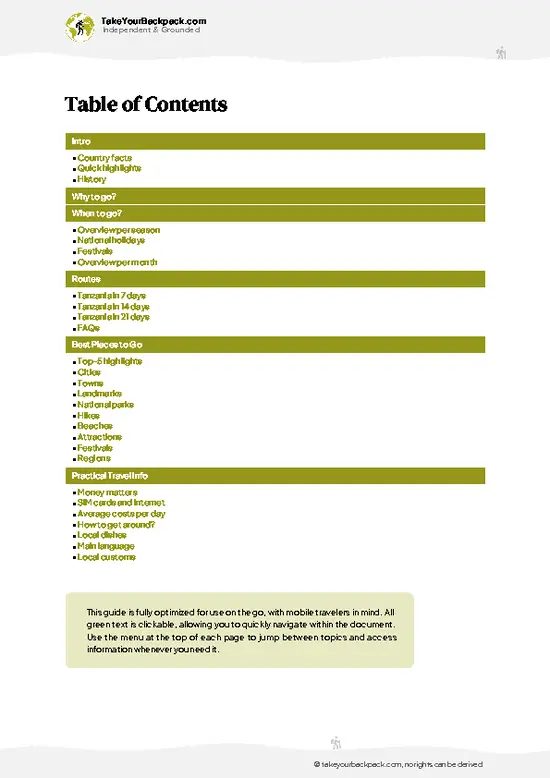
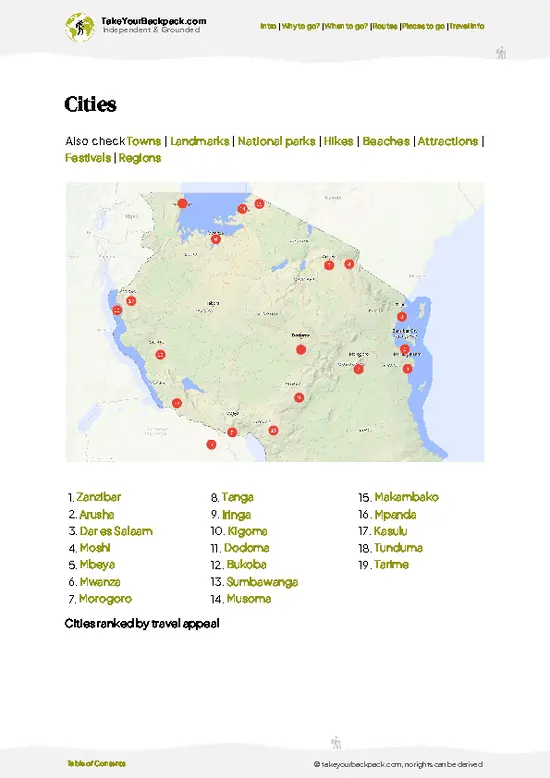
example page 2 from our offline Travel Guide for Tanzania
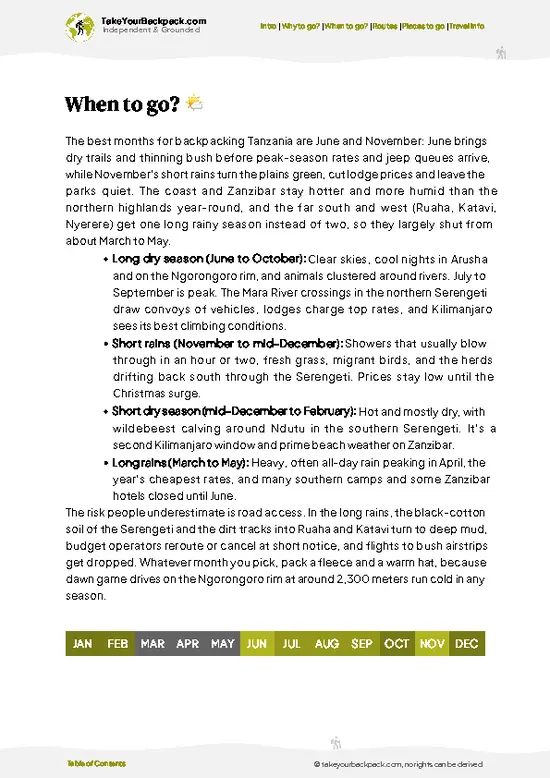
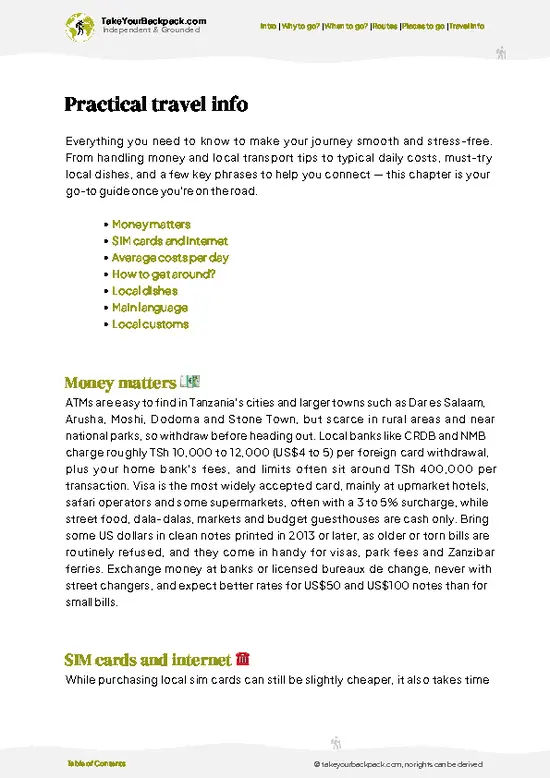
example page 3 from our offline Travel Guide for Tanzania
example page 4 from our offline Travel Guide for Tanzania
example page 5 from our offline Travel Guide for Tanzania
example page 6 from our offline Travel Guide for Tanzania
example page 7 from our offline Travel Guide for Tanzania
The digital guide (377 pages) contains:
100 highlights, ranked by travel appeal
Optimized 7, 14 & 21-day travel routes
Cities, national parks, landmarks, beaches
How to get around
Offline-friendly for travel without Wi-Fi
👉 Click to see all 30+ guide features

📅 Plan smarter in minutes, not weeks
Month by month travel advice
Festivals & national holidays
Budget expectations

🗺️ Go to the right places, skip the overrated ones
Honest pros & cons of destinations
Top hikes, parks & viewpoints
Lesser-known places most travelers miss
Clear “worth it vs skip it” guidance

🛏️ Travel smoothly without rookie mistakes
Best areas to stay
Transport systems explained simply
Common scams & safety advice
SIM cards, money & practical tips

🌍 Understand the country, not just visit it
Culture & traditions
52 Essential phrases & customs
Festivals worth planning around
Traveler-friendly historical context
Insights that make places more meaningful

📱 Built for real travel conditions
Fully downloadable PDF
Works completely offline
Optimized for phone use
Useful in remote areas & buses
Everything in one place
Save weeks of stressful planning
Get instant access to your full guide. 30‑day money-back guarantee.
+ Add another guide for just US$7.80

By proceeding you agree to our terms.
Sent to your inbox immediately after payment • 100% Secure Checkout
Best Backpacking Travel Advisor 2025 tourism awardBest Backpacking
Travel Advisor
2025
What others say about Take Your Backpack Guides:
⭐⭐⭐⭐⭐
Fantastic, amazing amount of information!
⭐⭐⭐⭐⭐
My goodness this is amazing, it's what I've been looking for hats off too you!
⭐⭐⭐⭐⭐
I think this is absolutely BRILLIANT
⭐⭐⭐⭐
Very complete and informative. It's still missing places, but I gotta to commend you
⭐⭐⭐⭐⭐
This is truly amazing, thank you, can't wait to explore it with my kids!
⭐⭐⭐⭐⭐
Awesome resource, thank you!
⭐⭐⭐⭐⭐
This is amazing! Can't wait to explore the ones I haven't seen
⭐⭐⭐⭐
I love this! Well done, great idea.
⭐⭐⭐⭐⭐
Thanks for taking the time to make this gem!
⭐⭐⭐⭐⭐
This might be the best website I've ever seen.
⭐⭐⭐⭐⭐
Congratulations, and thank you so much for your work; it's incredibly valuable.
⭐⭐⭐⭐
In all seriousness I think you did a great job pointing out the important spots
⭐⭐⭐⭐⭐
10/10 very good
⭐⭐⭐⭐⭐
As someone who's only just starting to visit regularly this is awesome, thank you.
⭐⭐⭐⭐
Thank you very much! I'm going to visit my dad, it's going to be very useful!
⭐⭐⭐⭐⭐
This is really cool! We'll be travelling for the first time and this definitely come in handy.
⭐⭐⭐⭐⭐
You are now our minister of culture, congratulations 👨‍💼
⭐⭐⭐⭐⭐
Just wanted to tell you that this is a pearl! Going to follow your recommendations.
⭐⭐⭐⭐⭐
This is so cool. I'll definitely be using the resource for my travels soon.
⭐⭐⭐⭐⭐
This is very impressive! Good work.
⭐⭐⭐⭐⭐
This is an amazing and informative site. Very well done!

🛏️ Where to stay?Best areas and accommodation options

Staying near Ngorongoro Crater can feel like a balancing act between the allure of the wild and the reality of the crowds. First off, let’s get real: this isn’t a secluded paradise. Expect tourists, especially during peak season. But don’t let that deter you; there are spots that offer a genuine backpacker vibe.

The area around Karatu is your best bet. It’s a small town that serves as a gateway to the crater. Here, you’ll find a mix of budget-friendly lodges and campsites. The atmosphere is relaxed, and you can easily strike up conversations with fellow travelers over a shared meal. Plus, it’s … read more 👉
Staying near Ngorongoro Crater can feel like a balancing act between the allure of the wild and the reality of the crowds. First off, let’s get real: this isn’t a secluded paradise. Expect tourists, especially during peak season. But don’t let that deter you; there are spots that offer a genuine backpacker vibe.

The area around Karatu is your best bet. It’s a small town that serves as a gateway to the crater. Here, you’ll find a mix of budget-friendly lodges and campsites. The atmosphere is relaxed, and you can easily strike up conversations with fellow travelers over a shared meal. Plus, it’s a great base for exploring local markets and experiencing Tanzanian culture without the touristy gloss.

Another option is staying in the Ngorongoro Conservation Area itself. While it’s pricier, some camps offer a more immersive experience. You’ll wake up to the sounds of nature, and the views are worth every shilling. Just be prepared for a more rugged experience.

Safety is generally good, but stick to well-trodden paths and keep your gear secure. The real magic lies in the connections you make and the stories you gather. Embrace the chaos, and you’ll find the heart of Tanzania waiting for you.

👛 Costs (as of 3 September 2026)Travel costs and budget guide for Ngorongoro Crater

Visiting Ngorongoro Crater is a bucket-list experience, but it comes with a price tag that can be eye-watering if you’re not prepared. Here’s the breakdown of what you can expect to spend.
  • Park Entry Fee: Expect to pay around $60 to $70 per person for a day pass. This fee grants you access to the crater and its wildlife. Keep in mind that fees can vary based on nationality, so check the latest rates before you go.
  • Accommodation: Lodging options range from budget campsites at about $30 per night to luxury lodges that can soar to $600 or more. If you want to stay close to the crater, be ready to fork out for the convenience. Camping is a great way to save money and get closer to nature.
  • Transportation: If you’re self-driving, budget around $50 to $100 for fuel, depending on your vehicle. Guided
read more 👉
Visiting Ngorongoro Crater is a bucket-list experience, but it comes with a price tag that can be eye-watering if you’re not prepared. Here’s the breakdown of what you can expect to spend.
  • Park Entry Fee: Expect to pay around $60 to $70 per person for a day pass. This fee grants you access to the crater and its wildlife. Keep in mind that fees can vary based on nationality, so check the latest rates before you go.
  • Accommodation: Lodging options range from budget campsites at about $30 per night to luxury lodges that can soar to $600 or more. If you want to stay close to the crater, be ready to fork out for the convenience. Camping is a great way to save money and get closer to nature.
  • Transportation: If you’re self-driving, budget around $50 to $100 for fuel, depending on your vehicle. Guided tours can cost anywhere from $150 to $300 per person, including transport and a guide. This might seem steep, but a knowledgeable guide can enhance your experience significantly.
  • Food and Drink: Meals can range from $10 at local eateries to $50 at upscale lodges. If you’re camping, factor in the cost of groceries and cooking supplies, which can be around $20 to $30 for a couple of days’ worth of food.
  • Extras: Don’t forget about additional costs like tips for guides and staff, which can add up to $10 to $20 per day. Also, if you want to do any special activities, like a guided walking safari, expect to pay extra.

Ngorongoro Crater is worth every penny for the wildlife and breathtaking landscapes. Just be ready for the costs, and plan accordingly.


source: tanzaniaparks.go.tz
⚠️ Prices can change and everyone travels differently, so take this as a rough guide. Hope it helps you plan your adventure!

FAQTraveler FAQ

Ngorongoro Crater is a large volcanic caldera in Tanzania, known for its dense wildlife population and stunning landscapes. It spans about 260 square kilometers and is a UNESCO World Heritage Site. It is one of the best places in Africa to see the Big Five in a single day.
You need at least one full day to visit Ngorongoro Crater to properly explore and enjoy the wildlife and scenery. Many travelers spend 1-2 days, with a typical safari drive lasting 6-8 hours inside the crater. Overnight stays are available at lodges or camps on the crater rim.
You get to Ngorongoro Crater by road, typically from Arusha or Moshi, which are about 3-4 hours away by car. Most visitors join a guided safari tour or hire a 4x4 vehicle due to the rough terrain inside the crater. The nearest airstrip is in Lake Manyara, about 1.5 hours away by road.
⚠️ Things can change over time, so always validate details locally before you go.

Other Tanzanian landmarks near Ngorongoro Crater

Explore more nearby:

  • Serengeti Migration—endless plains, wildebeest herds, river crossings, predator action| 125 km away
  • Kilimanjaro—alpine summit, volcanic slopes, glacier views, altitude challenge| 197 km away

💡 Not sure where to go next?
Create a personalized itinerary for Tanzania including Ngorongoro Crater and the places that fit your trip.

Generate my itinerary

👉 Discover all landmarks

Or checkout all Tanzania has to offer (think cities, towns, villages, national parks, hikes, beaches, festivals)
Country photo of Tanzania

We 💚 feedbackSumming up the experience

Ngorongoro Crater is a wild paradox. Yes, it’s crowded, and the entry fee stings a bit. But here’s the kicker: once you’re down in that caldera, the energy shifts. You’re surrounded by wildlife that feels almost surreal—lions lounging, elephants roaming. The best surprise? The Maasai culture woven into the landscape. Don’t rush your visit; take time to soak it all in. Just be prepared for the altitude—it can hit you harder than you expect. Trust me, it’s worth every penny.

✍️ Help improve this page!
The information on this page is based on in-depth research, insights shared by experienced travelers, and feedback from the local travel community in Tanzania. While every effort is made to keep the information accurate and current, conditions can change — so if you spot anything incorrect or outdated, please get in touch.


🙋‍♂️ Give feedback

👋 Meet the founderWho’s Behind Take Your Backpack?

Johan, backpacker and founder of TakeYourBackpackHi, I’m Johan (Netherlands 🇳🇱), the creator of TakeYourBackpack. Over the past decade, I’ve backpacked through 80+ countries across six continents, gaining extensive experience with independent travel, long-term trips, and overland routes.

This site is built on a combination of firsthand travel experience and carefully curated insights from other backpackers. Many guides are based on places I’ve personally visited, while others bring together tips, observations, and practical advice shared by trusted travelers I’ve met along the way.

The goal is to provide realistic, experience-driven guidance — not generic itineraries — so you can explore destinations with better context, clearer expectations, and more confidence.

Get full Tanzania guide •
Instant download • 100 highlights • Full Offline guide