×

Tanzania🇹🇿 | citiesMbeyasouthern highlands, tea estates, transport hub | things to do and best time to go

Explore Zanzibar CityExplore Tanga

Backpacking in Mbeya
🏆 Top pickcity ranked #6
By Johan Kruseman 🇳🇱 | Updated September 3, 2026

Everyone talks about Mbeya as the gateway to Lake Malawi or the Zambian border, but let’s be honest: most travelers barely scratch the surface before moving on. The real value of Mbeya isn’t in ticking off a famous sight—it’s in the city’s role as a crossroads, where Tanzanian daily life hums louder than the tourist circuit. Tucked in the country’s southwest, Mbeya is a practical launchpad for overland routes, with a gritty, workaday vibe that’s more authentic than charming. You’ll find a lively central market, a few colonial-era buildings, and the odd bar where bus drivers and backpackers swap stories. It’s affordable, relatively safe, and refreshingly low on hassle, but don’t expect a backpacker scene like Moshi or Arusha. If you want to see how Tanzania moves when nobody’s watching, Mbeya delivers—just don’t come looking for postcard moments.

Discover everything you want to know in the 📖 Tanzania Travel Guide.
Loading the map 🌍
CLICK TO FILTER
cities
towns
landmarks
national parks
hikes
beaches
attractions
festivals
SHOW COUNTRY’S BESTSHOW ALL

✨ Why go?
Ranked #6 city in Tanzania
Why visitors keep coming back

Mbeya is a strategic hub for backpackers weaving through Tanzania. It offers a unique blend of affordability and convenience that makes it a solid base for day trips while also providing a taste of local life. The hostels here are budget-friendly and often buzzing with fellow travelers, making it easy to swap stories and tips.

The food scene is diverse, with street vendors serving up local dishes that won’t break the bank. Plus, the city is walkable, allowing you to soak in the atmosphere without the hassle of transport. When the sun sets, the nightlife is laid-back yet lively, perfect for unwinding after a day of exploration.

As for onward travel, Mbeya is well-connected, making it a breeze to continue your journey. If you’re looking for a place that balances comfort and value, Mbeya … read more 👉
Mbeya is a strategic hub for backpackers weaving through Tanzania. It offers a unique blend of affordability and convenience that makes it a solid base for day trips while also providing a taste of local life. The hostels here are budget-friendly and often buzzing with fellow travelers, making it easy to swap stories and tips.

The food scene is diverse, with street vendors serving up local dishes that won’t break the bank. Plus, the city is walkable, allowing you to soak in the atmosphere without the hassle of transport. When the sun sets, the nightlife is laid-back yet lively, perfect for unwinding after a day of exploration.

As for onward travel, Mbeya is well-connected, making it a breeze to continue your journey. If you’re looking for a place that balances comfort and value, Mbeya fits the bill, whether you stay a few days or just pass through.
Want to include Mbeya in your Tanzania route?
Create a personalized Tanzania itinerary that includes Mbeya and the places that fit your trip — based on your travel style, budget, and available time. Get your route in seconds.

Generate my trip

💡 HighlightsWhat this place is best known for

Quick question: do you want me to look up current, on-the-ground details to make sure every spot is definitely inside Mbeya city and currently visitable? I can fetch up-to-date info (recommended). If you prefer, I’ll give an immediate list from my knowledge, but it might miss a couple of lesser-known or newly changed places. Which do you want?
Spotted a mistake or missing something? Contact us.

🏘️ NeighborhoodsKey areas and districts to know

Mbeya is a vibrant hub in Tanzania, offering a mix of urban energy and natural beauty. Here’s how the neighborhoods stack up for backpackers:

Central Mbeya: This is the heartbeat of the city. It’s bustling, with markets and shops lining the streets. You’ll find affordable accommodations and plenty of eateries. Walkability is high, making it easy to explore. Nightlife is lively but not overwhelming. Perfect for short stays or those wanting to dive into local life.

Isanga: A quieter area, Isanga is ideal for those seeking a more laid-back vibe. It’s slightly more residential, with guesthouses that offer a homey feel. While transport options are available, you might need to rely on taxis for longer distances. Great for longer stays if you prefer peace over party.

Mbeya Urban District: This … read more 👉
Mbeya is a vibrant hub in Tanzania, offering a mix of urban energy and natural beauty. Here’s how the neighborhoods stack up for backpackers:

Central Mbeya: This is the heartbeat of the city. It’s bustling, with markets and shops lining the streets. You’ll find affordable accommodations and plenty of eateries. Walkability is high, making it easy to explore. Nightlife is lively but not overwhelming. Perfect for short stays or those wanting to dive into local life.

Isanga: A quieter area, Isanga is ideal for those seeking a more laid-back vibe. It’s slightly more residential, with guesthouses that offer a homey feel. While transport options are available, you might need to rely on taxis for longer distances. Great for longer stays if you prefer peace over party.

Mbeya Urban District: This area is a blend of local culture and modern amenities. It’s a bit pricier but offers a range of dining options and cafes. Walkability is decent, but you’ll want to use public transport for longer excursions. Suitable for both short and longer visits, especially if you enjoy a mix of comfort and local charm.

Rungwe: Just outside the city, Rungwe offers stunning views and access to nature. It’s less walkable, so plan for transport. Ideal for those wanting a break from urban life, making it a great choice for longer stays focused on hiking and exploration.

⌛️ 1 dayA smart one-day plan

Mbeya, Tanzania, is a vibrant hub nestled in the southern highlands, where lush landscapes meet a rich cultural tapestry. This city is often overlooked by travelers, but it offers a unique blend of local life, stunning views, and a taste of authentic Tanzanian culture.

Start your morning at the bustling Mbeya Market in the city center. The aroma of fresh produce and spices fills the air as you navigate through colorful stalls. Grab a local breakfast of chapati and chai from a vendor—simple yet satisfying. After fueling up, take a stroll to the nearby Mbeya Railway Station. This historic site, often missed by tourists, showcases the colonial architecture and offers a glimpse into the region’s past.

In the afternoon, head to the scenic Mbeya Peak. A short drive will get you to the base, … read more 👉
Mbeya, Tanzania, is a vibrant hub nestled in the southern highlands, where lush landscapes meet a rich cultural tapestry. This city is often overlooked by travelers, but it offers a unique blend of local life, stunning views, and a taste of authentic Tanzanian culture.

Start your morning at the bustling Mbeya Market in the city center. The aroma of fresh produce and spices fills the air as you navigate through colorful stalls. Grab a local breakfast of chapati and chai from a vendor—simple yet satisfying. After fueling up, take a stroll to the nearby Mbeya Railway Station. This historic site, often missed by tourists, showcases the colonial architecture and offers a glimpse into the region’s past.

In the afternoon, head to the scenic Mbeya Peak. A short drive will get you to the base, where you can embark on a moderate hike. The trail offers panoramic views of the surrounding valleys and is a perfect spot for some quiet reflection. After your hike, make your way to the nearby Kiwira River for a refreshing dip. It’s a local favorite, and you’ll likely find families enjoying the water, giving you a taste of everyday life.

As evening approaches, return to the city and explore the vibrant streets of the Uhindini neighborhood. Here, you can find local eateries serving up delicious ugali and grilled meats. Wrap up your day at a small café, sipping on a local brew while soaking in the lively atmosphere. This blend of experiences—market, nature, and local cuisine—will leave you feeling connected to the heart of Mbeya.
Turn your Mbeya visit into an Tanzania adventure
Build a complete Tanzania route with Mbeya, hidden gems, must-see destinations, and realistic travel times included.

Generate my trip

🌤️ When to go?Choosing the right time of year


  • Weather: Mbeya’s dry season from June to October offers clear skies and minimal rain, perfect for trekking and exploring without mud or soggy trails. The wet season (November to April) brings heavy rains, making travel trickier and some routes slippery.

  • Temperature: Daytime temps hover between 20-25°C (68-77°F) during the dry months, comfortable for hiking. The wet season is warmer, around 25-30°C (77-86°F), but humidity spikes, which can sap your energy.

  • Daylight Hours: Mbeya enjoys roughly 12 hours of daylight year-round, with minor shifts. Longer daylight in the dry season means more time for activities without rushing.

  • Crowds: Tourist numbers peak in the dry season, especially July and August, so expect busier trails and higher prices. The wet season sees fewer visitors, offering
read more 👉

  • Weather: Mbeya’s dry season from June to October offers clear skies and minimal rain, perfect for trekking and exploring without mud or soggy trails. The wet season (November to April) brings heavy rains, making travel trickier and some routes slippery.

  • Temperature: Daytime temps hover between 20-25°C (68-77°F) during the dry months, comfortable for hiking. The wet season is warmer, around 25-30°C (77-86°F), but humidity spikes, which can sap your energy.

  • Daylight Hours: Mbeya enjoys roughly 12 hours of daylight year-round, with minor shifts. Longer daylight in the dry season means more time for activities without rushing.

  • Crowds: Tourist numbers peak in the dry season, especially July and August, so expect busier trails and higher prices. The wet season sees fewer visitors, offering solitude but less predictable conditions.

  • Seasonal Activities: Dry months are ideal for hiking Mount Rungwe and visiting tea plantations. The wet season brings lush landscapes but limits outdoor excursions.

  • Price Fluctuations: Accommodation and transport costs rise during the dry season due to demand. The wet season offers better deals but at the cost of comfort and accessibility.


Pro-tip: Aim for the shoulder months of May or October to balance decent weather, fewer crowds, and moderate prices—your sweet spot for smart backpacking in Mbeya.


source: climatestotravel.comJANJanuary: fair for travelingFEBFebruary: fair for travelingMARMarch: fair for travelingAPRApril: fair for travelingMAYMay: highly recommended for travelingJUNJune: excellent for travelingJULJuly: highly recommended for travelingAUGAugust: highly recommended for travelingSEPSeptember: excellent for travelingOCTOctober: highly recommended for travelingNOVNovember: fair for travelingDECDecember: fair for traveling
when-to-go

✈️ The backpacker research shortcutTanzania Travel Guide

An offline-friendly backpacking guide with optimized travel routes, ranked highlights, transport advice, and the best areas to stay.
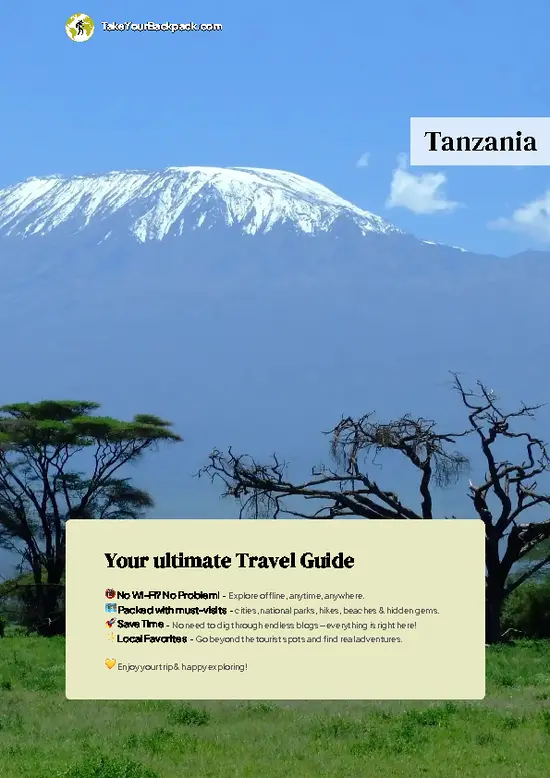
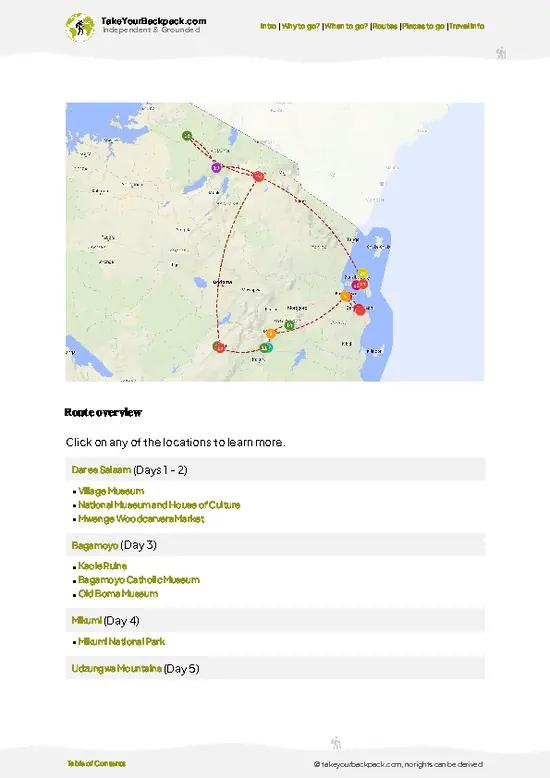
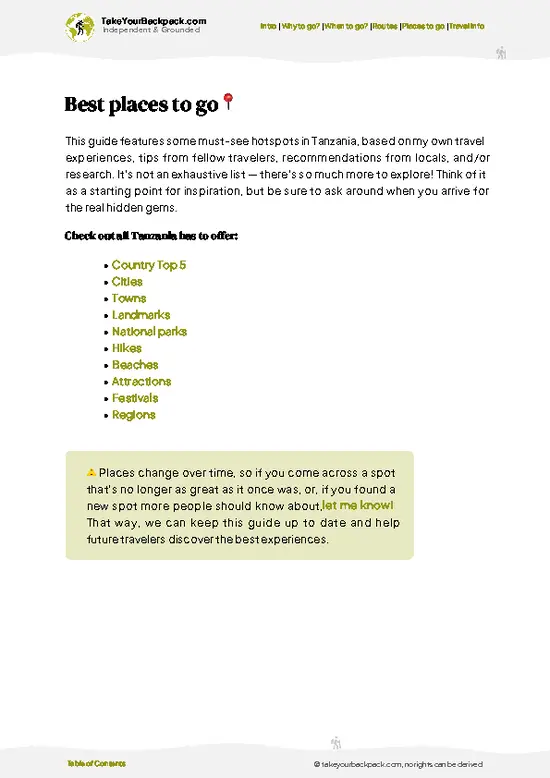
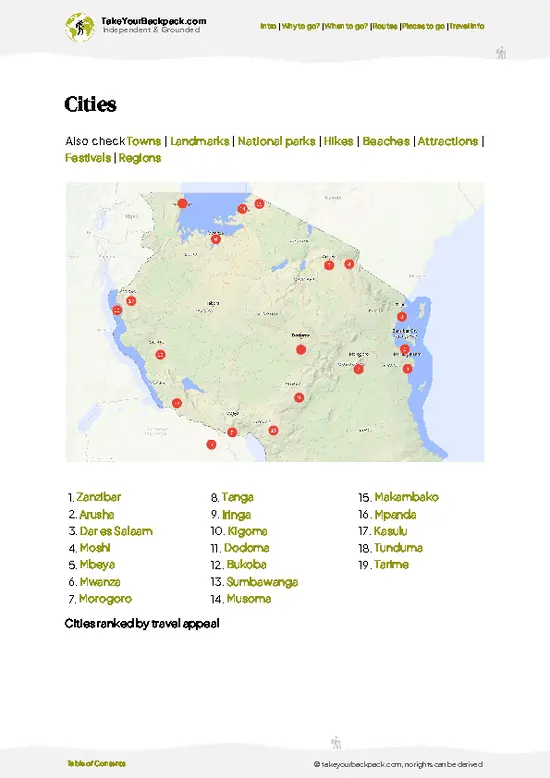
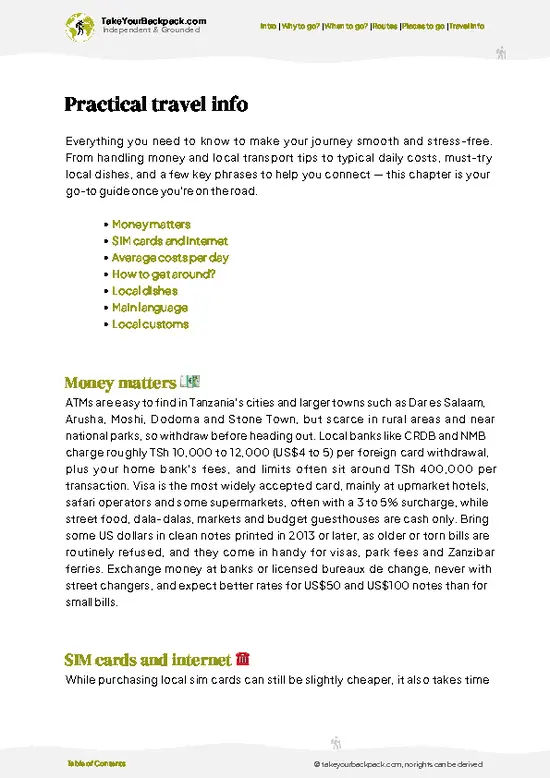
example page 0 from our offline Travel Guide for Tanzania
example page 1 from our offline Travel Guide for Tanzania
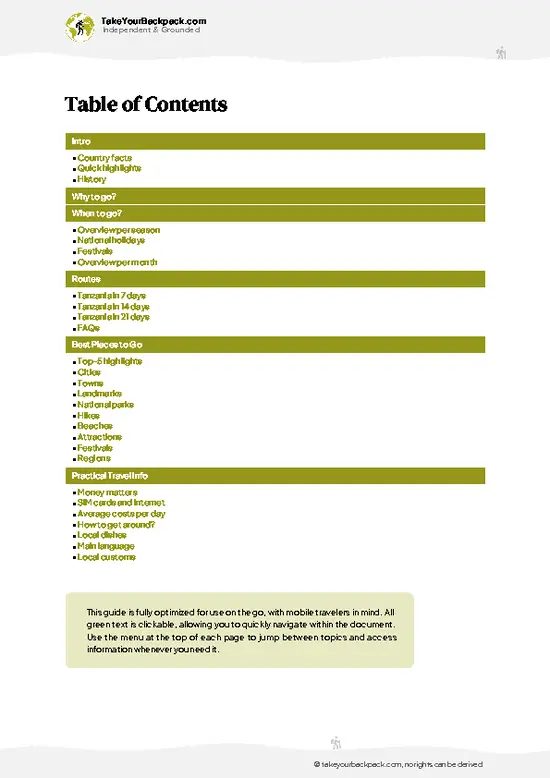
example page 2 from our offline Travel Guide for Tanzania
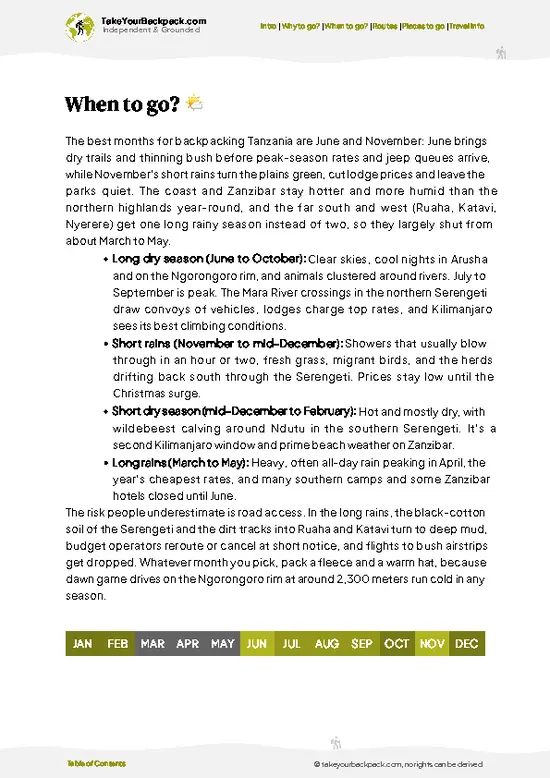
example page 3 from our offline Travel Guide for Tanzania
example page 4 from our offline Travel Guide for Tanzania
example page 5 from our offline Travel Guide for Tanzania
example page 6 from our offline Travel Guide for Tanzania
example page 7 from our offline Travel Guide for Tanzania
The digital guide (377 pages) contains:
100 highlights, ranked by travel appeal
Optimized 7, 14 & 21-day travel routes
Cities, national parks, landmarks, beaches
How to get around
Offline-friendly for travel without Wi-Fi
👉 Click to see all 30+ guide features

📅 Plan smarter in minutes, not weeks
Month by month travel advice
Festivals & national holidays
Budget expectations

🗺️ Go to the right places, skip the overrated ones
Honest pros & cons of destinations
Top hikes, parks & viewpoints
Lesser-known places most travelers miss
Clear “worth it vs skip it” guidance

🛏️ Travel smoothly without rookie mistakes
Best areas to stay
Transport systems explained simply
Common scams & safety advice
SIM cards, money & practical tips

🌍 Understand the country, not just visit it
Culture & traditions
52 Essential phrases & customs
Festivals worth planning around
Traveler-friendly historical context
Insights that make places more meaningful

📱 Built for real travel conditions
Fully downloadable PDF
Works completely offline
Optimized for phone use
Useful in remote areas & buses
Everything in one place
Save weeks of stressful planning
Get instant access to your full guide. 30‑day money-back guarantee.
+ Add another guide for just US$7.80

By proceeding you agree to our terms.
Sent to your inbox immediately after payment • 100% Secure Checkout
Best Backpacking Travel Advisor 2025 tourism awardBest Backpacking
Travel Advisor
2025
What others say about Take Your Backpack Guides:
⭐⭐⭐⭐⭐
Fantastic, amazing amount of information!
⭐⭐⭐⭐⭐
My goodness this is amazing, it's what I've been looking for hats off too you!
⭐⭐⭐⭐⭐
I think this is absolutely BRILLIANT
⭐⭐⭐⭐
Very complete and informative. It's still missing places, but I gotta to commend you
⭐⭐⭐⭐⭐
This is truly amazing, thank you, can't wait to explore it with my kids!
⭐⭐⭐⭐⭐
Awesome resource, thank you!
⭐⭐⭐⭐⭐
This is amazing! Can't wait to explore the ones I haven't seen
⭐⭐⭐⭐
I love this! Well done, great idea.
⭐⭐⭐⭐⭐
Thanks for taking the time to make this gem!
⭐⭐⭐⭐⭐
This might be the best website I've ever seen.
⭐⭐⭐⭐⭐
Congratulations, and thank you so much for your work; it's incredibly valuable.
⭐⭐⭐⭐
In all seriousness I think you did a great job pointing out the important spots
⭐⭐⭐⭐⭐
10/10 very good
⭐⭐⭐⭐⭐
As someone who's only just starting to visit regularly this is awesome, thank you.
⭐⭐⭐⭐
Thank you very much! I'm going to visit my dad, it's going to be very useful!
⭐⭐⭐⭐⭐
This is really cool! We'll be travelling for the first time and this definitely come in handy.
⭐⭐⭐⭐⭐
You are now our minister of culture, congratulations 👨‍💼
⭐⭐⭐⭐⭐
Just wanted to tell you that this is a pearl! Going to follow your recommendations.
⭐⭐⭐⭐⭐
This is so cool. I'll definitely be using the resource for my travels soon.
⭐⭐⭐⭐⭐
This is very impressive! Good work.
⭐⭐⭐⭐⭐
This is an amazing and informative site. Very well done!

🛏️ Where to stay?How to pick the right area

In Mbeya, the sweet spot for backpackers is the city center, especially around the main market and along Sokoine Road. This area strikes a solid balance between safety and social buzz, making it a natural hub for solo travelers and budget adventurers. You’ll find a handful of hostels and guesthouses here, which means easy access to communal spaces where meeting fellow backpackers is almost inevitable. Compared to the quieter, more residential outskirts, the center pulses with local life—street vendors, cafes, and small eateries that won’t drain your wallet but will fill your belly with authentic … read more 👉
In Mbeya, the sweet spot for backpackers is the city center, especially around the main market and along Sokoine Road. This area strikes a solid balance between safety and social buzz, making it a natural hub for solo travelers and budget adventurers. You’ll find a handful of hostels and guesthouses here, which means easy access to communal spaces where meeting fellow backpackers is almost inevitable. Compared to the quieter, more residential outskirts, the center pulses with local life—street vendors, cafes, and small eateries that won’t drain your wallet but will fill your belly with authentic Tanzanian flavors.

Venturing too far into the industrial zones or the less-developed suburbs means sacrificing convenience and the chance to connect with other travelers. The city center’s walkability and transport links also save you time and money, so you’re not stuck paying for taxis or wasting hours navigating. In Mbeya, choosing the right neighborhood isn’t just about a bed; it’s about plugging into the city’s rhythm without breaking your budget or your sense of security.

🚌 Getting aroundGetting around like a local

Mbeya moves at its own pace—neither frantic nor sluggish, but a steady rhythm shaped by a blend of scheduled order and flexible hustle. The city’s pulse is set by the ebb and flow of minibuses weaving through traffic, the steady shuffle of feet on dusty streets, and the occasional roar of a long-distance bus pulling away on time or a few minutes late. Here, time is a negotiation between the clock and the human element, where punctuality is respected but rarely rigid. Understanding this flow means you’re not just a passenger—you’re reading the city’s tempo, choosing when to push for speed and when to embrace the slower, more authentic moments.


  • Walking: The most reliable and cost-free way to navigate Mbeya’s compact center. It’s slow but steady, perfect for short hops and soaking in street
read more 👉
Mbeya moves at its own pace—neither frantic nor sluggish, but a steady rhythm shaped by a blend of scheduled order and flexible hustle. The city’s pulse is set by the ebb and flow of minibuses weaving through traffic, the steady shuffle of feet on dusty streets, and the occasional roar of a long-distance bus pulling away on time or a few minutes late. Here, time is a negotiation between the clock and the human element, where punctuality is respected but rarely rigid. Understanding this flow means you’re not just a passenger—you’re reading the city’s tempo, choosing when to push for speed and when to embrace the slower, more authentic moments.


  • Walking: The most reliable and cost-free way to navigate Mbeya’s compact center. It’s slow but steady, perfect for short hops and soaking in street life. No schedule, no fare—just your own pace.

  • Daladala (Minibus): The backbone of local transit, running roughly from 6 AM to 8 PM. Fares hover around 500-1,000 TZS depending on distance. Expect crowded, stop-and-go rides that are cheap but not exactly comfortable. Speed varies with traffic and how many passengers need to hop on or off.

  • Bicycle Taxi (Piki Piki): Quick for short distances and weaving through traffic jams. Prices are negotiable but usually start around 1,000 TZS. It’s faster than walking and daladala for short trips but less safe and less comfortable, especially on rough roads.

  • Long-Distance Buses: Departing from the main bus terminal, these run on a semi-fixed schedule, often early morning or late afternoon. Tickets cost between 10,000 and 20,000 TZS depending on destination. They offer more comfort and speed for intercity travel but require planning ahead to avoid missing the departure window.


Each option is a trade-off between time, money, and comfort. Walking costs nothing but takes time and energy. Daladalas are cheap and frequent but can be slow and cramped. Piki Pikis speed you up but at a safety and comfort cost. Long-distance buses save time and add comfort but demand a bigger budget and schedule awareness. Mastering Mbeya’s transit means knowing when to sprint, when to wait, and when to stroll—turning logistics into a strategic game you’re winning.

👛 Costs (as of 3 September 2026)How expensive it really is

Backpacking in Mbeya, Tanzania, offers a clear trade-off map between time, money, and comfort, with costs that reflect its position as a less tourist-heavy city but a key regional hub.
  • Dorm Accommodation (High Season): Expect to pay around $8 to $12 per night. High season sees a slight bump due to demand, but options remain basic—clean, simple dorms without frills.
  • Dorm Accommodation (Off-Season): Prices drop to about $5 to $8. Fewer travelers mean better bargaining power, but some places may close or reduce services.
  • Meals: Street food and local eateries dominate. Budget $2 to $5 for a filling meal—think ugali, nyama choma, or fresh fruit. Western-style restaurants push closer to $7 to $10 per meal.
  • Local Transport: Minibuses and dala-dalas run the show. A typical short ride costs around
read more 👉
Backpacking in Mbeya, Tanzania, offers a clear trade-off map between time, money, and comfort, with costs that reflect its position as a less tourist-heavy city but a key regional hub.
  • Dorm Accommodation (High Season): Expect to pay around $8 to $12 per night. High season sees a slight bump due to demand, but options remain basic—clean, simple dorms without frills.
  • Dorm Accommodation (Off-Season): Prices drop to about $5 to $8. Fewer travelers mean better bargaining power, but some places may close or reduce services.
  • Meals: Street food and local eateries dominate. Budget $2 to $5 for a filling meal—think ugali, nyama choma, or fresh fruit. Western-style restaurants push closer to $7 to $10 per meal.
  • Local Transport: Minibuses and dala-dalas run the show. A typical short ride costs around $0.30 to $0.50. Budget $1.50 to $3 daily if you’re hopping around frequently.
  • City Transport Pass: Mbeya doesn’t have a formal city transport pass system. Instead, rely on cash fares for dala-dalas or occasional motorcycle taxis (boda bodas), which cost about $0.50 to $1 per trip.
  • Basic Activities/Entry Fees: Most local attractions, like markets or natural spots, have minimal or no entry fees. Budget $2 to $5 for occasional guided tours or park entries.
  • Miscellaneous Expenses: This covers water, snacks, SIM cards, and small tips. Around $1 to $3 daily keeps you covered without surprises.

Summing it up, a savvy backpacker in Mbeya can expect to spend roughly $10 to $20 per day, depending on season and personal comfort choices. This range balances basic comfort with local flavor, letting you stretch your budget without sacrificing the authentic experience.
⚠️ Prices can change and everyone travels differently, so take this as a rough guide. Hope it helps you plan your adventure!

🚌 Day tripsEasy escapes and nearby places

Using Mbeya as your base opens up a world of day trips that blend adventure with cultural immersion. Here’s how to make the most of your time, money, and comfort.

Mount Rungwe Hike
This trek is a must for those who crave stunning views and a good workout. The trail takes about 6-8 hours round trip, and you’ll need to budget around $10 for a local guide. The best time to go is during the dry season, from June to October, when the path is less slippery. A common mistake is underestimating the trail’s difficulty; pack plenty of water and snacks. The panoramic views from the summit are worth every drop of sweat.


Kitulo National Park
Known as the ”Serengeti of Flowers,” Kitulo is a paradise for nature lovers. It’s about a 2-hour drive from Mbeya, costing around $15 for transport and $5 … read more 👉
Using Mbeya as your base opens up a world of day trips that blend adventure with cultural immersion. Here’s how to make the most of your time, money, and comfort.

Mount Rungwe Hike
This trek is a must for those who crave stunning views and a good workout. The trail takes about 6-8 hours round trip, and you’ll need to budget around $10 for a local guide. The best time to go is during the dry season, from June to October, when the path is less slippery. A common mistake is underestimating the trail’s difficulty; pack plenty of water and snacks. The panoramic views from the summit are worth every drop of sweat.


Kitulo National Park
Known as the ”Serengeti of Flowers,” Kitulo is a paradise for nature lovers. It’s about a 2-hour drive from Mbeya, costing around $15 for transport and $5 for park entry. Visit between December and March for the best floral displays. Many first-timers miss the best spots by sticking to the main trails; don’t hesitate to explore off the beaten path. The vibrant landscapes and unique wildlife will leave you in awe.
👉 Explore Kitulo National Park

Lake Ngozi
This crater lake is a hidden treasure, just a 1.5-hour drive from Mbeya. The total cost for transport and entry is around $10. The best time to visit is during the dry season when the water is clear and inviting. A common oversight is not bringing a swimsuit; a dip in the lake is refreshing after the hike. The serene atmosphere and stunning views make it a perfect escape.


Sanjika Hills
A short 30-minute drive from Mbeya, Sanjika Hills offers an easy escape into nature. Expect to spend about $5 on transport. The best time to visit is early morning for cooler temperatures and fewer crowds. Many overlook the local markets nearby; don’t miss the chance to grab some fresh produce or handmade crafts. The rolling hills and local culture create a delightful experience.


Chunya
Just over an hour away, Chunya is a vibrant town with a rich history. The round trip will cost around $10, and it’s best to go on market days (Wednesdays and Saturdays) for the full experience. First-timers often stick to the main roads; take time to wander the side streets for authentic interactions. The lively atmosphere and local cuisine make it a worthwhile visit.
Want to know what more Tanzania offers?
The Tanzania Travel Guide describes 100 highlights, from cities to national parks, from beaches to hikes

Get the Travel Guide -

🍲 FoodEating & Drinking in Mbeya

In Mbeya, the culinary scene is a vibrant tapestry of flavors that beckons you to dive in. Start with ugali, a staple made from maize flour, often served with a rich, spicy sauce or grilled meat. Pair it with nyama choma, succulent grilled meat that sizzles on the street stalls, filling the air with mouthwatering aromas.

Don’t miss out on samosas—crispy, savory pockets stuffed with spiced potatoes or meat, perfect for a quick snack while wandering the bustling markets. The local chai is a must-try, served sweet and spiced, often enjoyed in the company of friends at roadside cafés.

Eating here is a communal affair. Expect to share dishes and engage in lively conversation, reflecting the warmth of Tanzanian culture. As you navigate the streets, embrace the casual dining vibe; it’s all about … read more 👉
In Mbeya, the culinary scene is a vibrant tapestry of flavors that beckons you to dive in. Start with ugali, a staple made from maize flour, often served with a rich, spicy sauce or grilled meat. Pair it with nyama choma, succulent grilled meat that sizzles on the street stalls, filling the air with mouthwatering aromas.

Don’t miss out on samosas—crispy, savory pockets stuffed with spiced potatoes or meat, perfect for a quick snack while wandering the bustling markets. The local chai is a must-try, served sweet and spiced, often enjoyed in the company of friends at roadside cafés.

Eating here is a communal affair. Expect to share dishes and engage in lively conversation, reflecting the warmth of Tanzanian culture. As you navigate the streets, embrace the casual dining vibe; it’s all about enjoying the moment, whether you’re at a market stall or a cozy café. This is where the heart of Mbeya truly lies—among the flavors and the people.

🛡️ SafetyScams, Hazards, and Annoyances

Mbeya is generally safe, but like any city, it has its quirks. Stay aware in crowded markets like the Mbeya Central Market, where pickpockets can be sneaky. If you’re solo, avoid wandering too far after dark; stick to well-lit areas and main roads.

Scams are rare, but be cautious of overly friendly strangers offering unsolicited help. They might expect a tip or lead you to shops with inflated prices. When using local transport, agree on fares upfront to avoid surprises.

Carry yourself confidently, and don’t flash valuables. A relaxed demeanor goes a long way in blending in. With these simple strategies, you can navigate Mbeya smoothly and focus on the experiences that matter.

FAQCommon questions from travelers

2 to 3 days is sufficient to explore Mbeya. This allows time to visit key attractions like the Mbeya Peak, Chunya Gold Mine, and the local markets. Additional days may be needed if planning to trek nearby mountains or visit the Udzungwa Mountains National Park.
Yes, Mbeya is generally safe for solo backpackers. Standard precautions such as avoiding poorly lit areas at night and securing valuables are advised. The local community is friendly, and petty crime is relatively low compared to larger cities.
Mbeya is known for its scenic landscapes, including the Mbeya Peak and the nearby Udzungwa Mountains National Park. It is also recognized for its agricultural produce, especially tea and coffee plantations. Additionally, Mbeya serves as a key transport hub connecting Tanzania with Zambia and Malawi.
⚠️ Things can change over time, so always validate details locally before you go.

Other Tanzanian cities near Mbeya

Explore more nearby:

  • Kyela—rice paddies, banana plantations, Malawi border, river delta| 88 km away
  • Tunduma—Zambia border, customs post, truck stop, busy market| 88 km away
  • Makambako—railway stop, highland plateau, transport hub, cool evenings| 151 km away

💡 Not sure where to go next?
Create a personalized itinerary for Tanzania including Mbeya and the places that fit your trip.

Generate my itinerary

👉 Discover all cities

Or checkout all Tanzania has to offer (think cities, towns, villages, national parks, hikes, beaches, festivals)
Country photo of Tanzania

We 💚 feedbackIs it worth it?

Mbeya has a laid-back vibe that feels like a well-kept secret. The best surprise? The local markets bursting with fresh produce and friendly banter—grab some street food and savor the flavors. Just a heads-up: transport can be a bit chaotic, so plan ahead. Embrace the unpredictability; it’s part of the charm. You’ll leave with stories and a deeper appreciation for Tanzanian life.

✍️ Help improve this page!
The information on this page is based on in-depth research, insights shared by experienced travelers, and feedback from the local travel community in Tanzania. While every effort is made to keep the information accurate and current, conditions can change — so if you spot anything incorrect or outdated, please get in touch.


🙋‍♂️ Give feedback

👋 Meet the founderWho’s Behind Take Your Backpack?

Johan, backpacker and founder of TakeYourBackpackHi, I’m Johan (Netherlands 🇳🇱), the creator of TakeYourBackpack. Over the past decade, I’ve backpacked through 80+ countries across six continents, gaining extensive experience with independent travel, long-term trips, and overland routes.

This site is built on a combination of firsthand travel experience and carefully curated insights from other backpackers. Many guides are based on places I’ve personally visited, while others bring together tips, observations, and practical advice shared by trusted travelers I’ve met along the way.

The goal is to provide realistic, experience-driven guidance — not generic itineraries — so you can explore destinations with better context, clearer expectations, and more confidence.

Get full Tanzania guide •
Instant download • 100 highlights • Full Offline guide