v2.webp)
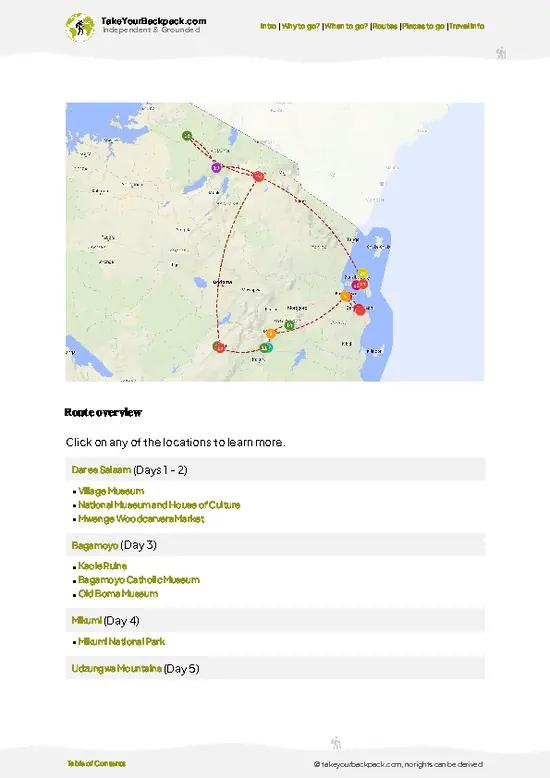
- Sumbawanga Central Market: the town’s real center, piled with maize, beans, dried fish from Lake Tanganyika and secondhand clothes. Go in the morning when stalls are busiest. Free to enter, 1 hour.
- Rukwa Valley Viewpoints on the Escarpment Road: the road edging the plateau opens onto a wide drop toward the Rukwa basin. Late afternoon gives the clearest haze-free views. Free, 1 to 2 hours with a boda-boda.
- Sumbawanga Cathedral Area: the Catholic mission district shows the town’s Fipa and missionary history, with a calm compound and good people-watching on Sunday mornings. Free, 45 minutes.
- Fipa Plateau Villages: short rides out of town lead to farming hamlets where Fipa families grow finger millet and keep cattle. Visit in the morning, hire a boda-boda for US$4 to 8, 2 to 3 hours.
- Local Pombe and
- Sumbawanga Central Market: the town’s real center, piled with maize, beans, dried fish from Lake Tanganyika and secondhand clothes. Go in the morning when stalls are busiest. Free to enter, 1 hour.
- Rukwa Valley Viewpoints on the Escarpment Road: the road edging the plateau opens onto a wide drop toward the Rukwa basin. Late afternoon gives the clearest haze-free views. Free, 1 to 2 hours with a boda-boda.
- Sumbawanga Cathedral Area: the Catholic mission district shows the town’s Fipa and missionary history, with a calm compound and good people-watching on Sunday mornings. Free, 45 minutes.
- Fipa Plateau Villages: short rides out of town lead to farming hamlets where Fipa families grow finger millet and keep cattle. Visit in the morning, hire a boda-boda for US$4 to 8, 2 to 3 hours.
- Local Pombe and Grill Stalls: evenings bring charcoal grills with roast goat and maize beer in plain courtyards. Go after 6 pm. Expect US$2 to 5, 1 to 2 hours.
- Bus Stand Morning Scene: long-distance coaches roll out before dawn with whole shops of cargo strapped on top. It is raw, loud and fascinating. Free, 30 minutes.
Spotted a mistake or missing something? Contact us.

 Best Backpacking
.jpg) Hi, I’m Johan (Netherlands 🇳🇱), the creator of TakeYourBackpack. Over the past 3 decades, I’ve backpacked through 90+ countries across six continents, gaining extensive experience with independent travel, long-term trips, and overland routes.
Hi, I’m Johan (Netherlands 🇳🇱), the creator of TakeYourBackpack. Over the past 3 decades, I’ve backpacked through 90+ countries across six continents, gaining extensive experience with independent travel, long-term trips, and overland routes.