×

Tanzania🇹🇿 | citiesMorogoroUluguru trails, Morning Star Falls, Mindu Dam, farm market | things to do and best time to go

Explore DodomaExplore Bukoba

Backpacking in Morogoro
🌟 Highlightcity ranked #8
By Johan Kruseman 🇳🇱 | Updated October 22, 2026

Morogoro sits at the foot of mountains, not on the coast or the safari circuit, and plenty of travelers blow past it on the Dar es Salaam to Dodoma road without realizing it has its own hiking country. You’ll find it in eastern Tanzania, about halfway between the Indian Ocean and the interior, below the green wall of the Uluguru Mountains. It suits hikers, market lovers and anyone who wants a real Tanzanian town with no tout gauntlet. It does not suit people who want beaches, nightlife or polished sights; the town center itself is dusty and low on landmarks. Spend your energy on the mountain, the markets and the villages above town. Start with a morning market wander, then climb.

Discover everything you want to know in the 📖 Tanzania Travel Guide.


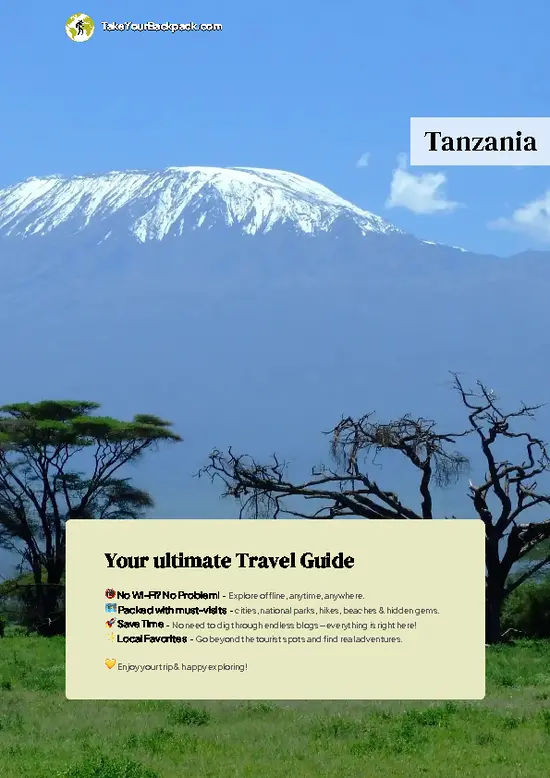
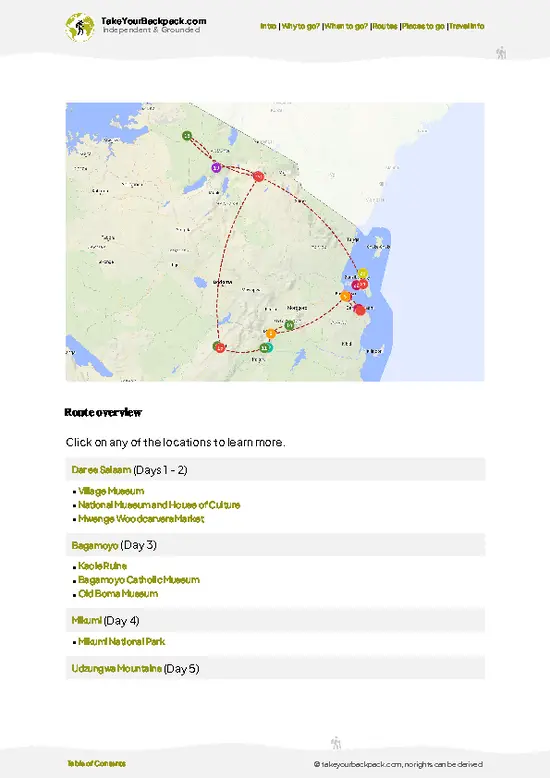
example page 0 from our offline Travel Guide for Tanzania
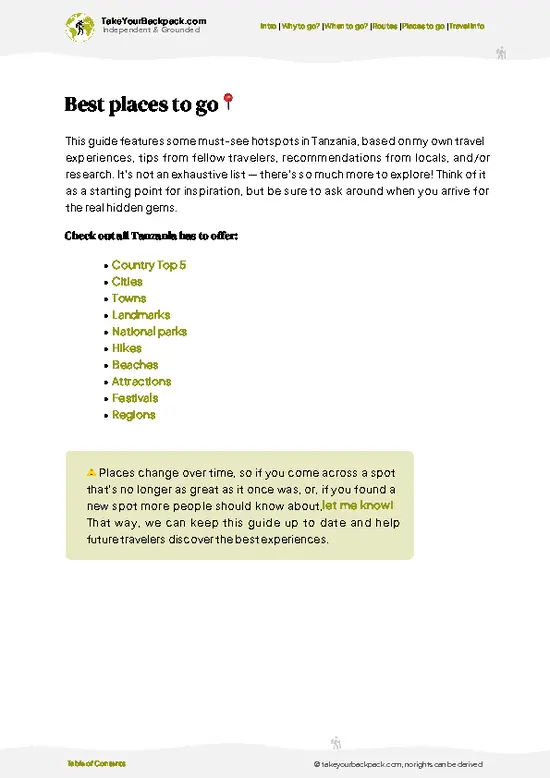
example page 1 from our offline Travel Guide for Tanzania
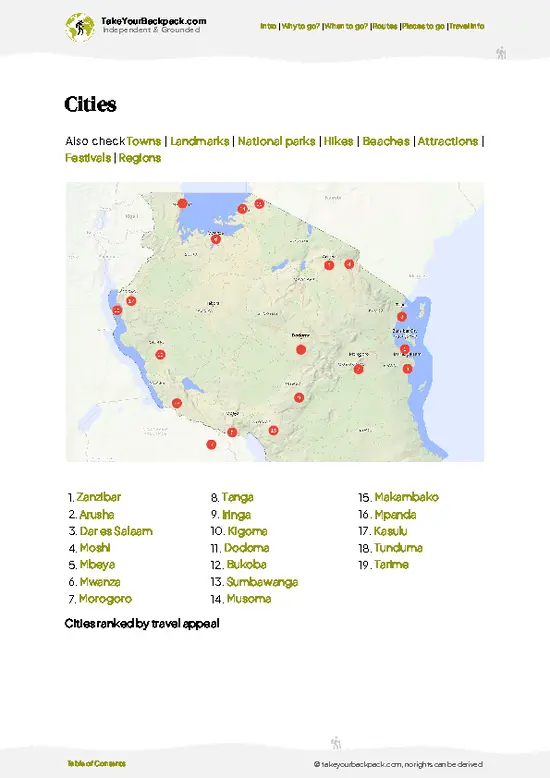
example page 2 from our offline Travel Guide for Tanzania
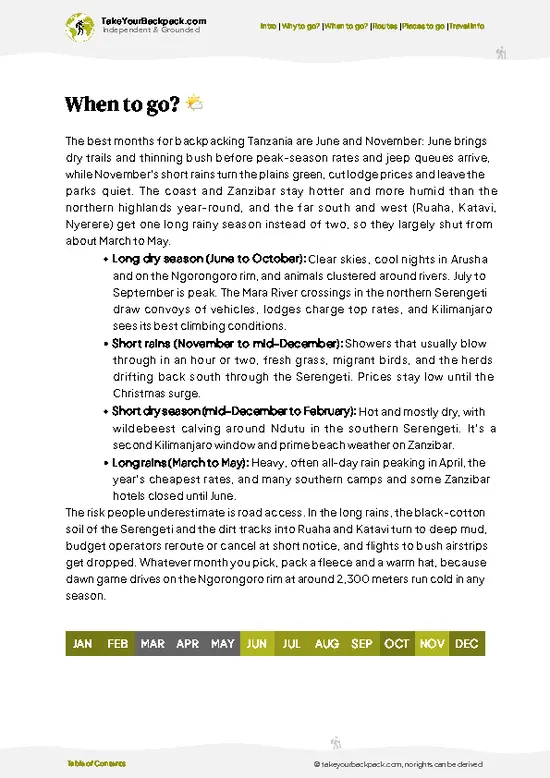
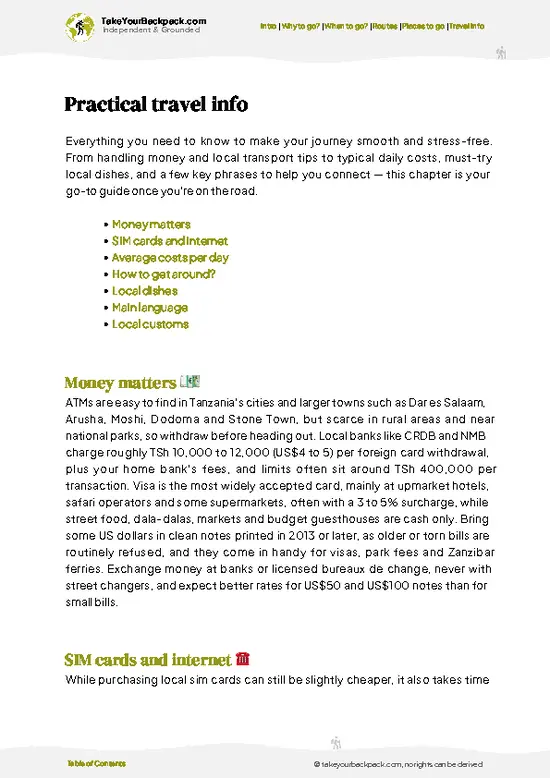
example page 3 from our offline Travel Guide for Tanzania
example page 4 from our offline Travel Guide for Tanzania
example page 5 from our offline Travel Guide for Tanzania
example page 6 from our offline Travel Guide for Tanzania
example page 7 from our offline Travel Guide for Tanzania
Loading the map 🌍
CLICK TO FILTER
cities
towns
landmarks
national parks
hikes
beaches
attractions
festivals
regions
SHOW COUNTRY’S BESTSHOW ALL

✨ Why go?
Ranked #8 city in Tanzania
Reasons people choose to visit here

Morogoro earns its place on a route because the mountains start practically at the edge of town. The Uluguru Mountains give you guided hikes through villages, waterfalls and forest, and you can be on a trail within an hour of leaving your bed. Hostels and guesthouses are few, but the ones that exist are friendly and often connect you with local guides, so you rarely need to book a tour from abroad. The town is also a handy break on the Dar es Salaam to Dodoma and Iringa corridor, with frequent buses passing through, so you can add it to a trip inland without detours. Food is simple and filling, mostly grilled meat, chips and fresh fruit from the stalls. Nightlife is low-key, a few bars and not much more. Think of Morogoro as a two or three night stop for hiking and recovery, not a place to linger for a week.

💡 HighlightsWhat this place is best known for

  1. Uluguru Mountains hikes: The big draw. Guided day walks climb through Luguru villages, terraced farms and forest, with views back over the plains. Go early in the morning and in drier months for clearer trails. Guides usually cost US$15 to 30, plus small fees, and a hike takes 4 to 7 hours.
  2. Morning Star Waterfalls: A trail at the base of the Ulugurus leads to a series of cascades and pools. Good for a cool-off after a warm walk. Expect small entry or guide fees of about US$2 to 8, and 2 to 3 hours.
  3. Morogoro Central Market: Piles of bananas, tomatoes, spices and bright cloth, the best place to see the farming wealth of the area. Mornings are liveliest. Free to enter, and 1 to 2 hours is plenty.
  4. Mindu Dam: A reservoir outside town that supplies water to Morogoro, popular for quiet walks and birdwatching.
… read more 👉
  1. Uluguru Mountains hikes: The big draw. Guided day walks climb through Luguru villages, terraced farms and forest, with views back over the plains. Go early in the morning and in drier months for clearer trails. Guides usually cost US$15 to 30, plus small fees, and a hike takes 4 to 7 hours.
  2. Morning Star Waterfalls: A trail at the base of the Ulugurus leads to a series of cascades and pools. Good for a cool-off after a warm walk. Expect small entry or guide fees of about US$2 to 8, and 2 to 3 hours.
  3. Morogoro Central Market: Piles of bananas, tomatoes, spices and bright cloth, the best place to see the farming wealth of the area. Mornings are liveliest. Free to enter, and 1 to 2 hours is plenty.
  4. Mindu Dam: A reservoir outside town that supplies water to Morogoro, popular for quiet walks and birdwatching. Late afternoon is pleasant. Entry costs little, around US$1 to 3, and a visit takes 1 to 2 hours.
  5. Uluguru Mountains viewpoints near Bunduki: Higher villages offer cooler air and wide panoramas for those who stay overnight with a local guide. Plan a full day or two, with costs depending on arrangements, roughly US$20 to 50.
  6. Sokoine University of Agriculture campus: A green, tree-lined campus with a relaxed student atmosphere, good for a walk and a cheap meal nearby. Free to stroll, 1 hour.
Morogoro makes a good base for day trips to Mikumi National Park, Udzungwa Mountains National Park and the Mkata plains, where wildlife and waterfalls are within reach. Together the sights above fill about three days if you hike seriously, or a long day if you stick to the town.
Spotted a mistake or missing something? Contact us.

Things to do in Morogoro

Ratings based on Tripadvisor reviews. When you book through this link, you support our work at no extra cost to you.

🏘️ NeighborhoodsKey areas and districts to know

Morogoro sits at the foot of the Uluguru Mountains, and the best way to read it is by walking outward from the market toward the slopes. Skip nothing central, but do not linger where the tarmac is wide and the shade is thin.
  • Town Center and Morogoro Market: Dive in here first. Stalls stack pyramids of tomatoes, bananas and cassava, and the lanes around the clock tower hum with motorbike taxis and tailors. It is flat, compact and easy on foot, best before noon.
  • Boma Road area: Grab a plastic chair at a grill, order nyama choma and a cold Kilimanjaro lager. It has the most casual restaurants and evening noise in town, and it is walkable until late.
  • Sokoine University (SUA) area: Student energy fills cheap cafés and bars. Its leafy campus is pleasant for a wander, though distances stretch, so hop
… read more 👉
Morogoro sits at the foot of the Uluguru Mountains, and the best way to read it is by walking outward from the market toward the slopes. Skip nothing central, but do not linger where the tarmac is wide and the shade is thin.
  • Town Center and Morogoro Market: Dive in here first. Stalls stack pyramids of tomatoes, bananas and cassava, and the lanes around the clock tower hum with motorbike taxis and tailors. It is flat, compact and easy on foot, best before noon.
  • Boma Road area: Grab a plastic chair at a grill, order nyama choma and a cold Kilimanjaro lager. It has the most casual restaurants and evening noise in town, and it is walkable until late.
  • Sokoine University (SUA) area: Student energy fills cheap cafés and bars. Its leafy campus is pleasant for a wander, though distances stretch, so hop on a bajaji.
  • Uluguru foothills (Morningside and Bigwa): Climb here for cool air, fruit-laden farms and views over the plains. Hikers start from this side. Go with a local guide and expect steep paths rather than strolling.
  • Station and bus stand zone: Busy, loud and short on sights. Pass through, do not plan an afternoon here.

⌛️ 1 dayWhat you can realistically do in a day

A hiking and market day, built around the mountain and the town.
7:30 AM: Breakfast near the town center Start with chai, chapati and eggs at a local café, and arrange a guide for the hike if you haven’t already. A short ride takes you to the mountain base.
8:30 AM: Morning Star Waterfalls trail Walk uphill through farmland and forest to the cascades. The trail is steady rather than brutal, and the air cools as you climb. Take time for a swim at the pools if the water is high.
12:30 PM: Lunch in the foothills Eat simple grilled meat or rice and beans at a small stall near the trailhead, then return to town.
2:30 PM: Morogoro Central Market Wander the aisles of fruit, vegetables and cloth. Buy bananas or pineapples for the road. The produce here shows how rich the surrounding farmland is.
4:30 PM: … read more 👉
A hiking and market day, built around the mountain and the town.
7:30 AM: Breakfast near the town center Start with chai, chapati and eggs at a local café, and arrange a guide for the hike if you haven’t already. A short ride takes you to the mountain base.
8:30 AM: Morning Star Waterfalls trail Walk uphill through farmland and forest to the cascades. The trail is steady rather than brutal, and the air cools as you climb. Take time for a swim at the pools if the water is high.
12:30 PM: Lunch in the foothills Eat simple grilled meat or rice and beans at a small stall near the trailhead, then return to town.
2:30 PM: Morogoro Central Market Wander the aisles of fruit, vegetables and cloth. Buy bananas or pineapples for the road. The produce here shows how rich the surrounding farmland is.
4:30 PM: Sokoine University of Agriculture campus Away from the usual tourist route, this quiet campus has shaded paths, students on benches and cheap snacks. It is a relaxed place to cool down after the walk.
6:30 PM: Dinner in town Finish with nyama choma and a cold soda at a local grill, then walk back to your guesthouse.

🌤️ When to go?Choosing the right time of year

June to October is the easiest window for Morogoro, with dry trails in the Uluguru Mountains and cool nights.
  • Cool Dry Season (June to October): Days reach 25 to 30°C (77 to 86°F), and nights dip to 14 to 18°C (57 to 64°F). Hiking is at its best, and Mikumi National Park trips see good wildlife viewing. Lodges cost a little more in July and August.
  • Hot Season (November to December): Expect 30 to 35°C (86 to 95°F) and short afternoon showers. Crowds are thin.
  • Long Rains (March to May): Downpours turn mountain paths to mud and some roads get rough. Prices drop and the hills turn deep green.
  • Daylight: Roughly 11.5 to 12.5 hours across the year, so start hikes early.
Aim for June or July if you want hiking and safari in one trip.

source: climatestotravel.comJANJanuary: good for travelingFEBFebruary: good for travelingMARMarch: fair for travelingAPRApril: fair for travelingMAYMay: fair for travelingJUNJune: excellent for travelingJULJuly: highly recommended for travelingAUGAugust: highly recommended for travelingSEPSeptember: excellent for travelingOCTOctober: highly recommended for travelingNOVNovember: good for travelingDECDecember: good for traveling
tanzania-city-morogoro
© Google |

✈️ The backpacker research shortcutTanzania Travel Guide

An offline-friendly backpacking guide with optimized travel routes, ranked highlights, transport advice, and the best areas to stay.
example page 0 from our offline Travel Guide for Tanzania
example page 1 from our offline Travel Guide for Tanzania
example page 2 from our offline Travel Guide for Tanzania
example page 3 from our offline Travel Guide for Tanzania
example page 4 from our offline Travel Guide for Tanzania
example page 5 from our offline Travel Guide for Tanzania
example page 6 from our offline Travel Guide for Tanzania
example page 7 from our offline Travel Guide for Tanzania
The digital guide (396 pages) contains:
✅ 103 highlights, ranked by travel appeal
✅ Optimized 7, 14 & 21-day travel routes
✅ Cities, national parks, landmarks, beaches
✅ How to get around
✅ Offline-friendly for travel without Wi-Fi
👉 Click to see all 30+ guide features

📅 Plan smarter in minutes, not weeks
✅ Month by month travel advice
✅ Festivals & national holidays
✅ Budget expectations

🗺️ Go to the right places, skip the overrated ones
✅ Honest pros & cons of destinations
✅ Top hikes, parks & viewpoints
✅ Lesser-known places most travelers miss
✅ Clear “worth it vs skip it” guidance

🛏️ Travel smoothly without rookie mistakes
✅ Best areas to stay
✅ Transport systems explained simply
✅ Common scams & safety advice
✅ SIM cards, money & practical tips

🌍 Understand the country, not just visit it
✅ Culture & traditions
✅ 52 Essential phrases & customs
✅ Festivals worth planning around
✅ Traveler-friendly historical context
✅ Insights that make places more meaningful

📱 Built for real travel conditions
✅ Fully downloadable PDF
✅ Works completely offline
✅ Optimized for phone use
✅ Useful in remote areas & buses
✅ Everything in one place
Stop searching, start planning
Get instant access to your full guide. 30‑day money-back guarantee.
+ Add another guide for just

By proceeding you agree to our terms.
Sent to your inbox immediately after payment • 100% Secure Checkout
Best Backpacking Travel Advisor 2025 tourism awardBest Backpacking
Travel Advisor
2025
What others say about Take Your Backpack Guides:
⭐⭐⭐⭐⭐
Fantastic, amazing amount of information!
⭐⭐⭐⭐⭐
My goodness this is amazing, it's what I've been looking for hats off too you!
⭐⭐⭐⭐⭐
I think this is absolutely BRILLIANT
⭐⭐⭐⭐
Very complete and informative. It's still missing places, but I gotta to commend you
⭐⭐⭐⭐⭐
This is truly amazing, thank you, can't wait to explore it with my kids!
⭐⭐⭐⭐⭐
Awesome resource, thank you!
⭐⭐⭐⭐⭐
This is amazing! Can't wait to explore the ones I haven't seen
⭐⭐⭐⭐
I love this! Well done, great idea.
⭐⭐⭐⭐⭐
Thanks for taking the time to make this gem!
⭐⭐⭐⭐⭐
This might be the best website I've ever seen.
⭐⭐⭐⭐⭐
Congratulations, and thank you so much for your work; it's incredibly valuable.
⭐⭐⭐⭐
In all seriousness I think you did a great job pointing out the important spots
⭐⭐⭐⭐⭐
10/10 very good
⭐⭐⭐⭐⭐
As someone who's only just starting to visit regularly this is awesome, thank you.
⭐⭐⭐⭐
Thank you very much! I'm going to visit my dad, it's going to be very useful!
⭐⭐⭐⭐⭐
This is really cool! We'll be travelling for the first time and this definitely come in handy.
⭐⭐⭐⭐⭐
You are now our minister of culture, congratulations 👨‍💼
⭐⭐⭐⭐⭐
Just wanted to tell you that this is a pearl! Going to follow your recommendations.
⭐⭐⭐⭐⭐
This is so cool. I'll definitely be using the resource for my travels soon.
⭐⭐⭐⭐⭐
This is very impressive! Good work.
⭐⭐⭐⭐⭐
This is an amazing and informative site. Very well done!

🛏️ Where to stay?Best areas and accommodation options

The town center, within a few blocks of the market and the bus stand, is the most practical area for a budget bed in Morogoro. Guesthouses and simple lodges here cluster in good numbers, with basic rooms usually cheaper than a dorm elsewhere, and it is easy to catch coaches and the railway early. Streets are lively until late and the call to prayer comes at dawn, so pack earplugs. Walking back after dark is fine on the main roads, though a short bajaji ride is wise for the last stretch.
The second option is the area around Sokoine University and the Uluguru foothills. It is quieter and greener, … read more 👉
The town center, within a few blocks of the market and the bus stand, is the most practical area for a budget bed in Morogoro. Guesthouses and simple lodges here cluster in good numbers, with basic rooms usually cheaper than a dorm elsewhere, and it is easy to catch coaches and the railway early. Streets are lively until late and the call to prayer comes at dawn, so pack earplugs. Walking back after dark is fine on the main roads, though a short bajaji ride is wise for the last stretch.
The second option is the area around Sokoine University and the Uluguru foothills. It is quieter and greener, with cooler nights and a calmer pace that suits hikers heading up early. Choices are fewer, and you rely on bajaji or boda-boda to reach restaurants and transport, but sleep is better. Book ahead in July and August and during university graduation weeks, when beds fill quickly.

🚌 Getting aroundHow to get from A to B

Hopping in a motorbike taxi or bajaji without agreeing the fare first is the habit that drains wallets in Morogoro, so settle the price before you sit. The town center is compact, and you can cover the market, Boma Road and the bus stand on foot in a morning. Traffic is steady but slow, and public transport is informal rather than scheduled.
  • Walking: Do this in the center. Everything between the market and clock tower sits within a flat 15 minutes, and you will see far more than from a seat. Skip it in the midday heat toward the university.
  • Bajaji (three-wheeler tuk-tuk): Your best all-round option for evenings and luggage. Rides in town run about US$1 to 2, with a little extra after dark. Negotiate firmly and smile.
  • Boda-boda (motorbike taxi): Fastest in traffic at US$0.40 to 1 for short hops,
… read more 👉
Hopping in a motorbike taxi or bajaji without agreeing the fare first is the habit that drains wallets in Morogoro, so settle the price before you sit. The town center is compact, and you can cover the market, Boma Road and the bus stand on foot in a morning. Traffic is steady but slow, and public transport is informal rather than scheduled.
  • Walking: Do this in the center. Everything between the market and clock tower sits within a flat 15 minutes, and you will see far more than from a seat. Skip it in the midday heat toward the university.
  • Bajaji (three-wheeler tuk-tuk): Your best all-round option for evenings and luggage. Rides in town run about US$1 to 2, with a little extra after dark. Negotiate firmly and smile.
  • Boda-boda (motorbike taxi): Fastest in traffic at US$0.40 to 1 for short hops, and the cheapest way up toward the foothills. Ask for a helmet and ride slowly; they are rarely offered unprompted.
  • Daladala (minibus): The local workhorse to outlying areas such as the university, at about US$0.20 to 0.40 a ride. They squeeze in passengers and run from early morning until around dusk, so use them for daytime hops only.
  • Long-distance buses: The main stand sends coaches to Dar es Salaam in about 3 to 4 hours for US$4 to 7, and onward to Dodoma, Iringa and Mbeya. Buy tickets from the counter, not from touts, and travel in daylight. The standard-gauge railway also stops here, with trains to Dar es Salaam in roughly 1.5 hours for US$4 to 8.

👛 Costs (as of 22 October 2026)Typical daily expenses

Morogoro costs about US$27 to 45 a day for a backpacker, and the table below gives a total of US$38 on a typical day. Prices are low compared with Dar es Salaam, and you pay in local currency.
CategoryBudget RangeLocal Reality
Dorm or basic room (high season)US$10 to 16Dorms are scarce, so most backpackers take a simple private room in a guesthouse.
Dorm or basic room (off-season)US$7 to 12Prices dip in the long rains from March to May.
MealsUS$6 to 12Local plates cost US$2 to 4, grills US$3 to 6.
Local transportUS$2 to 5Bajaji rides cost US$1 to 2, boda-boda US$0.40 to 1.
City transport passNot availableNo pass exists. Pay per ride in daladala at about US$0.20 to 0.40.
Activities and entry feesUS$5 to 15A guided Uluguru hike runs US$15 to 30 and Mikumi park entry around US$30.
MiscellaneousUS$2 to
… read more 👉
Morogoro costs about US$27 to 45 a day for a backpacker, and the table below gives a total of US$38 on a typical day. Prices are low compared with Dar es Salaam, and you pay in local currency.
CategoryBudget RangeLocal Reality
Dorm or basic room (high season)US$10 to 16Dorms are scarce, so most backpackers take a simple private room in a guesthouse.
Dorm or basic room (off-season)US$7 to 12Prices dip in the long rains from March to May.
MealsUS$6 to 12Local plates cost US$2 to 4, grills US$3 to 6.
Local transportUS$2 to 5Bajaji rides cost US$1 to 2, boda-boda US$0.40 to 1.
City transport passNot availableNo pass exists. Pay per ride in daladala at about US$0.20 to 0.40.
Activities and entry feesUS$5 to 15A guided Uluguru hike runs US$15 to 30 and Mikumi park entry around US$30.
MiscellaneousUS$2 to 4Water, SIM data and snacks.
Total Daily BudgetUS$38Guesthouse, local meals and short rides.
Buy fruit and snacks at the central market rather than from stalls near the bus stand, where prices run higher.
⚠️ Prices can change and everyone travels differently, so take this as a rough guide. Hope it helps you plan your adventure!

🚌 Day tripsBest day trips from Morogoro

Morogoro is an easy base for day trips because wildlife, waterfalls and mountain villages all sit within a couple of hours.
Uluguru Mountains:
The steep slopes above town offer cool forest paths, terraced farms and views across the plains. Hire a local guide for US$15 to 30, take a boda-boda to the trailhead, and start by 7 am. First-timers often underestimate the climb and carry too little water. Dry months from June to October are best.

Mikumi National Park:
About 1 to 1.5 hours by road, Mikumi is the quickest way to see giraffes, elephants, zebras and hippos. Entry is around US$30 plus vehicle fees, and a shared or hired safari car makes a day cost US$100 to 180. Book early so you are in the park at dawn, and go June to October when animals gather at water.
👉 Explore Mikumi National Park
Bunduki … read more 👉
Morogoro is an easy base for day trips because wildlife, waterfalls and mountain villages all sit within a couple of hours.
Uluguru Mountains:
The steep slopes above town offer cool forest paths, terraced farms and views across the plains. Hire a local guide for US$15 to 30, take a boda-boda to the trailhead, and start by 7 am. First-timers often underestimate the climb and carry too little water. Dry months from June to October are best.

Mikumi National Park:
About 1 to 1.5 hours by road, Mikumi is the quickest way to see giraffes, elephants, zebras and hippos. Entry is around US$30 plus vehicle fees, and a shared or hired safari car makes a day cost US$100 to 180. Book early so you are in the park at dawn, and go June to October when animals gather at water.
👉 Explore Mikumi National Park
Bunduki and Morningside Forest:
Cool, misty and green, this forest area has small waterfalls and chameleons. Go with a guide, allow half a day, and expect US$15 to 25 for transport and guiding. Mud makes the rains tough going.

Udzungwa Mountains National Park:
About 2.5 to 3 hours away, this park has rainforest and Sanje Falls, a hike of roughly 3 to 4 hours. Entry is about US$30, with a guide required. Leave very early, because a rushed day trip ends in darkness.

🍲 FoodLocal Flavors for Backpackers

Morogoro sits among farmland, so produce is the star. The slopes of the Ulugurus supply fat bananas, sweet pineapples, oranges, jackfruit and spinach, and the market sells them for next to nothing. Look for ndizi nyama, plantains stewed with beef, which is common in this region and comes with rich, peppery gravy. Roadside stalls in the lower town also sell fresh sugarcane juice, pressed in front of you for about US$0.20 to 0.40.
For evenings, head to the grills around Boma Road for nyama choma with kachumbari and a cold local lager. A plate costs roughly US$3 to 6. Student cafés near Sokoine University serve cheap chips mayai (a fries omelet) and strong sweet tea for US$1 to 2. Ask for mchemsho, a hearty vegetable and meat stew, at simple local eateries. Shared platters and eating with your … read more 👉
Morogoro sits among farmland, so produce is the star. The slopes of the Ulugurus supply fat bananas, sweet pineapples, oranges, jackfruit and spinach, and the market sells them for next to nothing. Look for ndizi nyama, plantains stewed with beef, which is common in this region and comes with rich, peppery gravy. Roadside stalls in the lower town also sell fresh sugarcane juice, pressed in front of you for about US$0.20 to 0.40.
For evenings, head to the grills around Boma Road for nyama choma with kachumbari and a cold local lager. A plate costs roughly US$3 to 6. Student cafés near Sokoine University serve cheap chips mayai (a fries omelet) and strong sweet tea for US$1 to 2. Ask for mchemsho, a hearty vegetable and meat stew, at simple local eateries. Shared platters and eating with your hand are normal, so wash up at the basin offered at the table.

🛡️ SafetyStaying Safe: What Travelers Should Know

Morogoro is a relaxed, friendly town, and most problems are petty ones. Keep phones and cameras tucked away in the crowded market and around the bus stand, where pickpockets work the crush. Walk the main streets after dark, but take a bajaji for longer distances and avoid unlit side roads. Solo travelers, women included, generally get curious greetings rather than trouble, though dressing modestly helps. Touts at the bus stand may claim a coach is leaving now or add a fee; buy tickets at the counter and check the price. Always agree boda-boda and bajaji fares first. On Uluguru hikes, go with a local guide and tell your guesthouse your plan, since paths are steep and unmarked.

FAQFrequently asked questions about Morogoro

Two days cover Morogoro town, the market and a guided half-day walk in the Uluguru Mountains. Add a third day for Mikumi National Park, about 1 to 1.5 hours away by road. Stretch to four if you want Udzungwa and its Sanje Falls hike.
Yes, Morogoro is generally comfortable for solo backpackers, with friendly locals and a relaxed pace. Keep valuables hidden in the market and bus stand, and take a bajaji for US$1 to 2 after dark rather than walking unlit streets. Use a local guide for Uluguru hikes, which cost around US$15 to 30.
Morogoro is known for the Uluguru Mountains, rising directly behind town with forest paths, waterfalls and cool air. It is also famous for fertile farmland and its fruit, plus Sokoine University of Agriculture. Mikumi National Park lies about 1 to 1.5 hours away, making it a handy safari base.
⚠️ Things can change over time, so always validate details locally before you go.

Other Tanzanian cities near Morogoro

Explore more nearby:

  • Dar es Salaam—Ferry gateway, Kivukoni fish auctions, Kariakoo trading, Makonde carvings| 180 km away
  • Zanzibar City—Stone Town alleys, spice markets, Omani palaces| 185 km away
  • Zanzibar—Stone Town lanes, carved doors, Forodhani night market, slave market memorial| 185 km away

💡 Not sure where to go next?
Create a personalized itinerary for Tanzania including Morogoro and the places that fit your trip.

Generate my itinerary

👉 Discover all cities

Or checkout all Tanzania has to offer (think cities, towns, villages, national parks, hikes, beaches, festivals)
Country photo of Tanzania

We 💚 feedbackWhat to keep in mind

Morogoro pairs well with Dar es Salaam on one side and Mikumi or Udzungwa on the other, so use it as the green pause between city and park. I would bring sturdy shoes, start every hike early and skip any plan that treats the town itself as the main attraction.

✍️ Help improve this page!
The information on this page is based on in-depth research, insights shared by experienced travelers, and feedback from the local travel community in Tanzania. While every effort is made to keep the information accurate and current, conditions can change — so if you spot anything incorrect or outdated, please get in touch.


🙋‍♂️ Give feedback

👋 Meet the founderWho’s Behind Take Your Backpack?

Johan, backpacker and founder of TakeYourBackpackHi, I’m Johan (Netherlands 🇳🇱), the creator of TakeYourBackpack. Over the past 3 decades, I’ve backpacked through 90+ countries across six continents, gaining extensive experience with independent travel, long-term trips, and overland routes.

This site is built on a combination of firsthand travel experience and carefully curated insights from other backpackers. Many guides are based on places I’ve personally visited, while others bring together tips, observations, and practical advice shared by trusted travelers I’ve met along the way.

The goal is to provide realistic, experience-driven guidance — not generic itineraries — so you can explore destinations with better context, clearer expectations, and more confidence.